In recent years, Artificial Intelligence (AI) has profoundly revolutionized numerous sectors, including the field of photography. The integration of AI into photography has opened up a world of possibilities, empowering photographers with powerful tools not only to enhance their creativity and produce extraordinary images, a contentious and debated topic, but also to simplify workflows. From automated editing processes to intelligent image recognition, AI is reshaping how photographs are created, edited, and shared. Image purists argue that through AI, every image, no matter how surreal and detached from reality, becomes achievable, unlike traditional photography that requires optical instruments to be realized. The potential of this new technology, in my opinion, lies in how it is perceived: as a means or as an end. One thing is certain – AI is transforming the photographic landscape and the future of visual storytelling, and everyone will have to learn to coexist with it.


Looking back, we have already experienced similar epochal transitions. With the advent of photography, for example, painting could liberate itself from its documentary function, passing the torch to this new practice. The same happened with the introduction of digital photography and post-production software: an initial threat that opened up new possibilities for photography (also generating new professions) and restored a sense of authenticity to analog photography that was at risk of being lost (even though post-production interventions were possible in the darkroom). Automating editing processes, recognizing patterns in editing styles, and replicating them across multiple images through AI ensure consistency in a series of photographs, significantly saving time for photographers. Furthermore, artificial intelligence has shown great potential in image restoration and upscaling. With the help of deep learning models, damaged old photographs can be preserved, providing precious memories for future generations.


Additionally, many artists utilize AI during the creation process of their own images. AI can analyze the style of an individual photographer (based on their photos) and suggest new approaches or compositions that align with their creative preferences, encouraging them to experiment and evolve their artistic vision. In my opinion, by reserving a purely instrumental function for AI, productive scenarios can be opened up for photographers to simplify their workflow and enhance their images, without losing the uniqueness of their research. What is criticized about images generated through AI (thus through a prompt) is a sort of aesthetic flattening, a formal uniformity that makes them all too easily identifiable, although this technology is rapidly learning to simulate reality (I remember when AI was in its infancy, it was absolutely incapable of recreating hands, a task it can now do quite well).

We should educate ourselves to read images, enabling each of us to distinguish an AI-generated image from a captured one. This step becomes crucial, especially in constructing reality, in the search for the necessary information to decode a world increasingly intertwined with images. What needs to be established is the use and practice of looking through AI-linked eyes, a theme that should even be introduced in schools, given that we are increasingly living in a society built on images.


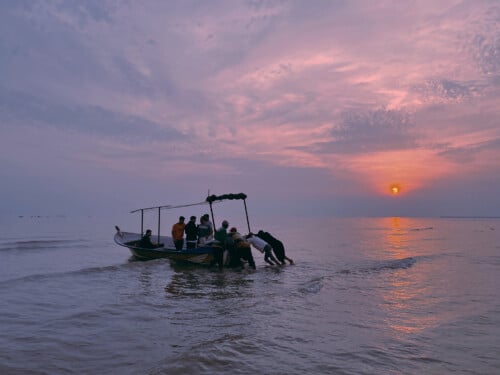
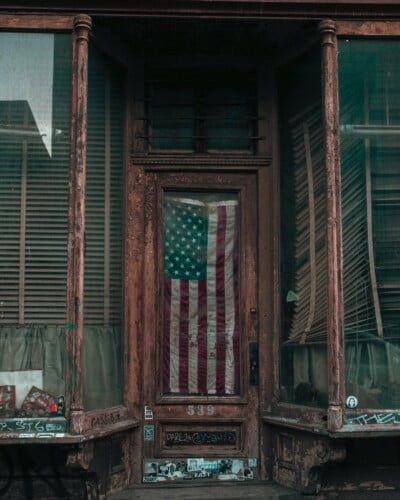
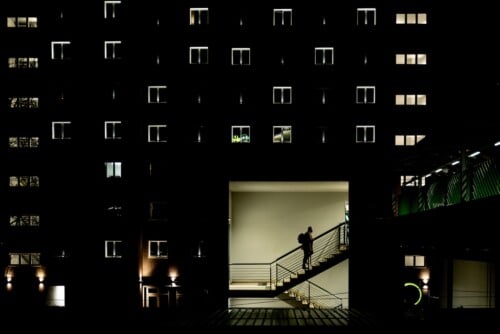
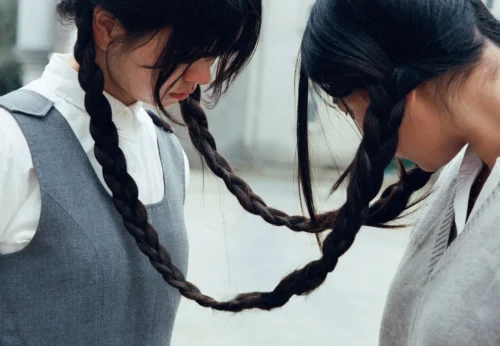
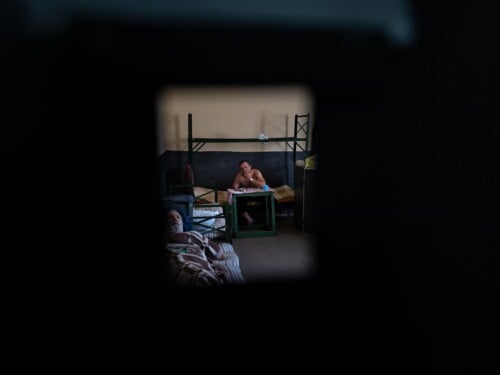
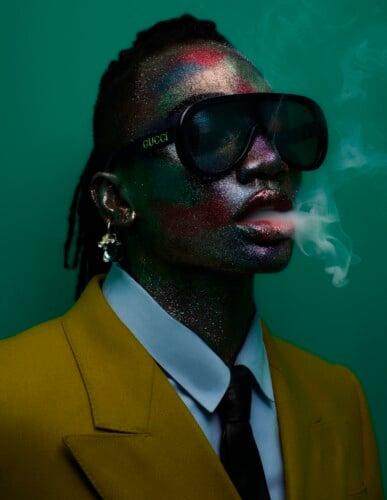
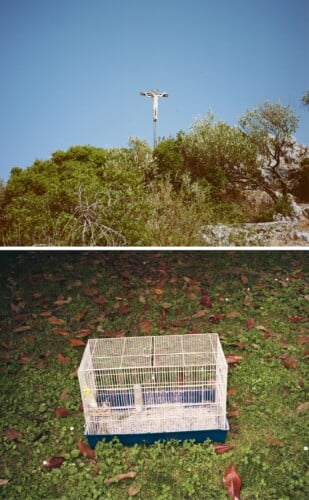
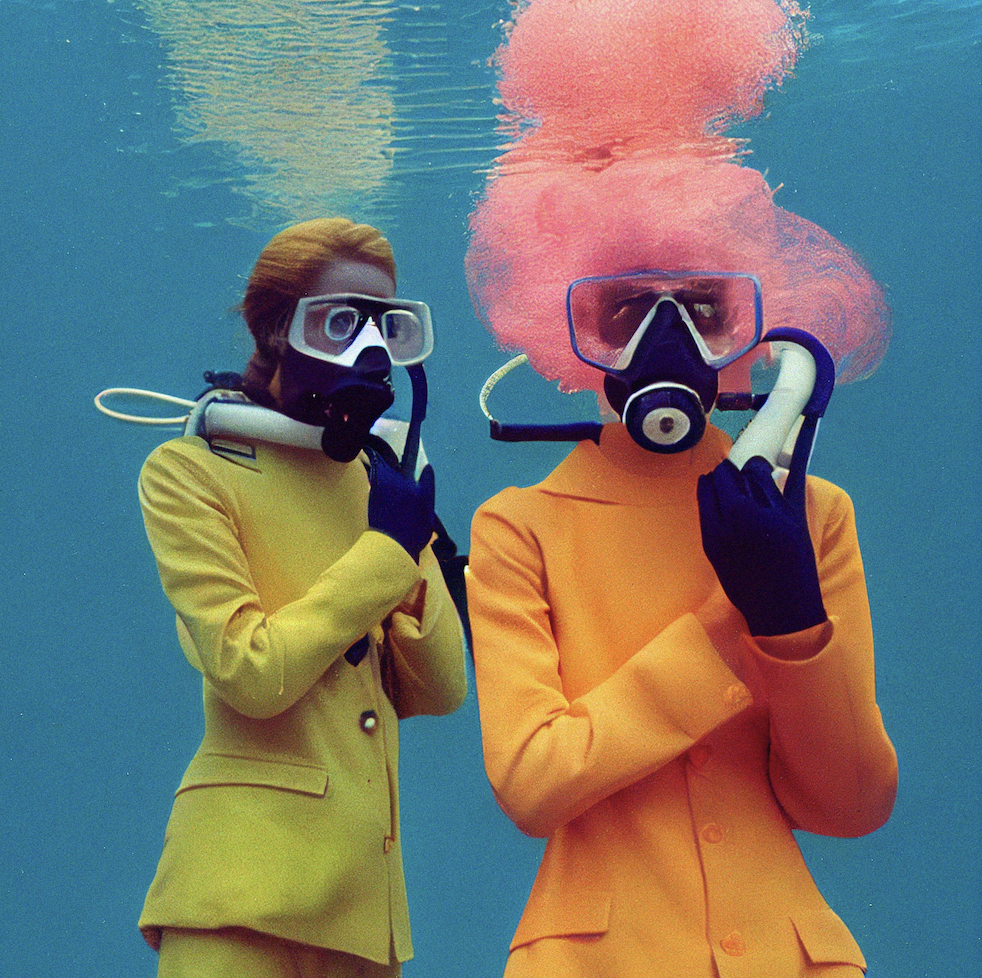
In support of this, accompanying the text, you will find works created through Artificial Intelligence by Andrea Baioni, an Italian photographer specializing in fashion and backstage photography, who has been experimenting with Midjourney and Stable Diffusion, two of the main software used to generate images. Your gaze will wander as you try to understand if the images are real or not, if the models have truly immersed themselves in water wearing Valentino clothes, or even if they have really walked the runway or if it was all created through code.
ph. courtesy Andrea Baioni