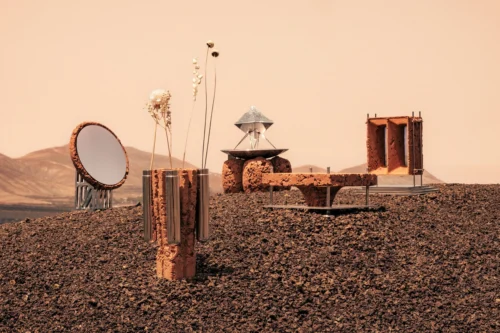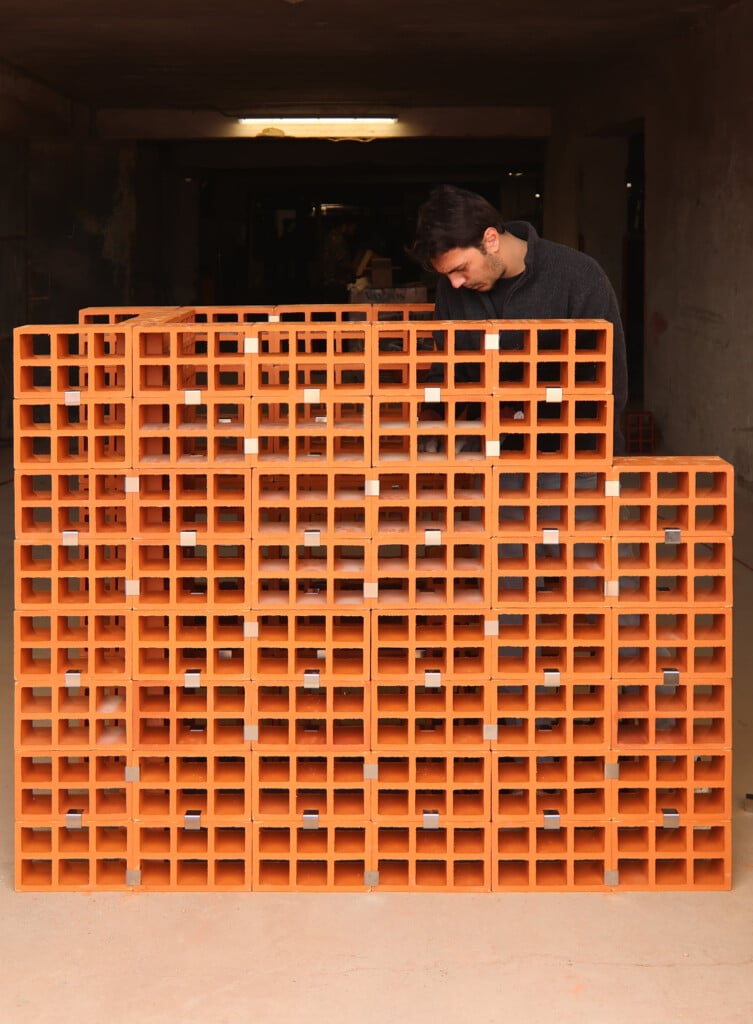
Some materials seem made to tell stories. Angelo Lavanga has chosen the brick. A humble object, almost invisible in the urban landscape, that in his hands takes on a new presence. His project, presented at the latest edition of the Isola Design Gallery for Conscious Objects and created in collaboration with Enrico Acquasanta, staged a delicate balance between solidity and impermanence, between memory and transformation.
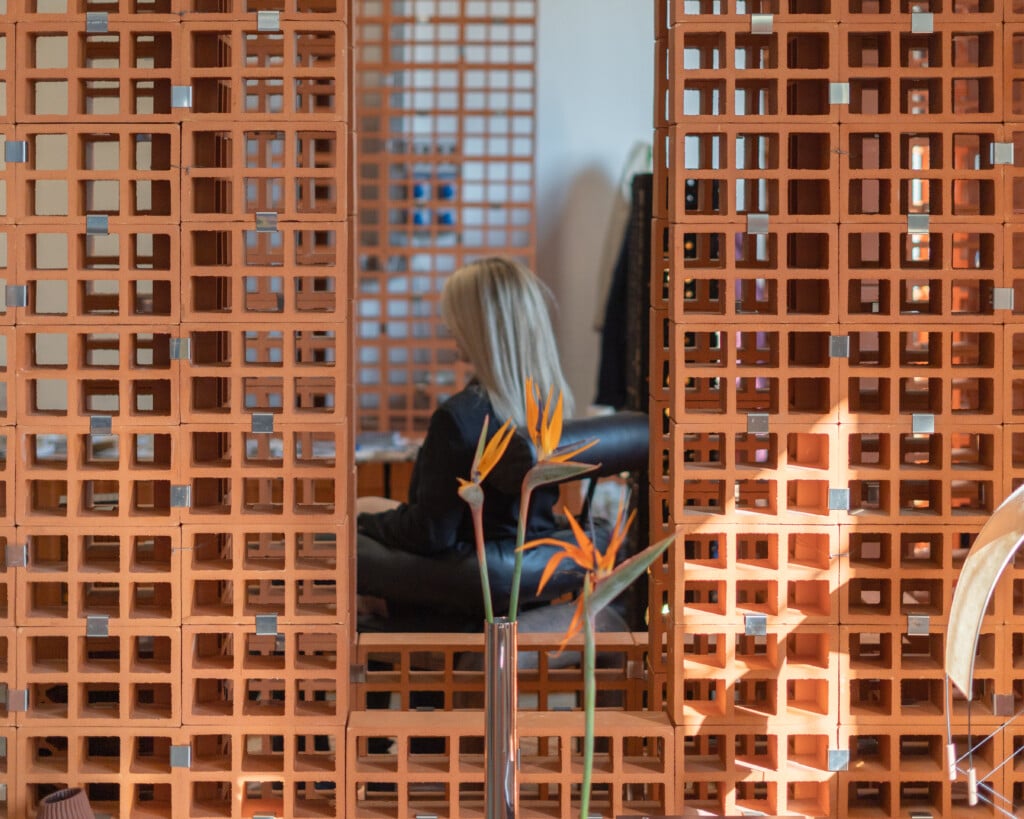
Lavanga’s approach is deeply tactile. The brick is “made for the hand,” he says, and it is precisely in this human scale that its power lies. The earthy tones and modular nature of terracotta become tools not only to build — but also to question — space. His temporary architectures are permeable, crossed by light and time. They appear as light structures, yet dense with meaning: they speak of the tension between nature and artifice, between gesture and matter.
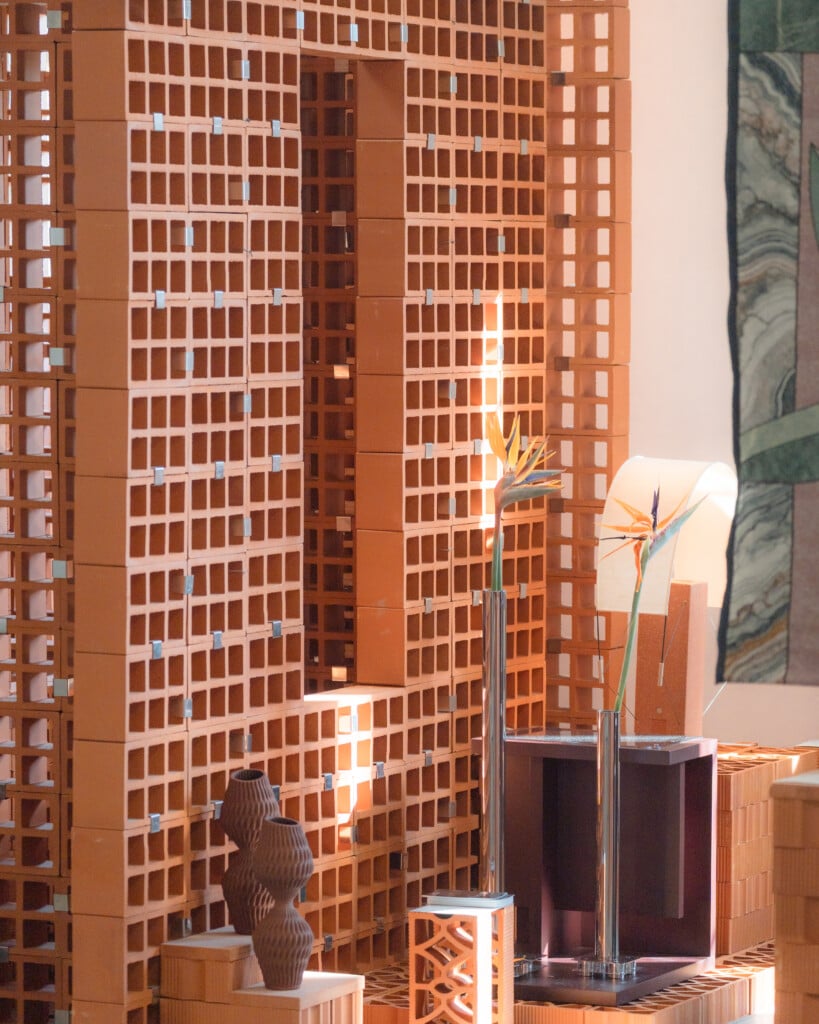
For Isola Design Festival, Lavanga chose to work with layered surfaces, oriented in such a way as to transform the harsh light of industrial spaces into something softer and more intimate. Thus, light becomes part of the composition, just like air and erosion. His works do not impose themselves on space — they inhabit it, listen to it, allow themselves to be traversed by it.
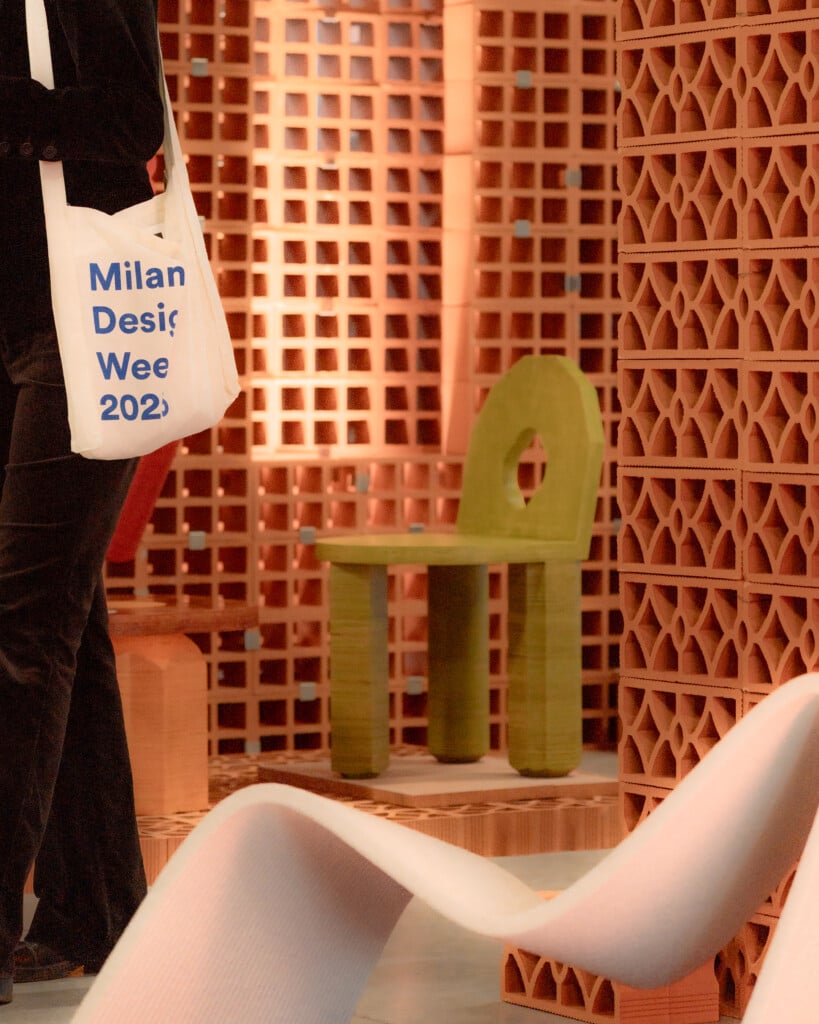
There is a poetics of ruin in all this. The structures seem suspended between construction and deconstruction, as if their form were only a passage, a reversible gesture. In Monte dei Cocci, for example, Lavanga collected discarded materials from a mountain of industrial scraps, only to return them to the site once the installation was over. It is an act of responsibility toward time and memory: not just about leaving a trace, but about taking on the concrete task of building with what is inherited.
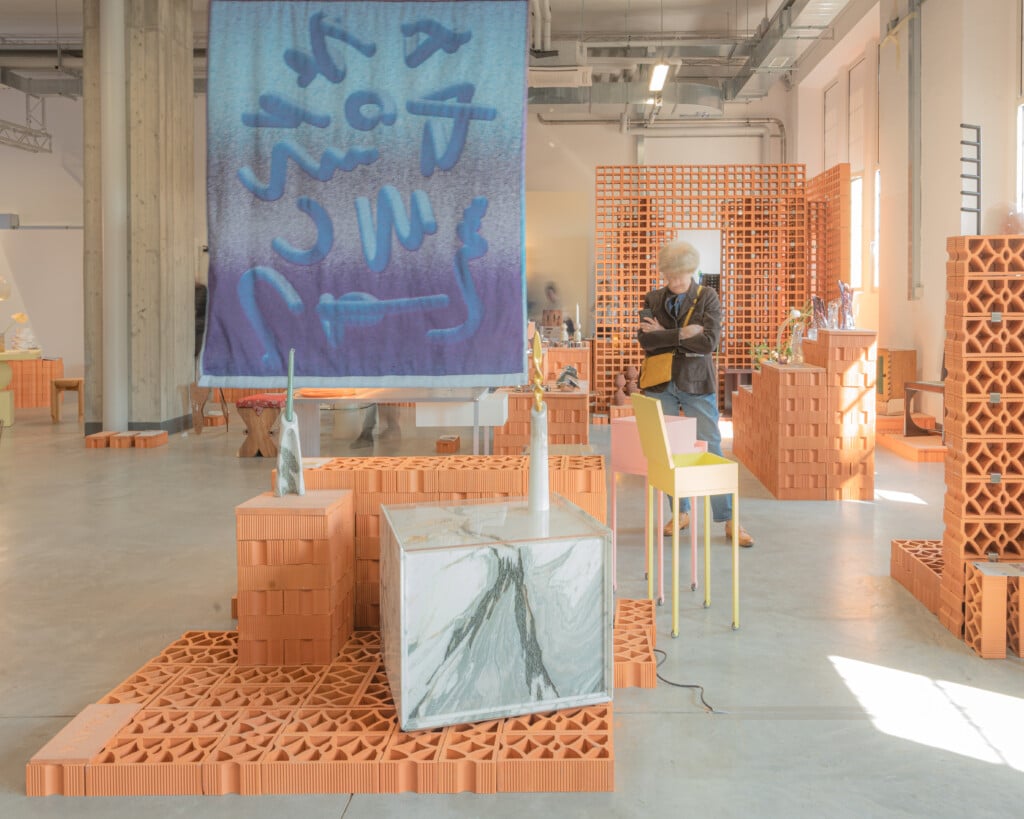
Alongside brick, other materials appear: shards, powders, plaster, metal clips. The latter, in particular, replace mortar, reducing weight and challenging the idea of stability. It’s a construction that defies tectonic rules, embracing fragility as a value. For Lavanga, materials are not neutral tools: they are witnesses, carriers of stories, choices, and layers.
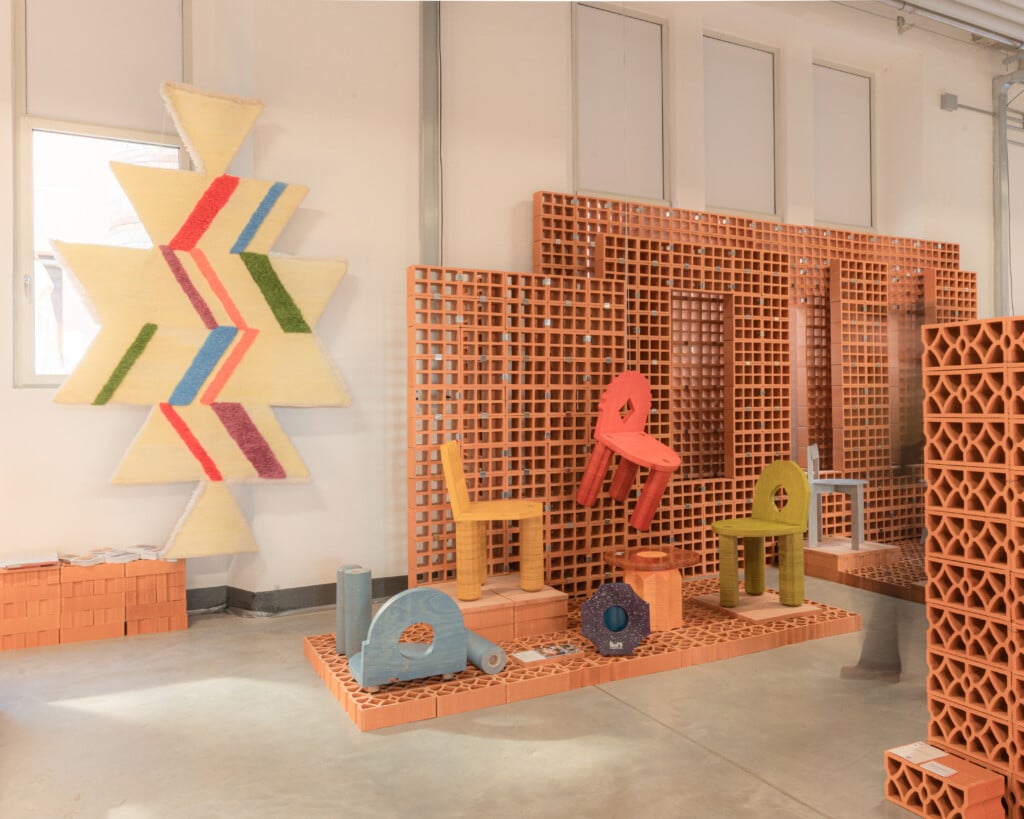
In the context of Isola, his installations became an invitation to reconsider our idea of architecture: no longer a finished form, but a process, a listening, a dialogue. A way to think of the future starting from fragments of the past, with hands that build and deconstruct in the same gesture.
ph. courtesy Luca Ferrara