Beginning in the 1960s and immediately after the end of World War II, Japanese youth began to have a real obsession with everything that was American.
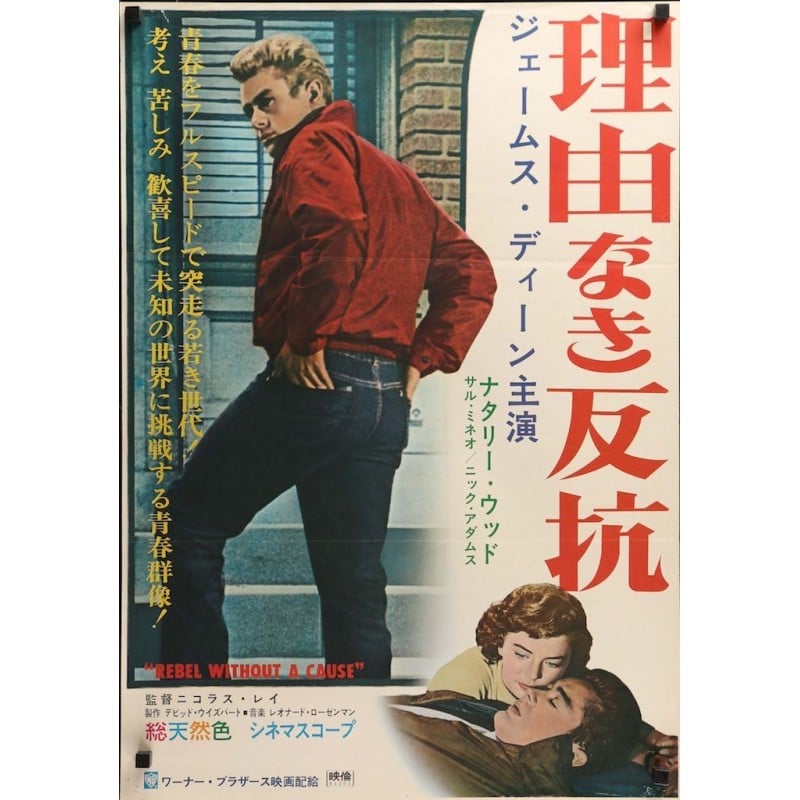
In the wake of their American peers, they were completely kidnapped by the subversive and rebellious aesthetics of movie stars like James Dean and Marlon Brando and all the rock ‘n roll imagery.
Some people have explained and told these events very well, the writer and cultural historian Tokyo based W. David Marx who in 2012 published a book entitled “Ametora: How Japan Saved American Style”.
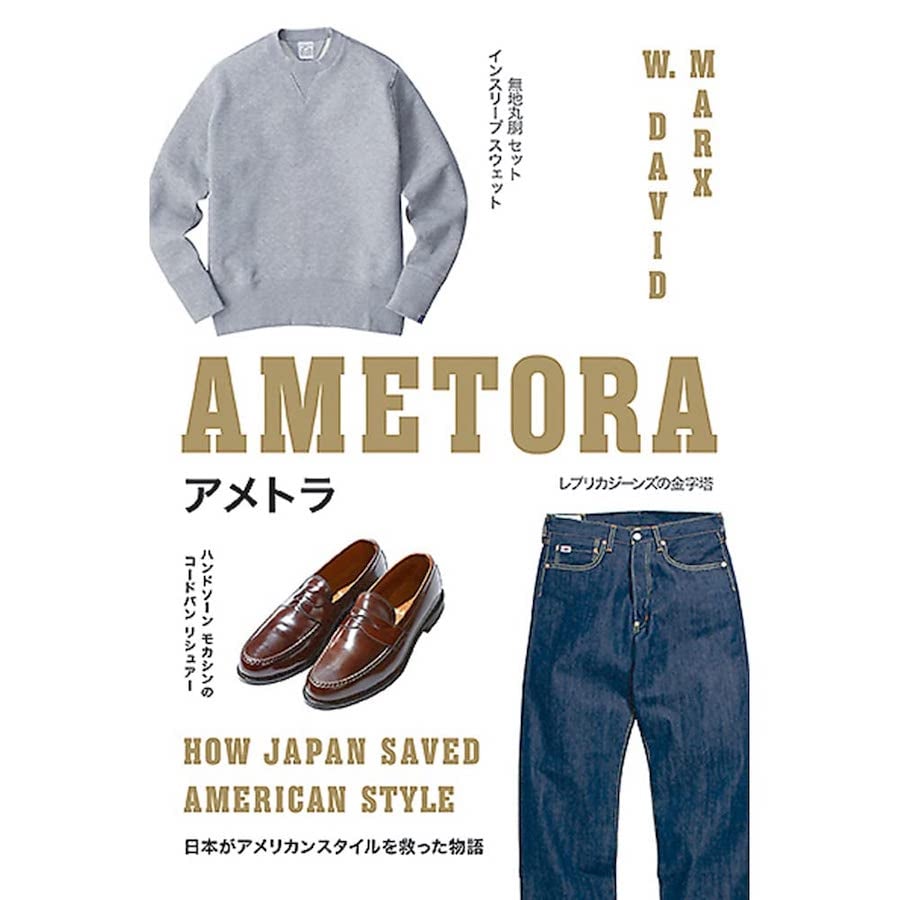
The term ametora is used in Japan to define the classic American look, this phenomenon of assimilation is part of a long dialogue between American and Japanese fashion, in fact many traditional American garments “live” thanks to Japanese collectors who preserved them when they were out of fashion, in a sort of reutilization of conservation.
The book retraces the last 50 years of this process, telling how influential people and far-sighted entrepreneurs have managed to imitate, adapt, import and finally perfect the American style and its aesthetics, redefining Japanese culture.

The first Japanese teenagers to adopt elements of the “Ivy League” look (American-inspired university clothing) was a group of boys called Miyuki-zoku – later the Ame-kaji (American casual wear) would arrive – in 1964. The name of the group came from the Tokyo area they used to frequent, Miyuki Street in the Ginza district, while the suffix “zoku” means subculture or social group. The boys were mostly students who arrived in Ginza wearing classic Japanese school uniforms and changed in the small cafeterias in the neighborhood.
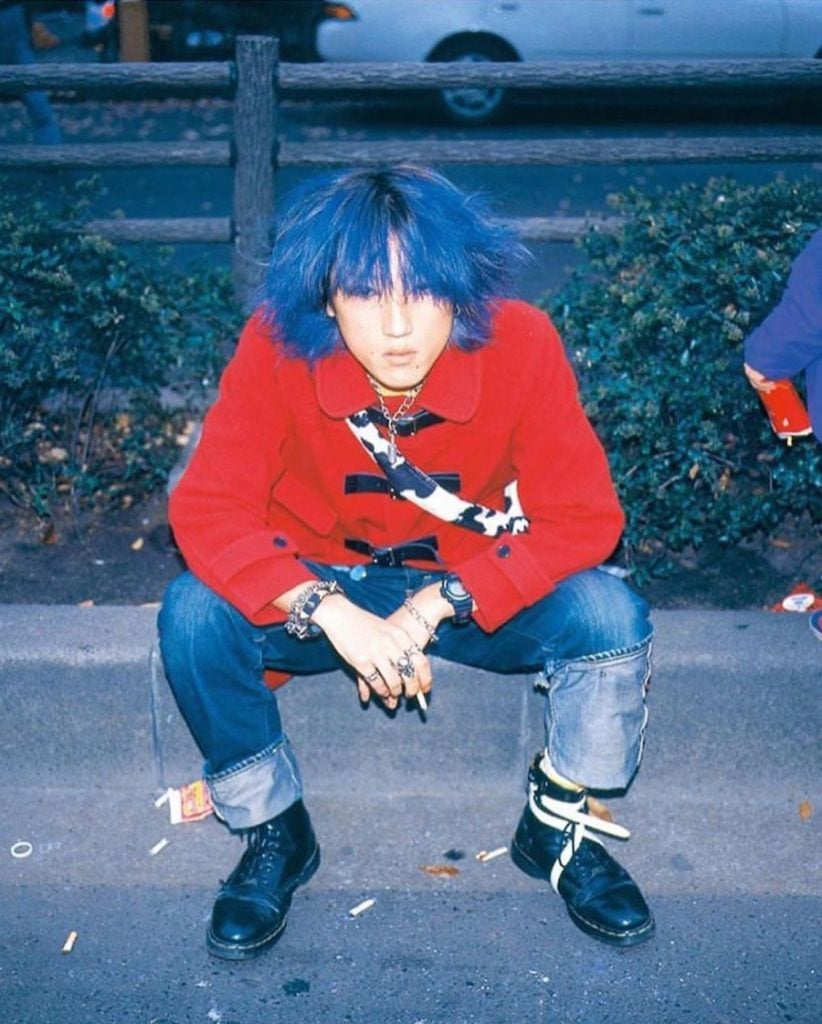
This emulation turned into a denim mania that overwhelmed the entire city of Tokyo and it was not long before denim par excellence became a cultural phenomenon, we are talking about the one produced by a company founded in San Francisco in 1853, Levi’s.

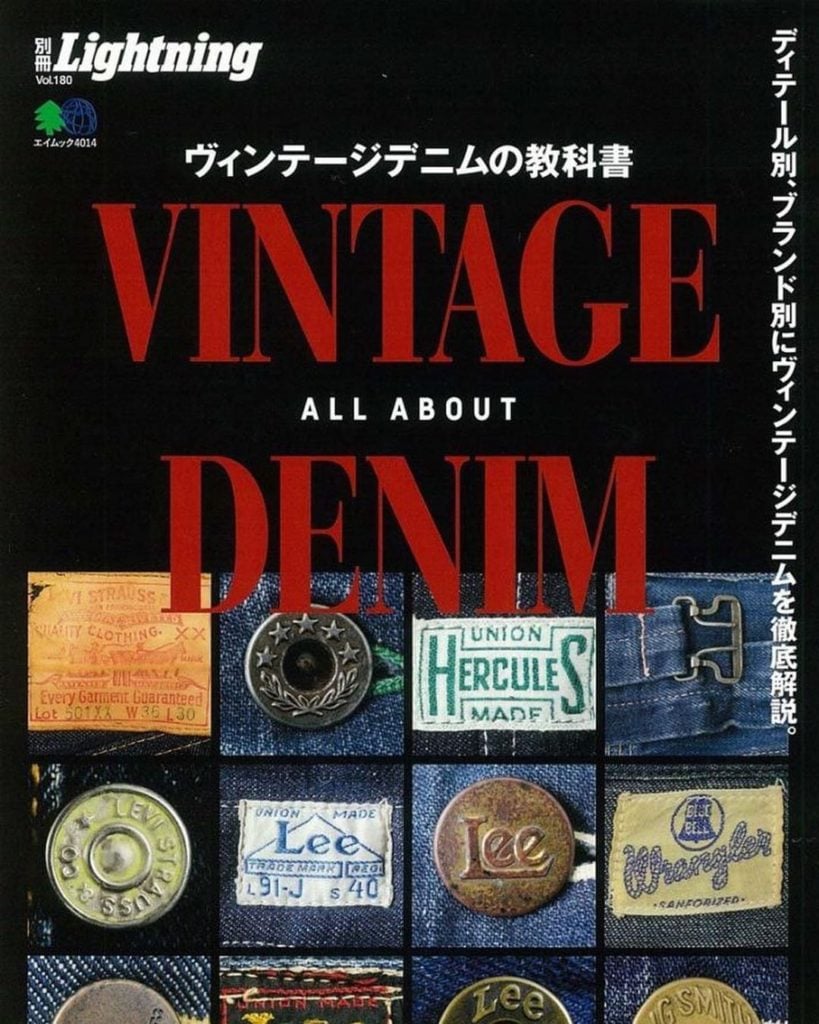
Magazines like Made in U.S.A. and later Free & Easy and Lightning published entire articles and special editions detailing the history of Levi’s, fabrics, fit and how to distinguish an original from a fake.
Between the 60s and the beginning of the 80s the Japanese were constantly travelling to the United States with the sole purpose of buying all the Levi’s that remained closed in the warehouses or that many collectors sold. In Japan the supply could not cover the demand even with imports so they started to produce them, also because of their gradual loss of quality. In fact during the 80s Levi’s jeans changed substantially: mass-produced on bullet looms, the fabrics no longer seemed as well made and dyed as the vintage pieces and many of the details such as belt loops or hidden rivets, had almost disappeared.

The difficulty in finding vintage models and the progressive loss of quality led the Japanese to decide to produce their own denim, The Osaka Five were born: Studio D’Artisan, Denime, Evisu, Fullcount and Warehouse, the five companies that began to produce denim of the highest quality with traditional techniques.
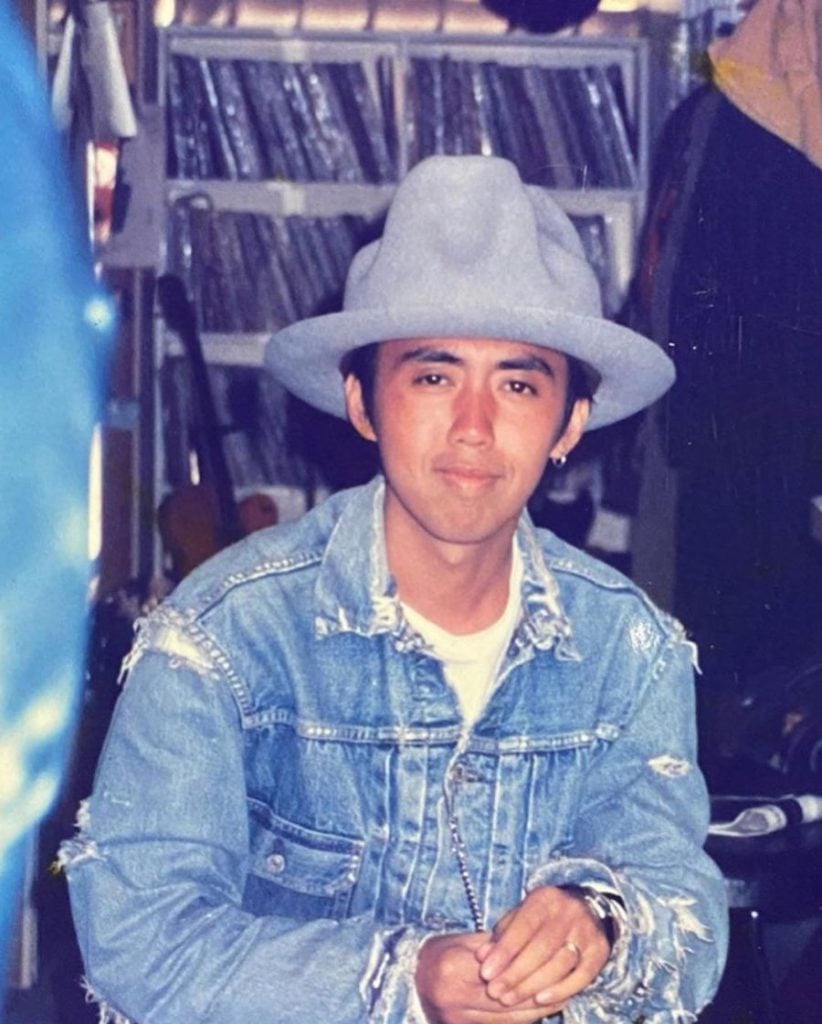
Throughout the 1990s, Japanese streetwear pioneers Hiroshi Fujiwara and NIGO repeated and continued their inordinate passion for vintage Levi’s by collecting an endless amount of real museum pieces that will be the inspiration for their future creations.

Levi’s Japan would then collaborate with Fujiwara and fragment design as well as with Futura and Junya Watanabe.

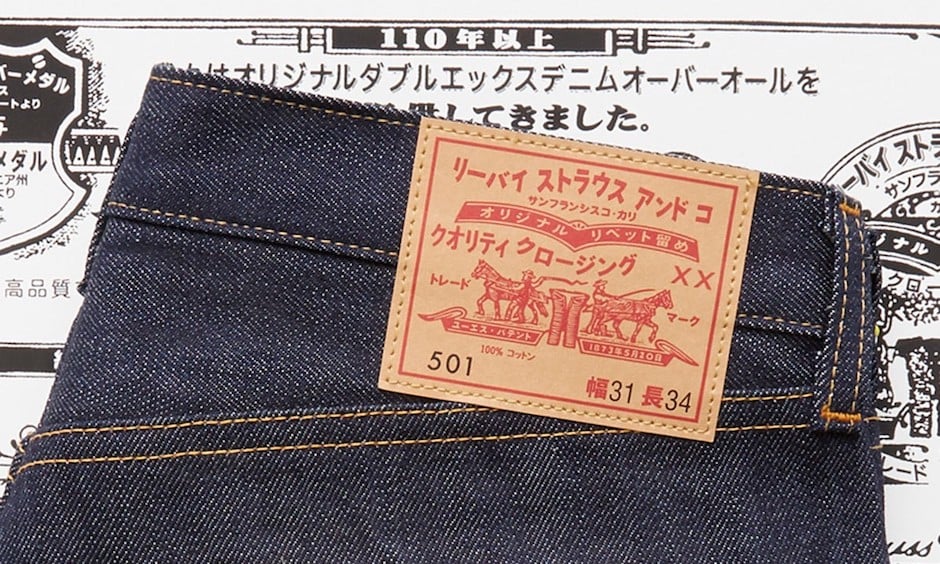
The latest example, in chronological order, of Levi’s legacy in Japan is the reinterpretation of the Californian company’s most classic 501. Revisited and called “Harajuku” they immediately became a collector’s item that best represents the link between Levi’s and the land of the Rising Sun.