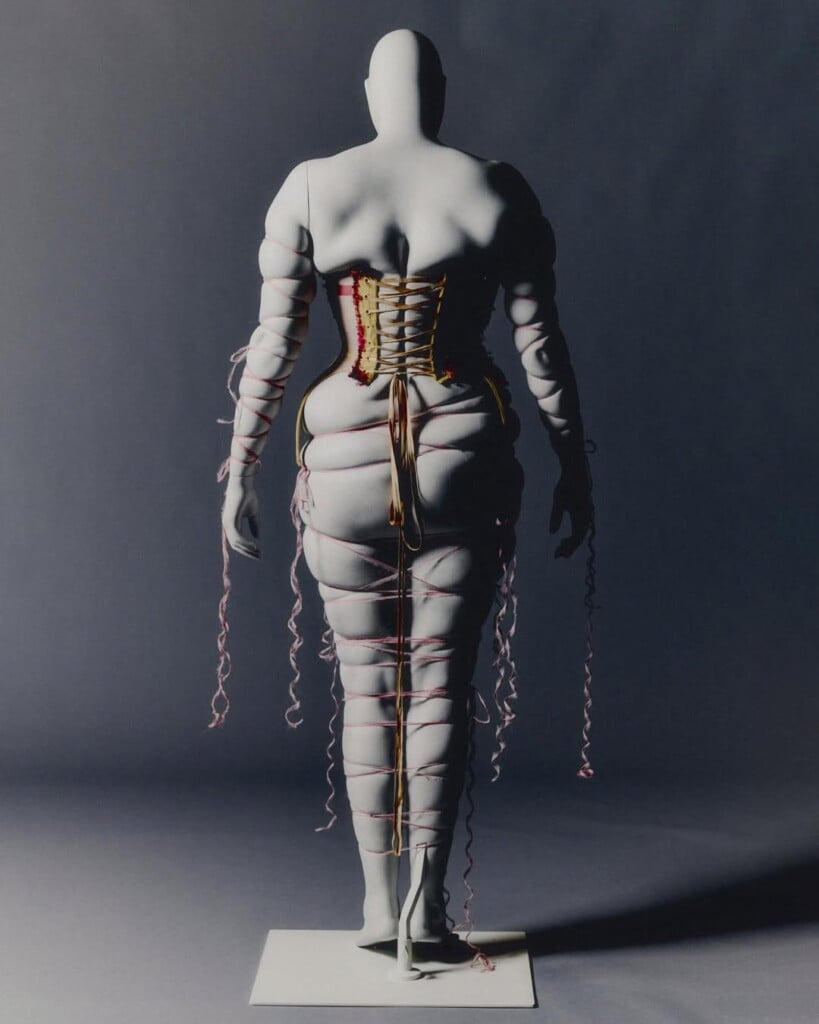
The Met Gala 2026, which took place last night alongside the opening of the Costume Institute exhibition, brings the body back to the center of fashion. In New York, the Metropolitan Museum of Art presents Fashion is Art, an exhibition exploring the relationship between art and fashion starting from the people who actually wear the clothes. Curated by Andrew Bolton, the project introduces nine new figures created together with artists Frank Benson and Samar Hejazi, mannequins based on real bodies differing in identity, shape, and condition — designed to move beyond traditional standards. The goal is simple: to present a fashion closer to reality and open the conversation to a broader and more inclusive representation of the body.
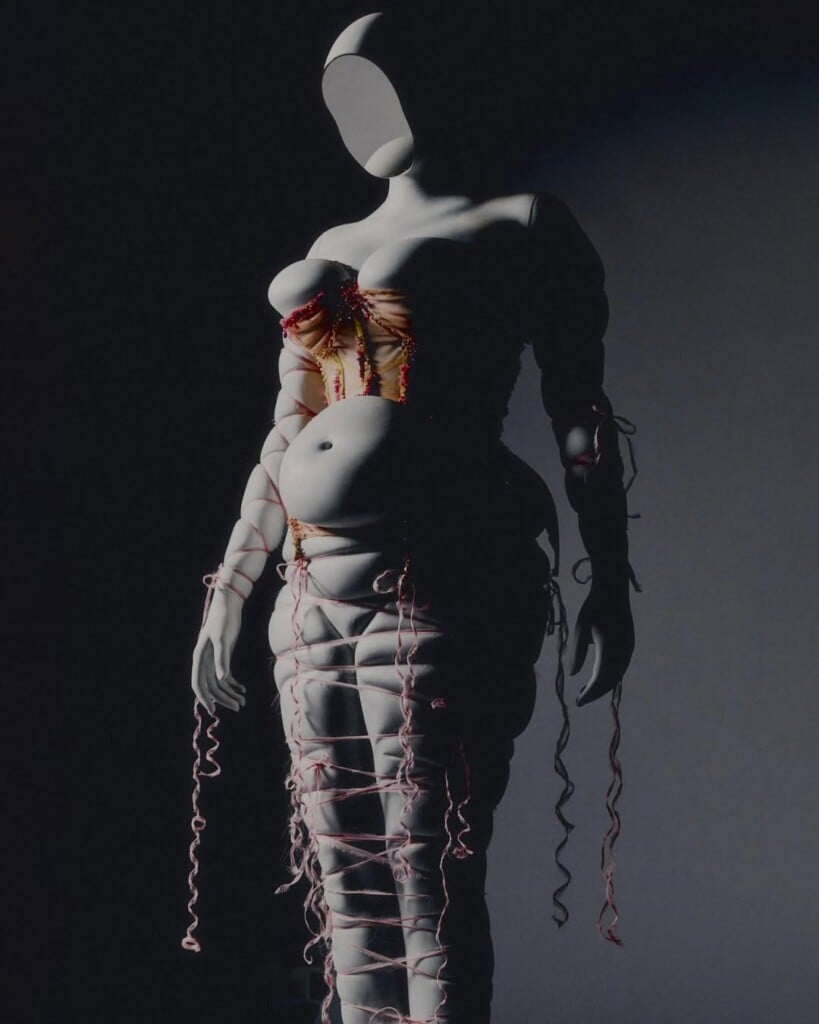
The exhibition creates a new dialogue between fashion and art that no longer relies on validation, but on lived experience. It is not about proving that fashion can be art, but about observing how both exist through the body. That is where meaning comes alive: in the act of dressing, in the relationship between form and identity, in the presence of the person inhabiting a garment.
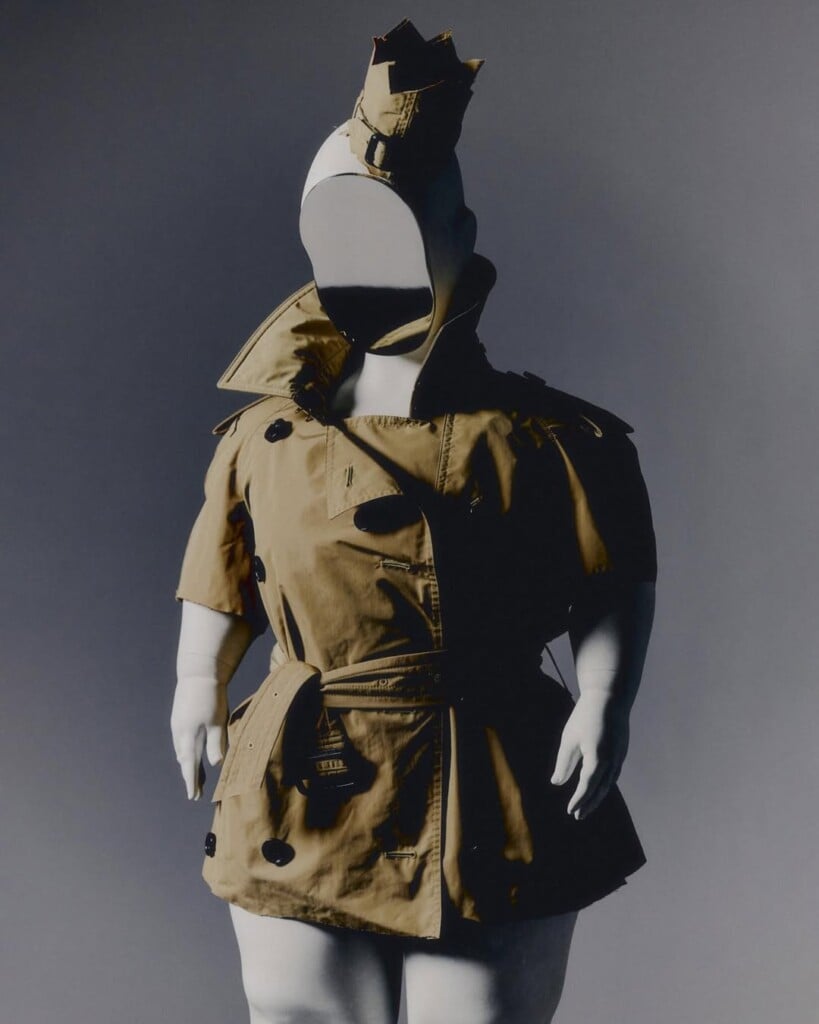
At the heart of the project is a clear statement: shifting the focus from an idealized body to a plurality of real bodies. No longer standardized silhouettes, but figures that rarely find space in fashion exhibitions — disabled bodies, trans bodies, pregnant bodies, bodies that escape codified sizing and proportions. Not as exceptions, but as an integral part of the narrative.
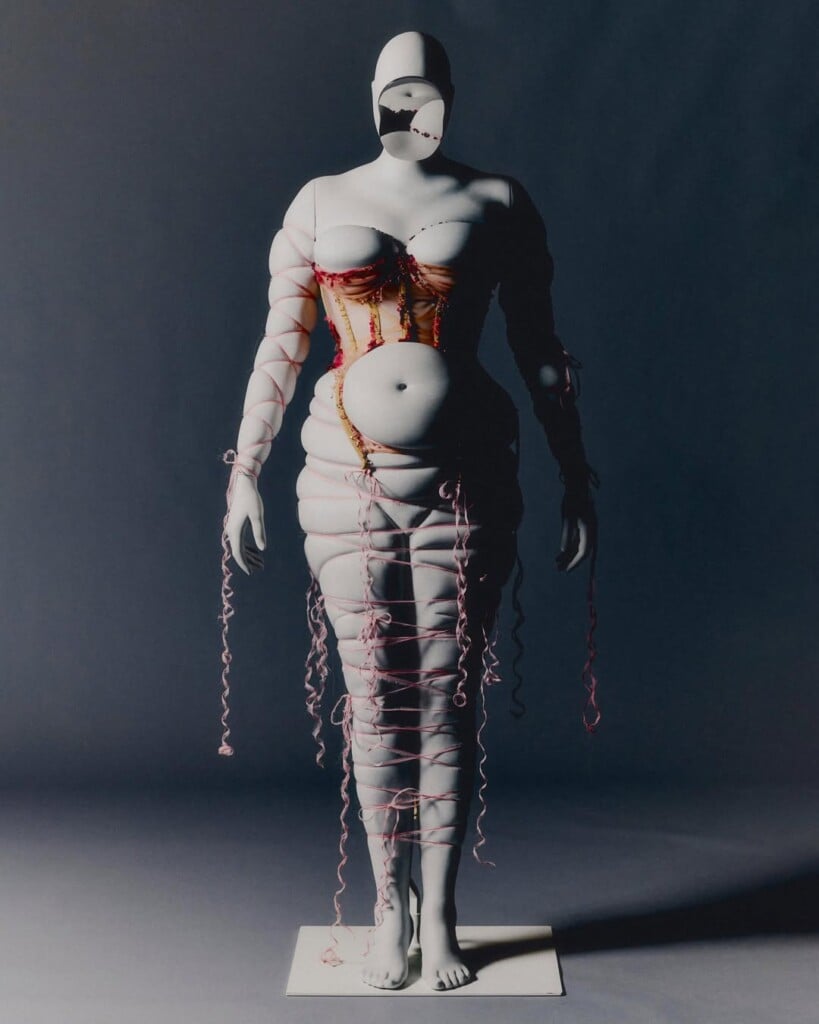
This shift in perspective is directly reflected in the way the garments are displayed. Mannequins, traditionally neutral and invisible, become central elements. Each figure originates from a 3D scan of real people such as Michaela Stark and Sinead Burke, later transformed into sculptural forms. As Frank Benson explained on his Instagram profile, the work involves a meticulous rendering of every detail of the body, from folds to surfaces — a process that reaches its most meaningful moment when these forms come to life once dressed in the original garments.
Further complicating the visual experience are elements that directly involve the viewer. Some faces are replaced with mirrored surfaces created through the work of Samar Hejazi, turning the audience into part of the installation. Looking is no longer a passive act: it means entering into a relationship, confronting what stands before you, recognizing or questioning your own perspective.
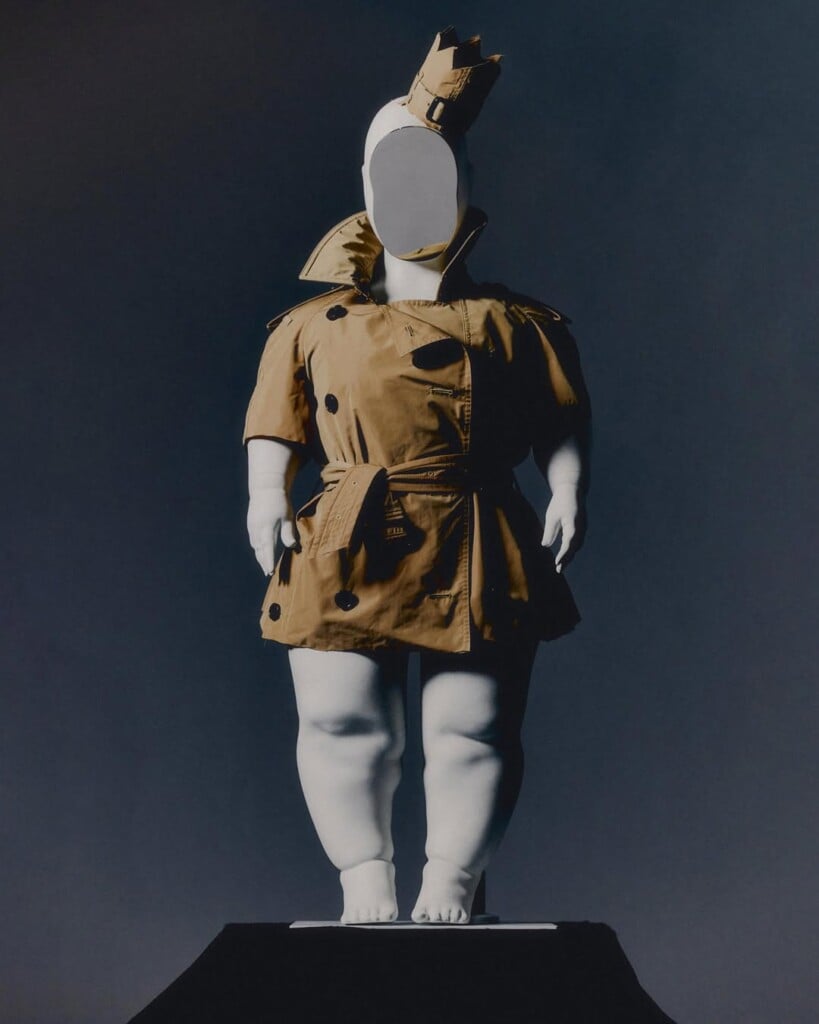
This is where the exhibition finds its most compelling tension. It does not offer a comforting representation of diversity, but instead opens up a space for discussion. How is empathy built through an exposed body? How does a garment change meaning depending on who wears it? And above all: is it really possible to dismantle the idea of a “non-ideal” body, or do we simply risk creating a new version of it?
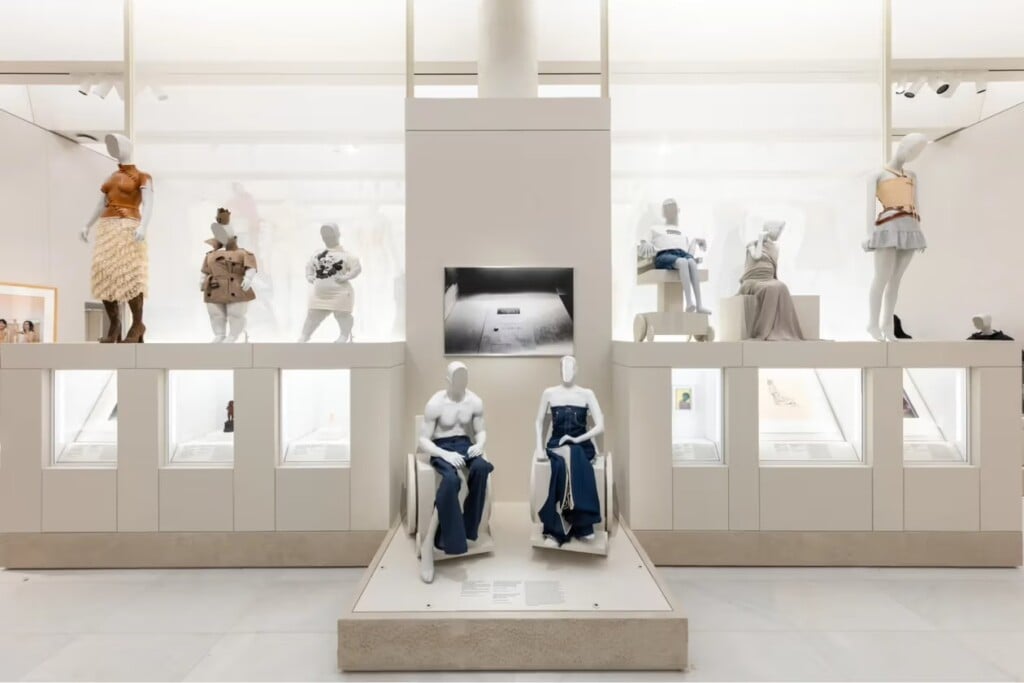
In doing so, the Costume Institute continues a path already begun in previous years, but pushes it to a more structural level. It is no longer just about including new names or new aesthetics, but about rethinking the very system through which fashion is displayed and narrated. The body is no longer a support, but a critical device. For this reason, the mannequins created for the occasion will not remain an isolated experiment. They will become part of the permanent collection, marking a shift that looks toward the future. The aim is not to close the conversation, but to expand it, continuing to include forms, identities, and narratives that until recently remained at the margins.