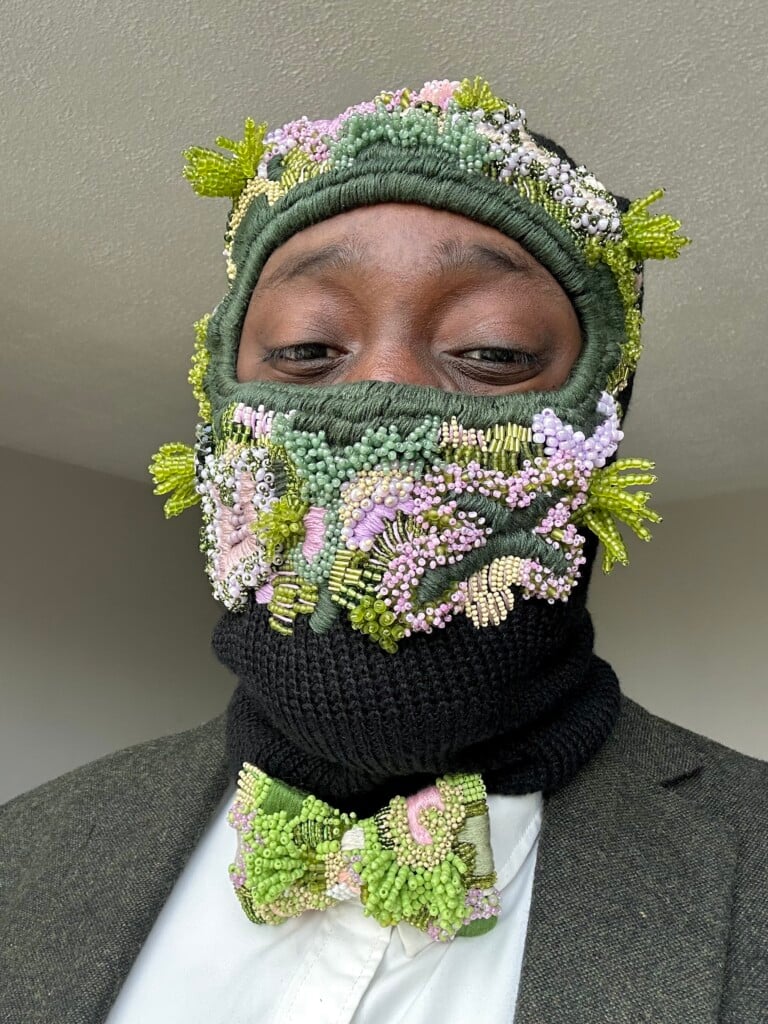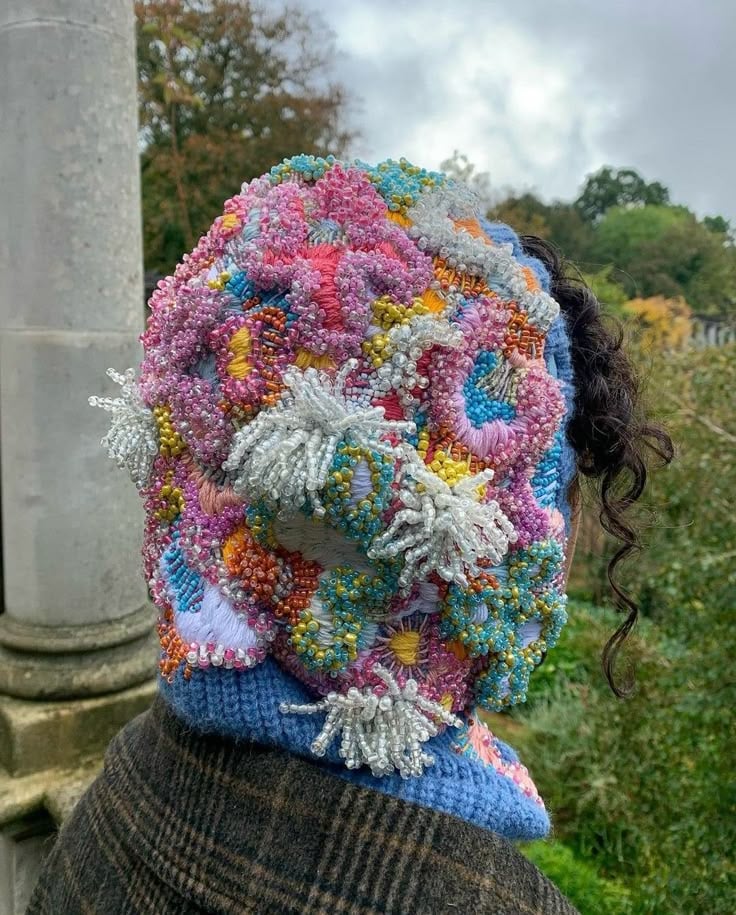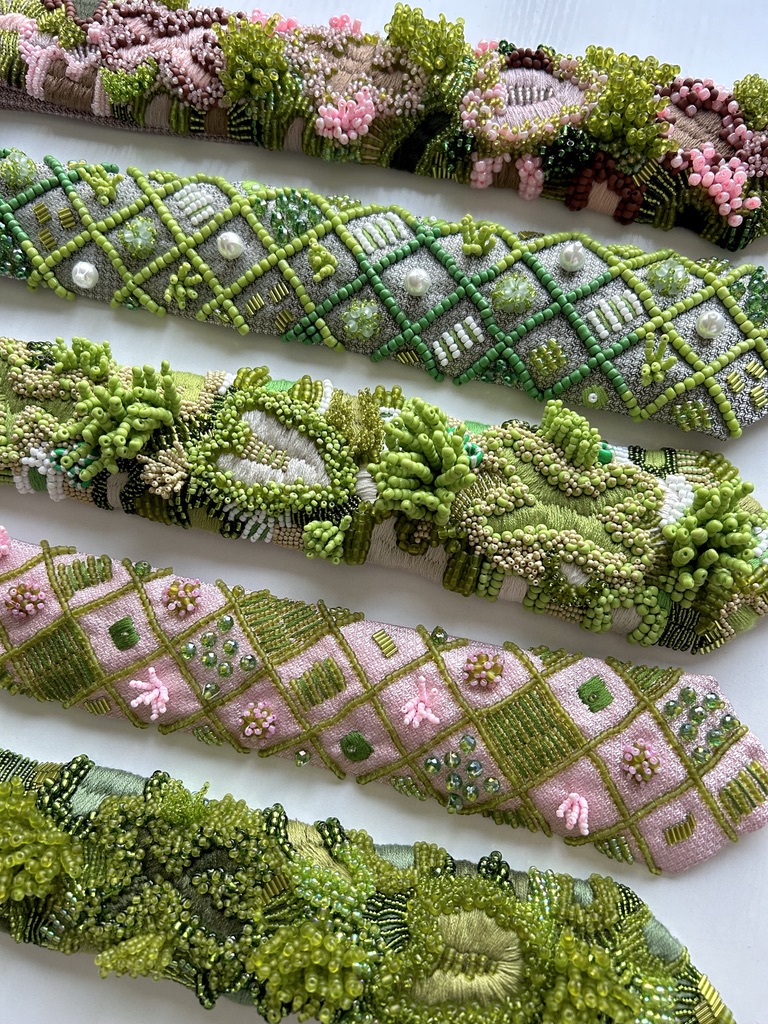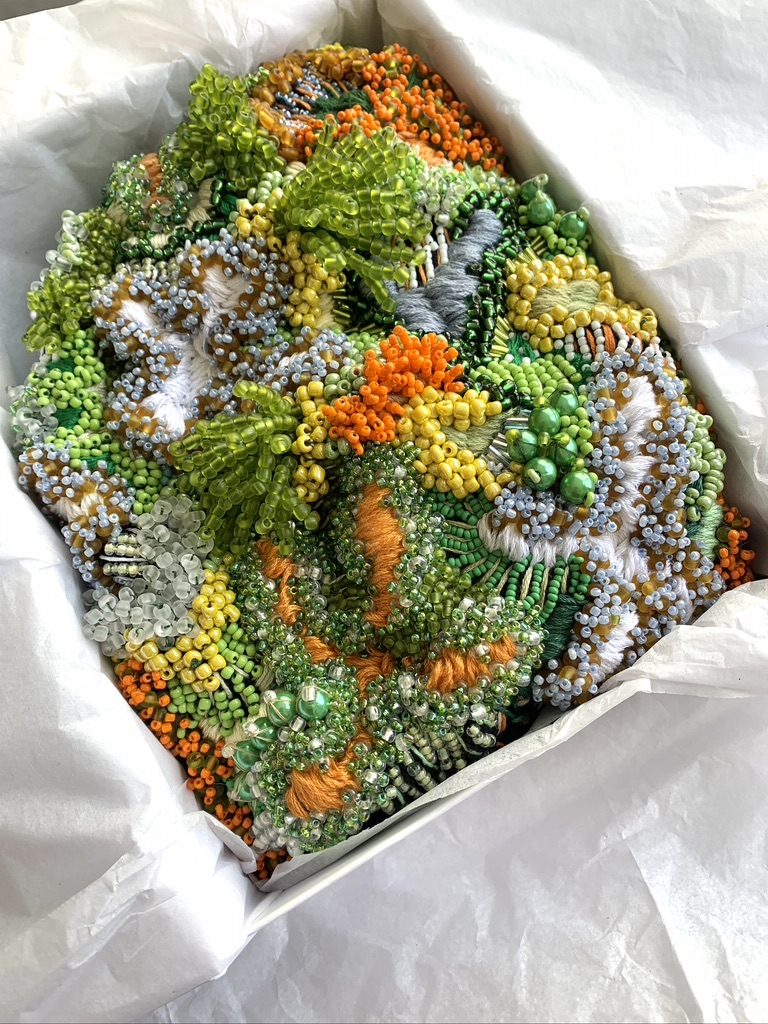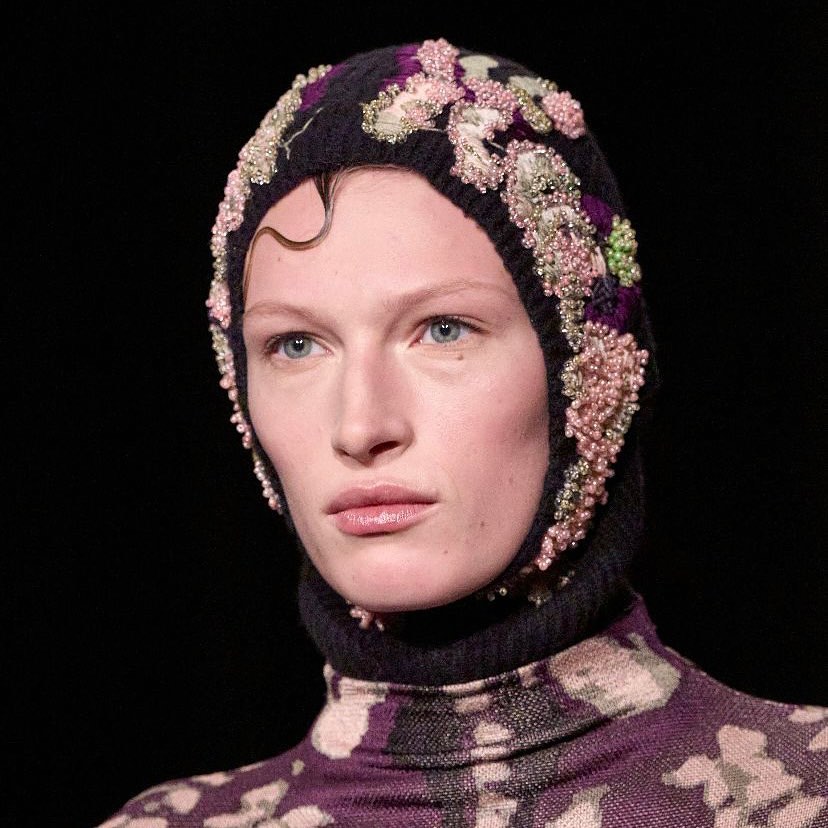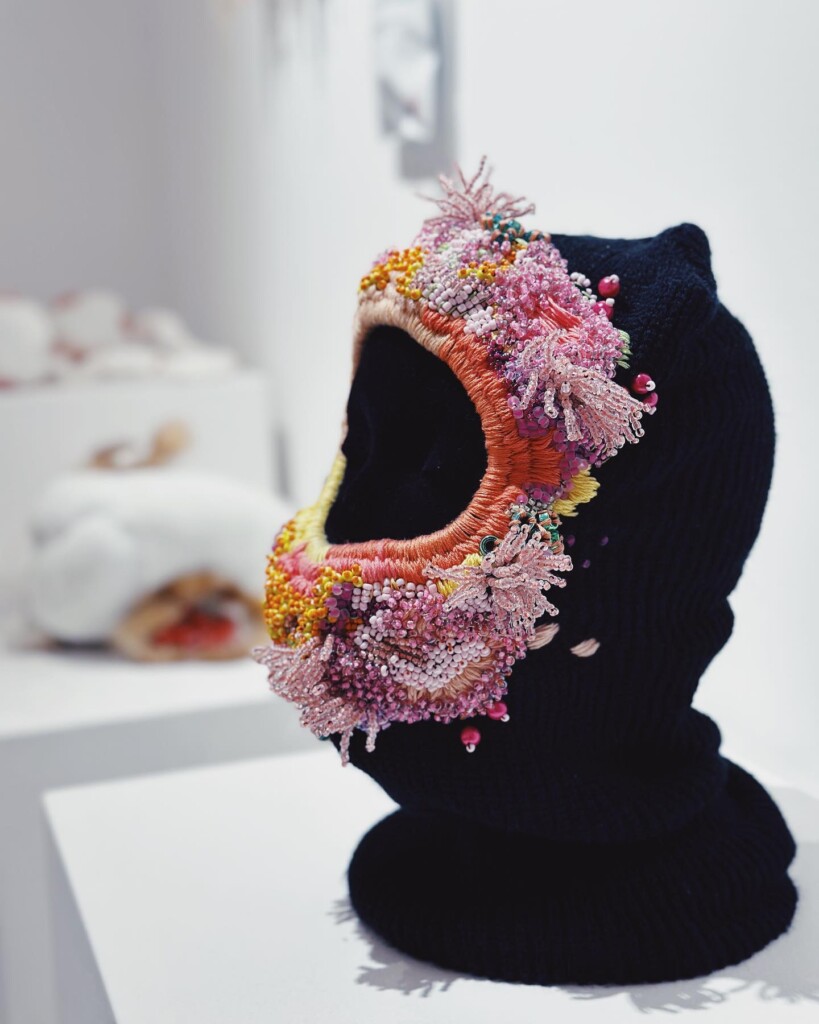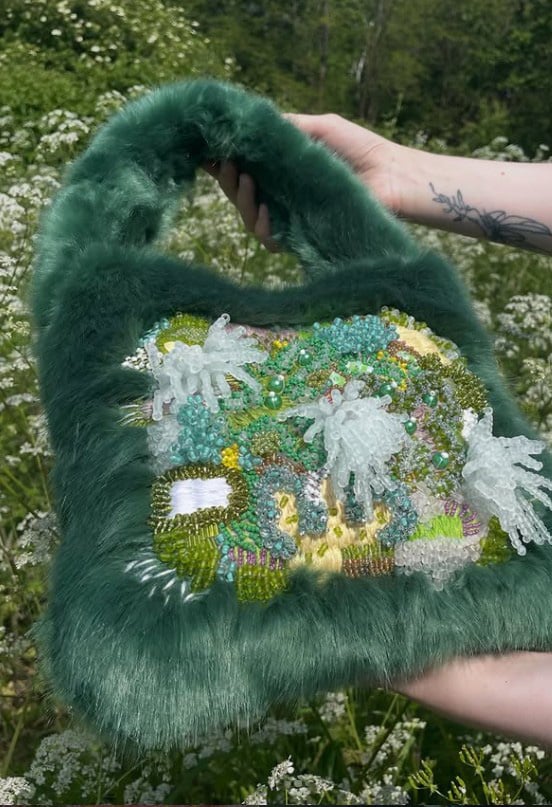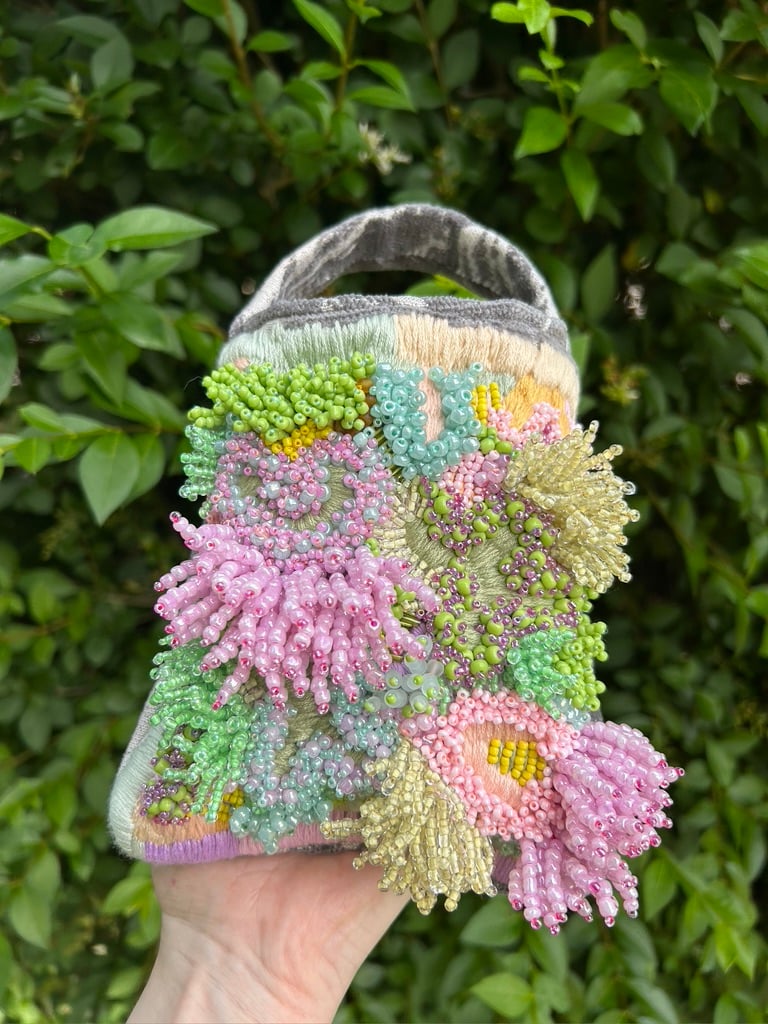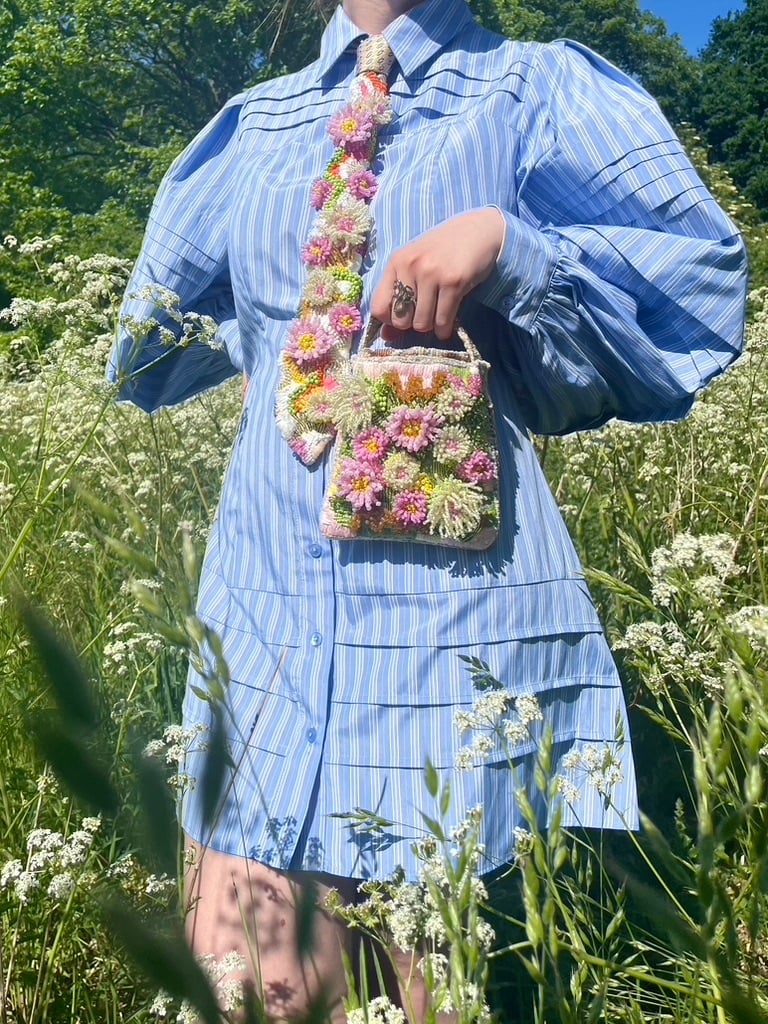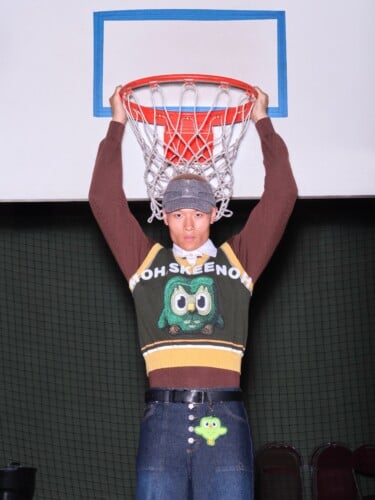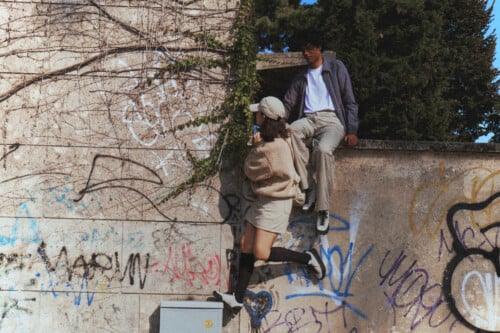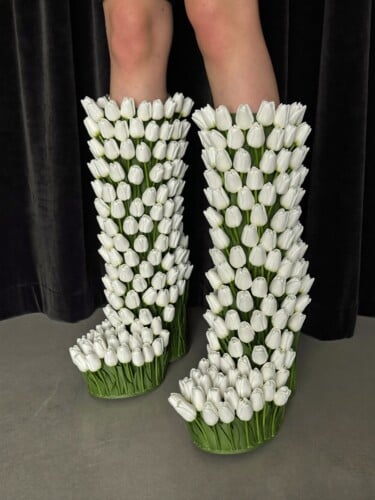
At a time when speed dominates production and uniformity seems to have conquered even luxury, Mila Textiles moves in the opposite direction. Founded in 2022 by Kamila and TJ in the United Kingdom, the project was built around a simple but radical idea: to restore hand embroidery to its role as a genuine artistic practice, capable of turning a garment into a one-of-a-kind piece.
Every intervention is made entirely by hand, and each piece exists as a single, unrepeatable example. This isn’t customization in the most common sense of the word, but rather a creative process in which needle and thread take the place of the brush, giving shape to surfaces that tell a different story from the one held by the fabric on which they come to life. Embroidery is no longer a decorative detail, but becomes structure, narrative and identity.
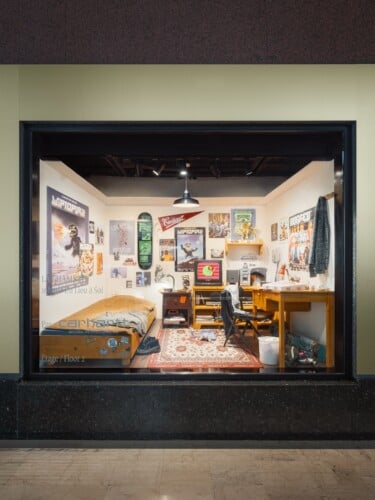
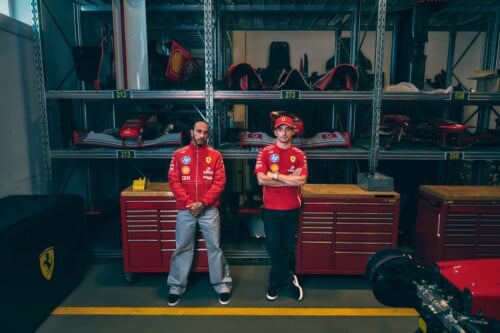
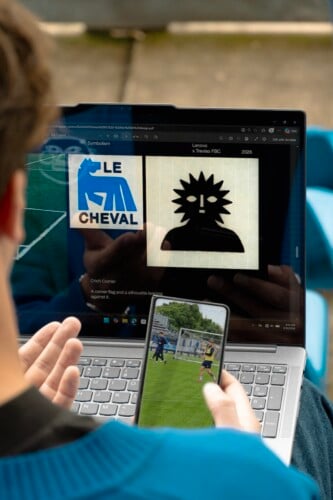
It’s precisely this research that has caught the attention of some of the most influential names on the international scene. Over the years Mila Textiles has collaborated with Nike By You, Jimmy Choo, Converse alongside Schuh, Vans with Size?, Free People and L.L.Bean, as well as taking part in New York Fashion Week and exhibiting its work at the Museum of Museums in Seattle. These collaborations aren’t simple commercial operations, but the recognition of a craft language capable of engaging with very different worlds without losing its own authenticity.
What sets their work apart is the ability to reconcile a contemporary aesthetic with ancient knowledge: every composition is born from hours of patient work, in which texture, colour and relief are built stitch by stitch, with no industrial shortcuts. Their products carry a value that no automated process can replicate, one that gives every creation an almost tactile presence.
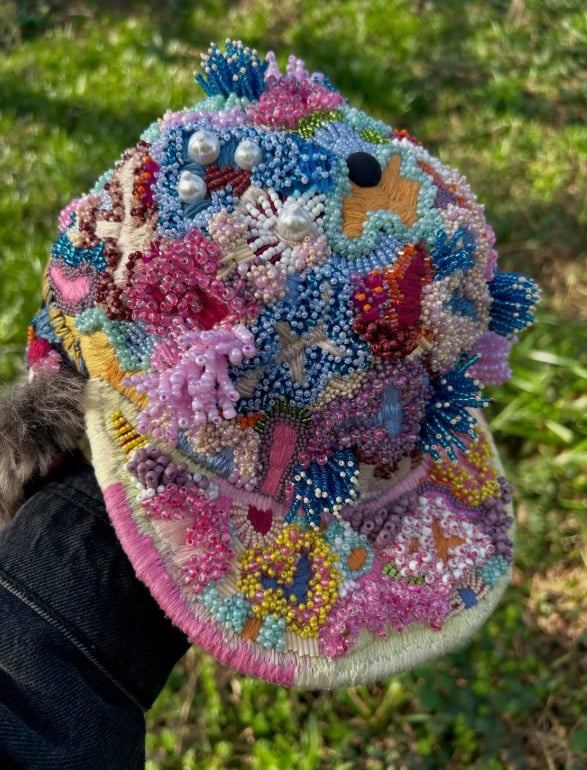
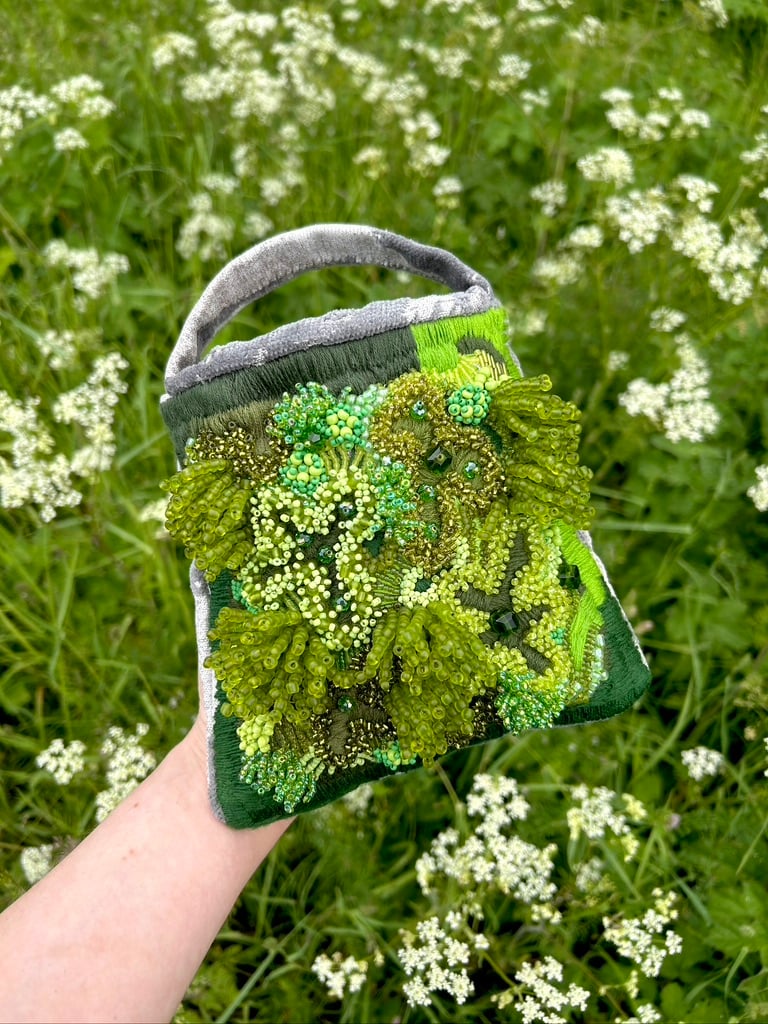
Mila Textiles builds objects meant to last, in which the hand-made gesture becomes an integral part of the design. It’s an approach that brings attention back to the very meaning of craftsmanship: manual work as a form of innovation born from slowness, precision and the desire to give value back to the work of hands.
In an industry often oriented toward repetition and mass production, Mila Textiles shows that true originality doesn’t lie in chasing novelty, but in rediscovering traditional techniques with a deeply contemporary eye. This is probably why the brand continues to draw interest: it doesn’t follow trends, it moves through them with a language that belongs to it alone.