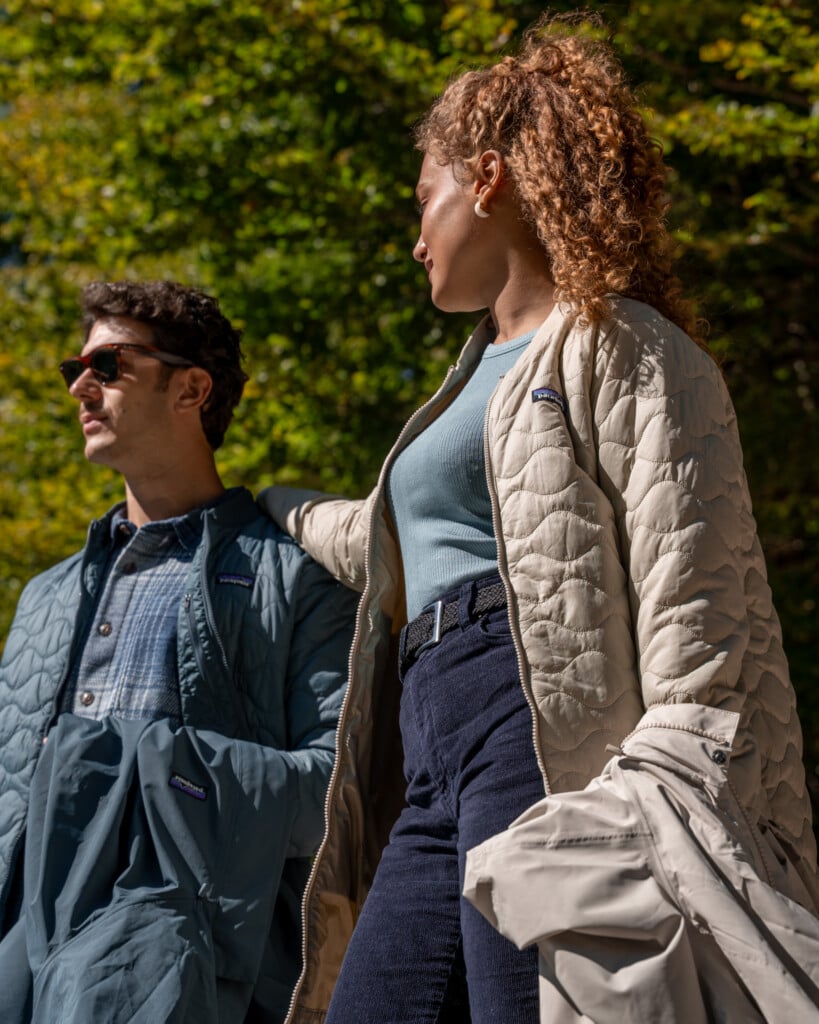
In the world of outdoor clothing, materials research is what allows a garment to make a difference without making it obvious. This idea is the starting point of the collaboration between Patagonia and Thermore for the Heyes Peak collection, which features Thermore® EVOdown® insulation, made from 100% recycled fibers from post-consumer PET bottles. A project that focuses on the relationship between technical performance, comfort and choice of materials, starting from what often remains hidden inside a jacket.
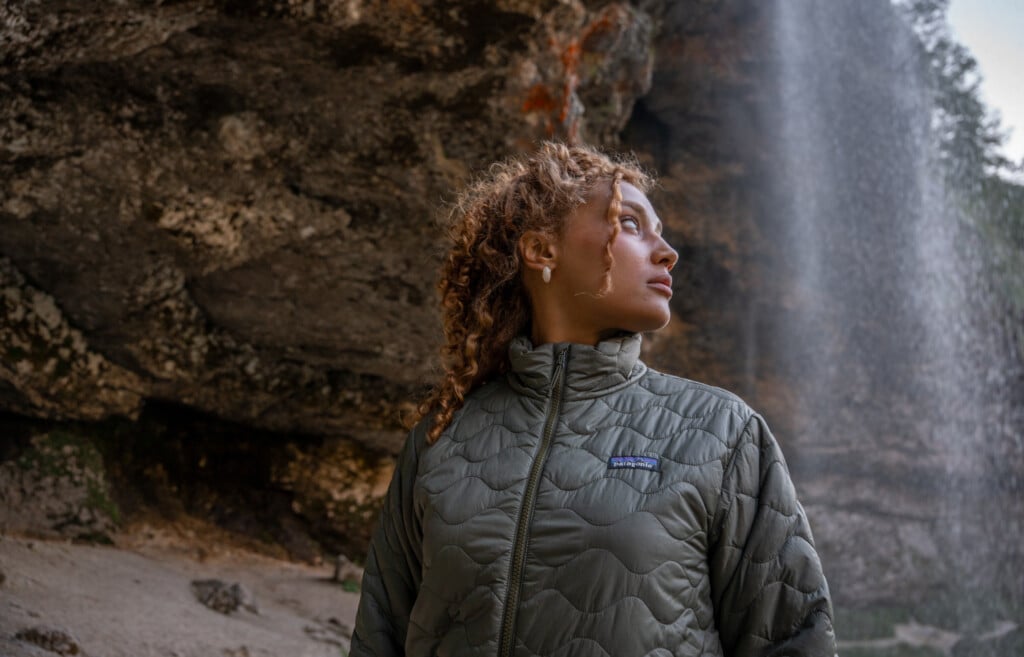
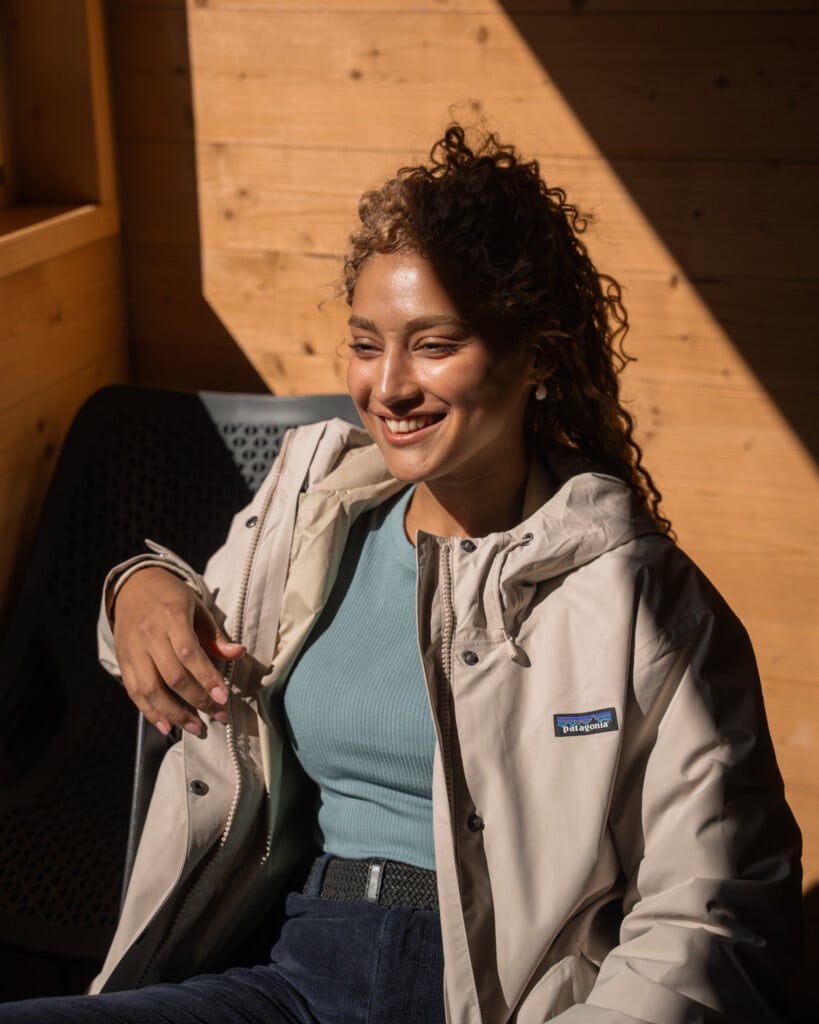
The partnership brings together two approaches that, in the world of outdoor clothing, start from the same need: designing garments able to handle changing conditions without adding complexity, weight or superfluous materials. The result is a collection designed above all for transitional seasons, when getting dressed often means finding a balance between protection, freedom of movement and the ability to layer.
The most interesting feature of Thermore® EVOdown® is precisely the one you can’t see. The insulation is made from 100% recycled fibers from post-consumer PET bottles and is designed to offer a soft feel and consistent warmth, while keeping bulk to a minimum.
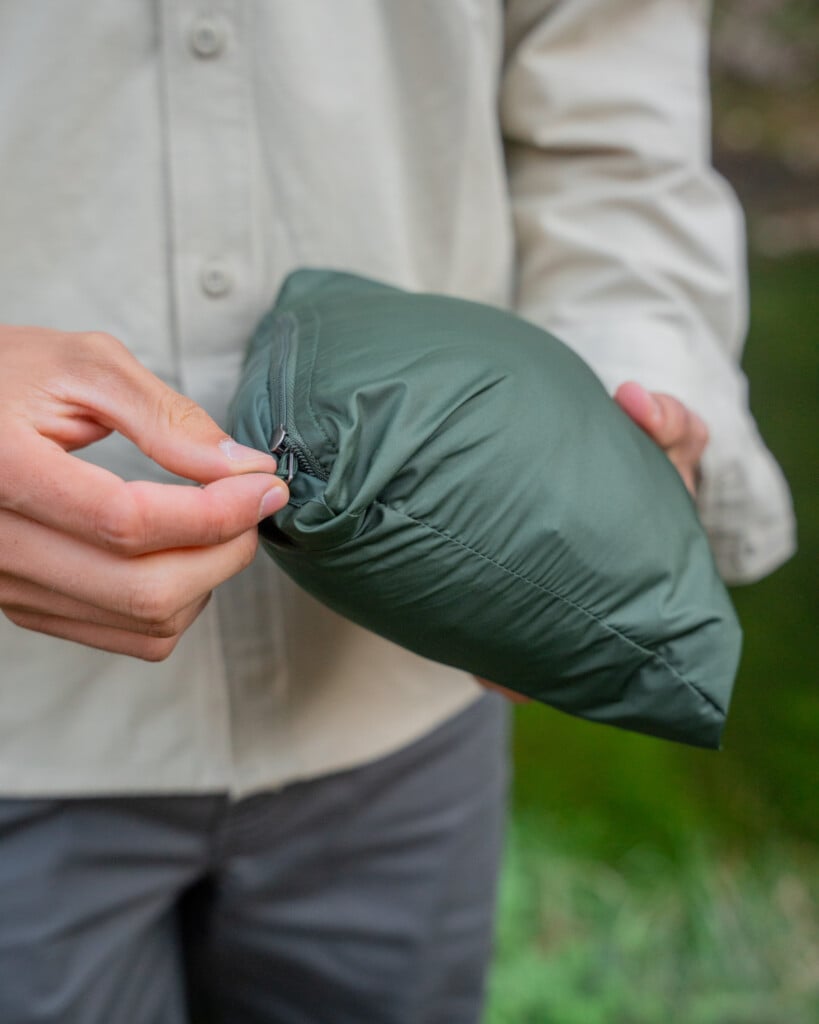
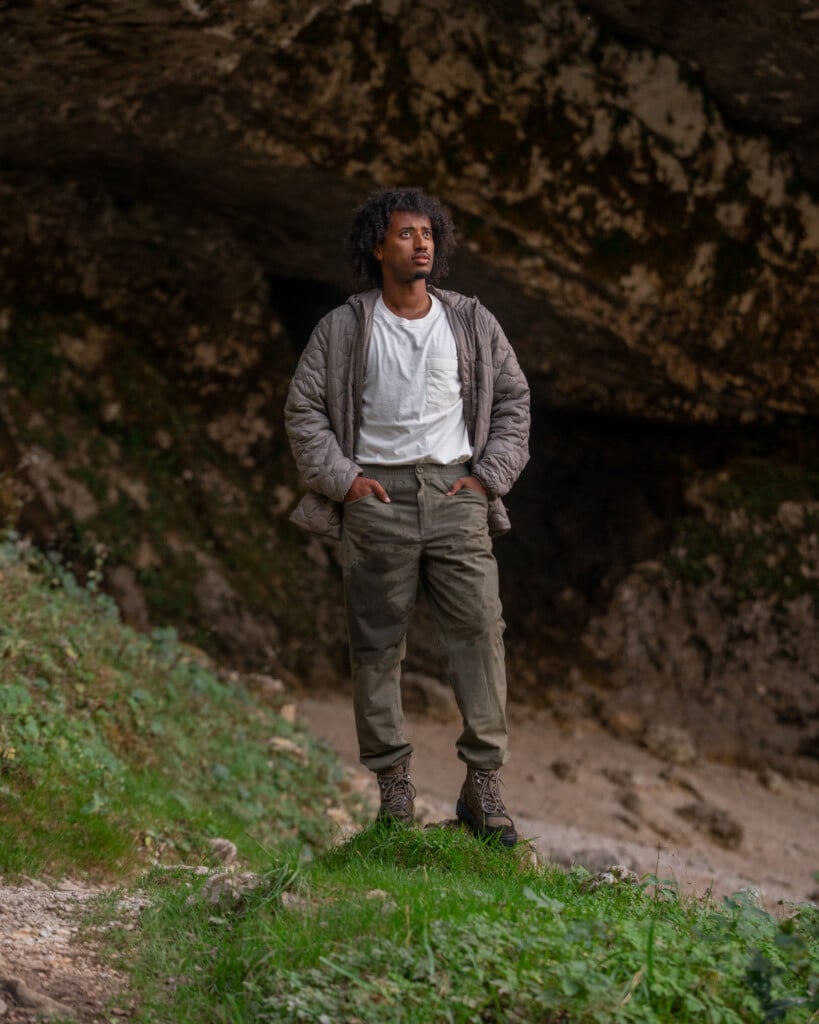
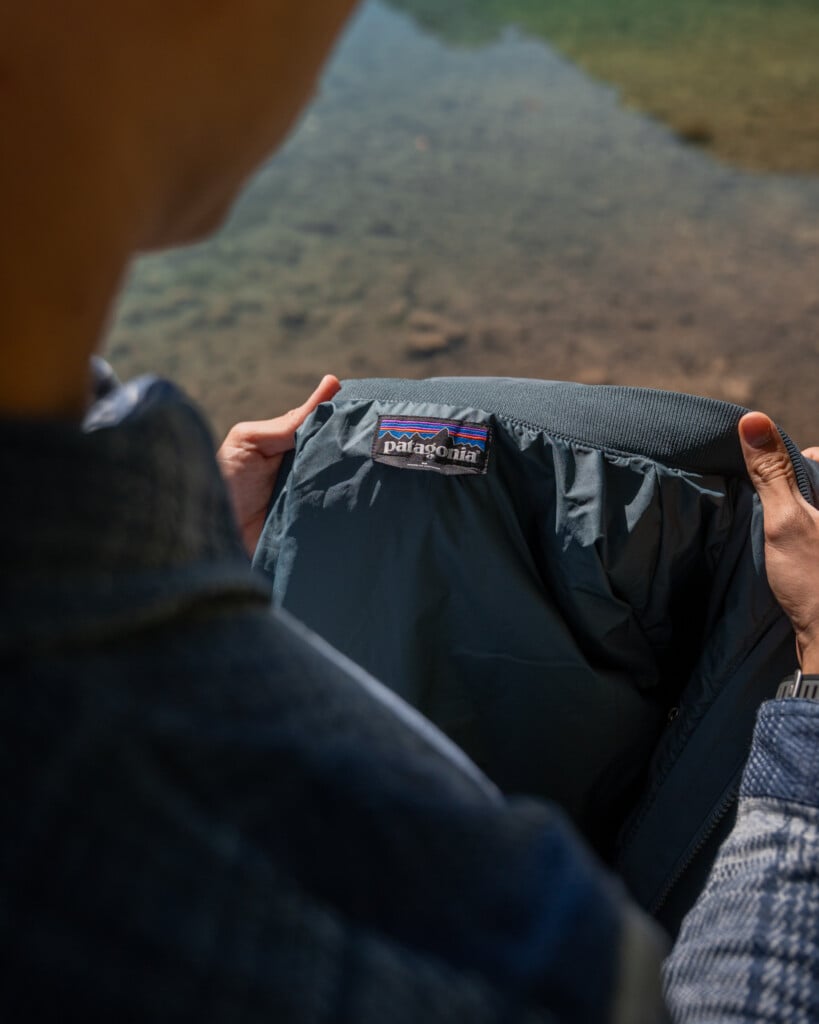
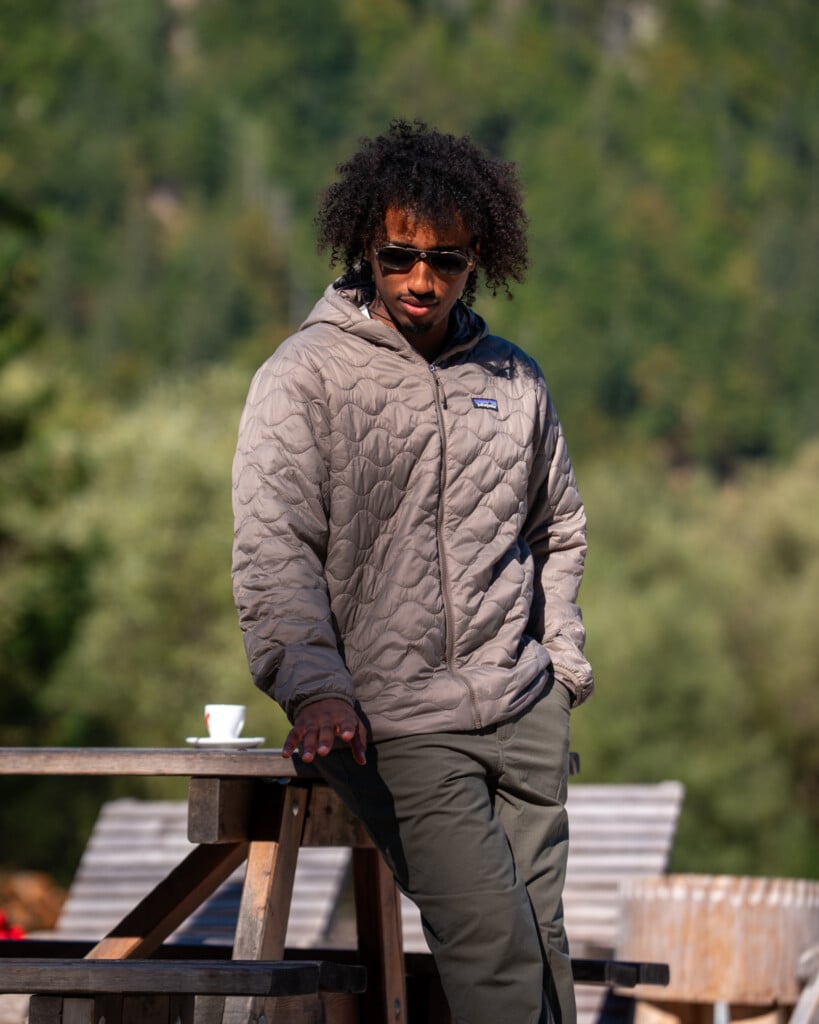
It is a solution particularly suited to the logic of the Heyes Peak collection: garments meant to be worn in everyday life, when the weather can change within a few hours and the ability to add or remove a layer becomes an integral part of how you dress. The collection includes five men’s and women’s models, including a jacket, a parka, a hooded jacket and a 3-in-1 parka. The latter is the model currently available in Italy, in both men’s and women’s versions, and it features Thermore technology in the inner jacket.
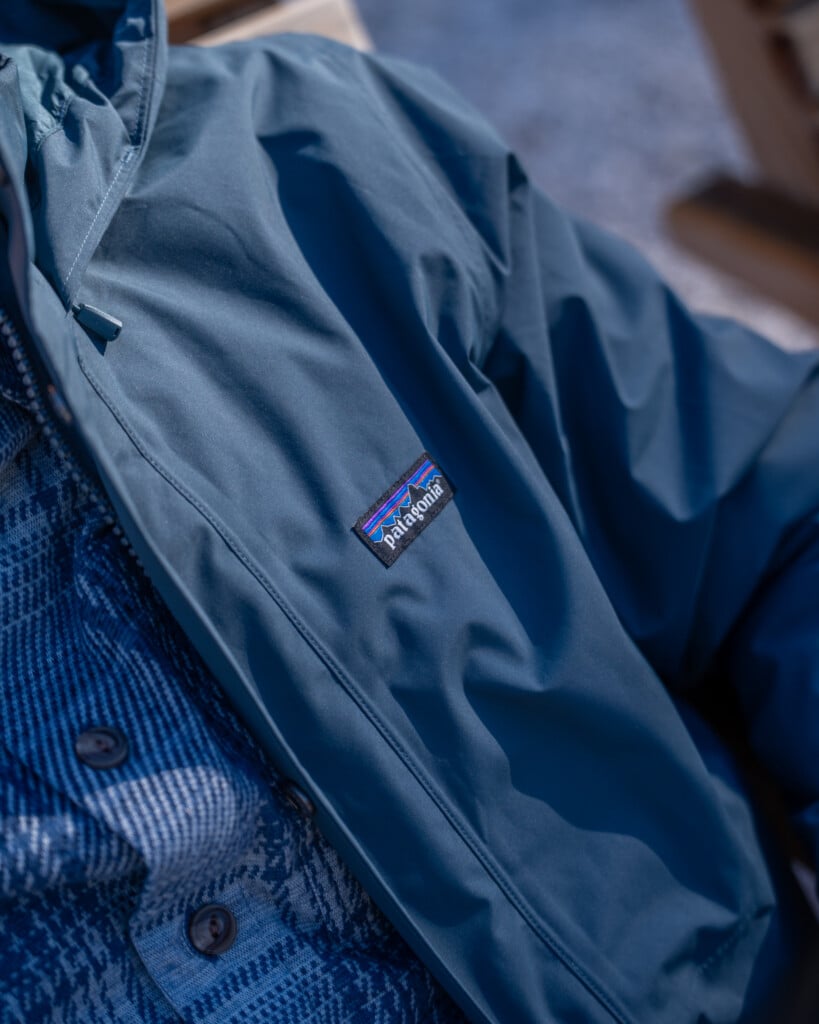
In the Heyes Peak model, the insulation is not treated as an isolated element, but is part of a broader system of materials. The jacket uses an outer fabric of NetPlus® ripstop nylon, made from 100% post-consumer recycled material from recovered fishing nets. The 1.2 oz, 20-denier ripstop is also treated with a DWR finish made without intentionally added PFAS. Inside, meanwhile, EVOdown® takes care of the thermal component.
It is precisely this combination that makes the project interesting: the research does not focus on a single detail, but tries to work on the different layers that make up a garment. Outer fabric, insulation and treatment are conceived as parts of the same system. Production follows the same approach: the collection’s models are made in a Fair Trade Certified™ facility.

The use of recycled fibers is not entirely new for Thermore. The company, based in Milan, has been working for years on developing thermal insulation made from recycled materials, and identifies the use of fibers from post-consumer PET bottles as one of the central points of its research.
In the case of EVOdown®, the recycled material is turned into an insulation that tries to preserve some of the qualities associated with down, especially softness and comfort, through a synthetic solution that is easier to manage and designed to maintain its performance over time.
The collaboration with Patagonia brings this research into a collection built around versatility. It is therefore not just a matter of adding recycled insulation to a jacket, but of getting different materials to work together to respond to a concrete situation: that of everyday clothing able to adapt to the weather without sacrificing comfort.

“The best materials are those that help us meet our customers’ needs while reducing our environmental impact,” said Mark Little, Senior Business Unit Director – Lifestyle Essentials & Graphics at Patagonia, stressing how EVOdown® allowed the brand to bring warmth, softness and durability into the collection.
The technology remains largely hidden; it is not the spectacular detail that defines the garment, but what happens when all the elements work together. The insulation has to warm, the fabric has to protect, the construction has to allow movement and the jacket has to adapt to different conditions. The fact that part of this research comes from recycled materials means the project tries to shift the question from simple performance to the origin of what makes that performance possible.