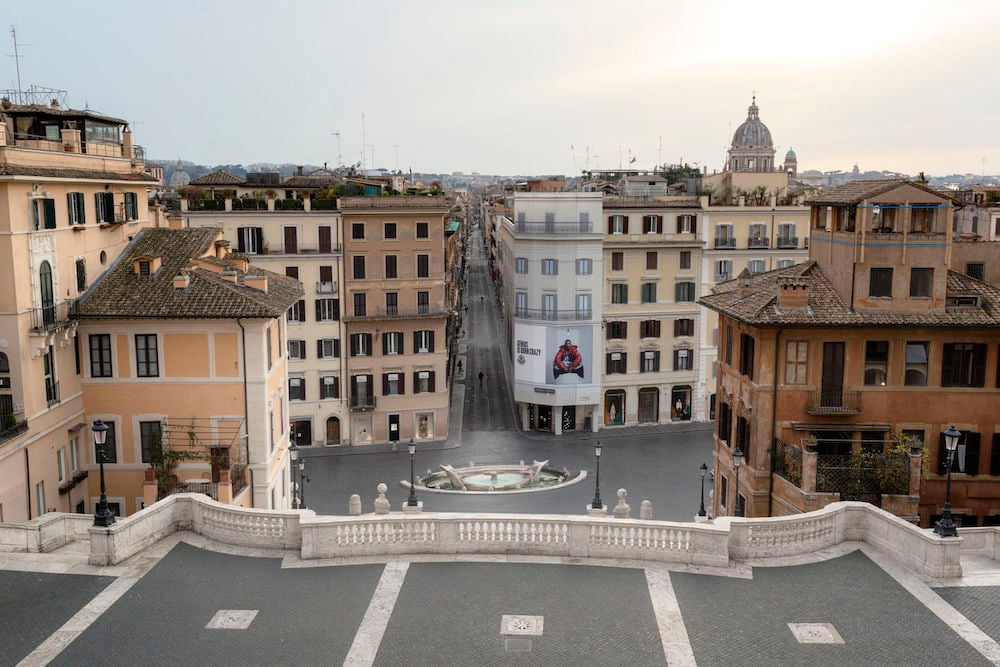
From Paris to New York, via Munich, Los Angeles, Hong Kong, Beijing, Milan, and New Delhi, the New York Times‘ “The great empty”, a new project recounts the lockdown caused by Covid-19.
More and more countries are forced to adopt more or less severe exit restrictions to fight the pandemic. While countries like Italy have adopted total containment rules, other countries have so far “simply” closed a multitude of housing areas. The whole world experiences an unreal atmosphere, public places are abandoned by people and supermarkets are stormed.
The New York Times presents his project at its best: “This current vacuum is a health necessity. It can make you think of dystopia, not progress. But in the end, it also confirms that, by listening to the experts and staying at home, we have not lost our ability to unite for the collective good. These images haunt and will haunt you, they look like apocalyptic films, but in a certain sense they also convey a message of hope“.
The New York Times project contemplates the emptiness created by isolation in places that are usually crowded, chaotic, full of people, but now empty. A way to illustrate and remember the radical change in our habits in these times of global health crisis.
From tourist places to small typical restaurants, it is the absence of life that upsets these clichés, each one more suggestive than the other.
Shots that count the silence of many cities, with the hope that we can return as quickly as possible to everyday life.