Throughout the history of photography, many great photographers have chosen to turn the lens toward themselves, using self-portraiture as a tool for personal research and visual experimentation. Far from simple self-representation, the self-portrait becomes a conscious gesture: a way to question identity, the author’s role, and the relationship between reality and the construction of the image. From Man Ray to Vivian Maier, from Francesca Woodman to Cindy Sherman, and on to Nan Goldin, Mapplethorpe, Helmut Newton, and Robert Capa, these images reveal not only who the photographers were, but also how they chose to present—or conceal—themselves through the photographic language.
Man Ray
For Man Ray, the self-portrait is a field of conceptual experimentation. Rather than simply showing himself, the artist constructs ambiguous, ironic, or fragmented images in which the body becomes a surrealist object and identity dissolves among light, shadow, and photographic manipulation.

Vivian Maier
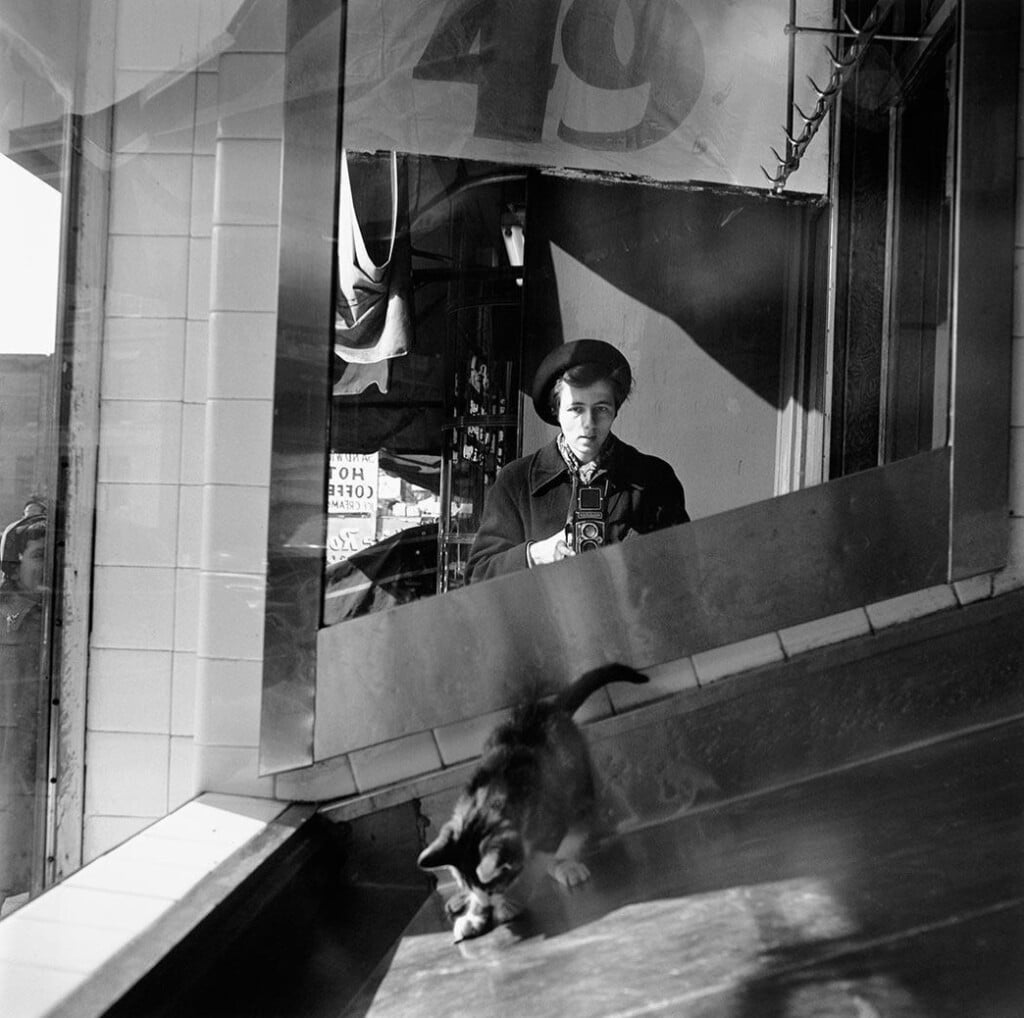
In Vivian Maier’s self-portraits, the subject is often hidden, reflected, or off-center. Mirrors, shop windows, and shadows become tools to assert a silent and discreet presence, in keeping with a photographic approach that observes the world without ever openly imposing itself.



Francesca Woodman
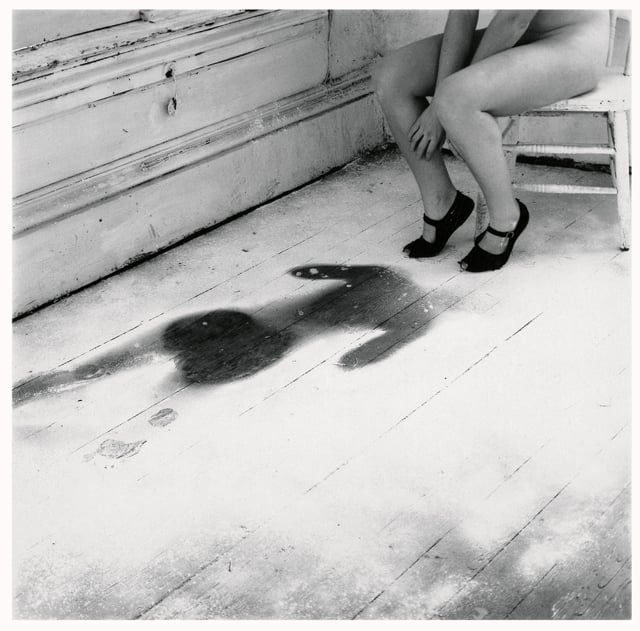
Self-portraiture lies at the heart of Francesca Woodman’s practice. The body appears fragile, blurred, and in transformation, often in dialogue with architectural space. Her images are intimate and poetic acts, where identity and disappearance coexist in a constant tension.



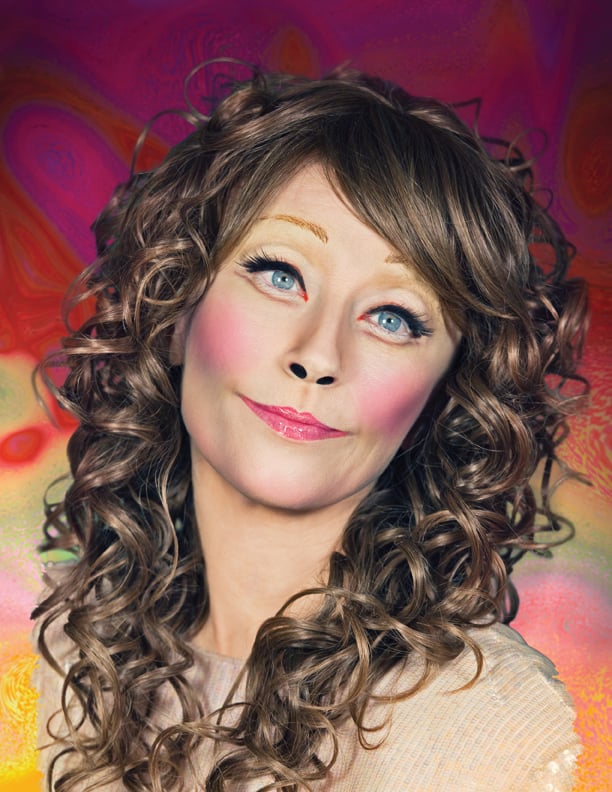
Cindy Sherman
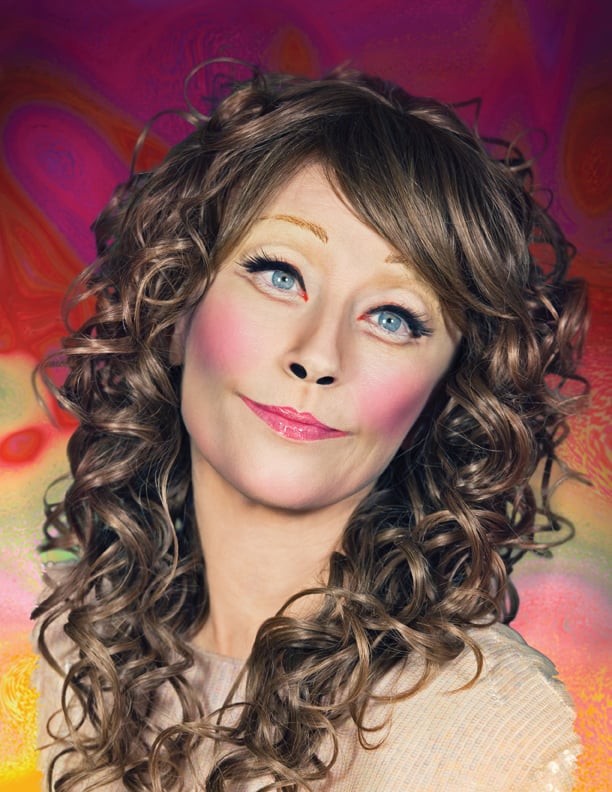
Cindy Sherman uses self-portraiture as performance. Through disguises, poses, and cultural references, the artist stages fictional identities, dismantling stereotypes and social roles. Her face becomes a battleground between construction, fiction, and visual critique.


Nan Goldin
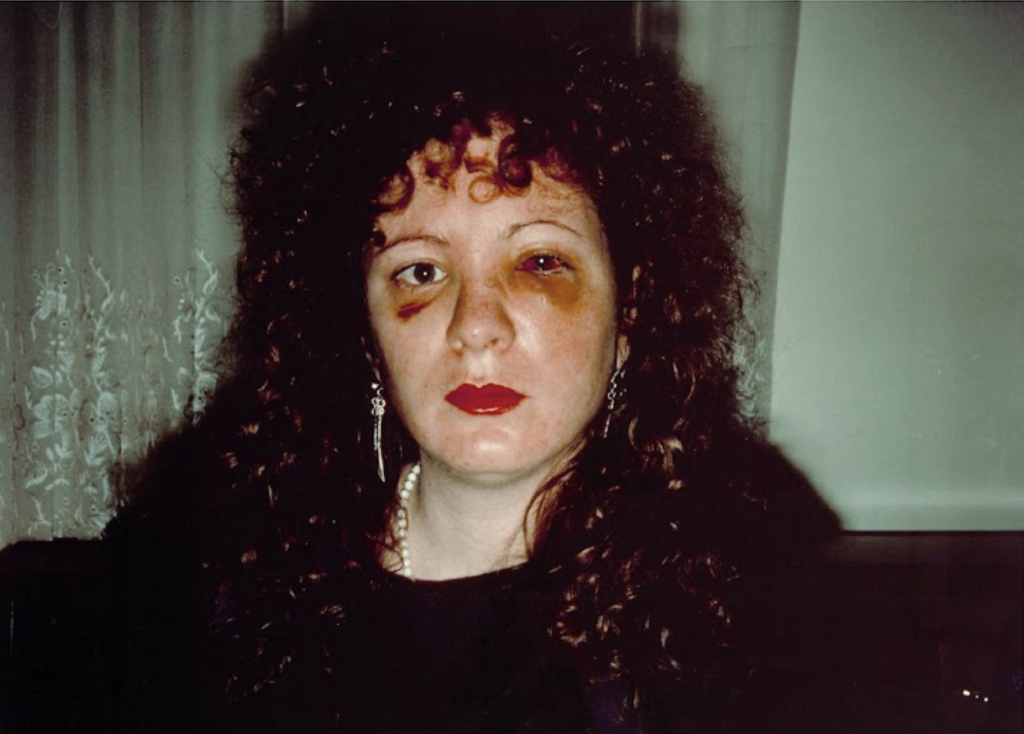
In Nan Goldin’s self-portraits, the boundary between life and photography is extremely thin. The images are direct and vulnerable, often marked by pain, addiction, and personal relationships. Self-portraiture becomes testimony, a visual diary, and an act of survival.
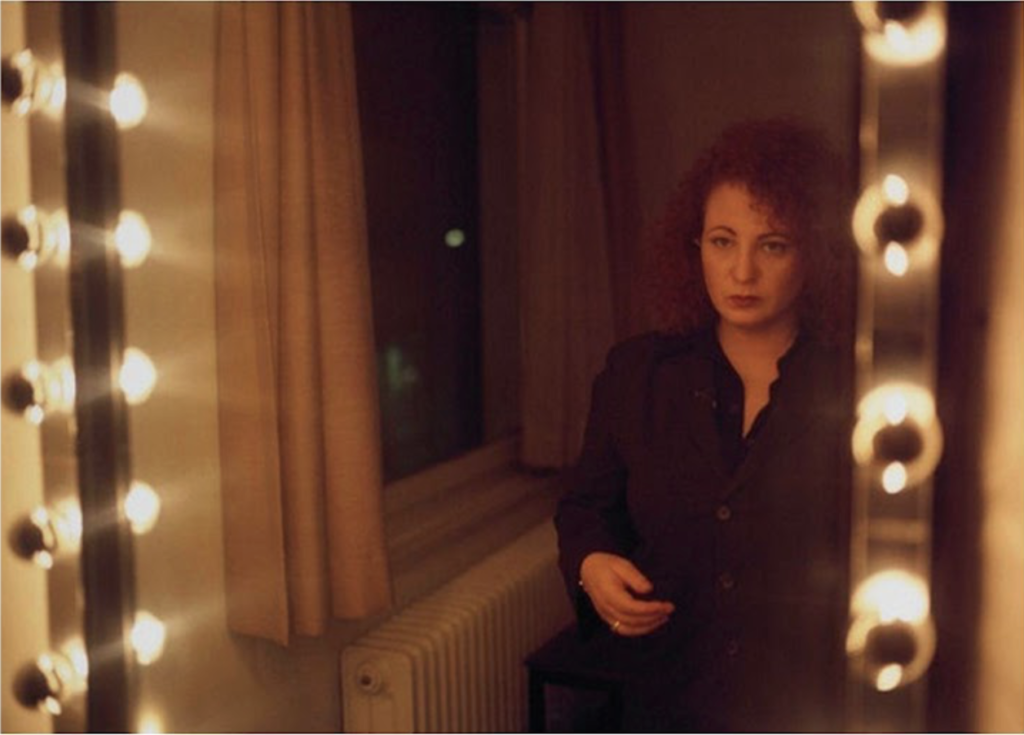
Robert Mapplethorpe
Mapplethorpe uses self-portraiture as an assertion of control and identity. The body is staged with formal rigor, elegance, and erotic tension. Each image is constructed with precision, transforming the self into a symbol, an icon, and an aesthetic statement.
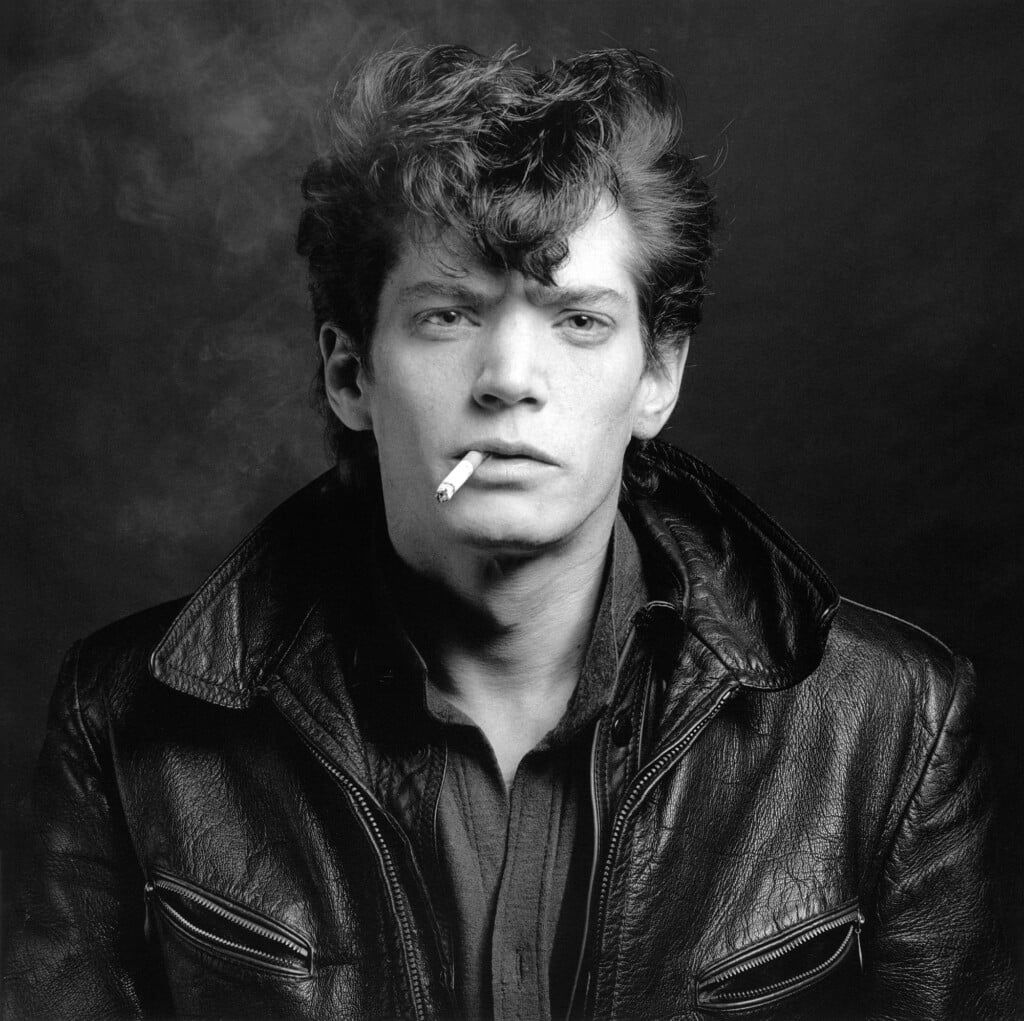

Helmut Newton
In Helmut Newton’s self-portraits, a keen awareness of his role as author emerges. Often inserted into carefully constructed scenes, the photographer reflects on the power of the gaze, on desire, and on the relationship between the one who photographs and the one who is photographed.
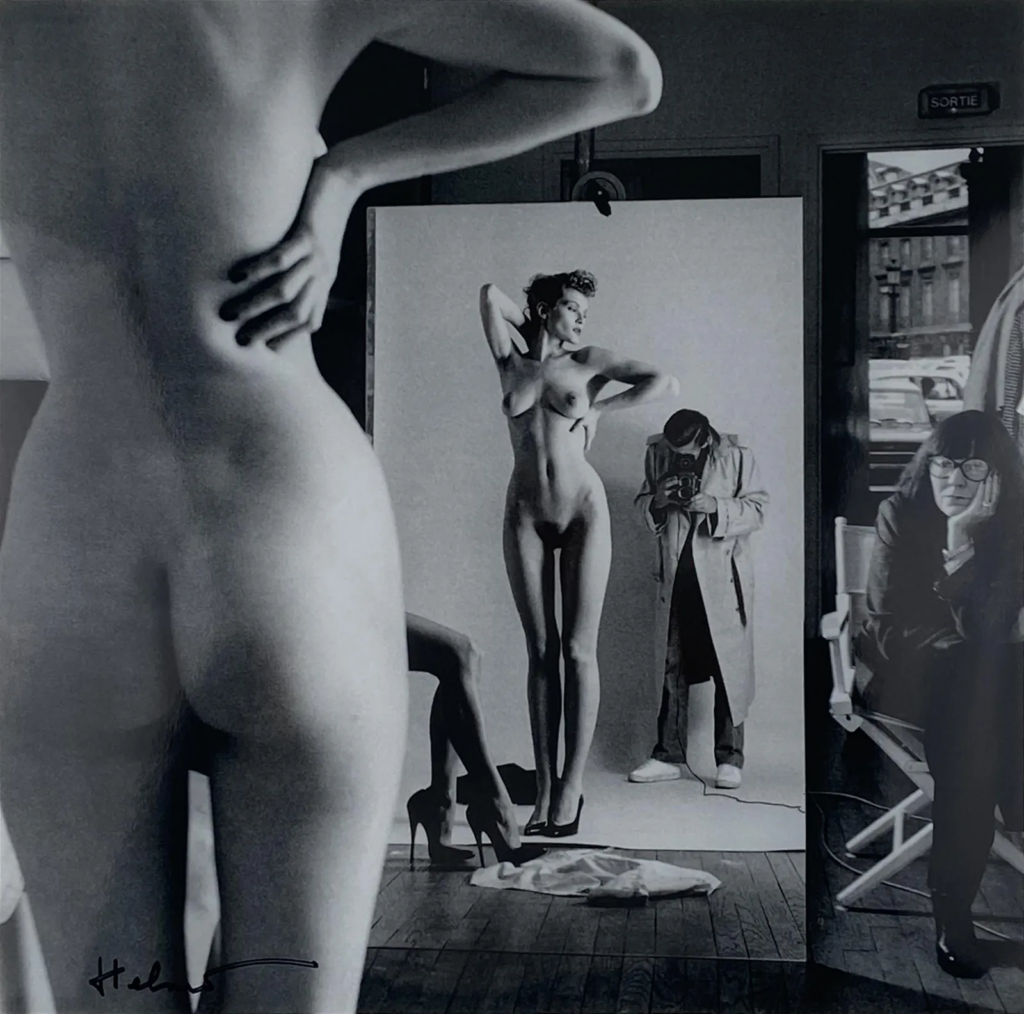

Robert Capa
Rare and significant, Robert Capa’s self-portraits depict the photographer as a witness rather than a protagonist. His presence is discreet, almost accidental, consistent with an approach to photography rooted in direct experience and human involvement in places of conflict.

Read also: Off Screen: when cinema meets photography