There is a moment in the year when Turin stops being just the city of cars and chocolate and becomes the global reference point for avant-pop music and contemporary culture. It is the weekend of C2C Festival, when 42,000 people converge from all over the world toward the reconverted industrial architectures of the Piedmontese capital, in a pilgrimage that, edition after edition, has taken on the contours of a collective ritual.

C2C Festival: The History of a Cultural Revolution
Twenty-three years is a long time for a music festival. Long enough to see entire musical movements born, develop, and disappear. Long enough to transform from an underground event into a recognized cultural institution. C2C Festival was born in the early 2000s thanks to Sergio Ricciardone, a visionary who believed in the possibility of bringing European club culture into Turin’s abandoned factories. At the time, Italy’s avant-pop music scene was fragmented between commercial nightclubs and small underground circles: what was missing was a bridge, a platform capable of elevating clubbing to a cultural phenomenon, acknowledging its artistic dignity and social transformative potential.
What Ricciardone built over more than twenty years was not “just” a music festival, but a true cultural movement. C2C Festival demonstrated that popular culture born in clubs could dialogue with contemporary art, with architecture, with critical thought. It changed the very perception of avant-pop music in Italy, bringing it out of basements and into museums, opera houses, and institutional spaces, without ever losing its experimental soul or its popular vocation.
The growth was exponential but never accidental. From its original nucleus of a few Turin clubs, the festival expanded to iconic locations such as Lingotto Fiere – temple of Italian industrial history where Agnelli tested cars on the roof – the OGR Torino – an extraordinary example of urban regeneration – and even the Teatro Regio, demonstrating how avant-pop music has earned a place in “high culture.” Today, 40% of the audience is international, representing 21 different nations: figures that speak of an attraction far beyond national borders.

The 2025 Edition: Looking to the Future While Honoring the Past
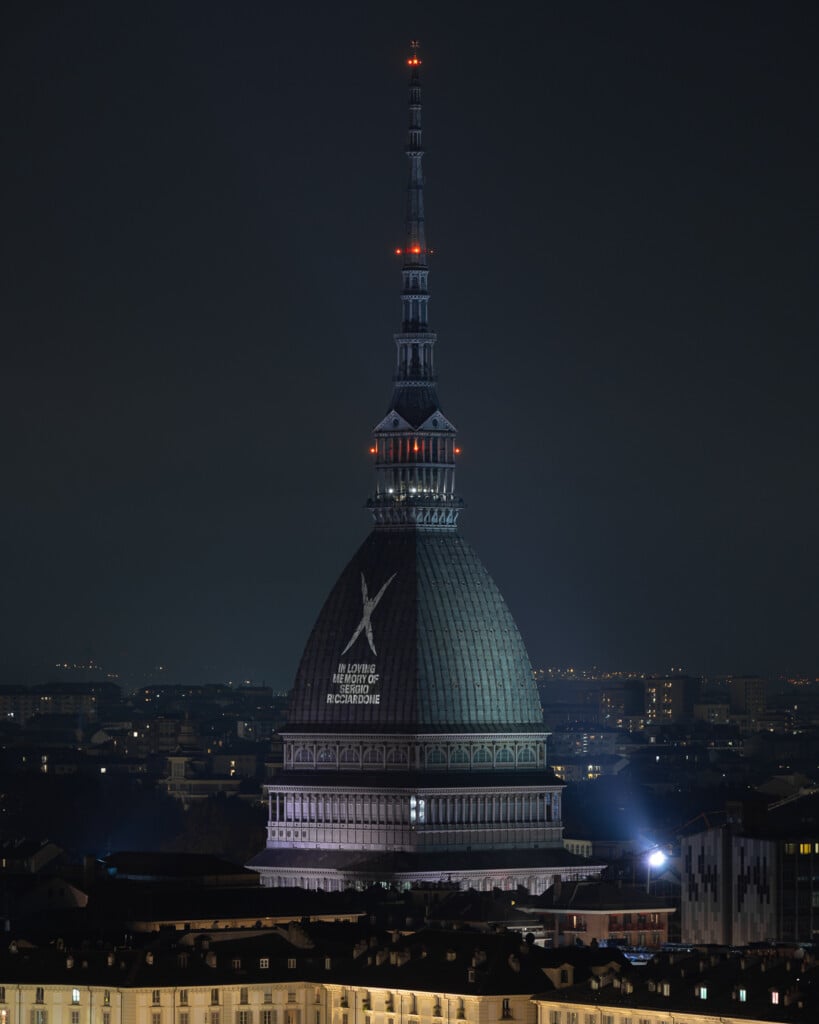
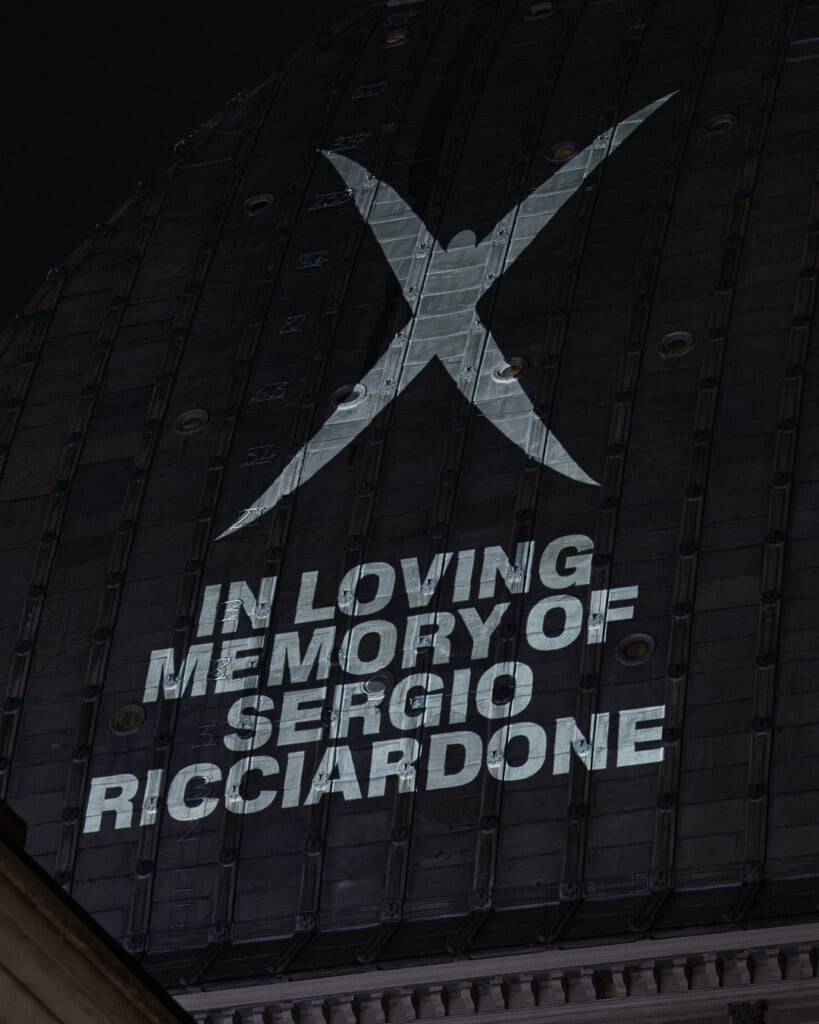
The 2025 edition will forever mark the history of C2C Festival: it is the first without Sergio Ricciardone, the founder who created this extraordinary cultural journey and who passed away prematurely. As Artistic Director Guido Savini stated: “This was undoubtedly the most complex edition in the history of C2C Festival: the first without Sergio. After months that were intense, tragic, and emotionally overwhelming, with the help of everyone, we managed to protect the very continuity of the Festival.“
It was not just an organizational issue, but an existential one: how do you continue when the original vision is gone? The answer came from the numbers: 42,000 attendees, sold out for the fourth consecutive year, but above all from the quality of the experience. From October 30 to November 2, in perfect sync with Turin Art Week, the city became a single, pulsating cultural organism. 68 artists from 21 nations, 65 shows, including 21 Italian exclusives and 7 world premieres: a program that confirmed C2C as one of the essential events in the global music landscape.
Turin Art Week: When the City Becomes a Total Artwork
It is no coincidence that C2C Festival coincides with Turin Art Week. This is a deliberate choice revealing the festival’s deep nature: not just music, but art in the broadest sense. During that first week of November, Turin undergoes a complete transformation: galleries unveil major exhibitions, museums host special events, independent spaces come alive. C2C Festival acts not as an outsider, but as a catalyst.
The dance floor becomes a participatory installation; the DJ booth is a performance stage; the sound system is a sound sculpture. The invited artists are not “just” musicians but creators of total aesthetic experiences.
The Talks: When Critical Thinking Meets Club Culture
The C2C Talks, hosted at Teatro Regio, make the festival’s cultural ambition most evident. Seeing one of Italy’s most prestigious opera houses transform into an agora for discussions about music, technology, cultural policy, and sustainability is a powerful statement: popular culture has something to say in the spaces of “serious culture.”
The talks are not breaks between performances, but an integral part of the experience.
C2C Festival as Cultural Heritage
Today, C2C Festival is recognized as a “heritage for the city of Turin and the Piedmont region, a national excellence and a reference point at the European and global level, to be preserved and nurtured.” Support from the Ministry of Culture, the Region of Piedmont, and banking foundations is not just financial but symbolic: popular culture born in clubs finally receives the institutional recognition it deserves.
Yet this recognition has not sterilized the festival’s experimental spirit. C2C continues to anticipate trends, discover artists before they become mainstream, and create conversation.
The festival also hosts the TMLAB – Transnational Music Lab, a three-year international cooperation project co-funded by the European Union.
The Legacy Continues
For the fourth year in a row, the sold-out came even before the festival began. A sign of a global community that sees C2C not only as a place to listen to music, but as a space of belonging and collective experience.
“C2C Festival will continue to create wonder” – promised Guido Savini. And if this edition has proven anything, it is that wonder is not just about big names, but the ability to build a shared imaginary and transform industrial spaces into places of community.
C2C Festival will return to Turin in 2026, from Thursday November 5 to Sunday November 8.
Because some collective liturgies must be preserved, some traditions must be honored, some communities must be nurtured. And because, twenty-three years later, thanks to Sergio Ricciardone’s vision and the determination of those who continue his work, C2C Festival has proven to be much more than a festival: it has become pure popular culture, contemporary art that becomes a collective experience, a heritage to be preserved and passed on.


Read also: Elrow and Okuda San Miguel transform [UNVRS] in Ibiza