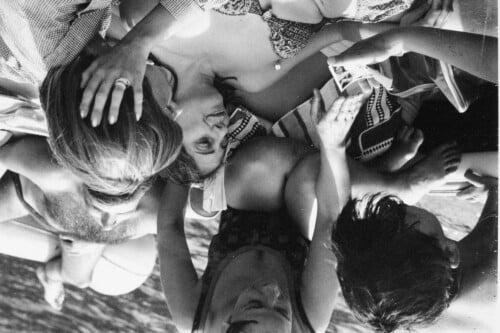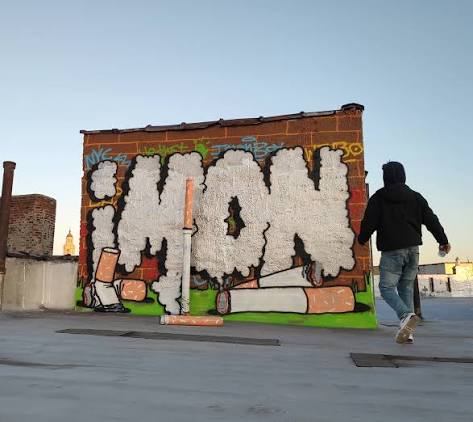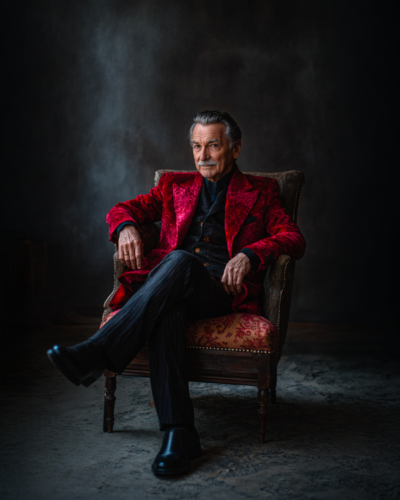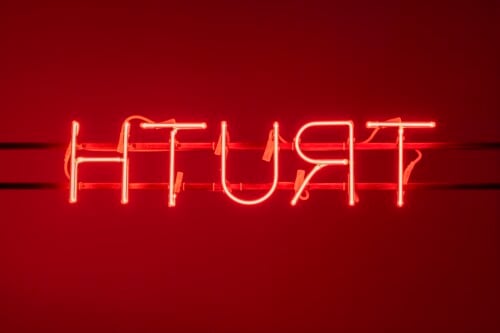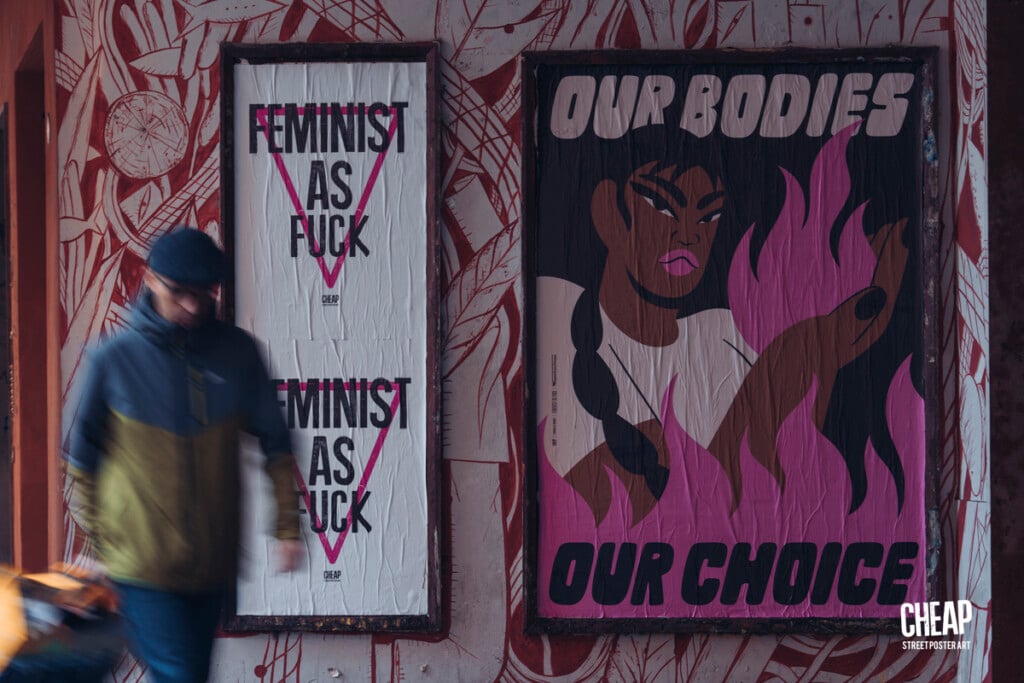
CHEAP presents FEMINIST AS FUCK, a new public art project that takes over Bologna with powerful and provocative posters. With the participation of 17 international artists, CHEAP continues its mission to transform urban walls into spaces for transfeminist imagination.

CHEAP and the Feminist Takeover of Bologna
The title FEMINIST AS FUCK is already a statement of intent: bold, direct, and provocative. While the phrase is a common English expression, in this context, it takes on a political and symbolic meaning. These posters do not merely decorate public space — they contaminate it with images and words that challenge the symbolic order.

17 Artists, 17 Visions of Feminism
CHEAP has brought together 17 artists from diverse backgrounds and visual languages, all united by the goal of intertwining art and feminism. Among them are illustrators, photographers, and collectives aiming to destabilize dominant narratives and propose a new aesthetic of resistance.

The artists involved include familiar names for those who follow CHEAP: Coco Guzman, the protagonist of TRANS CAMP in 2023; Joanna Gniady and Luchadora, both previously part of La lotta è FICA; Camila Rosa, creator of Ecofemminismo o Barbarie; and Mrs. Riot, who collaborated on Sex Workers Speak Out. Also featured are Johanna Toruño (The Unapologetic Street Series) and photographer-turned-author Margherita Caprilli.

The project introduces new collaborations with international artists such as Analia Cid, Agata Kubis, Francesca Protopapa, and Munirah Almehri, as well as collectives like C.Rude, SGAM, and Comiqueras.
The Meaning of FEMINIST AS FUCK
The posters share a common visual language: fire, bodies defying representation norms, and incisive slogans. This is not a cosmetic approach to activism, but an intersectional vision that redefines feminist visual imagination. Each poster is part of a collective discourse unfolding along the streets of Bologna.

The project was born from reflections sparked by the presentation of the book DISOBBEDITE (Disobey). One guiding question shaped its path: “When will you offer us visions of feminism’s victory?” The 17 posters provide an answer, portraying ungovernable bodies, non-binary desires, and decolonial perspectives. Among the works, a standout piece features the bold statement “FREE GAZA” displayed on a 10-meter-long poster.

ph. credits: Giulia Rosco