There is a pattern that spans five centuries of history — from the Persian Empire to Supreme drops and streetwear — without ever losing its force. The bandana print, with its paisley motif of curved, interlocking teardrops, is one of those prints that fashion never stops recycling because every generation finds something different in it.
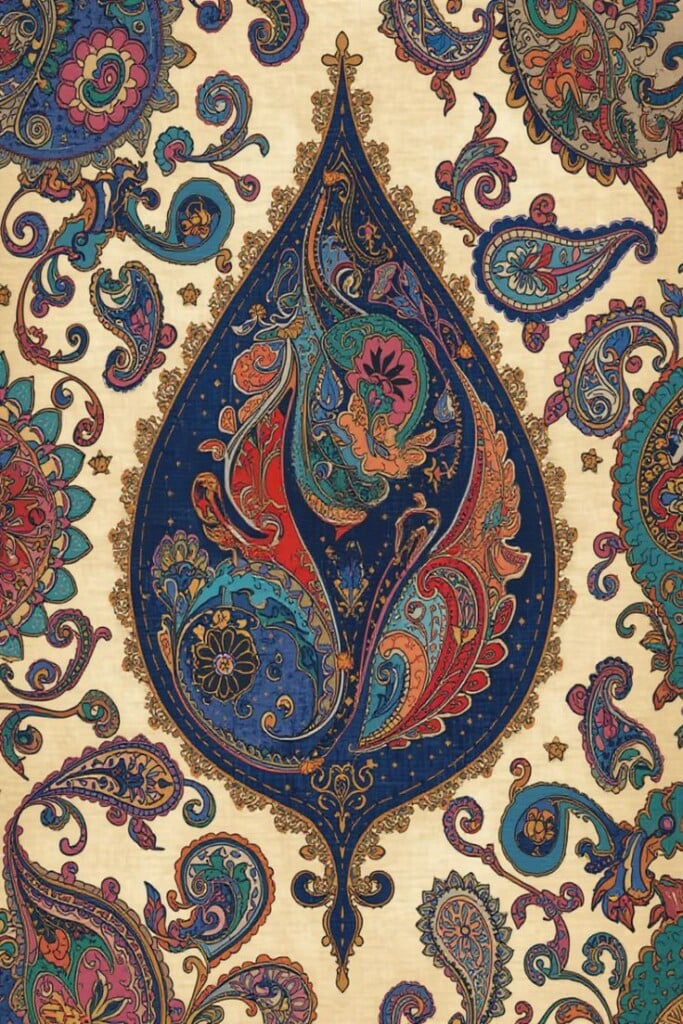
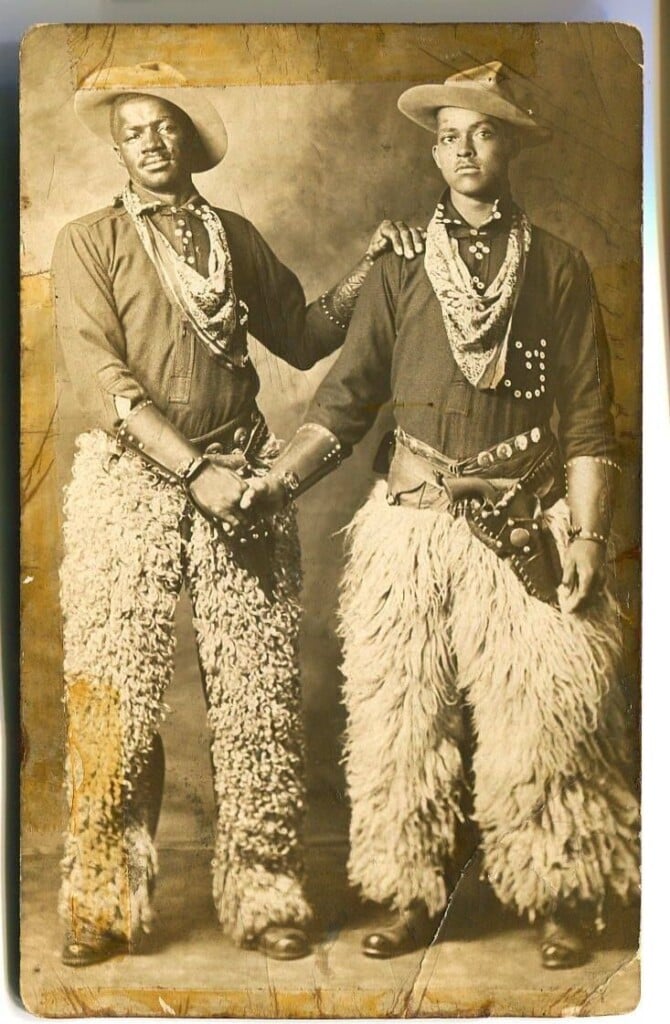
The origins of paisley run deep into Sasanian Persia, where the boteh motif — a stylised cypress of sorts, symbol of life and eternity — adorned textiles and carpets. Arriving in Europe through colonial trade, the pattern took its name from the Scottish town of Paisley, a production hub for affordable shawls in the 19th century. From there, the leap to America: cowboys, miners, and farmers wore it as an everyday accessory. A piece of printed cloth that had not yet finished building its identity.
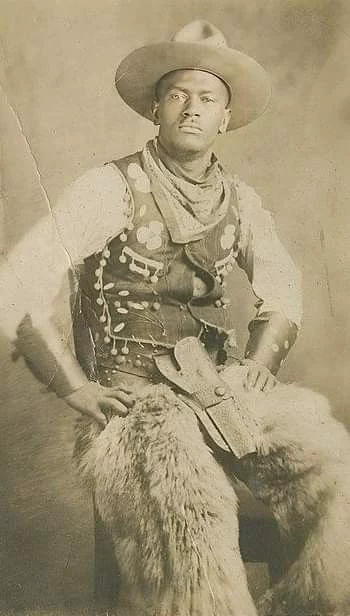
In the twentieth century, the bandana took on a political dimension too. In 1921, during the West Virginia miners’ march, the red bandana was the identifying mark among workers in revolt. Through the ’70s and ’80s, colour shifted in meaning depending on who was wearing it: the red of the Bloods and the blue of the Crips in Los Angeles turned it into a silent, potentially lethal communication system.
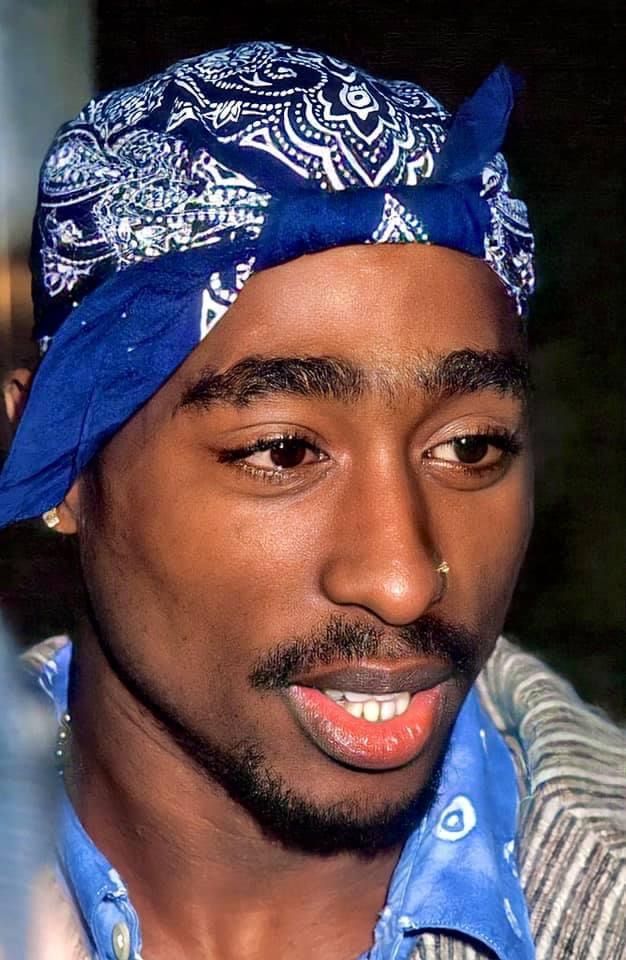
West Coast hip-hop absorbed this imagery and turned it into aesthetic: the bandana became part of the visual language of gangsta rap, from Tupac to Snoop Dogg, eventually spilling over into the broader pool of pop culture.


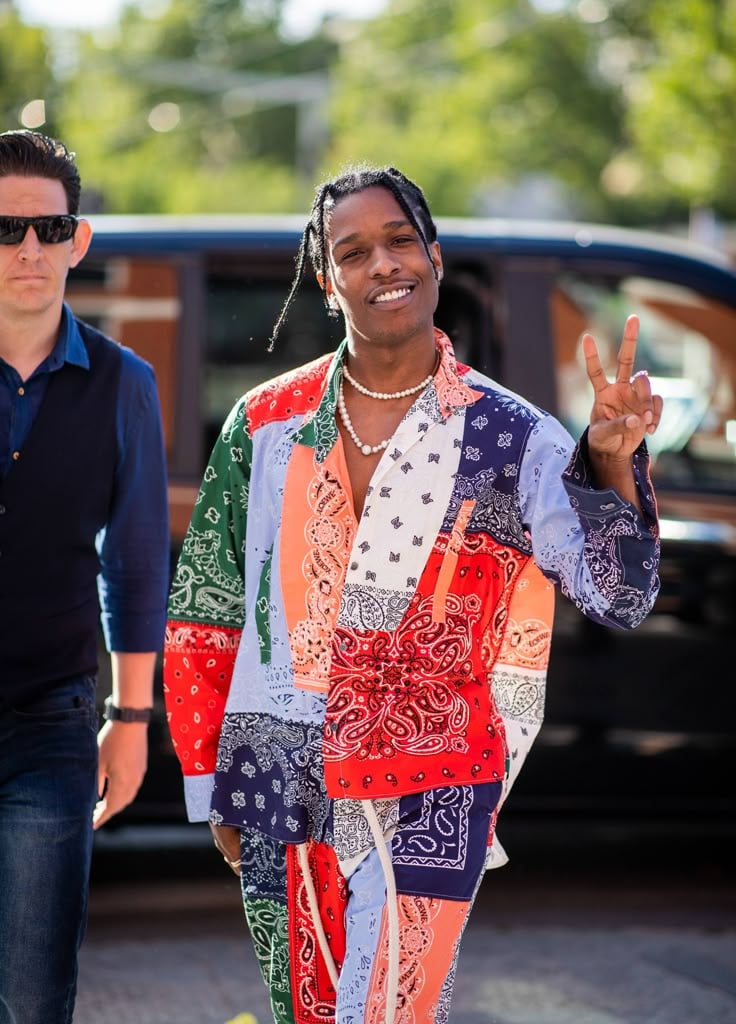
This is where streetwear absorbed its energy. The pattern began migrating from accessory to garment, from the neck to the all-over print. Supreme built capsules and collaborations around it. But the deepest reinterpretation came from Japan: brands like Kapital, visvim, and Children of the Discordance metabolised the bandana print through the lens of Americana, transforming it into something artisanal, layered, almost philological. Designer Hideaki Shikama of Children of the Discordance makes shirts sewn entirely from original vintage bandanas — not a print, but an assemblage.
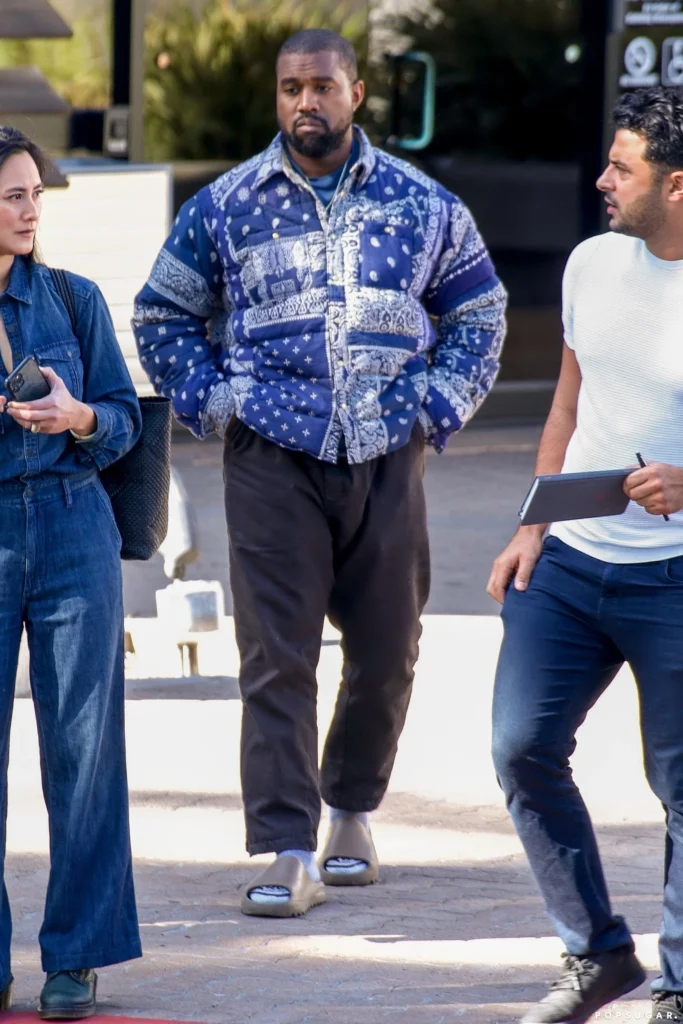
Today the bandana print is everywhere: it has already returned to the runways in recent mainstream brand collections, in streetwear drops, in vintage archives cycling back into circulation. And this pattern works precisely because it carries a history dense with identity, politics, and craft — from workwear to counterculture, through gang culture, hip-hop, and Japanese Americana. When you wear it, you are already wearing something heavy with meaning and history.