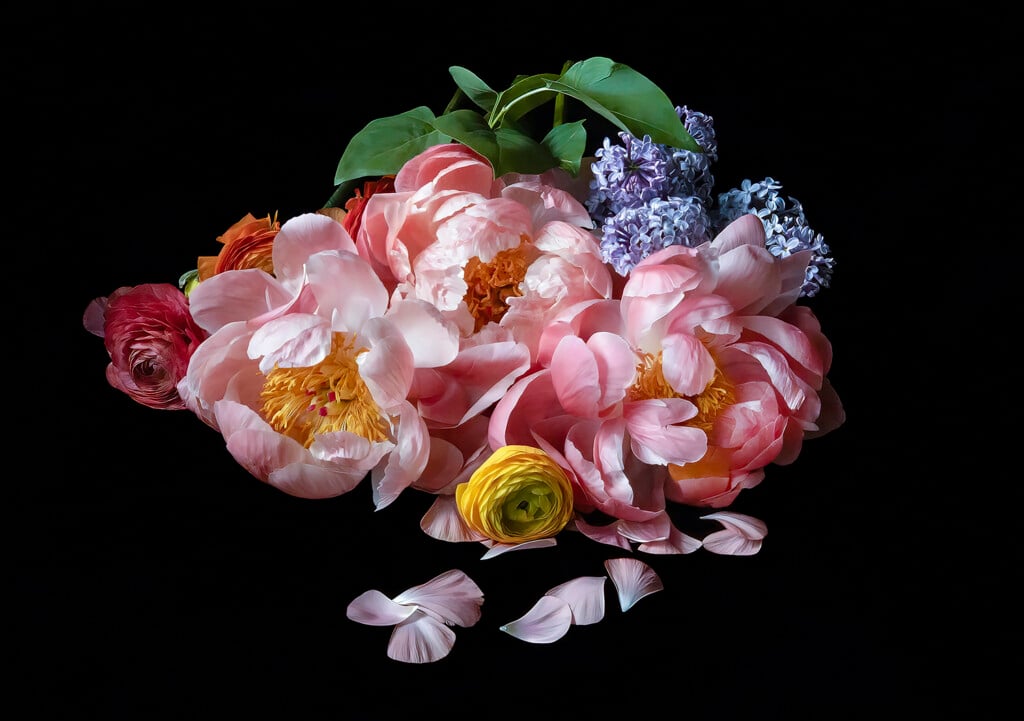
Still life is by definition motionless, a painterly genre that made stillness its fundamental grammar. Yet the photographs of photographer Jane Fulton Alt seem to contradict this premise from the very first page: petals bending, dry leaves gathering, stems yielding without ever resolving into perfection. Nothing is truly still.
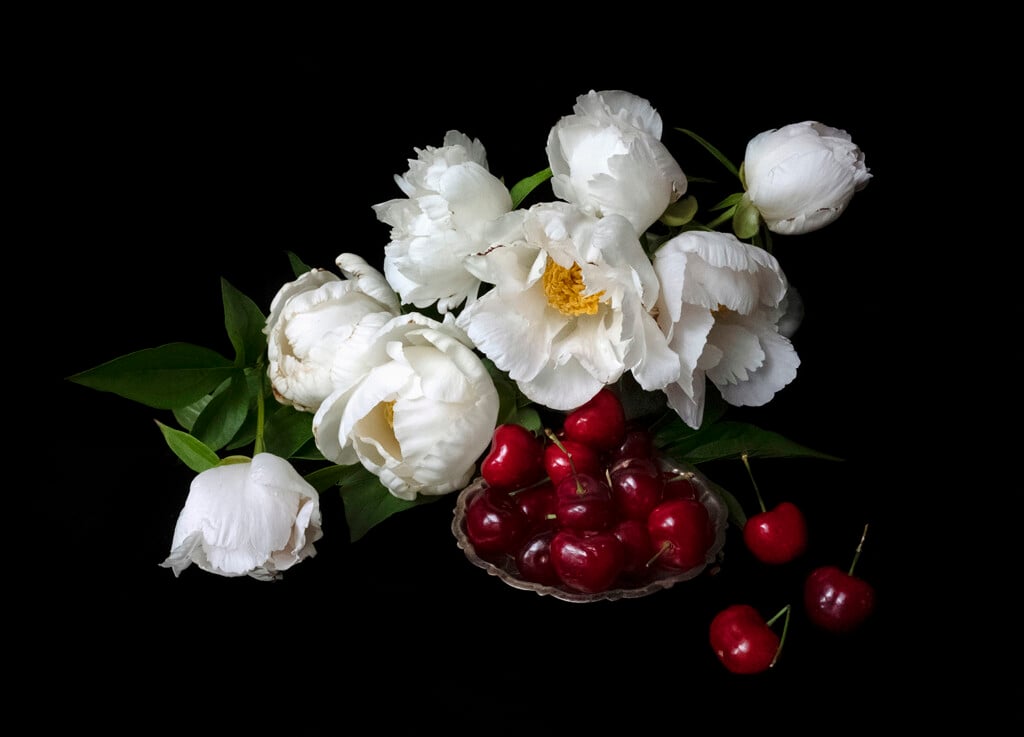
Still Life, the book published by MW Editions earlier this year, brings together forty-five images of a garden that Alt inherited unexpectedly following the sudden death of her husband Howard. It was he who had planted that nascent ecosystem, driven by a growing concern over climate change. After his passing, the care of that space fell to her — a longtime photographer but, by her own admission, never a gardener. “I was never a gardener,” writes Alt: from that moment on, everything is new, including the way of seeing. Photography remains the constant. “A potent combination in adjusting to this new life.”
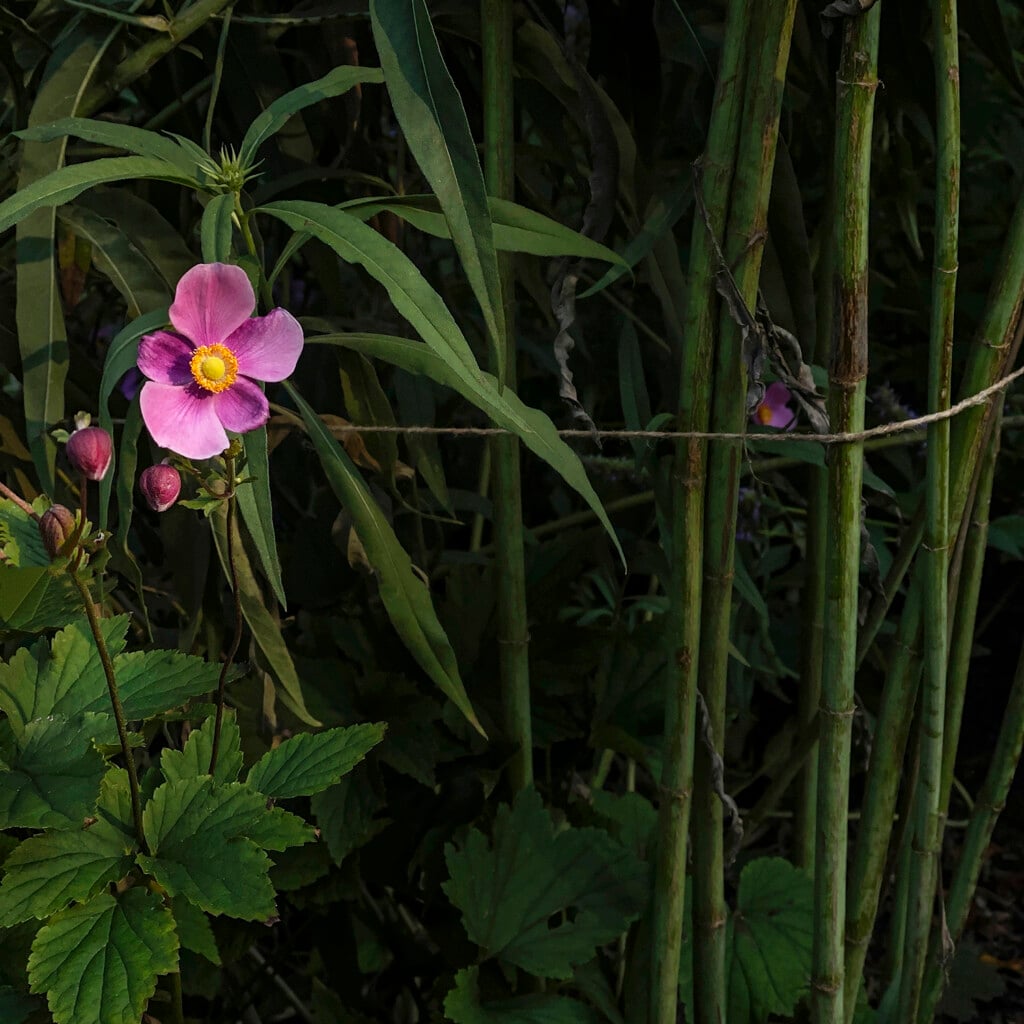
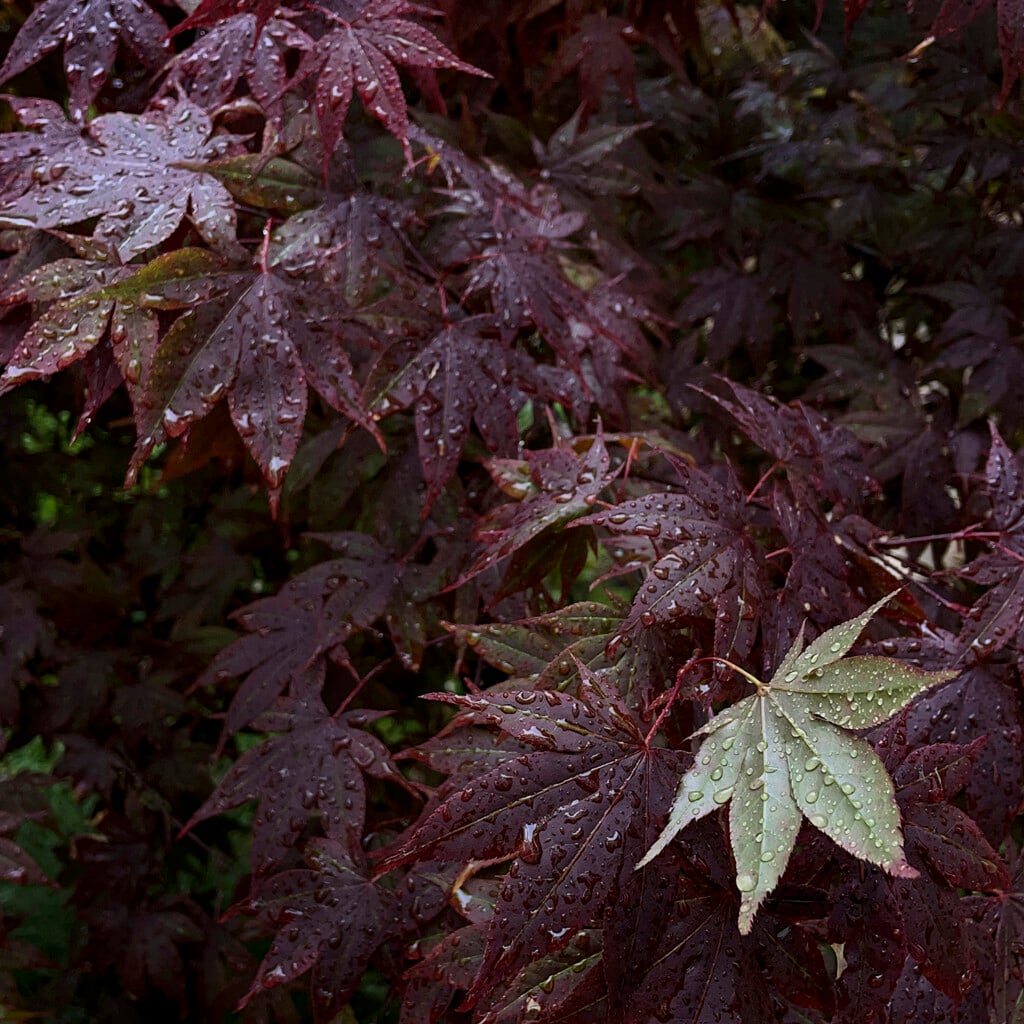
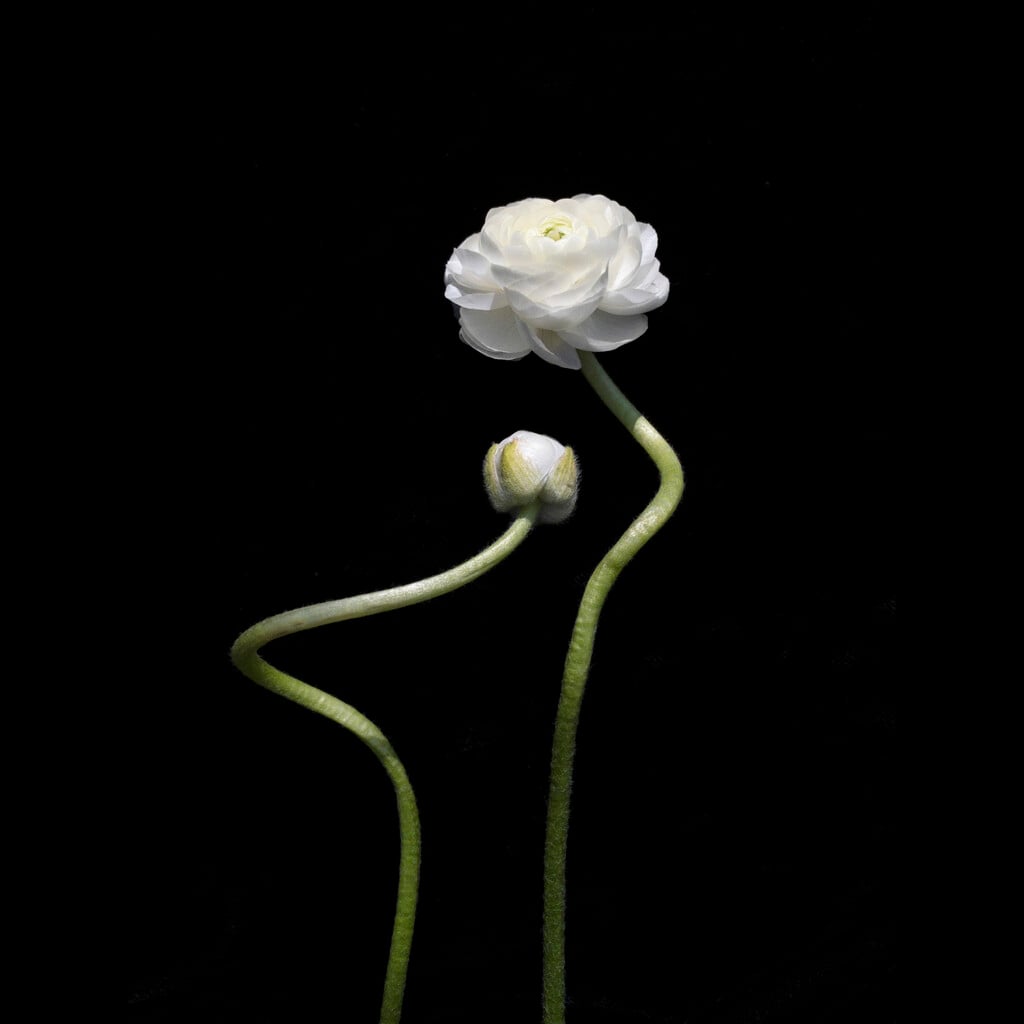
Visually, the series moves across three distinct registers. Images of flowers set against a dark ground engage the Dutch still-life tradition without slipping into pastiche. Close abstractions transform the flower into a study of surface and pattern. The garden images, however, remain the most emotionally resonant: they expose the fragility and temporality that underlie every process of growth, and of loss.
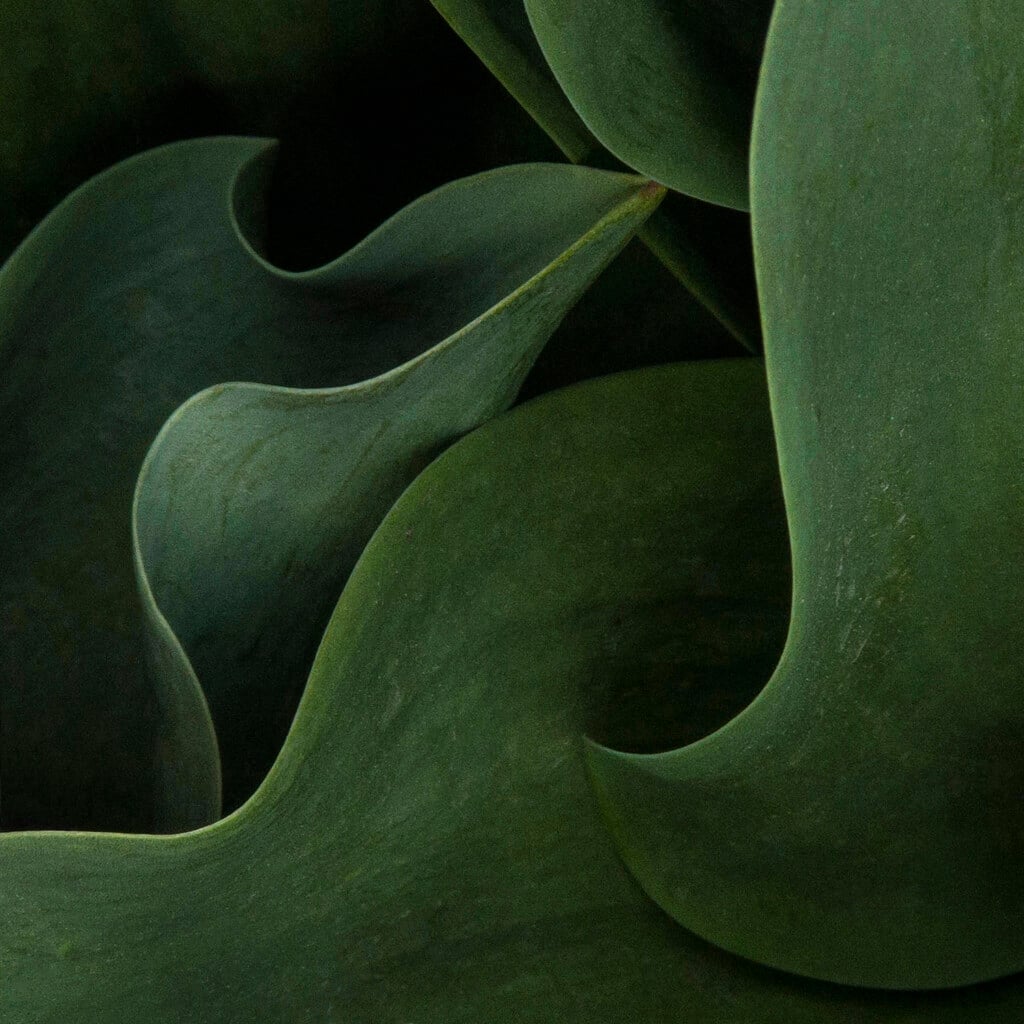
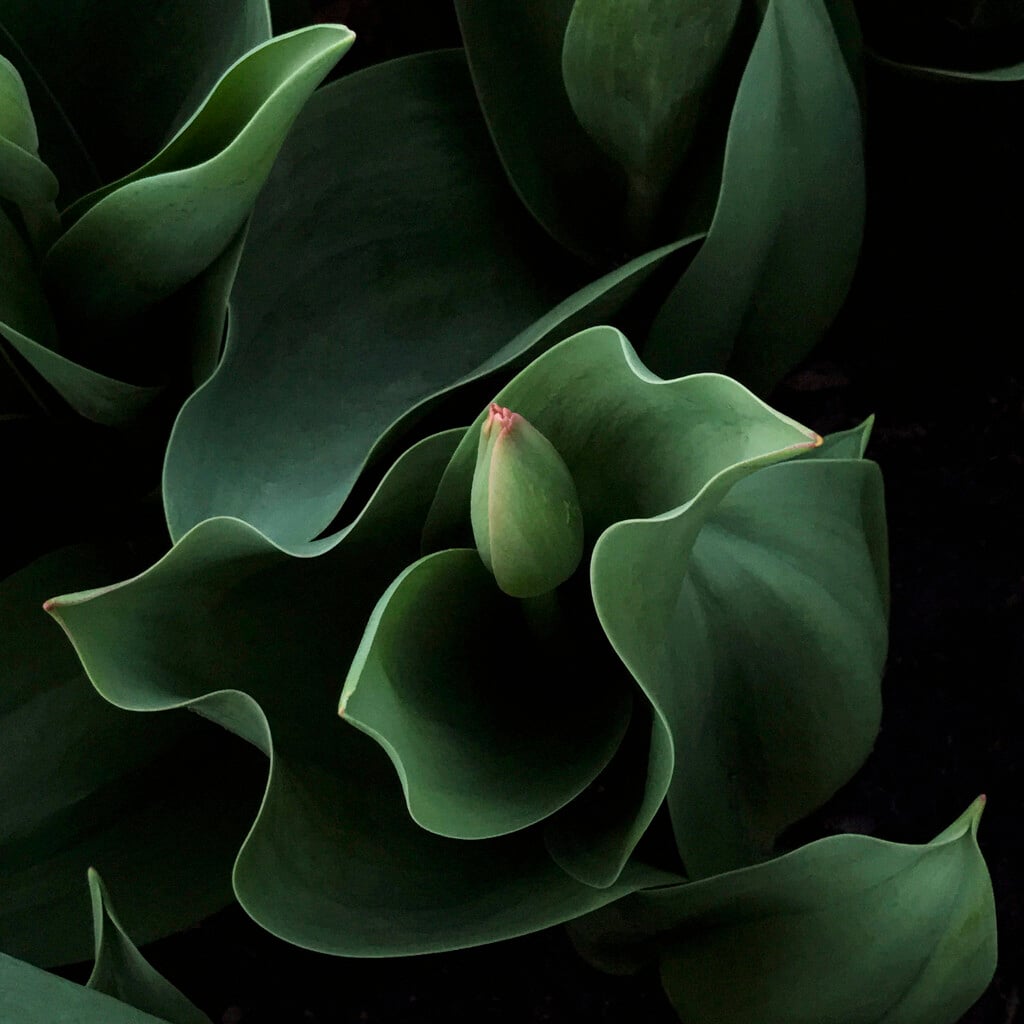
The essays accompanying the photographs build a multi-voiced dialogue between grief, ecological thought, and art history. Meditation teacher James Baraz reads the images not as attempts at resolution, but as practices of remaining present. Ecologist Douglas Tallamy places Howard’s garden project within the debate on biodiversity, arguing that environmental action must take place where people live, not only in protected areas. Collector and curator W. M. Hunt finds echoes of O’Keeffe and Rousseau in the photographs, and reframes the title as a declaration of continuation: “Think of Still Life as in: there is still life to live.”
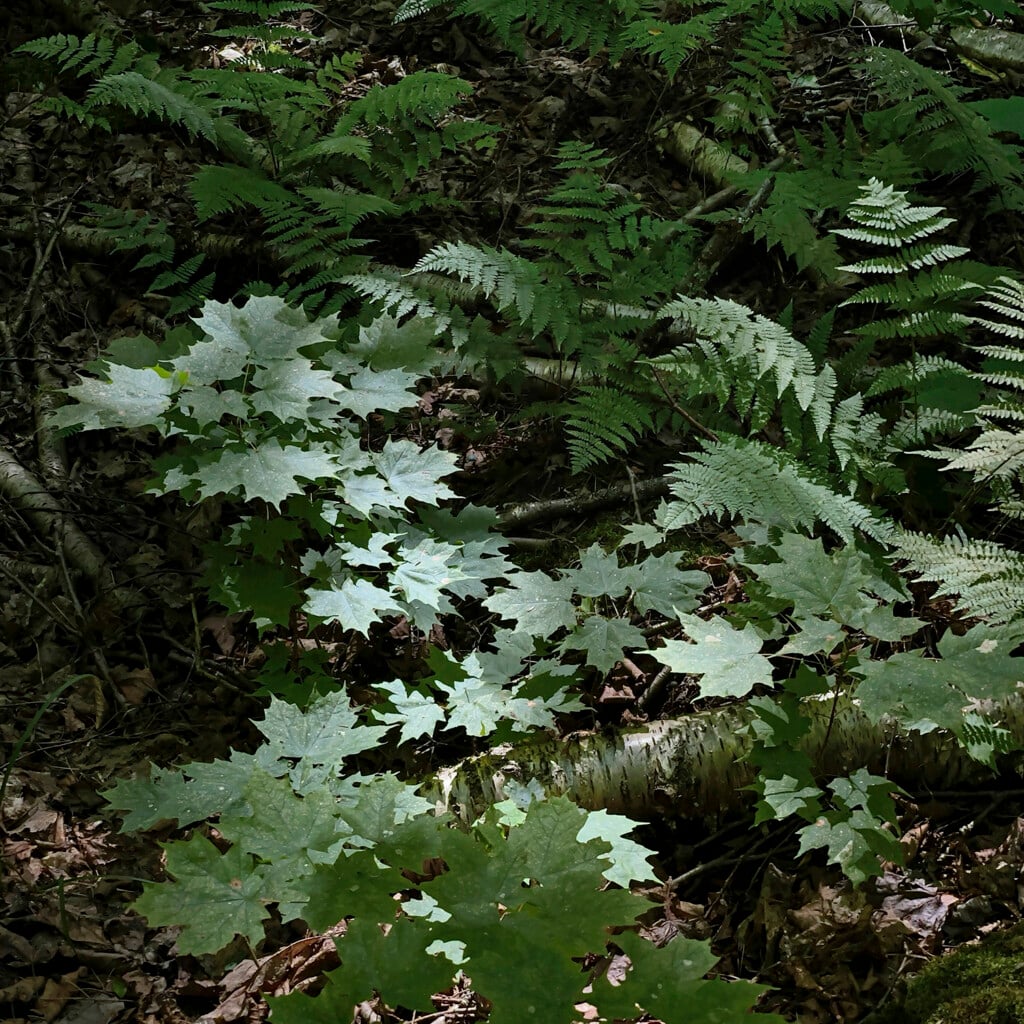
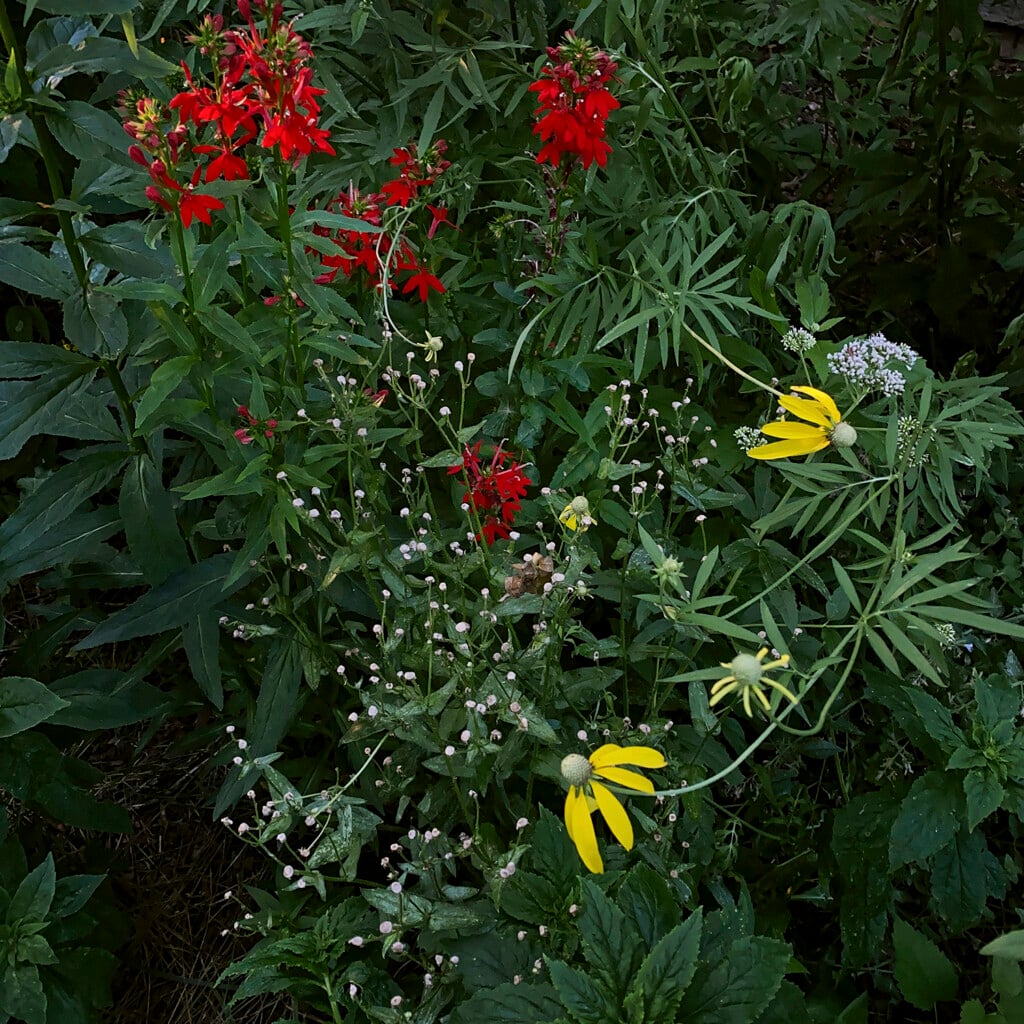
This is the heart of the book. Howard is at the center of the story, but Still Life is not a book about grief as an endpoint. It is a book about what grows after, about care as a form of love, about the light that Alt seeks patiently among the leaves and that in her photographs becomes something more than an optical fact.