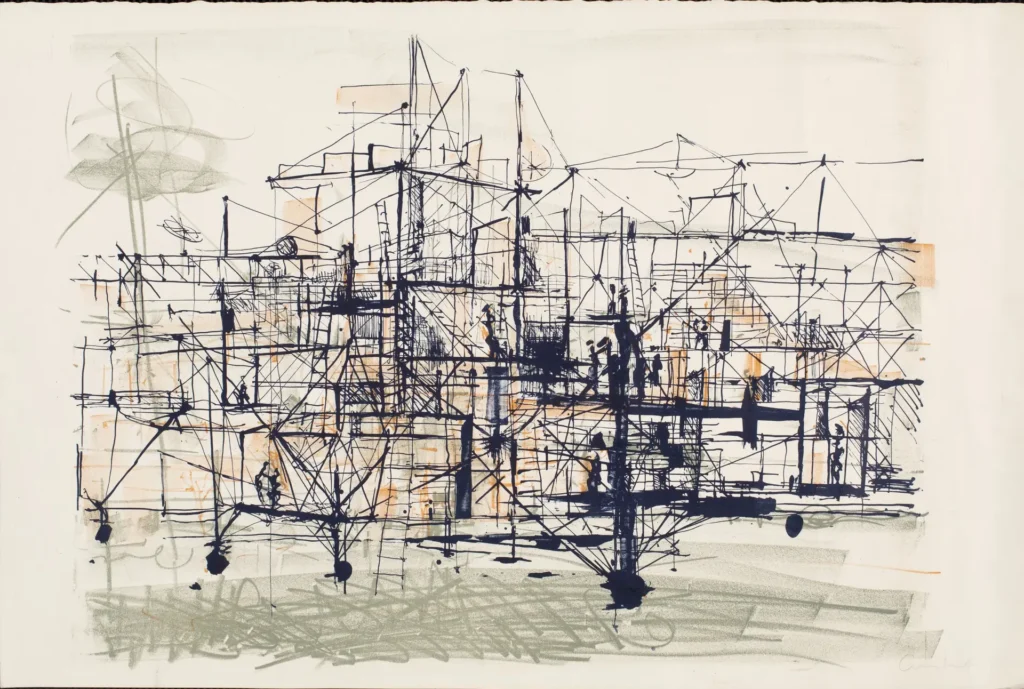
The city speaks. Not only through signs, placards, or words written on walls, but through the rhythm of footsteps, the silhouette of skyscrapers, the organization of neighborhoods, and the daily lives of the people who inhabit them. The second season of Cantiere Scandurra dedicates its fourth episode to this shifting voice of the city, exploring how urban language is changing and how it shapes the way we navigate space and society.
Alessandro Scandurra begins with a simple but powerful observation: every era has a language that represents it, and the contemporary city has a lexicon born from the direct experience of urban space. Words like skyline, waterfront, rooftop, hub, loft speak to lifestyles, communities, aesthetics, and social aspirations. The skyline is not merely a profile of buildings against the sky, but a collective mental image, a recognizable symbol of the city. The waterfront is not just the water’s edge, but the sign of a renewed relationship between urbanity, nature, and leisure. The rooftop is no longer simply a building’s roof, but a suspended space of sociality and observation — a vertical public space that defines new modes of engagement with the city.
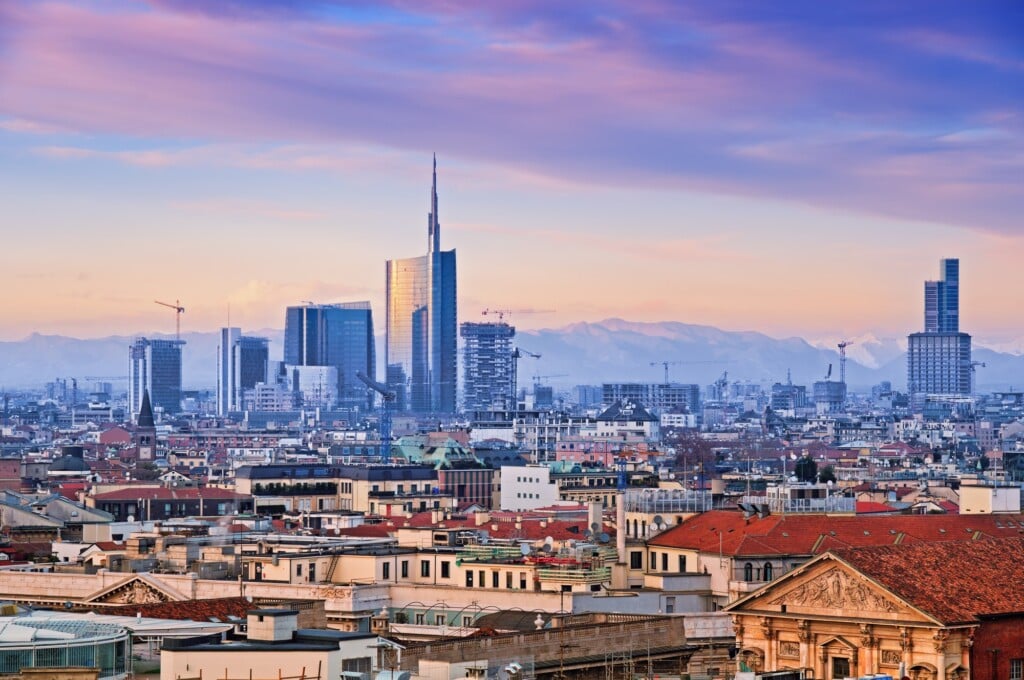
Every word is a tool of representation: it allows us to describe the city, but also to desire it. Language is not a passive reflection of urban reality, but a lever of the project itself. To say creative district or urban jungle is to adopt a model of the city, to choose an urban identity, and to influence behaviors, perceptions, and aspirations.
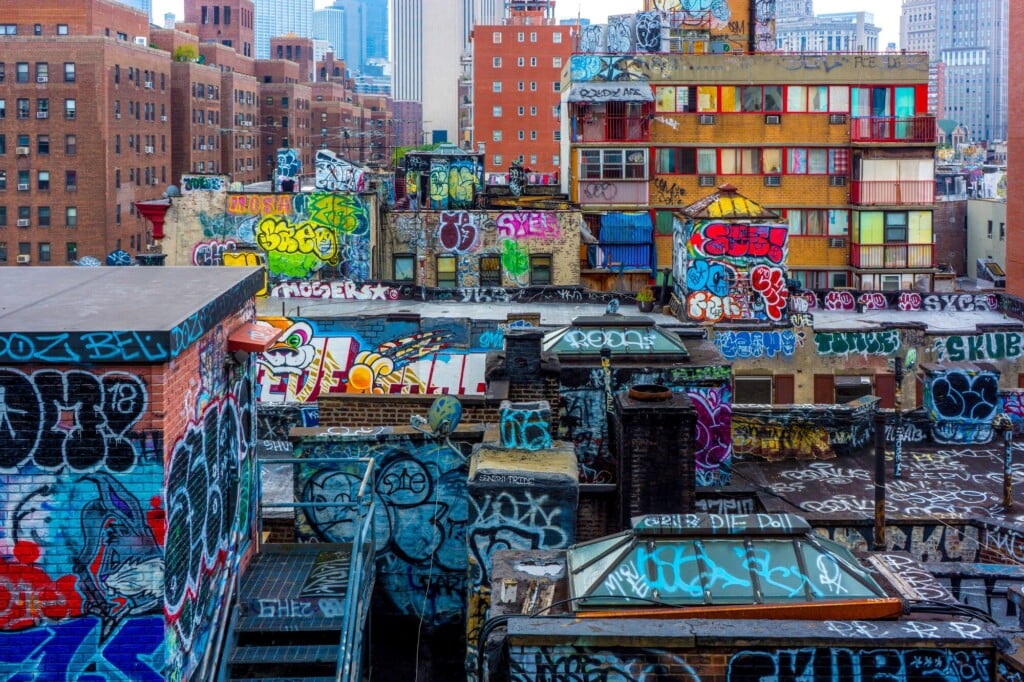
In this sense, the global city becomes a linguistic laboratory: terms born in one metropolis spread across the world, transforming and adapting to local contexts. Words like loft or skyline evoke shared images in Milan, New York, or Seoul, generating an international urban lexicon. But like every language, the language of the city also carries implicit hierarchies: some expressions — district, hub, creative space — become loaded with prestige and desirability; others, born in working-class neighborhoods or in the languages of the street, remain on the margins, even as they pulse with the city’s living energy. Graffiti, street food, street art, and the underground do not simply describe places, but ways of living, social practices, and cultural attitudes.
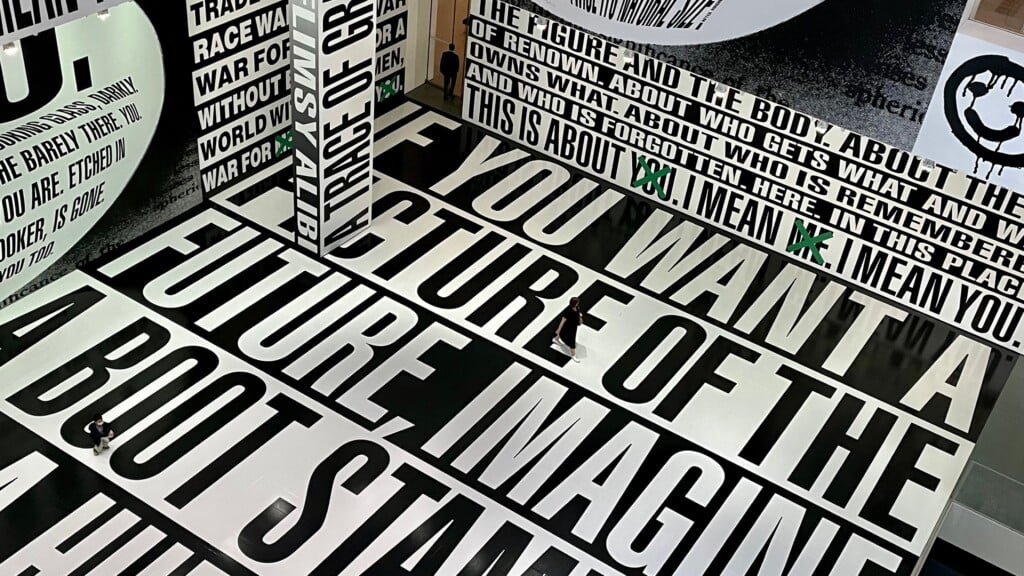
This relationship between word and space has a direct practical dimension: to design is not only to define forms and materials, but also the language that accompanies them. A piazza, a boulevard, a coworking, a cluster: every term generates expectations, images, and behaviors. Language and design become two sides of the same coin — tools that construct reality just as concretely as concrete, glass, or light.
Bringing this reflection to an urban scale also means reading words as indicators of concrete needs. New generations are calling for accessible public spaces, places for sharing and innovation, environments that inspire, that foster creativity and connection. Urban and architectural design can respond to these needs by translating them into physical realities: open rooftops, cultural hubs, student housing, coworking spaces, creative districts, intergenerational neighborhoods. These are concrete devices that give voice to the desires and necessities of communities, translating the urban lexicon into livable infrastructure.
As Alessandro Scandurra reminds us, to inhabit is also to name, interpret, and transform space through words. The global city speaks a common lexicon, but it is we — through the words we choose and the projects we realize — who build its voice. Language and architecture are never separate: together, they define who we are, how we live, and what kind of city we want to leave to the generations that come after us.