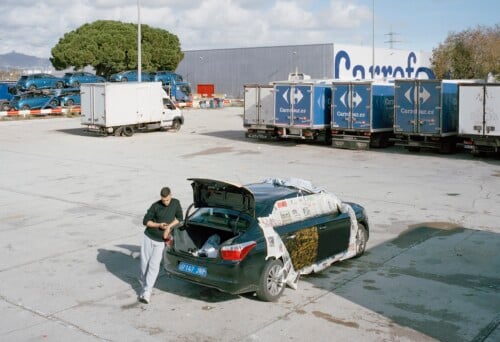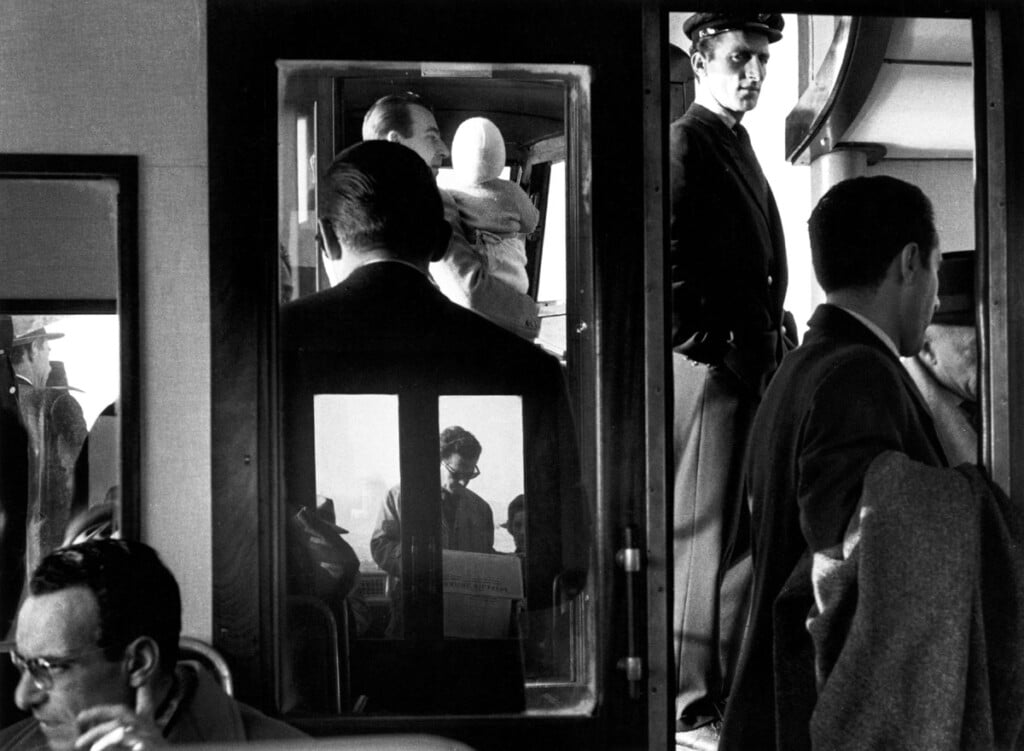
There is a moment in street photography when the photographer disappears. The body becomes a conditioned reflex, the mind empties, and the eye captures what no direction could ever have orchestrated. It is there, in that instant stolen from time, that one of the most honest and most difficult forms of photography is born.
Over the past few years, on Collater.al we have told the stories of ten authors who have made the street their home, their poetry, and sometimes their confession. Ten different ways of inhabiting the world with a camera in hand. Before opening the next chapter, it’s time to pause. To take stock. And to ask: who would you like to explore further?
Street photography: it’s not just documentation, it’s an act of presence
Before getting into the names, it’s worth saying one thing: street photography is not journalism, it is not reportage, it is not illustrated sociology. It is something more ambiguous and more powerful. It is the art of being in the right place with the right state of mind: able to recognize, in the ordinary chaos of urban life, the image that contains everything else.
Every photographer we have covered has understood this in their own way. And each has found their own answer to the fundamental question: what am I doing here, among people, with this lens pointed at the world?
The 10 photographers we’ve featured that you should catch up on
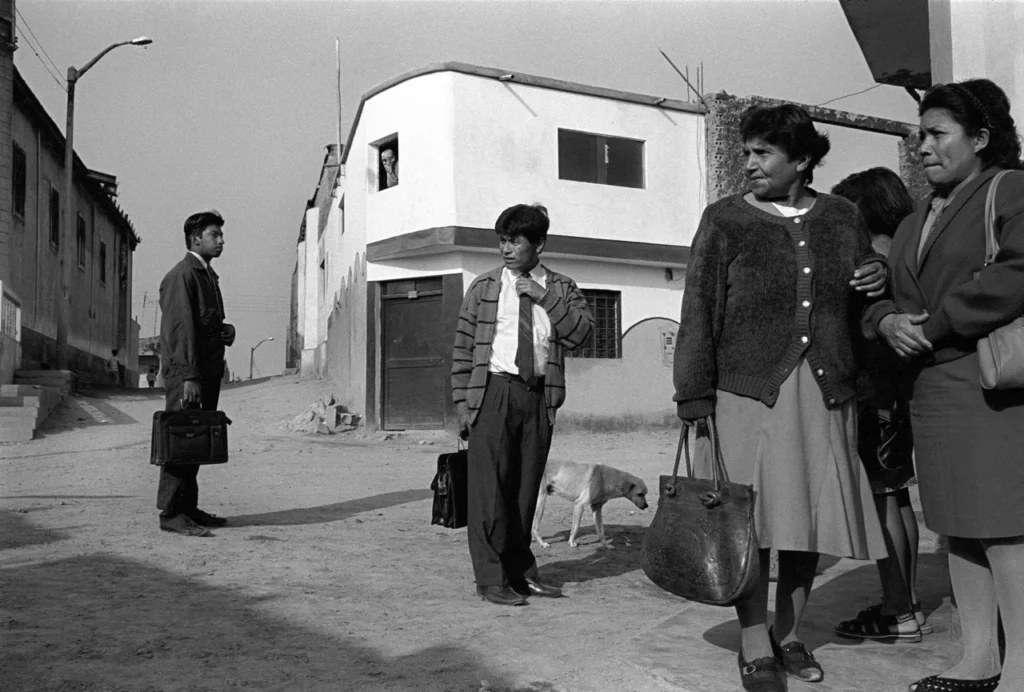
1. Michael Robinson Chávez — Identity as territory
Twice a Pulitzer Prize winner, Chávez spent thirty years photographing Mestizo: a deeply personal project about his motherland, Peru. Born in California to a Peruvian mother and an American father, he used the camera to do what words cannot: inhabit his own contradiction. Mestizo is neither a documentary about poverty nor a romantic travel album. It is a meditation on mixed blood, on memory, and on what remains of us when we live between two worlds. Here, street photography becomes an archaeology of identity.
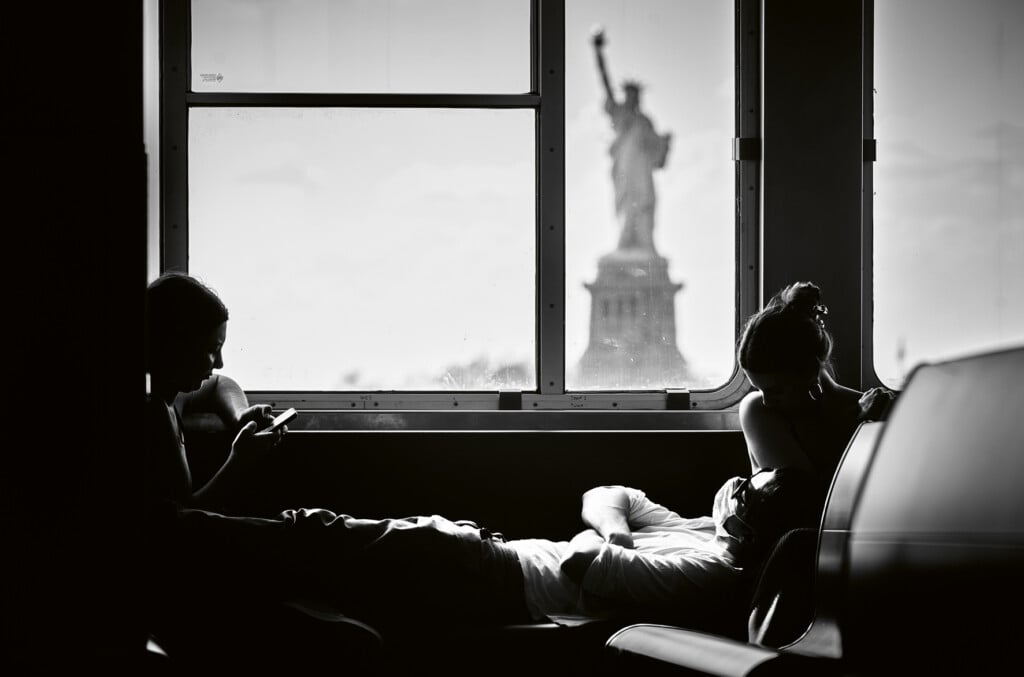
2. Phil Penman — Thirty years on the streets of the world
Born in Dorset and based in New York for more than twenty-five years, Penman is one of those photographers who doesn’t separate life from work. Street Scenes, his book published by teNeues, expands his gaze from his New York to the rest of the planet — Paris, Tokyo, Rome, Berlin, Mumbai — with the same philosophy: a scene must provoke something inside you before it is photographed. A Leica ambassador and among the 52 Most Influential Street Photographers in history, Penman shows that stylistic consistency is not rigidity: it is a form of loyalty to oneself.
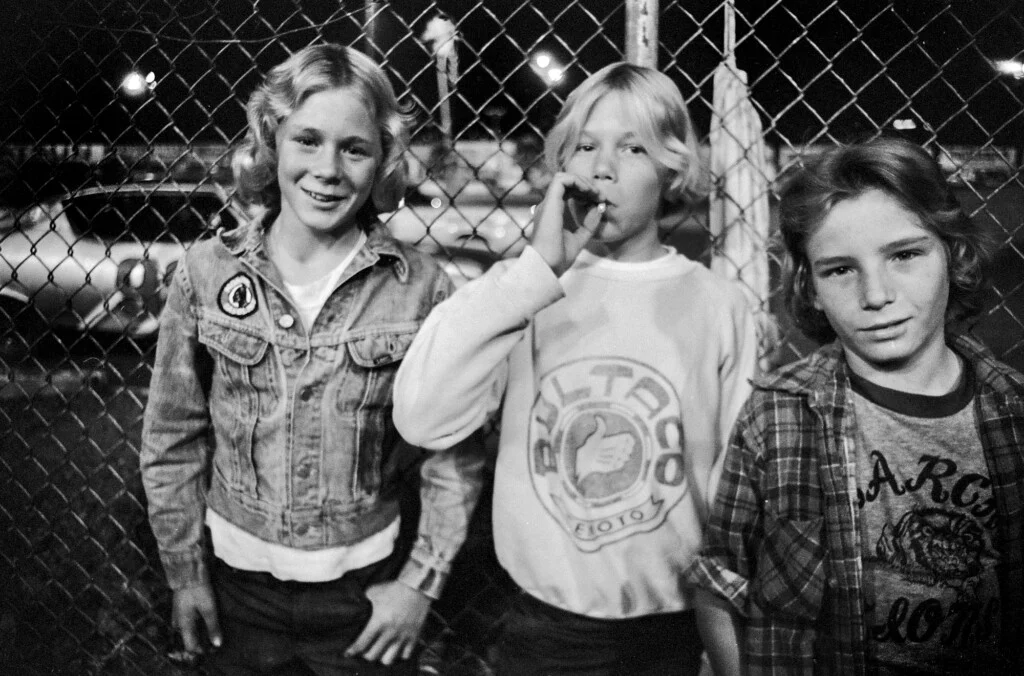
3. Charles Ford — The years when the street was different
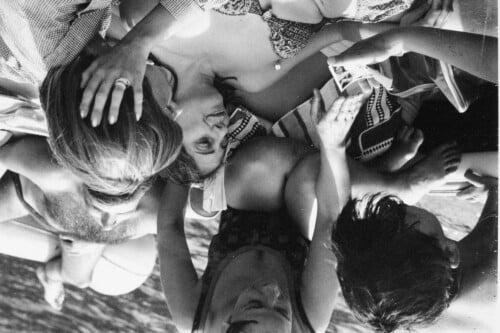
There is something almost melancholic in Charles Ford’s archive: the streets of the 1970s and 1980s, with that analog light, that distance between people, that visual density that digital photography struggles to replicate. Ford belongs to a generation that photographed before street photography became a genre with its own rules, hashtags, and competitors. And perhaps that is precisely why his images breathe in a different way.
4. Garrett Ho — The question no one wants to ask
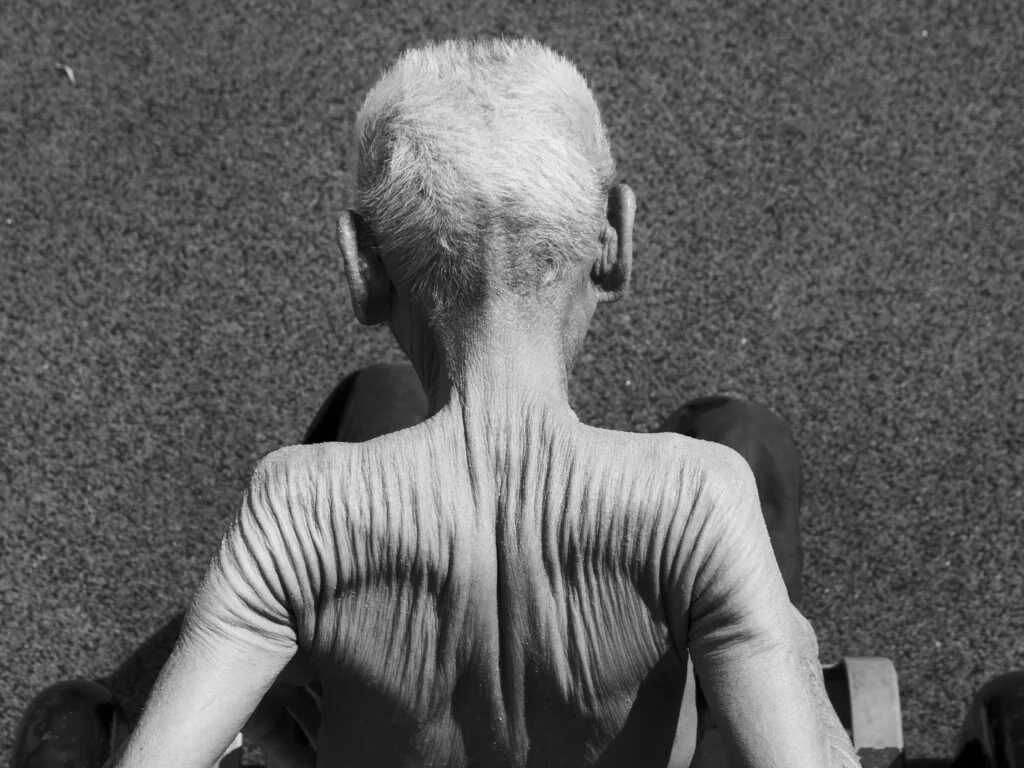
Where does the right to look end and the right not to be seen begin? Garrett Ho is one of those rare photographers who does more than just shoot: he asks questions. His work touches one of the most unresolved issues in contemporary street photography: the ethics of visibility, implicit consent, and the thin line between testimony and voyeurism. At a time when everyone has a smartphone and no one asks permission, his reflection is more urgent than ever.
5. Vladimir Milivojevich / Boogie — The fierce beauty of the margins
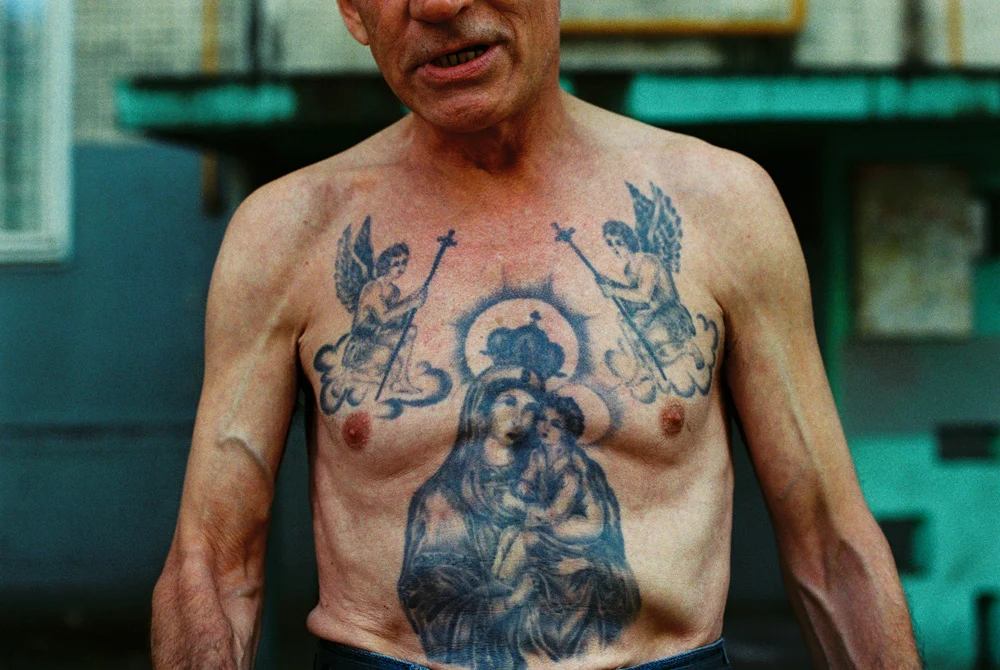
Raised in Belgrade during the Yugoslav wars of the 1990s, Vladimir Milivojevich — known to everyone as Boogie — arrived in New York in 1998 after winning the green card lottery, bringing with him a gaze that peace could never have shaped. His work on Brooklyn, Belgrade, Moscow, Kingston, and Bangkok does not seek redemption or scandal: it documents life on the margins with an intimacy that only those without fear can achieve. “I’m not there to moralize. I’m there to photograph.” A sentence that works as a manifesto.
6. Yalım Vural — Istanbul as a state of mind
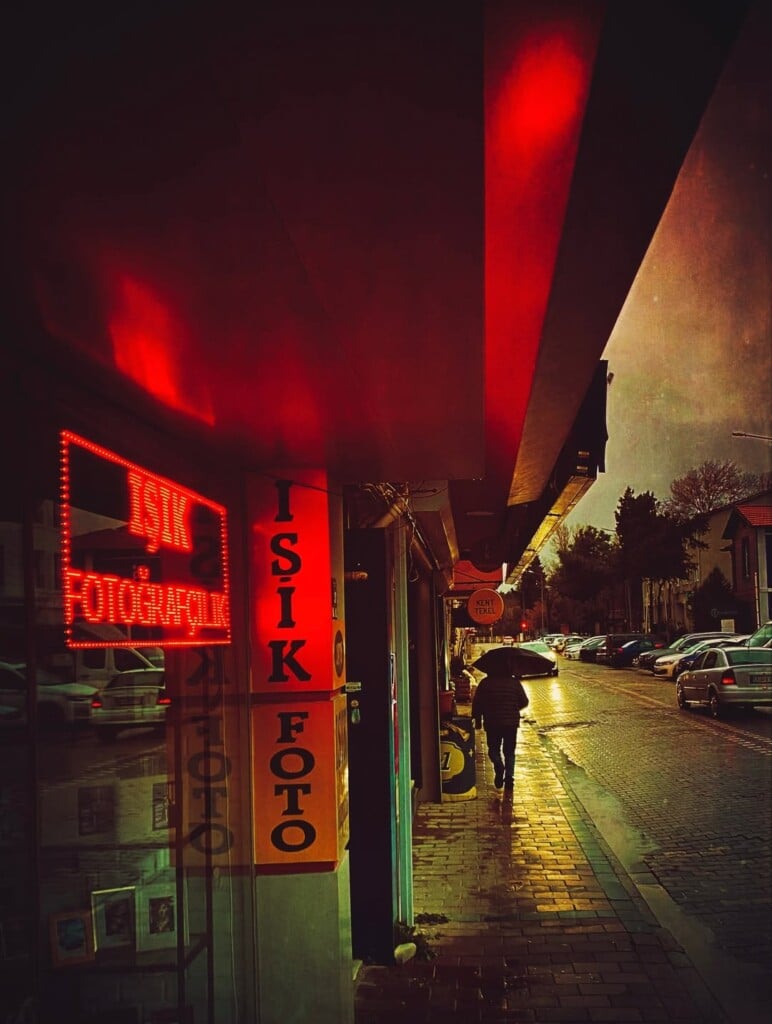
Turkish street photography has a voice of its own, and Yalım Vural is one of its clearest interpreters. Istanbul is not just a city: it is a collider of worlds. East and West, modernity and tradition, sacred and profane. Vural moves through it with a camera that does not judge but observes. And in that observation lies the full weight of a city impossible to summarize.

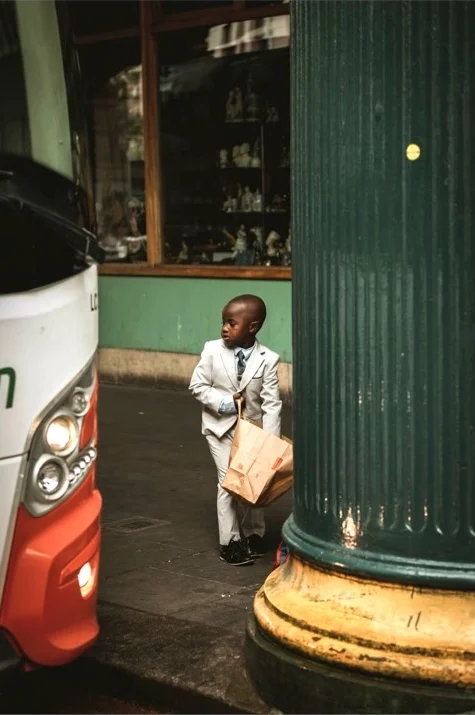
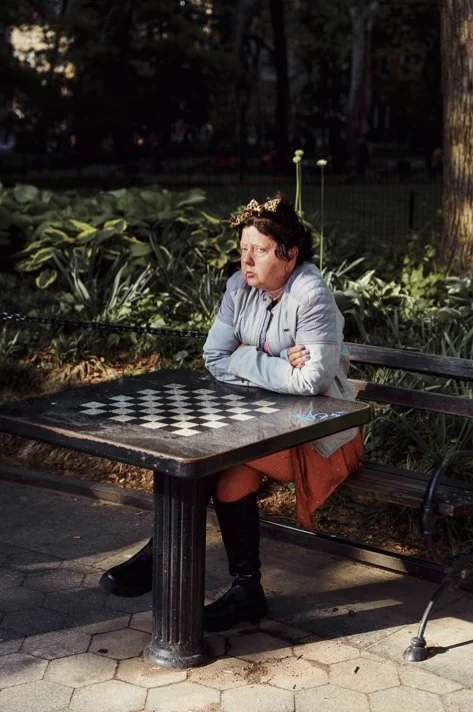
7. Nacho Varela — Geometries of everyday life
Varela is a photographer who finds composition within chaos. His urban shots — often quiet despite their crowded settings — reveal the gaze of an architect of reality. For him, the street is not the theater of humanity but a space to inhabit with precision. A precision that, instead of cooling the images, makes them strangely emotional.
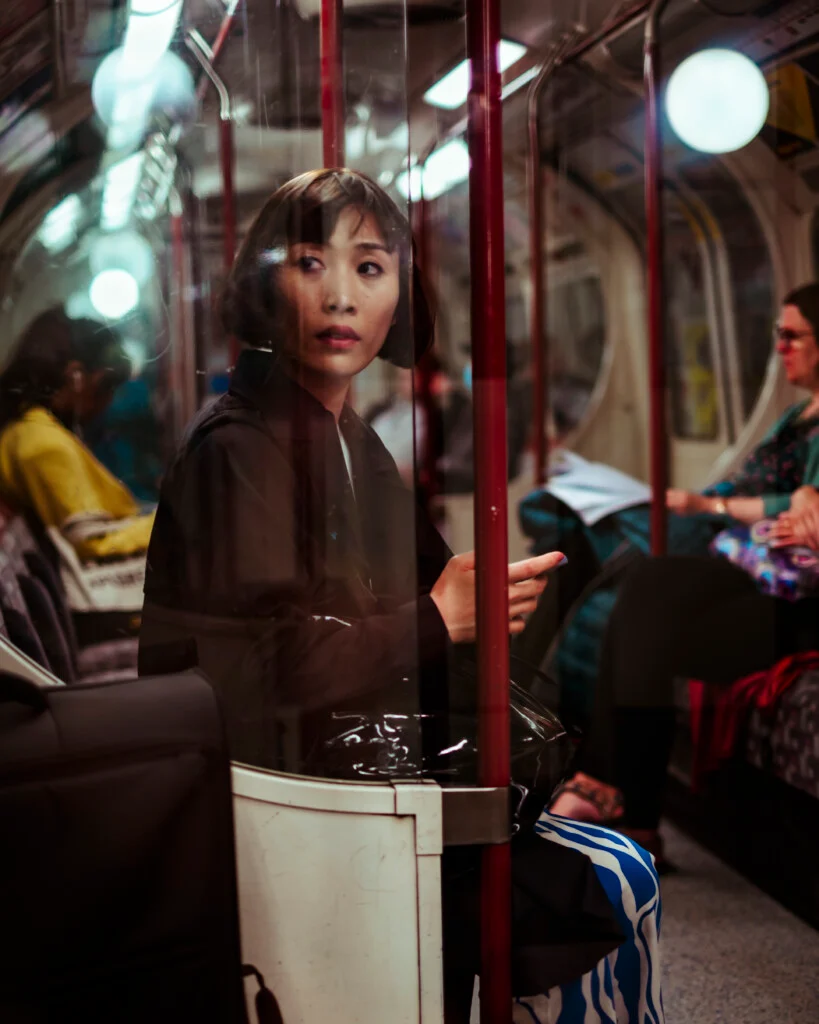
8. Dawn Eagleton — Distance as a point of view
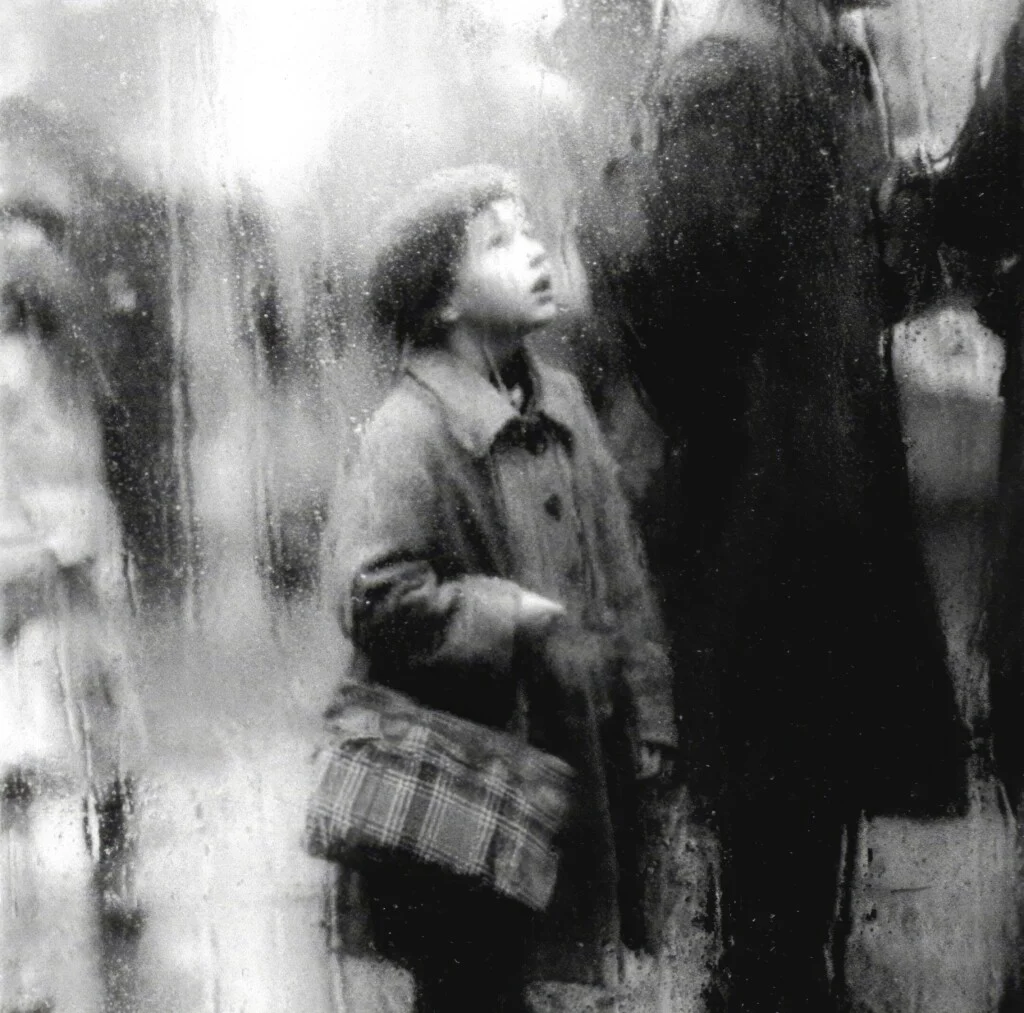
Through the Glass already announces an aesthetic program in its title: photographing through glass, reflections, and surfaces — placing a membrane between the photographer and the subject, between inside and outside. Eagleton works on thresholds, and thresholds, as we know, are the most interesting places. Her street photography is never frontal: it is oblique, refracted, and precisely because of this it can say things that a lens pointed directly could never capture.
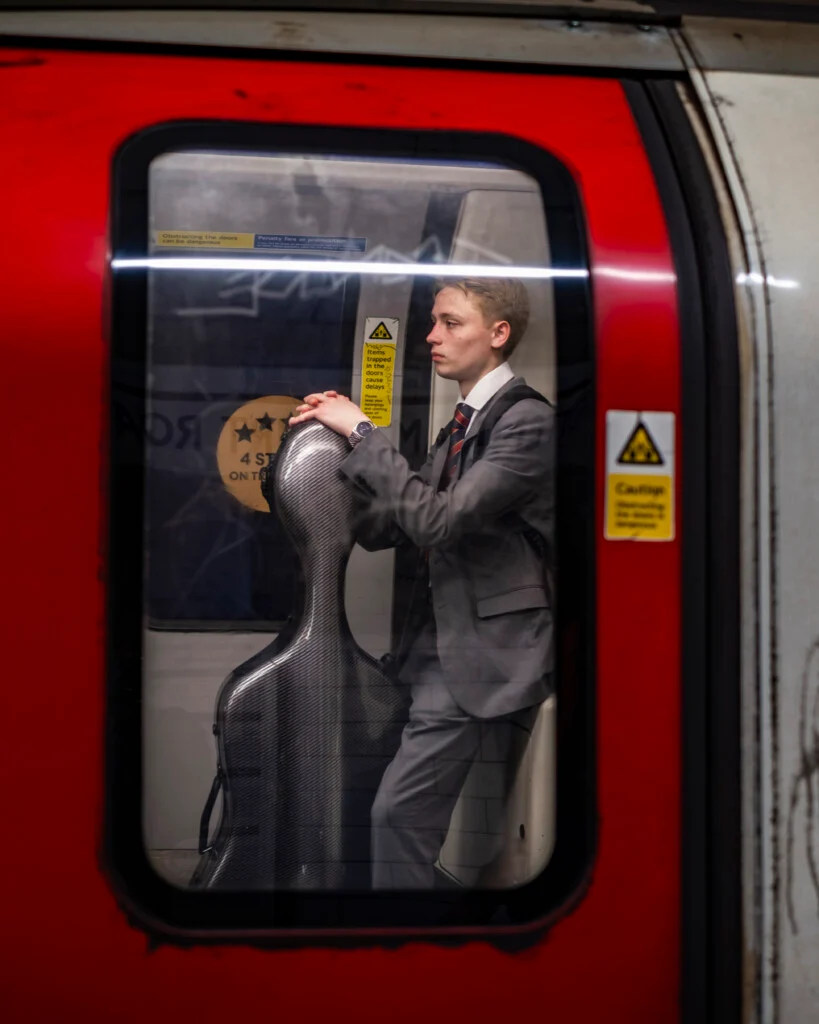
9. Kevin Nkrumah — Light as language
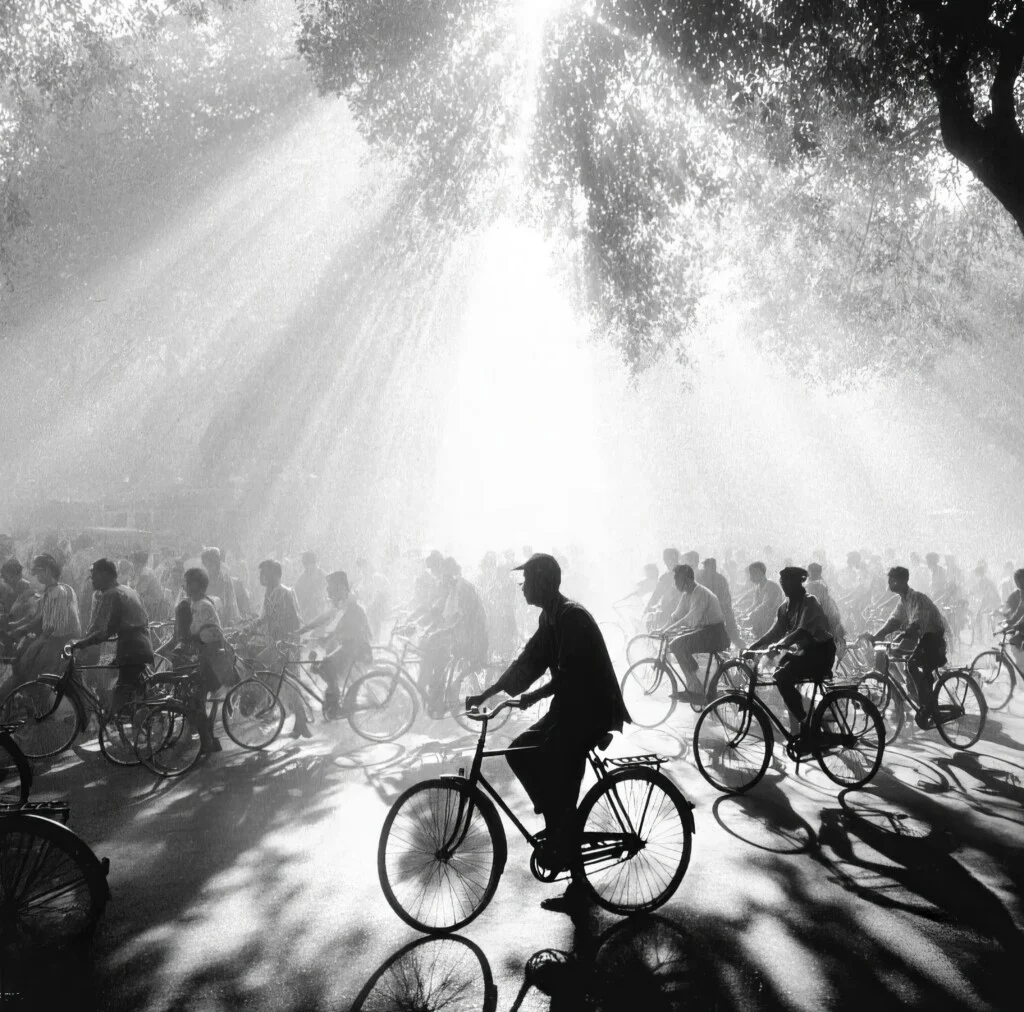
The title of his project is already a poetic statement: The Language of Light. Nkrumah works with light not as a technical tool but as narrative material. Light that cuts, separates, reveals, hides. In his urban photography, every ray carries a meaning beyond aesthetics. He is a photographer who makes you look at shadows differently.
10. Gianni Berengo Gardin — The eye as a civic act
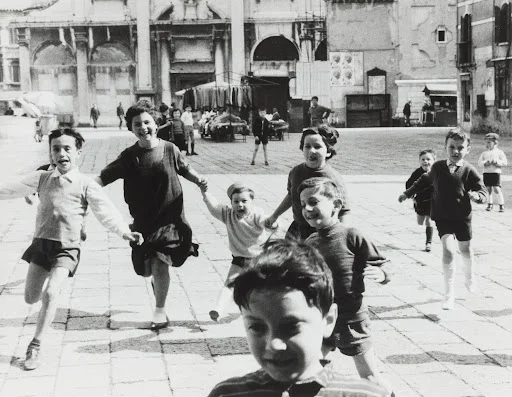
Talking about Italian street photography without Berengo Gardin is impossible. Born in Santa Margherita Ligure in 1930, always with his Leica around his neck, he left behind an immense archive — more than two million negatives and over 260 books — that was never merely an exercise in style. “My work is not artistic but social and civic. I don’t want to interpret, I want to tell.” And he told everything: factories, Romani faces, Italian asylums with Morire di classe, squares, construction sites, kisses under the arcades of San Marco. Berengo Gardin — who passed away in August 2025 at the age of 94 — is the unavoidable reference point, the measure with which anyone who has ever photographed an Italian street must reckon. Not because he invented a style, but because for seventy years he demonstrated that photographing can be an ethical act.
The street is waiting. The next frame is already there, somewhere — we just don’t know yet who will take it.
Read also: Shirley Baker, the street photographer of British streets