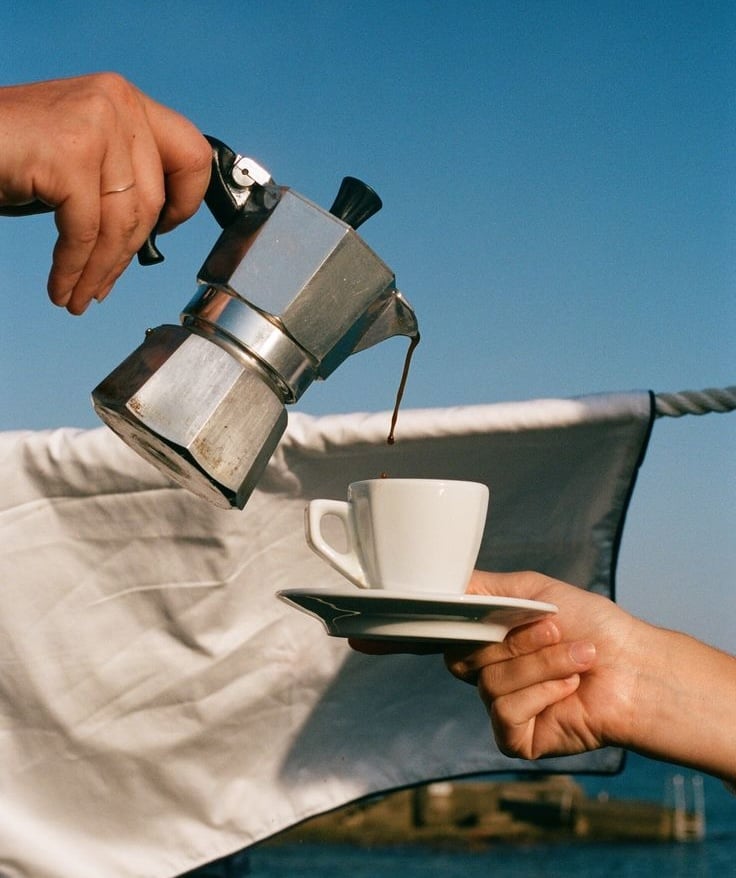
On April 21, among all the possible international celebrations, let’s be honest: it was finally time to dedicate one to the moka.
Coinciding with World Creativity and Innovation Day, Moka Day is officially born—a celebration paying tribute to one of the most recognizable and beloved objects of Italian design. A domestic icon that has crossed nearly a century of history without losing either its function or its imagery: the coffee rising, the bubbling sound that signals the perfect moment, the aroma that fills the air.
Its story is now the stuff of legend. When the Moka Express appeared in the early 1930s, it brought a quiet revolution into homes: coffee moved out of cafés and into the domestic sphere. Since then, the moka has never truly left Italian households—and far beyond.
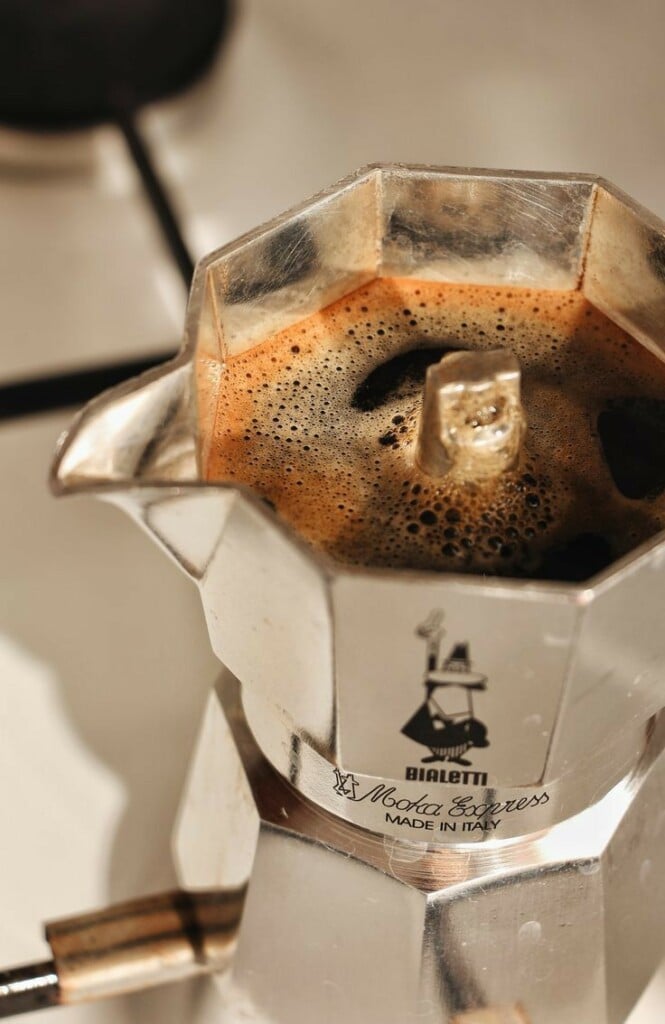
Yes, today there are capsules, automatic machines, hyper-technological systems and increasingly fast rituals. But the moka remains a constant: an object that is not only functional, but cultural. It is design, memory, a daily gesture. It is time measured in waiting.
To celebrate this first Moka Day, we have gathered 10 iconic, historical and contemporary moka pots: objects that show how a simple kitchen tool can become part of a shared collective imagination.
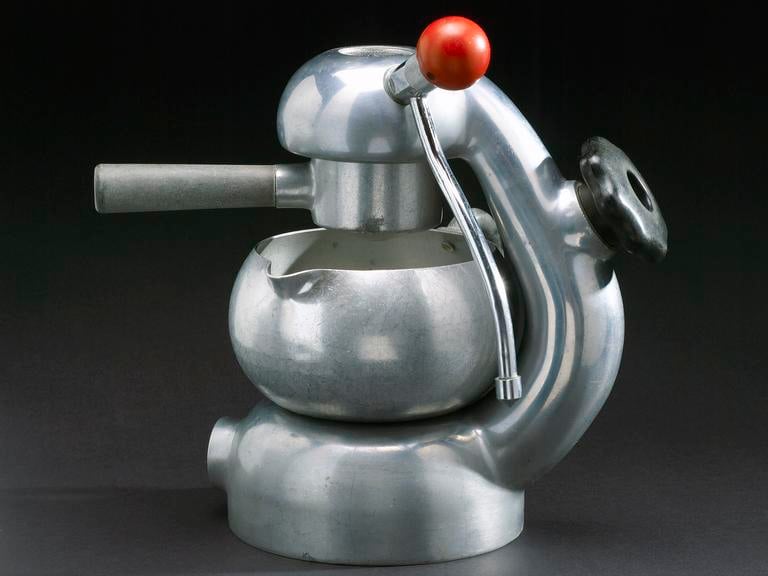
The ATOMIC – Giordano Robbiati, 1946
Among the earliest post-war evolutions, the Atomic retains a technical, robust aesthetic and reflects the moment when domestic coffee became a definitive part of everyday Italian life.
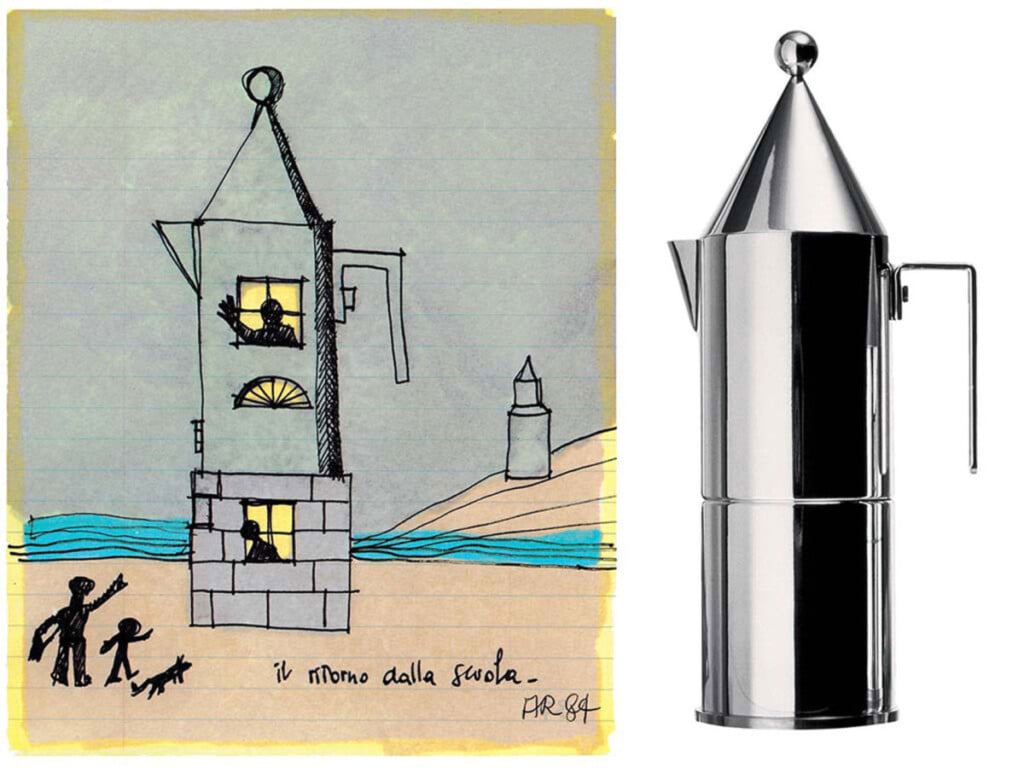
La Conica – Aldo Rossi (1984)
One of the most iconic interpretations of Italian design, where an object becomes miniature architecture: geometric, recognizable, almost monumental.
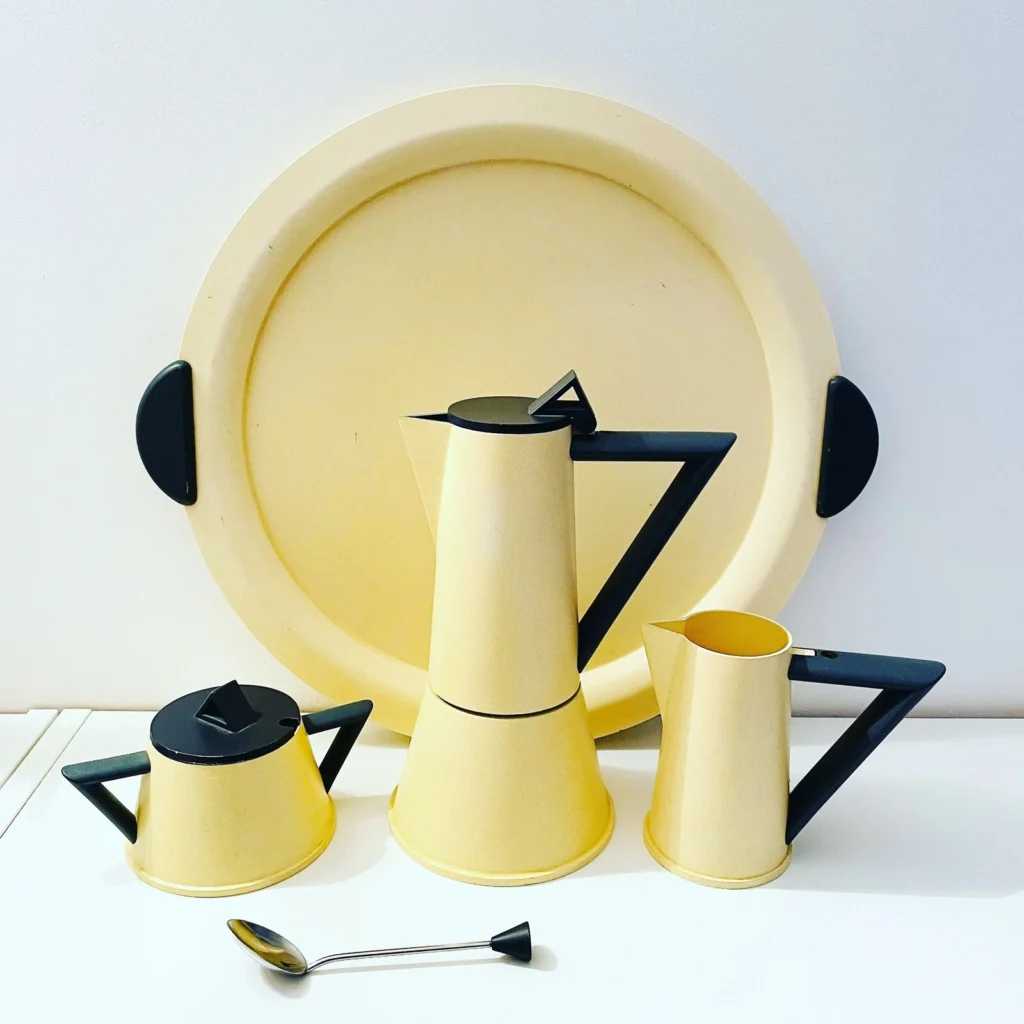
Lagostina Coffee Set – Ettore Sottsass, Matteo Thun (1984)
A project that takes us into the realm of experimental 1980s design. Color, composition and design language transform the object into a broader, almost scenographic system.
La Pavoni – Caffettiera Opera, Cini Boeri (1989)
An essential and rigorous approach. Cini Boeri’s signature is evident in the formal clarity and the reduction of the object to its primary function.
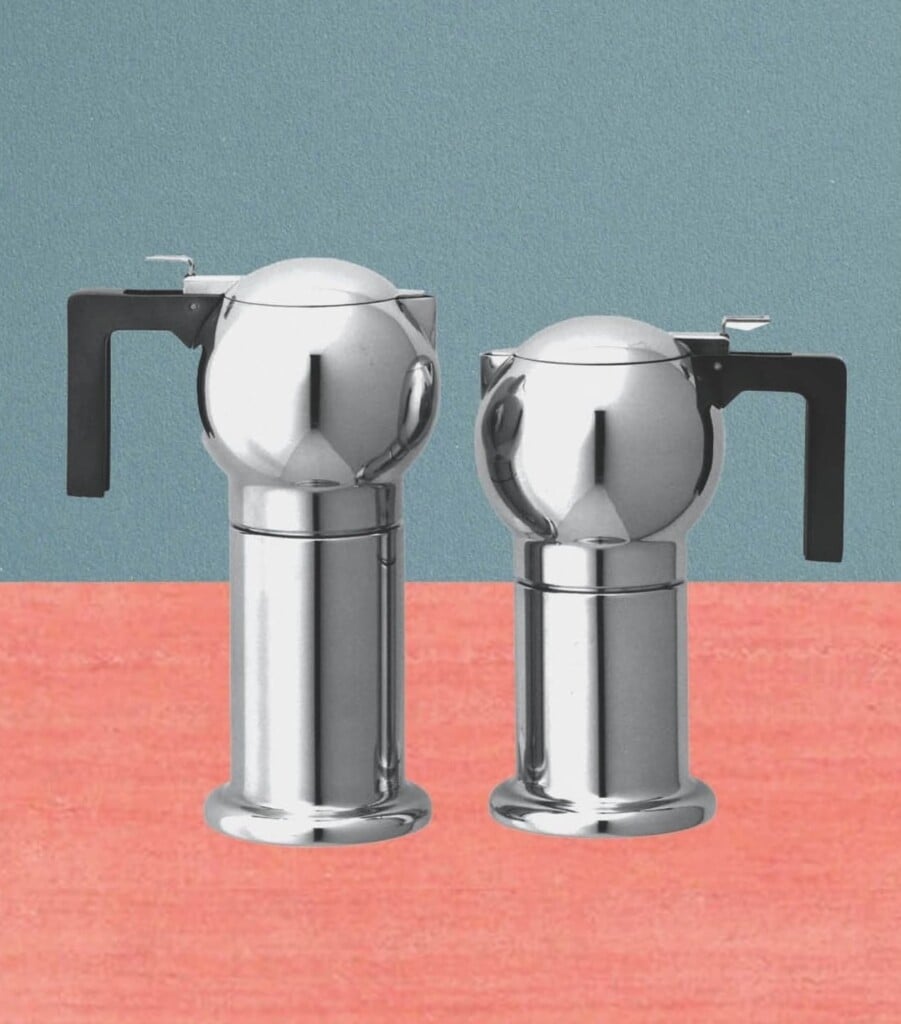
MACH Italian moka coffee maker – Isao Hosoe (1993)
A project that interprets the moka as a contemporary machine, playing with ergonomics and industrial precision.
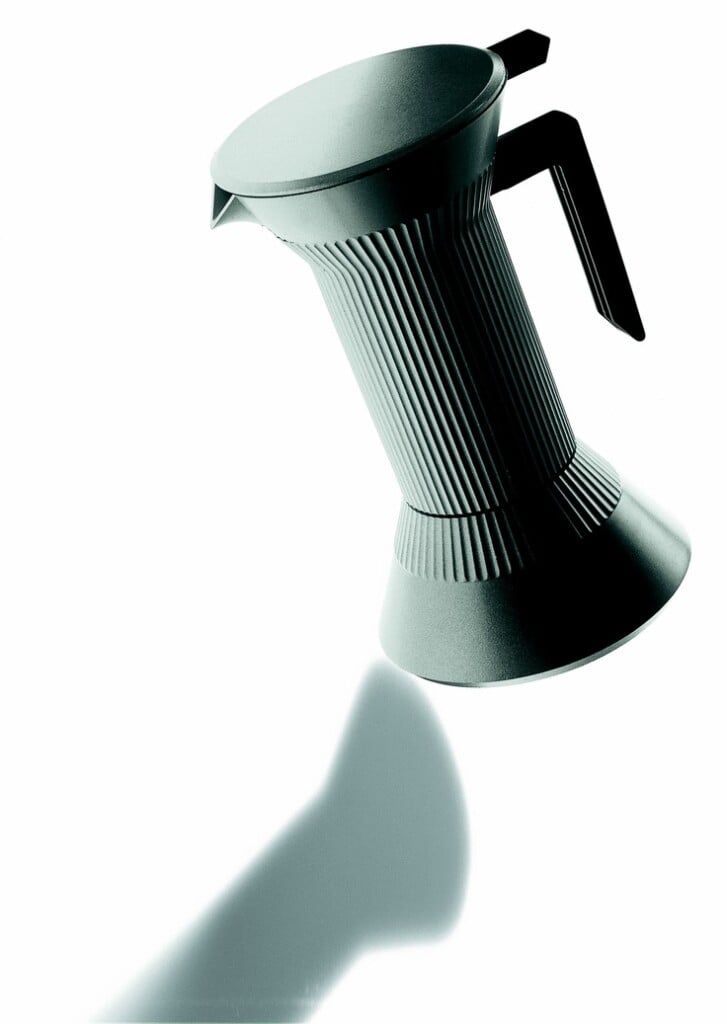
Lazaniezani – Ettore Sottsass for Zani&Zani (1998)
An object that brings Sottsass’s language into the domestic space, combining color, irony and a strong formal identity.
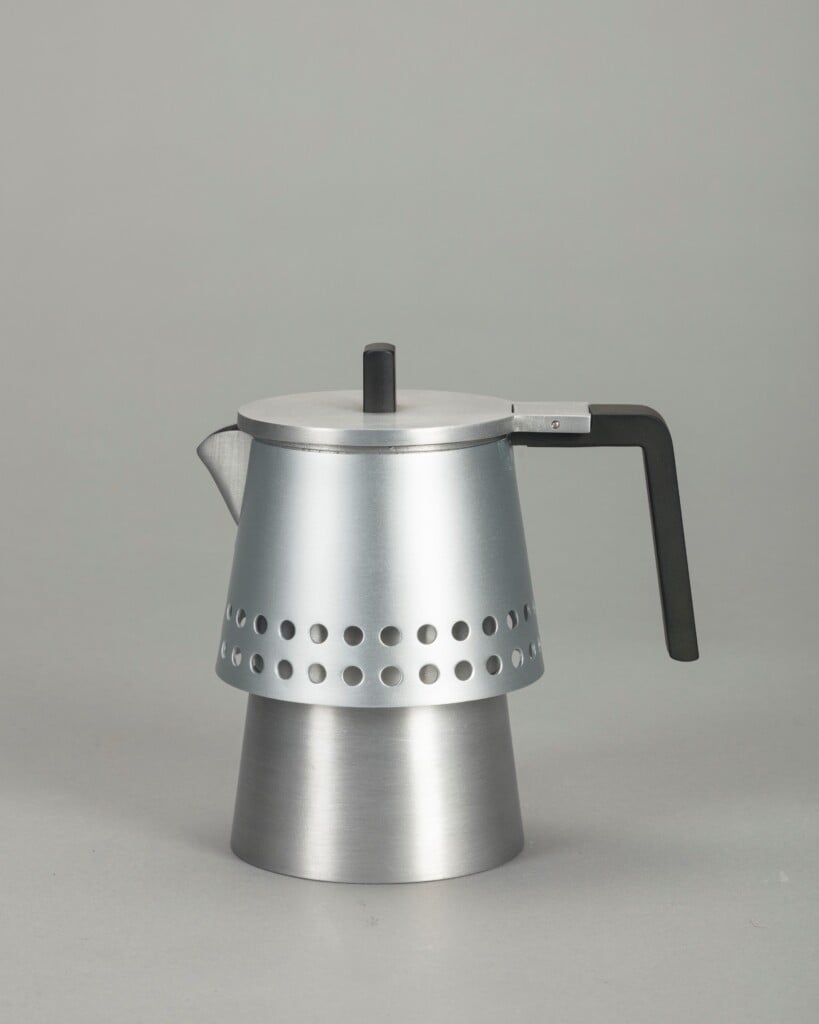
Pulcina – Michele De Lucchi for Alessi
A project that combines functionality and formal research. Its soft, sculptural lines reinterpret the coffee-making gesture in a contemporary way.
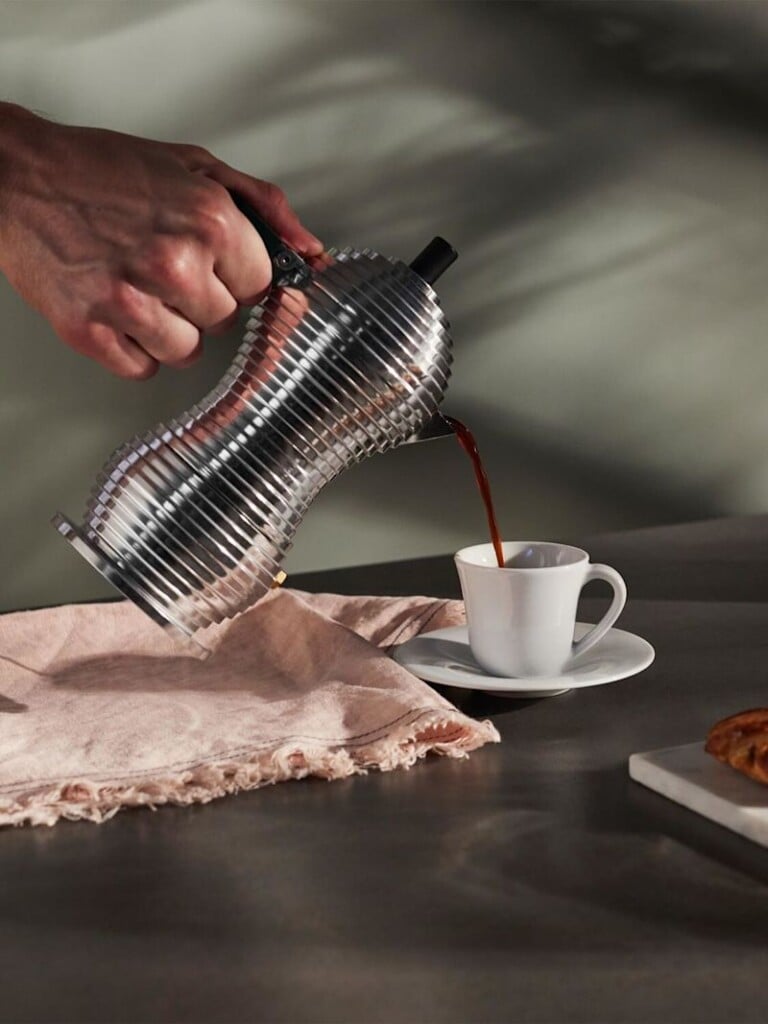
Ossidiana – Mario Trimarchi (2014)
With a strong material character, Ossidiana recalls natural, almost geological forms, turning the object into a sculptural presence.
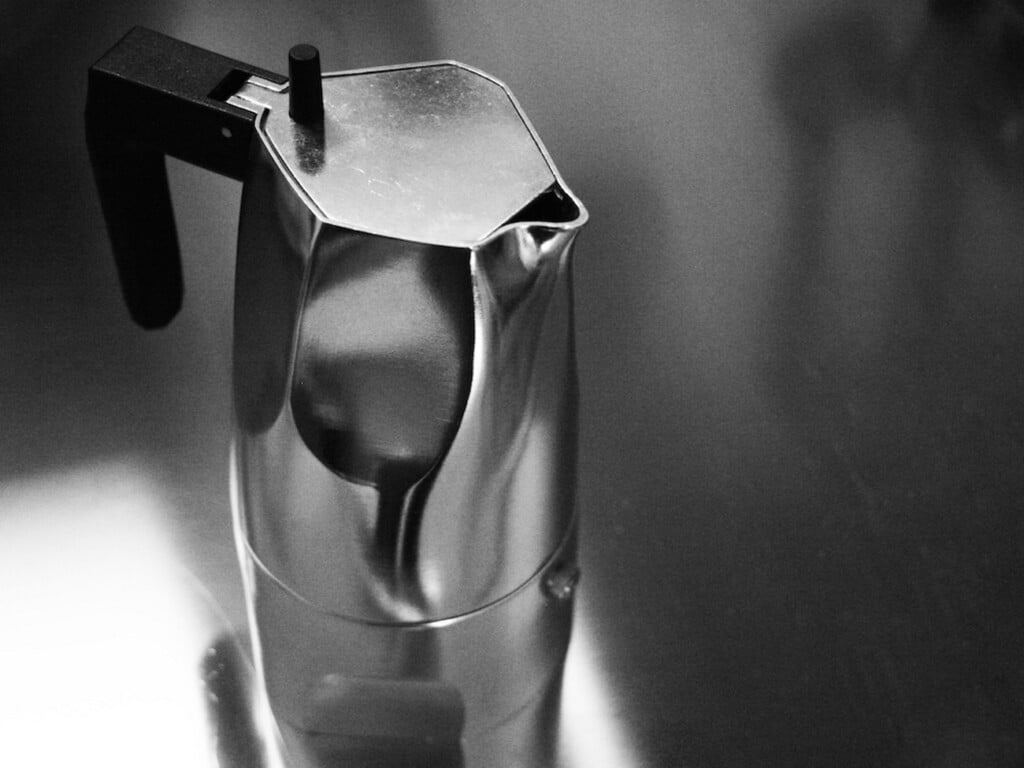
MOKY – Davide Bozzo (2015)
A recent design example that offers a minimal reinterpretation, with attention to the evolution of domestic habits.
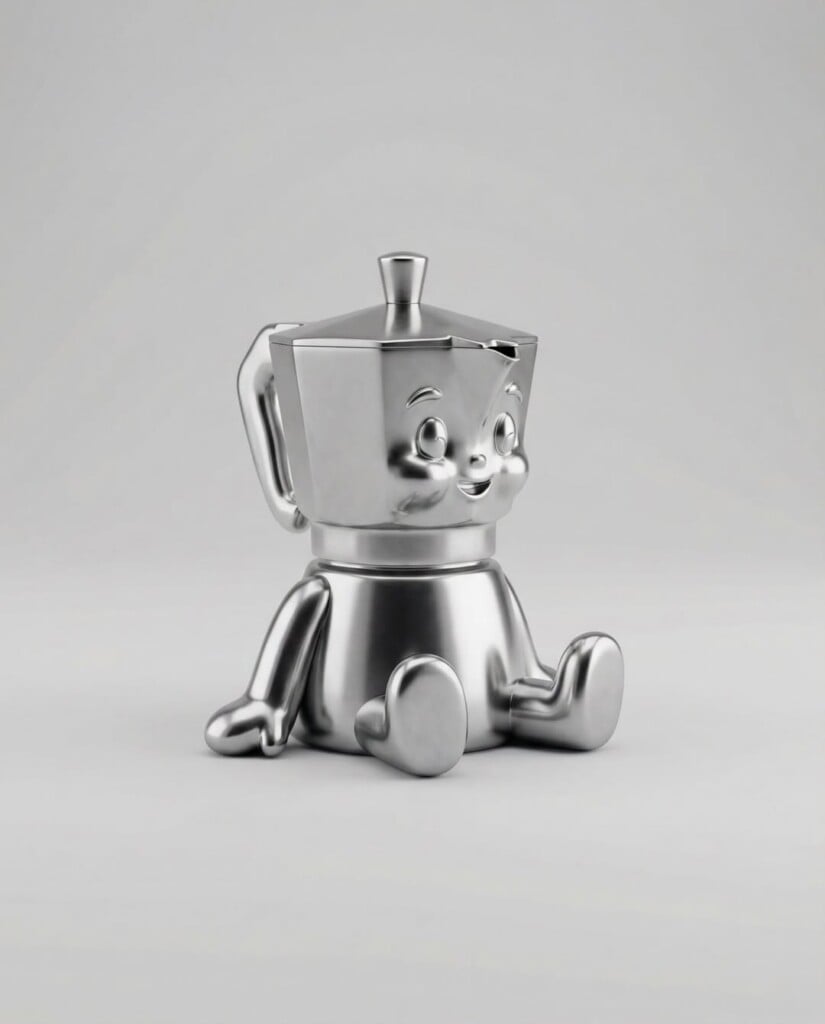
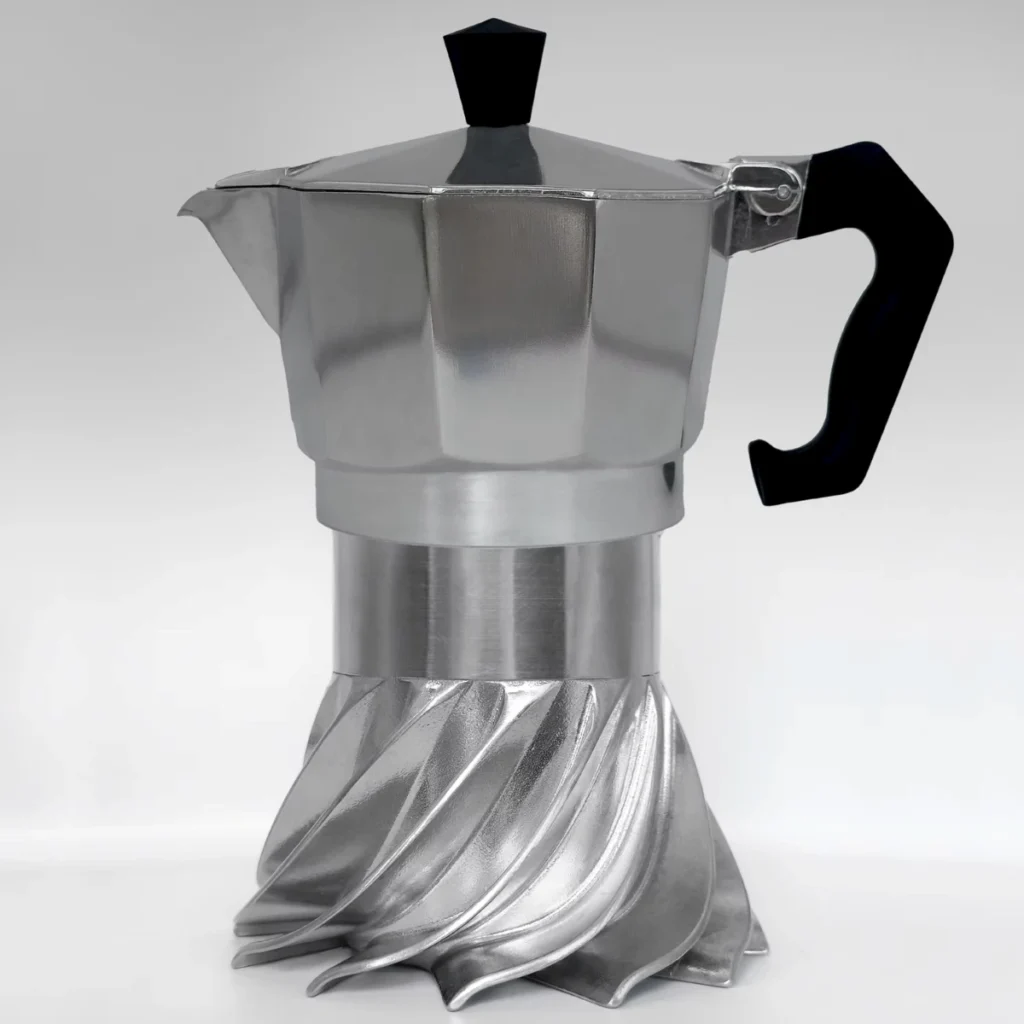
Turbo Moka – Matteo Frontini (2025)
A contemporary reinterpretation that explores the idea of performance and acceleration, without losing its connection to the original ritual.