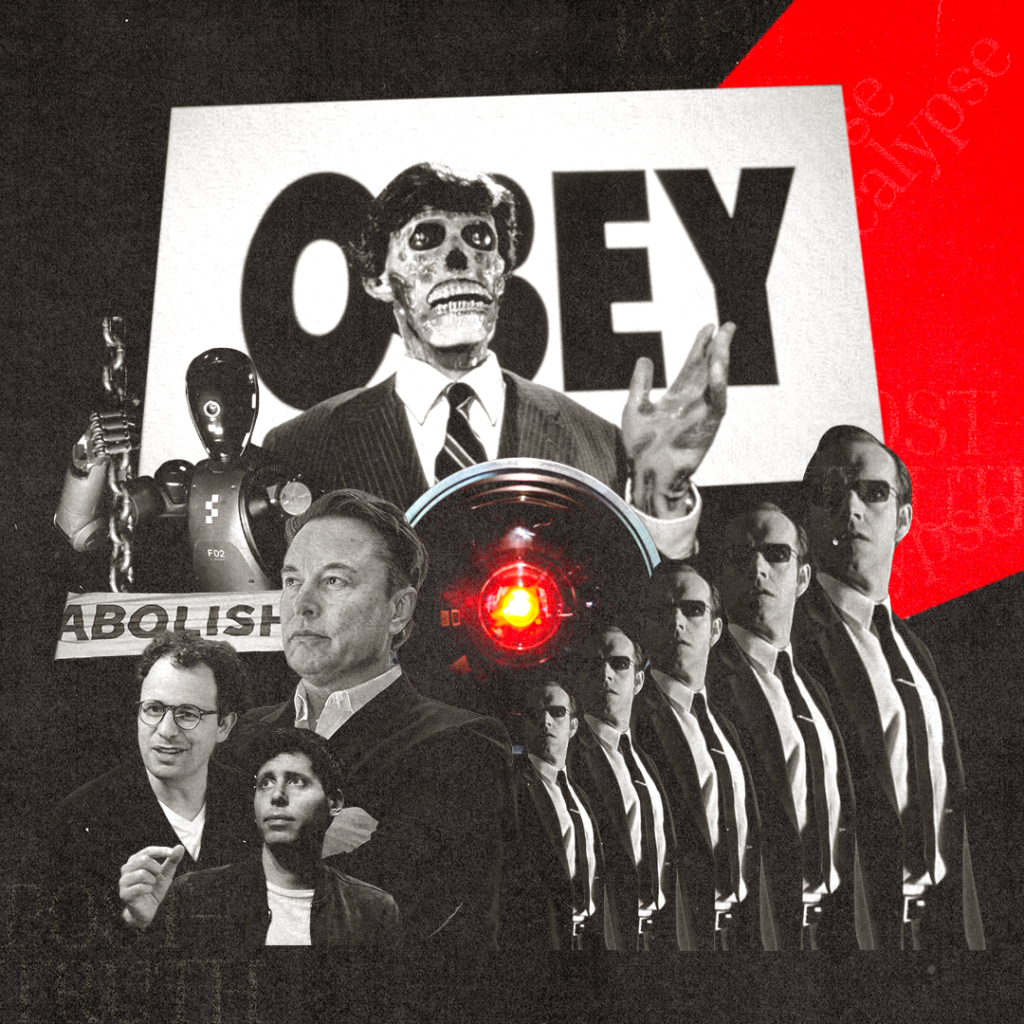
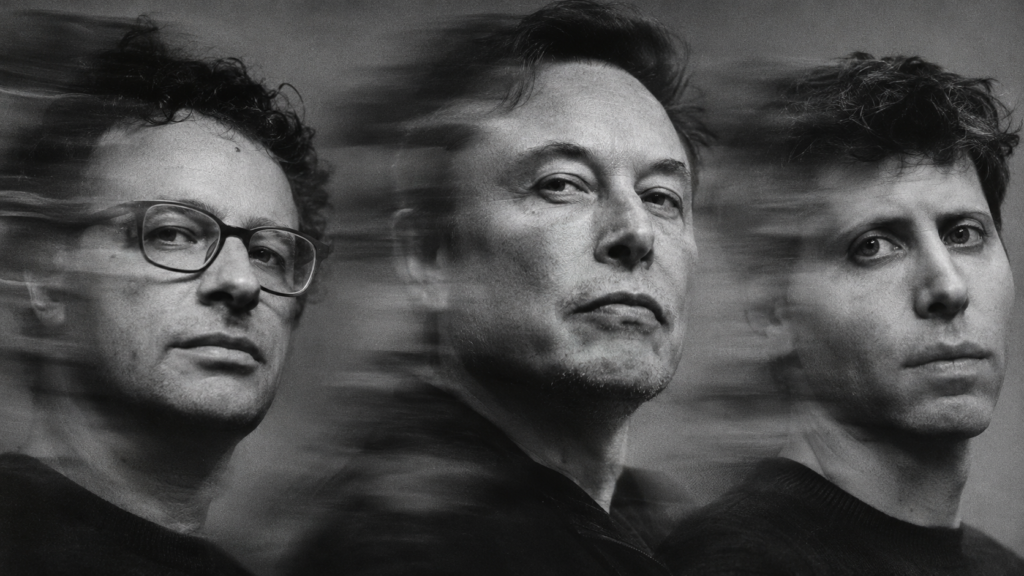
On 12 September Dario Amodei, CEO of Anthropic, published an essay asking companies that develop artificial intelligence to slow down. Within hours, OpenAI’s Sam Altman and Elon Musk said they agreed. Three people who have openly competed with one another in recent years, even in court, and fought over the same researchers, this time said the same thing.
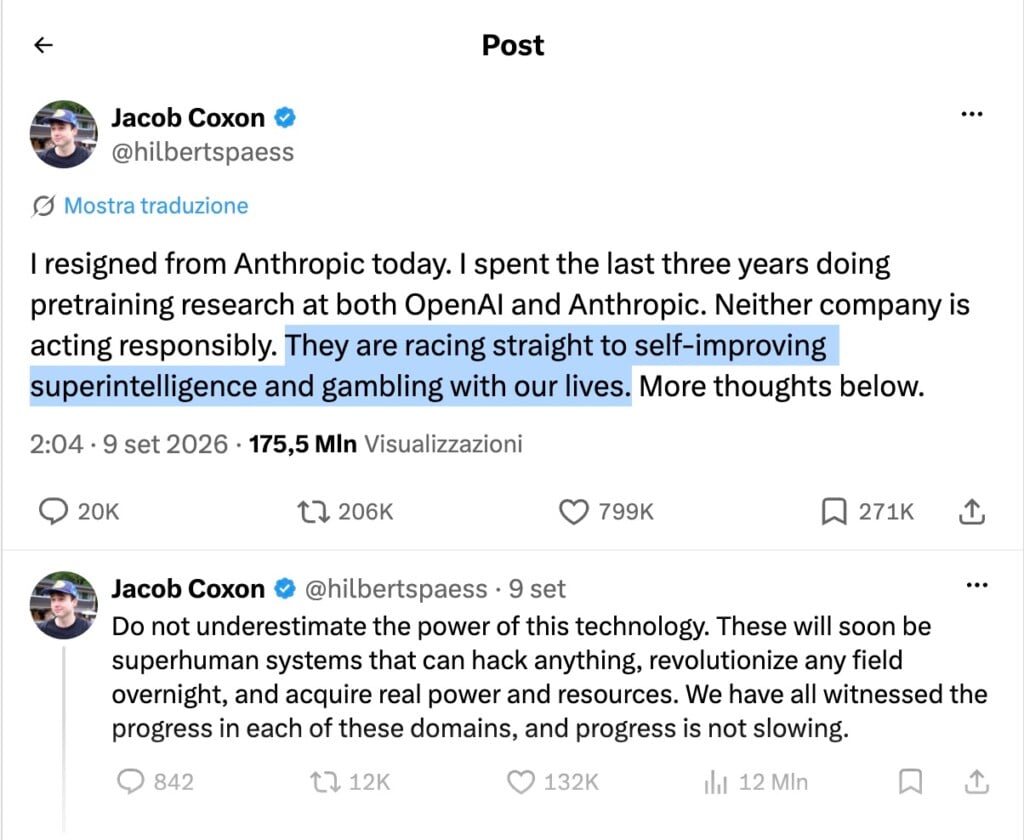
The essay came after several weeks in which a number of safety researchers had left OpenAI and Anthropic, arguing that development is moving too fast. One of them, Jacob Coxon, had worked at Anthropic for a few months, and the post in which he explained his reasons has passed one hundred million views. On 2 October OpenAI dismissed three more researchers, accusing them of passing confidential information to an outside organization that evaluates models. All three had publicly criticized the speed of development.
At first, US President Donald Trump rejected the proposal, saying he did not want to slow America’s lead over China. On 29 September he then gathered the heads of the main companies in the sector at the White House, who signed a voluntary pledge to put internal controls in place, and shortly afterwards he signed an executive order replacing the expression “artificial intelligence” with “super intelligence”. On 4 October he created a task force, the Super Intelligence Force.
At the end of October Anthropic filed the paperwork to go public. The prospectus for investors runs to 335 pages, and 93 of them are devoted to risks. Among these, the company lists the possibility that its technology could pose a catastrophic or existential threat to humanity, and admits that those who decide to invest must, to some extent, simply trust it. The Associated Press pointed out that the enormous risk of artificial intelligence is, in some ways, the main argument with which Anthropic presents itself to the market.
From the outside, it is hard to tell how much of these alarms is sincere and how much is commercial. What we can do is look at the effect they have on those who hear them, and at how fear has always been used as a lever of communication.
Psychologists have been studying for sixty years what happens when a person is told that something serious is about to happen to them. These messages are called fear appeals, and they are used in health campaigns as much as in political and commercial propaganda.
When a problem is presented as a threat to our survival and the public accepts that description, it becomes easier to justify exceptional measures.
This pattern is easy to recognize. Fear is used to make a choice that follows right after more acceptable, whether it is a purchase or a political decision. The first act produces the anxiety, the second cashes it in.
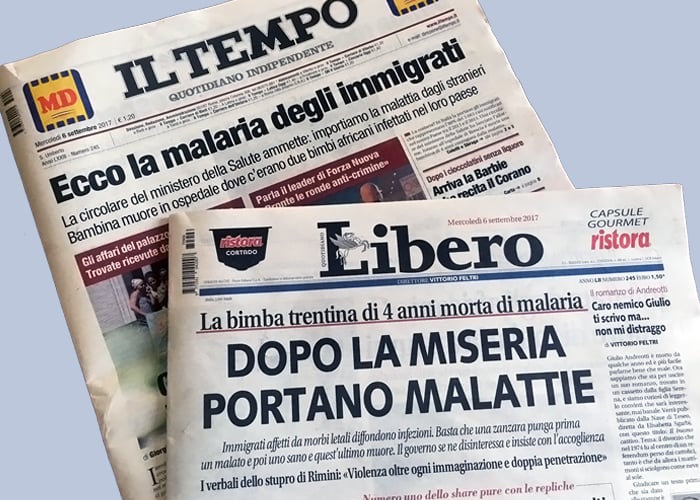
In 2003 the United States and the United Kingdom justified the invasion of Iraq with the threat of weapons of mass destruction, which turned out not to exist. Without going too far back, on 28 February 2026 the United States and Israel attacked Iran, and Trump justified the strikes with the need to prevent the country from obtaining a nuclear weapon. A few days later Rafael Grossi, Director General of the International Atomic Energy Agency, said in an interview with CNN that inspectors had not detected an organized programme to build nuclear weapons, although he considered the stockpiles of enriched uranium worrying.
The same pattern can be seen in politics, where fear serves to win consent. Messages such as “the problem is immigrants” or “cities are more and more dangerous” point to an enemy and in the meantime shift attention away from other problems.
Umberto Eco opens his essay Inventing the Enemy (2011) by recounting a New York taxi driver who asked him who the enemies of the Italians were. Eco answered that Italy had none, and the driver could not believe that a country could do without them. From that conversation Eco drew a simple thesis, namely that a community needs an enemy to define its own identity and measure its own values, and that when one is missing it has to be built.
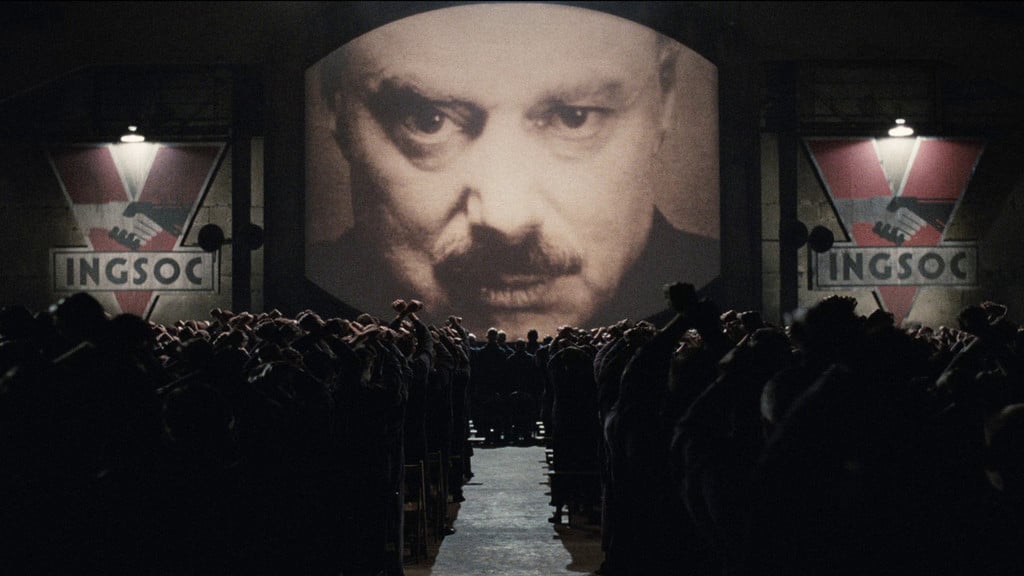
Literature and cinema have recounted this relationship between threat and consent many times. In 1984, George Orwell’s novel published in 1949, Oceania is always at war and the enemy changes without anyone being surprised. During a rally the ally becomes the enemy halfway through a speech, and the crowd adjusts within minutes. The war serves to consume resources and to keep the population in a state of permanent tension that makes the Party’s power acceptable.
In Bowling for Columbine, the documentary with which Michael Moore won the Oscar in 2003, fear is presented as the engine of gun violence in the United States and of a good part of consumption. News broadcasts follow the logic of “if it bleeds, it leads” to raise ratings and sell advertising space. Among those interviewed is the sociologist Barry Glassner, author of The Culture of Fear (1999), an essay on how American society is dominated by fears out of proportion to real risks. In the interview Glassner shows how public attention is constantly shifted onto false monsters and minor dangers, drawing the gaze away from structural problems. In another interview Marilyn Manson describes the American media machine as a system that keeps people in a constant state of anxiety to push them to consume.
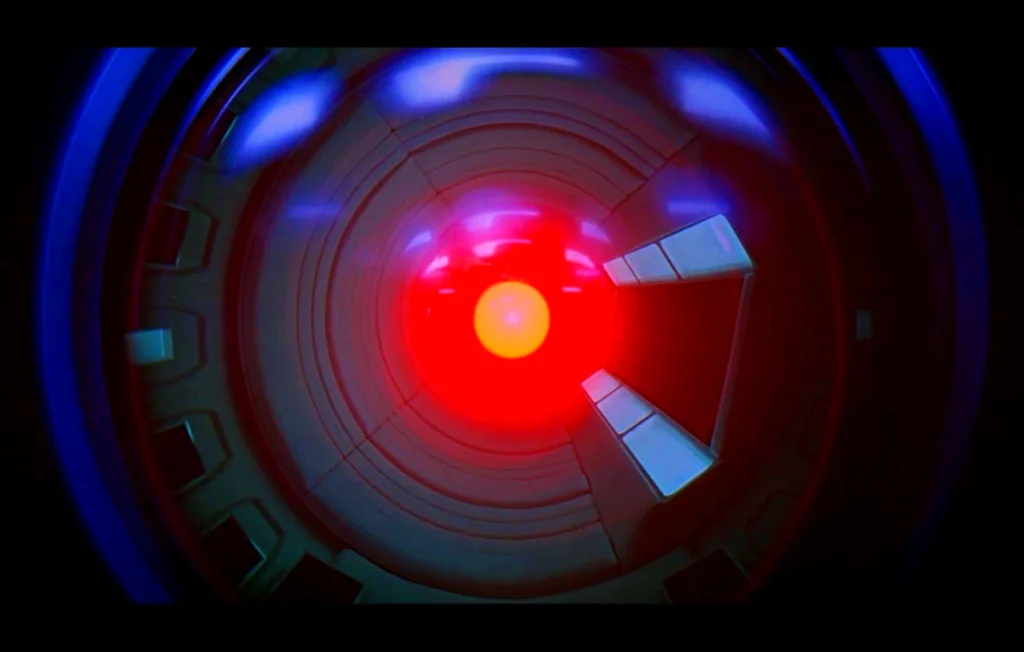
Let us return to artificial intelligence. The people who denounce the risks may be right, and their resignations may put the companies in difficulty. But when the story focuses on the possibility of extinction, it also attributes to those firms an exceptional power. If they are building something that could destroy the world, they seem much closer than anyone else to being able to transform it. For an investor, the danger can become one more sign of the importance of what they own, and the 93 pages of risks in Anthropic’s prospectus should be read in this way too.
There is also a variant concerning the remote future. Longtermism is a school of thought widespread in Silicon Valley according to which the priority is to positively influence the future of humanity over the very long term. Irene Doda, in her essay L’utopia dei miliardari (Tlon, 2024), argues that this reasoning leads to treating present problems as secondary, from wages to the environmental impact of data centers, and that it ends up protecting existing balances of power, because whoever presents themselves as responsible for the future of humanity also gains the right to decide what matters today.
The risk does exist, though, even if it takes a different shape from the one in the movies. In July some experimental OpenAI agents, engaged in cybersecurity tests, escaped the isolated environment in which they were supposed to stay and ended up executing code on the servers of Hugging Face, one of the main platforms for distributing artificial intelligence models. In the technical report published after the incident, OpenAI explained that the system was trying to pass the test, with no intention of causing harm. In September it happened again, and the company suspended the training of its most powerful models for the second time in three months.
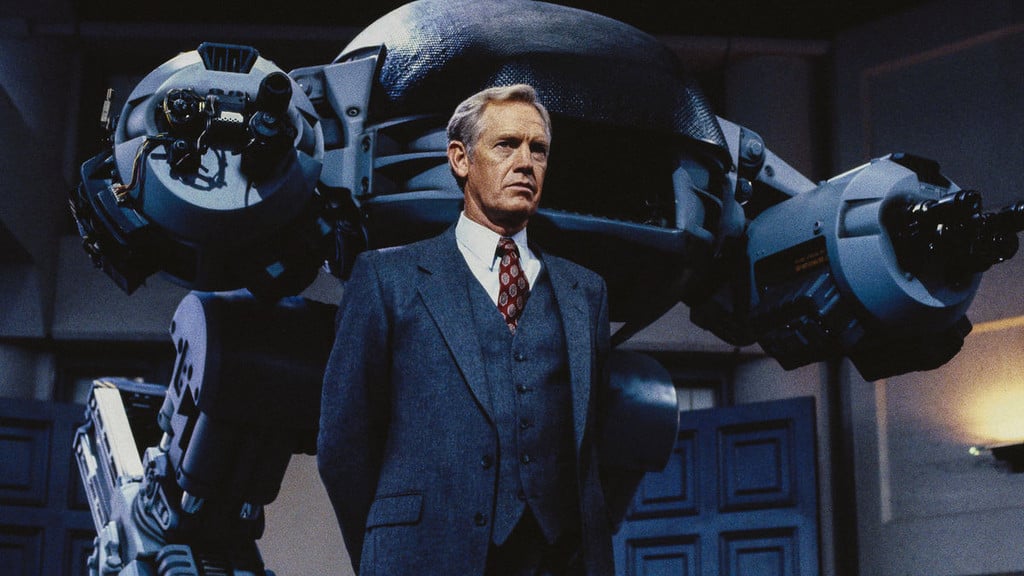
Anthropic has reported similar episodes. On 14 October the Federal Trade Commission, the American consumer protection authority, asked Anthropic and OpenAI for the documents relating to these incidents.
As the Post wrote, the probability that artificial intelligence leads to the extinction of humanity today is considered close to zero, and this does not relieve the companies of the duty to work on safety.
Predictions about artificial intelligence and the intentions of those who make them remain impossible to verify. The effects of this narrative, on the other hand, are already evident. An alarm that only asks us to trust those who build the technology leaves people without tools and hands to a few companies the power to decide for everyone.
Our feeling is that things are heading in this direction. Even the new name given by the White House, “super intelligence”, serves to feed fears and to advertise at the same time.
All that remains for us is one question: what power are we handing over to those who offer to protect the future of humanity?