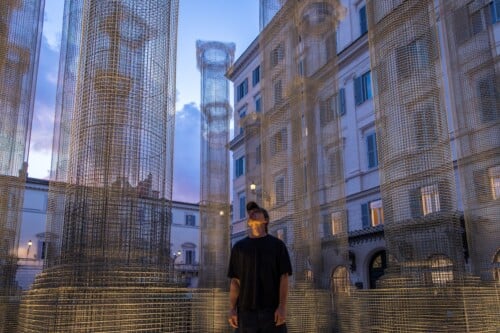
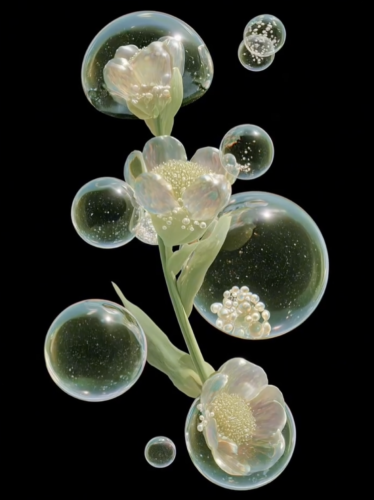
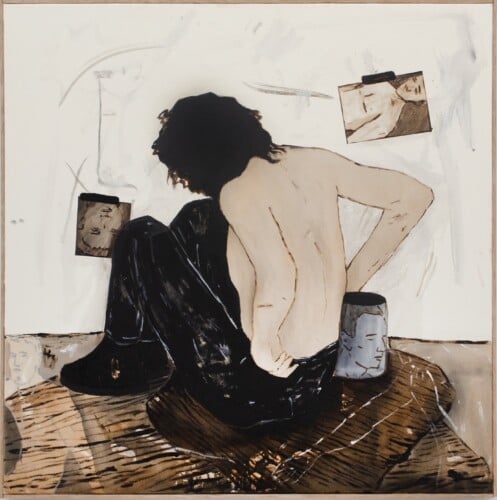
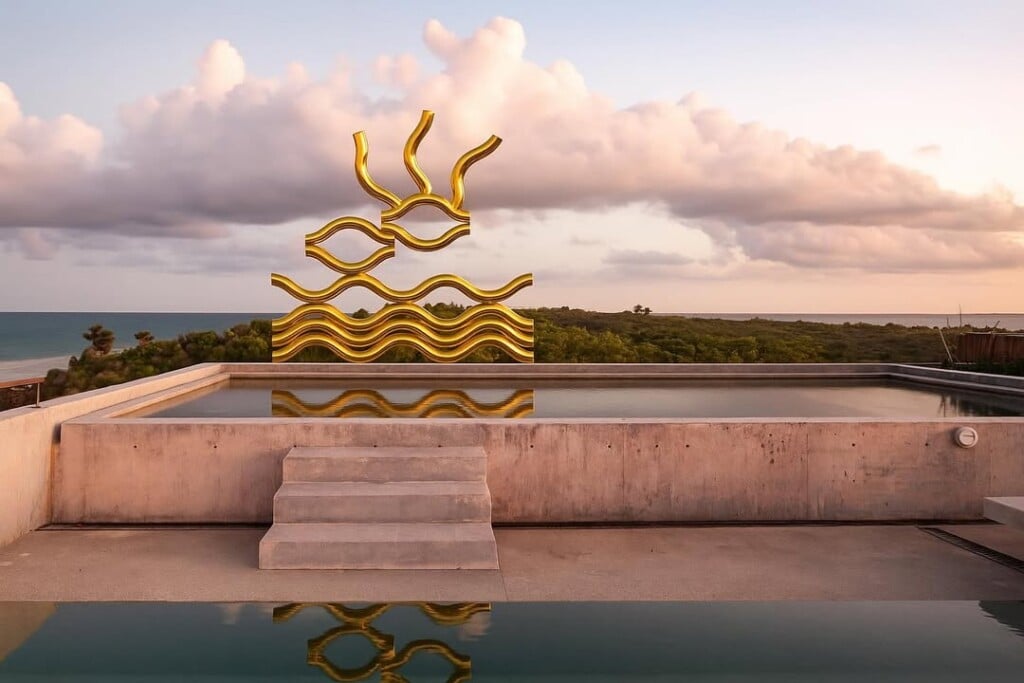
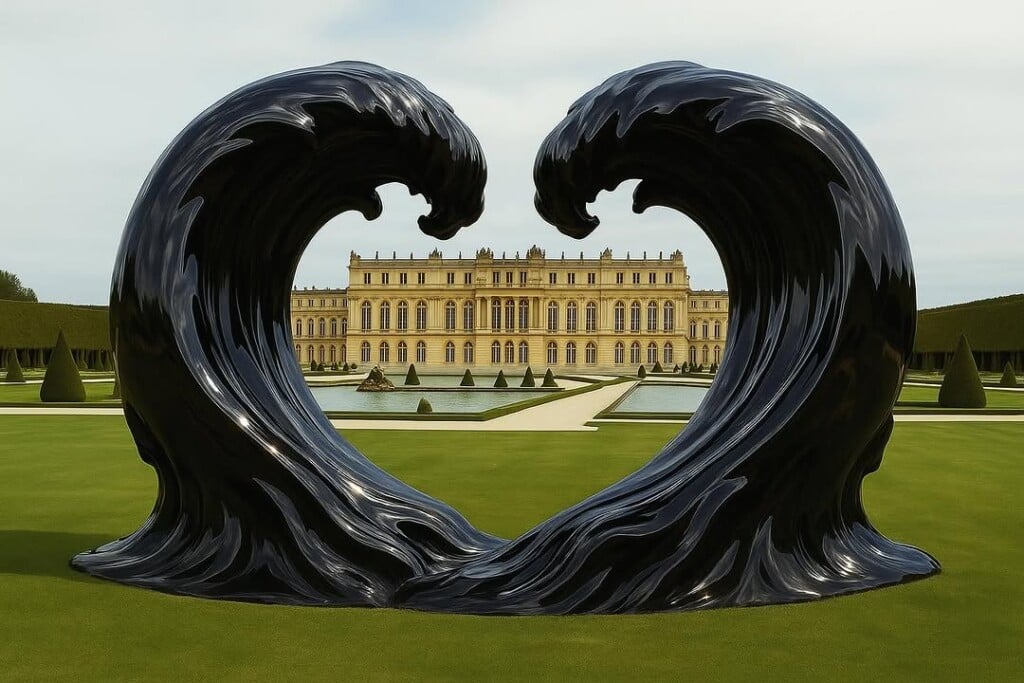
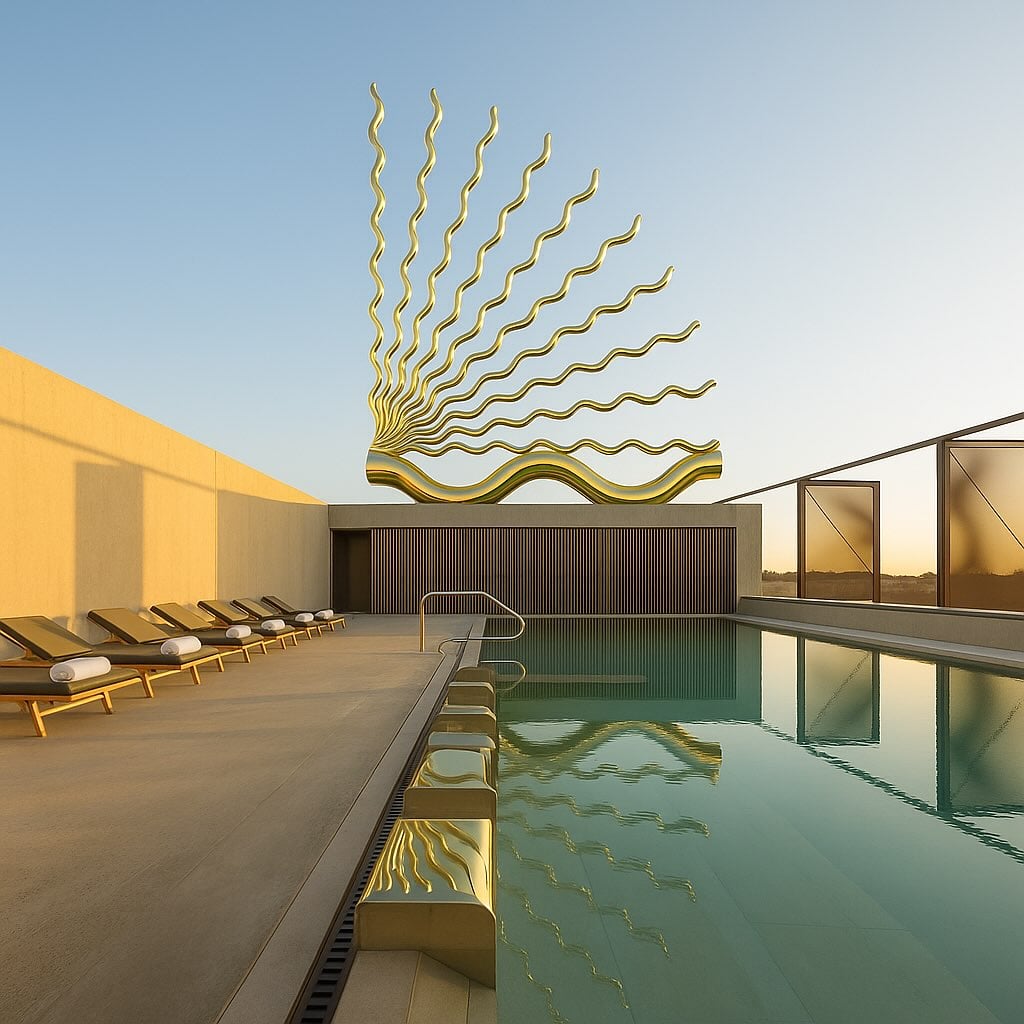
The entire artistic practice of Diango Hernández seems to be traversed by a wave that doesn’t need the sea to exist. It’s the wave of Olaismo, a concept coined by the Cuban artist to describe everything that flows and changes—like identities, political systems, and personal and collective memories. A wave that carries fragments of the past and pieces of the future, and that finds its most plastic and symbolic expression in the Piscinas Olaistas.
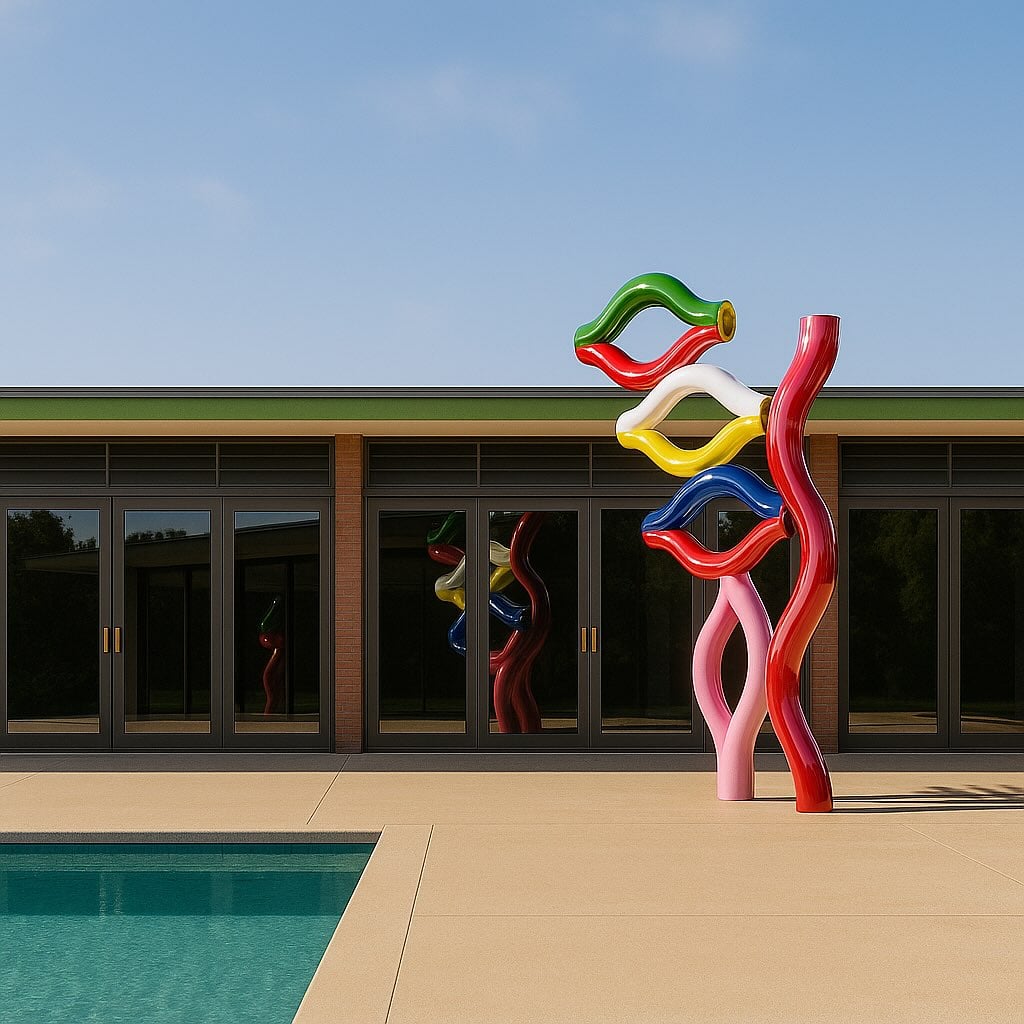
Born in Sancti Spíritus, Cuba, Diango Hernández has always intertwined art and biography, philosophy and poetry, with a sensibility that turns the personal into the universal. His work moves between drawing, sculpture, installation, and found objects, creating narratives that are never linear but made of layers, omissions, and memories that surface in waves. In this sense, Olaismo is not just an aesthetic but an existential methodology: it’s the acceptance of continuous transformation, of instability as the natural state of being.
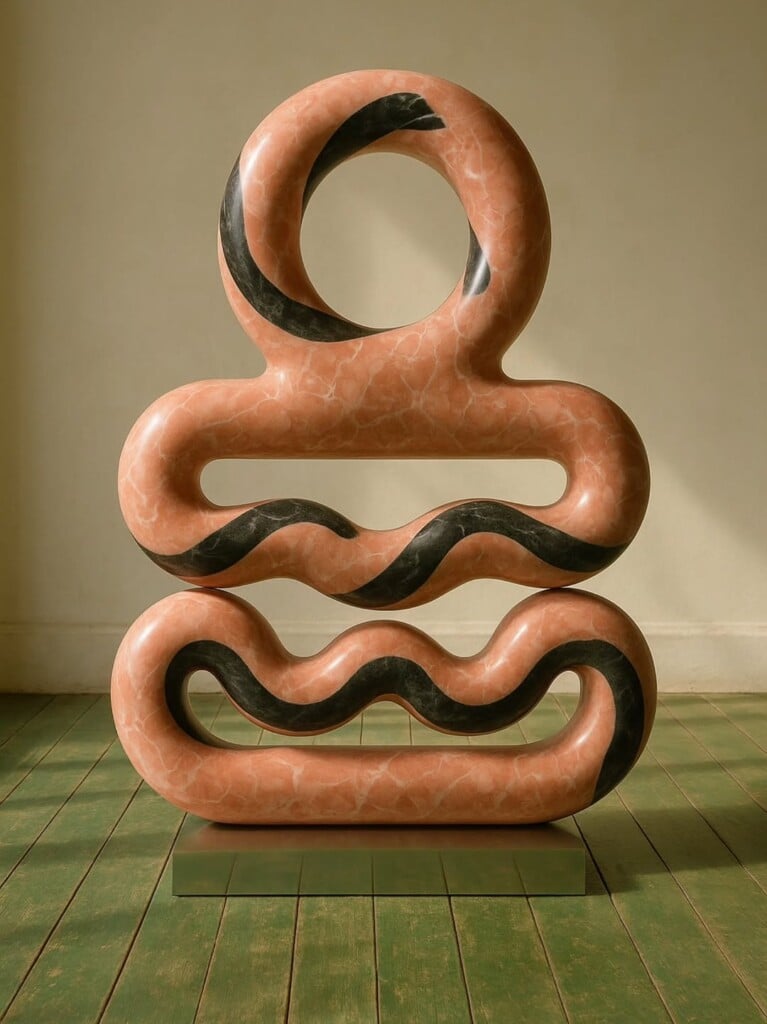
Diango Hernández’s Piscinas Olaistas
The Piscinas Olaistas, designed between 2015 and 2025, are perhaps the most evident manifestation of this liquid way of thinking. More than just pools, they are conceptual architectures that reflect the deep relationship between water and the human body. Every element, from the shape to the movement of the surface, is designed to evoke the idea of fluidity. In an increasingly rigid world, the Piscinas Olaistas become places where one can surrender to change—where contact with water becomes an almost meditative experience, a physical and emotional reconnection with the flow of things.
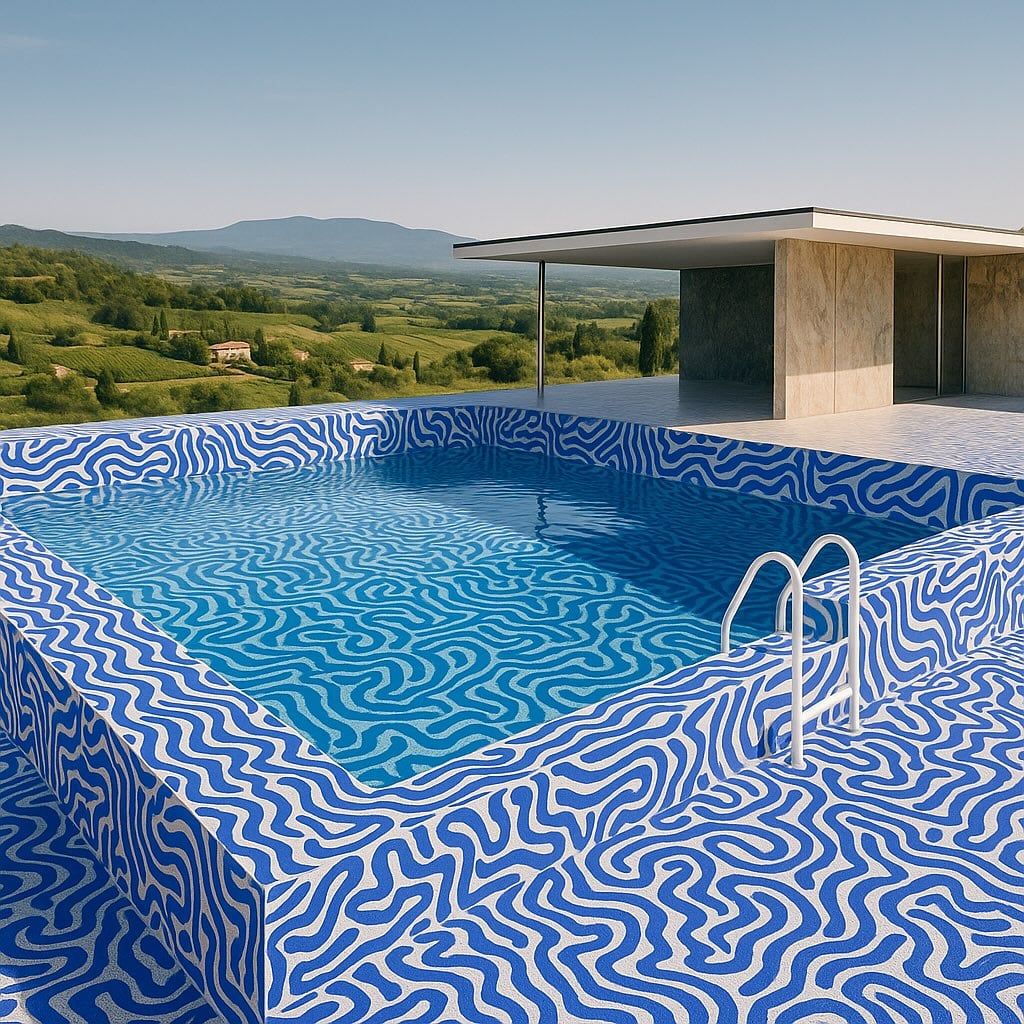
These pools perfectly embody the tension between loss and belonging that runs through all of Hernández’s work. As seen in other pieces like Home or The Book of Waves, Diango Hernández creates spaces where past and present mix, where memory becomes project, and instability transforms into visual language. Not by chance, water—a constant presence in his practice—is also a political metaphor: that of journeys, migrations, revolutions, and nostalgia.
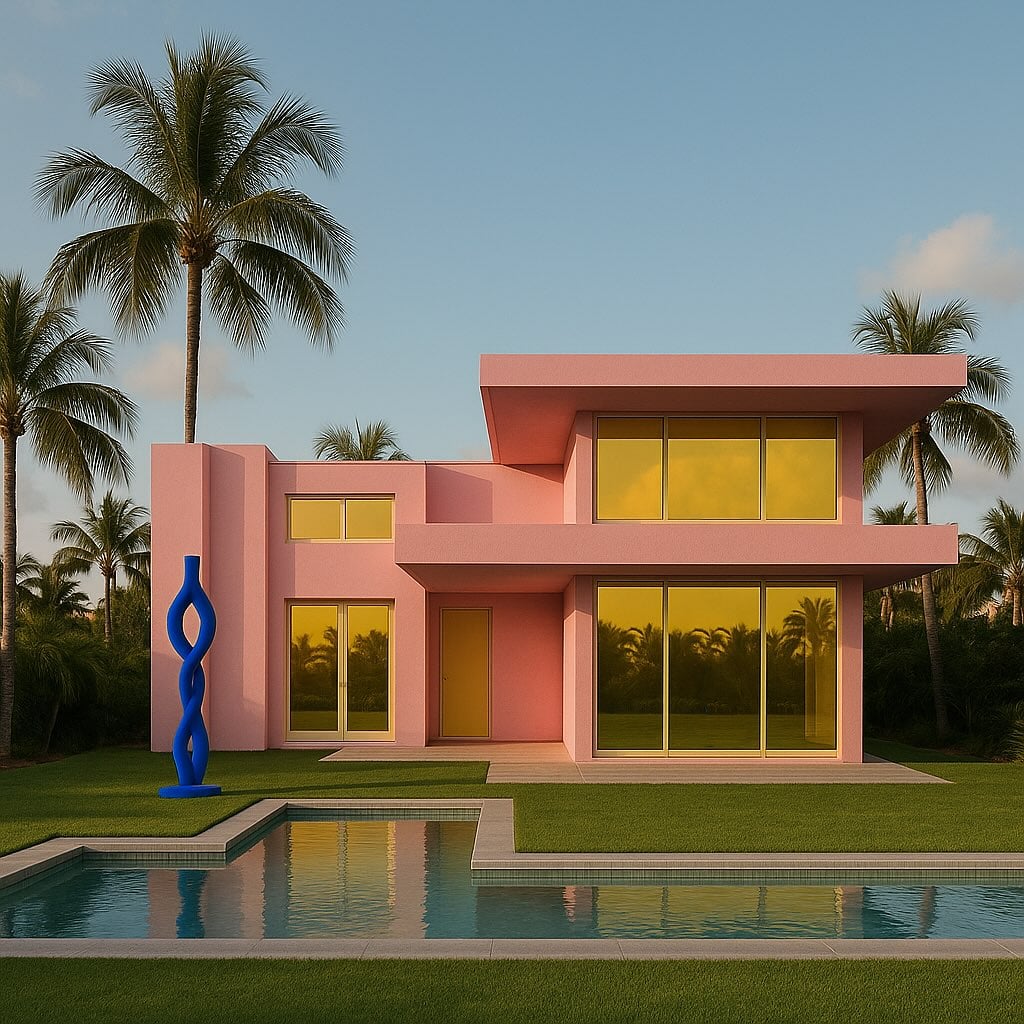
Olaismo does not present itself as a conventional movement; it has no followers or manifestos, but rather it is a radical approach to art and life. An invitation to let change pass through us without resistance. And with the Piscinas Olaistas, Diango Hernández offers us a tangible form to connect with this philosophy—literally immersing ourselves in a worldview that is as delicate as it is powerful.
L’intera pratica artistica di Diango Hernández sembra essere attraversata da un’onda che non ha bisogno del mare per esistere. È l’onda dell’Olaismo, un concetto che l’artista cubano ha coniato per raccontare ciò che scorre e cambia, come le identità, i sistemi politici, le memorie personali e collettive. Un’onda che porta con sé pezzi di passato e frammenti di futuro, e che trova la sua espressione più plastica e simbolica nelle Piscinas Olaistas.
Nato a Sancti Spíritus, Cuba, Diango Hernández ha sempre intrecciato arte e biografia, filosofia e poesia, con una sensibilità che trasforma il personale in universale. Il suo lavoro si muove tra disegno, scultura, installazione e oggetti trovati, costruendo narrazioni che non sono mai lineari, ma fatte di strati, omissioni e ricordi che emergono a ondate. In quest’ottica, l’Olaismo non è solo un’estetica, ma una metodologia esistenziale: è l’accettazione della trasformazione continua, dell’instabilità come stato naturale dell’essere.
Le Piscinas Olaistas di Diango Hernández
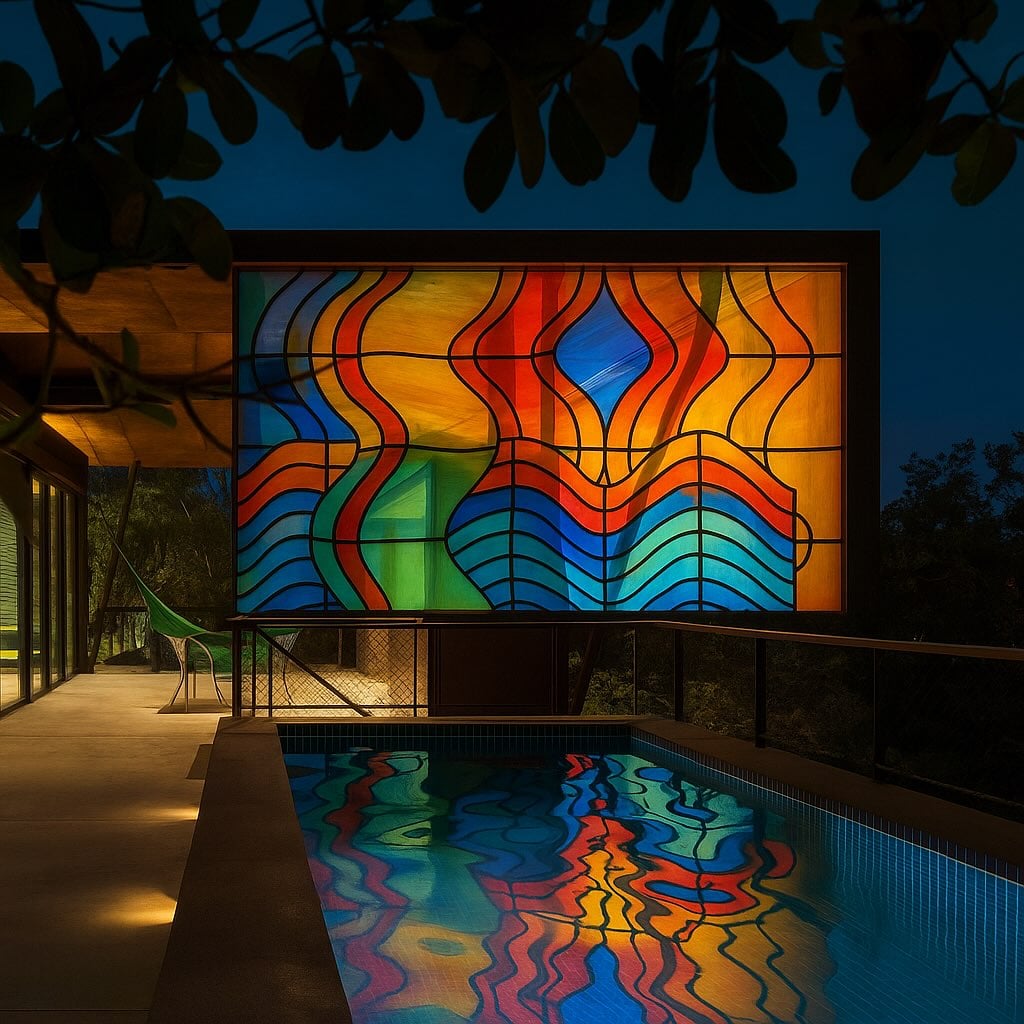
Le Piscinas Olaistas, progettate tra il 2015 e il 2025, sono forse la manifestazione più evidente di questo pensiero liquido. Più che semplici piscine, sono architetture concettuali che riflettono il rapporto profondo tra l’acqua e il corpo umano. Ogni elemento, dalla forma al movimento della superficie, è pensato per evocare l’idea di fluidità. In un mondo sempre più rigido, le Piscinas Olaistas diventano luoghi in cui abbandonarsi al cambiamento, dove il contatto con l’acqua diventa un’esperienza quasi meditativa, una riconnessione fisica ed emotiva con il flusso delle cose.
Queste piscine incarnano perfettamente la tensione tra perdita e appartenenza che attraversa tutto il lavoro di Hernández. Come accade in altre opere dell’artista come Home o The Book of Waves, Diango Hernández mette in scena uno spazio dove passato e presente si mescolano, dove il ricordo diventa progetto e l’instabilità si trasforma in linguaggio visivo. Non a caso, l’acqua, presenza costante nella sua pratica, è anche metafora politica: quella dei viaggi, delle migrazioni, delle rivoluzioni, delle nostalgie.
L’Olaismo non si presenta quindi come un movimento convenzionale, non ha adepti né manifesti, ma è un approccio radicale all’arte e alla vita. Un invito a lasciarsi attraversare dai cambiamenti senza opporre resistenza. E con le Piscinas Olaistas, Diango Hernández ci offre una forma tangibile per entrare in contatto con questa filosofia, immergendoci – letteralmente – in una visione del mondo che è tanto delicata quanto potente.