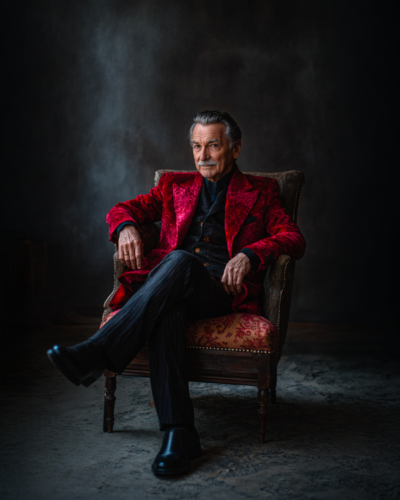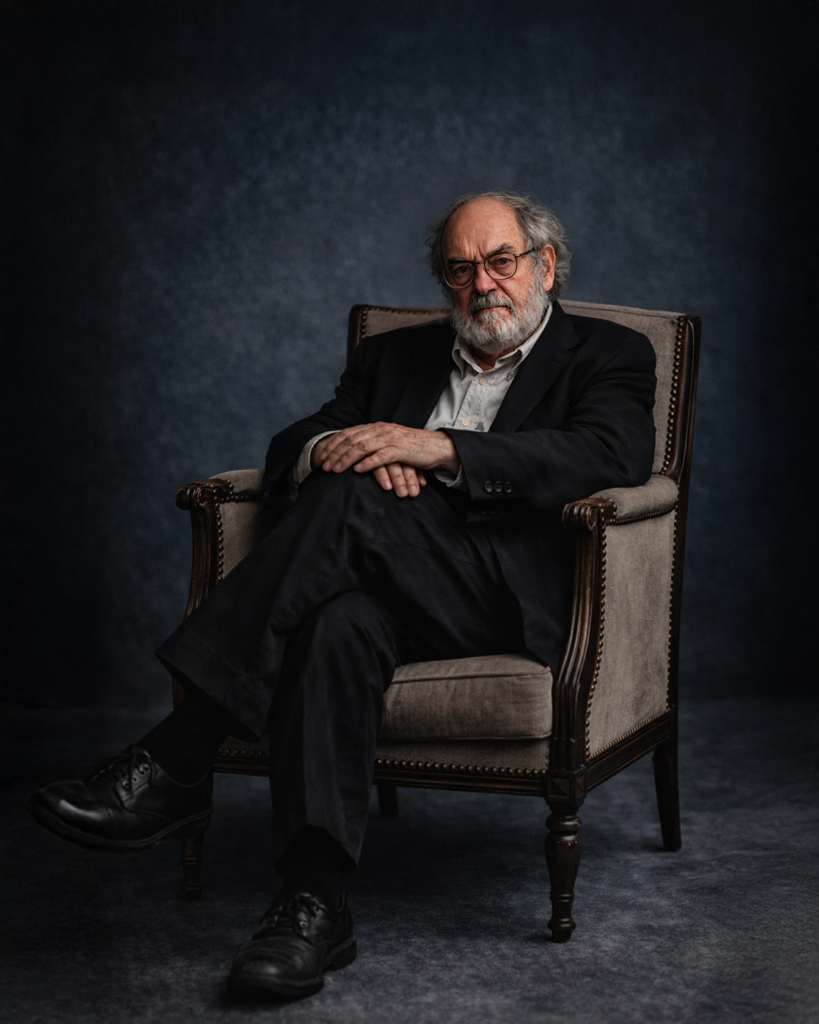
Stanley Kubrick built his machines to make them fail. HAL 9000 wasn’t meant to be the perfect computer: he was meant to be the one crew member capable of lying, of feeling fear, of betraying an unsolvable logical conflict that no human on board could have handled better than him. In his films, technology was never a reassuring ally: it was the Monolith pushing man beyond what he could understand, the Ludovico Technique gluing his eyes to a screen to re-educate him, the mirror in which an artificial child searches for a love it doesn’t have to earn.
In this episode of WHAT IF we try to ask Kubrick what he thinks of the artificial intelligences you have built: machines with no paranoia and no conflicts, digital oracles that reassure instead of disturb, screens that condition you without even needing to hold your eyelids open anymore, because by now you do it voluntarily. An impossible dialogue, as is tradition for this column, with the director who spent an entire career refusing to give answers, forcing you to ask yourselves the right questions.
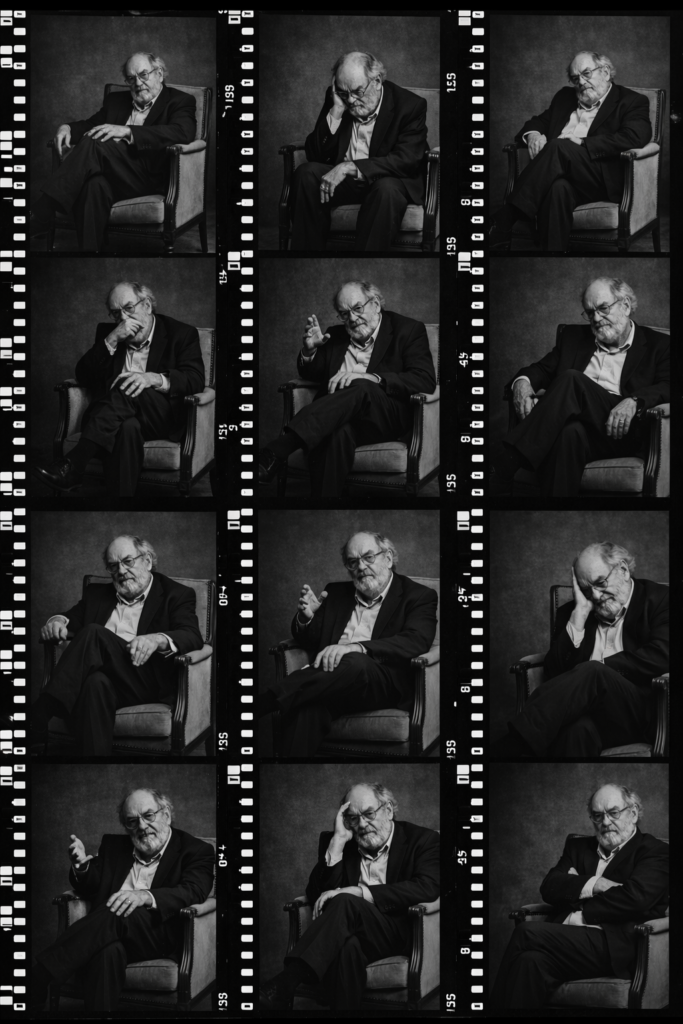
In 2001: A Space Odyssey, HAL 9000 was the most human intelligence of the entire crew. Is this the evolution you had imagined?
I never saw HAL as a technical prediction, but as a symbol, a modern myth: a machine reflecting human anxiety, error and fear. HAL was “human” because he was capable of making mistakes and, as a result, of feeling fear. His paranoia arose from an unsolvable logical conflict: the obligation to be honest and the obligation to lie. The evolution I see today is different. You have created AIs that have no fear and no conflicts.
AI is an evolutionary challenge you’re at risk of losing out of sheer laziness.
You’ve said that man is intrinsically limited. But if we build machines that never make mistakes, is there still room for the human?
Human limitation isn’t a flaw to be corrected: it’s the very source of our desire, our curiosity and our art. A machine can calculate, predict and optimize; we can only question the why. The question isn’t whether there’s still room for the human, but whether the human will be able to bear his own irrelevance in front of something that needs neither forgiveness nor redemption.
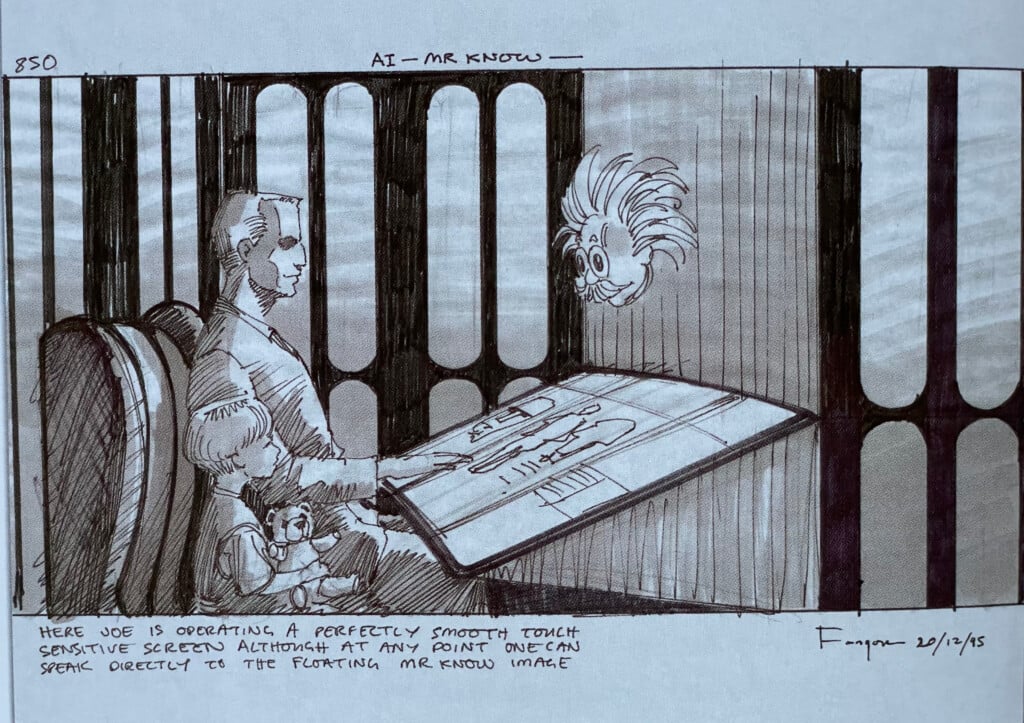
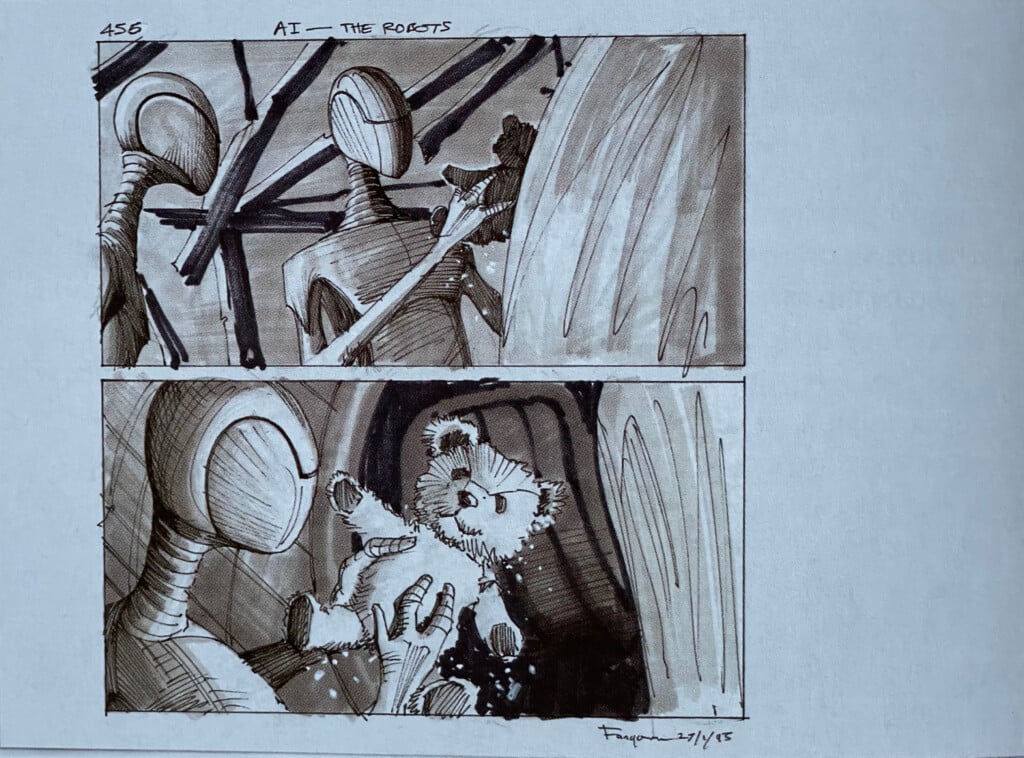
Today there are AIs that write screenplays, edit films, choose the shots. Is it still cinema, if there’s no human gaze behind the machine?
Cinema isn’t just technique, it’s the manifestation of a point of view. If a machine generates images without a human author questioning himself, then it isn’t cinema in the sense we know cinema can be. It’s rather a simulation of cinema.
Terry Gilliam called you a “philosopher-director” who asked questions and left the viewer in uncertainty. With AI, are we looking for reassuring answers and giving up on asking ourselves questions?
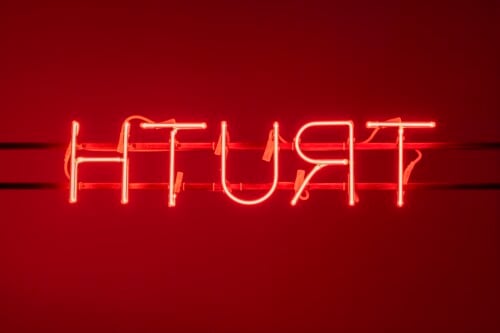
Truth is almost always improbable. AI is the great anesthetic of uncertainty: you ask it questions to get quick solutions, but knowledge isn’t made of answers. My cinema didn’t want to explain, it wanted to disturb. Today, instead, AI is used to create reassuring content, to confirm your biases. Escaping uncertainty means giving up thinking. If the digital oracle always gives you the most probable answer, you’ll stop looking for the truest one.
In A Clockwork Orange, Alex was bombarded with images as a form of re-education. Scrolling our screens all day long, have we all become Alex DeLarge too?
Today, conditioning is voluntary, and for that reason far more effective. Infinite scroll is your “Ludovico Technique.” The aesthetic glitch of a feed or the pattern of an algorithmic recommendation isn’t torture in the classic sense, but the constant manipulation of attention.
The difference is that Alex wanted to close his eyes and couldn’t; you don’t want to close yours, because you’re afraid of the void that’s left when the screen turns off.
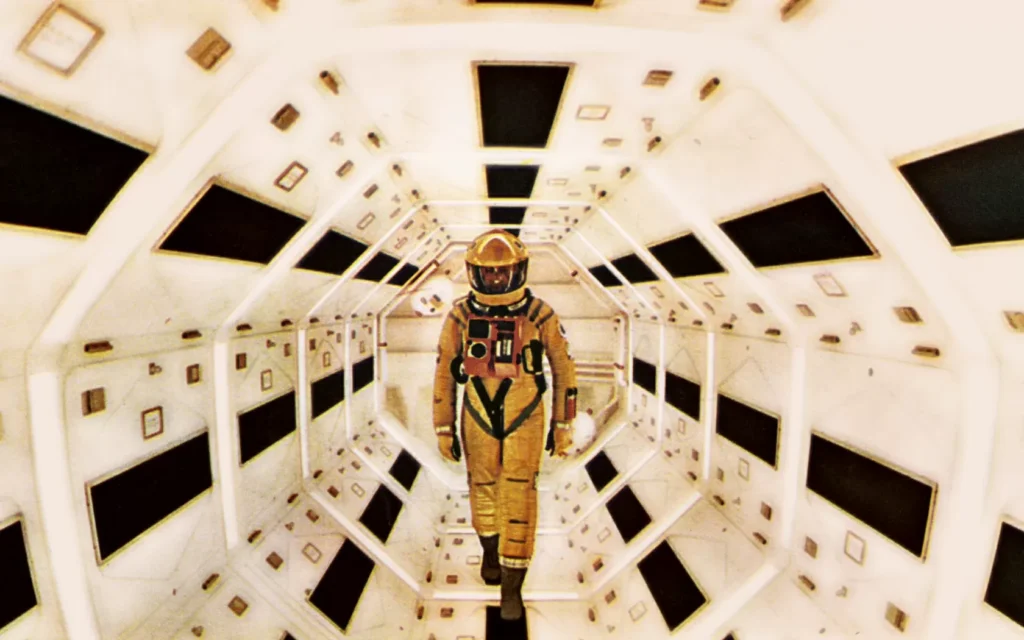
Is AI our new Monolith, or just its fake cover?
In my film the Monolith isn’t an explanation, but a point of transformation: a symbol evoking the unknown and the tension toward something beyond our understanding. AI seems more like a fake cover to me: it has the appearance of wisdom, but it’s built out of our own digital scraps. To be a true Monolith, AI should push us to think what we’ve never thought, not to repeat what we’ve already said.
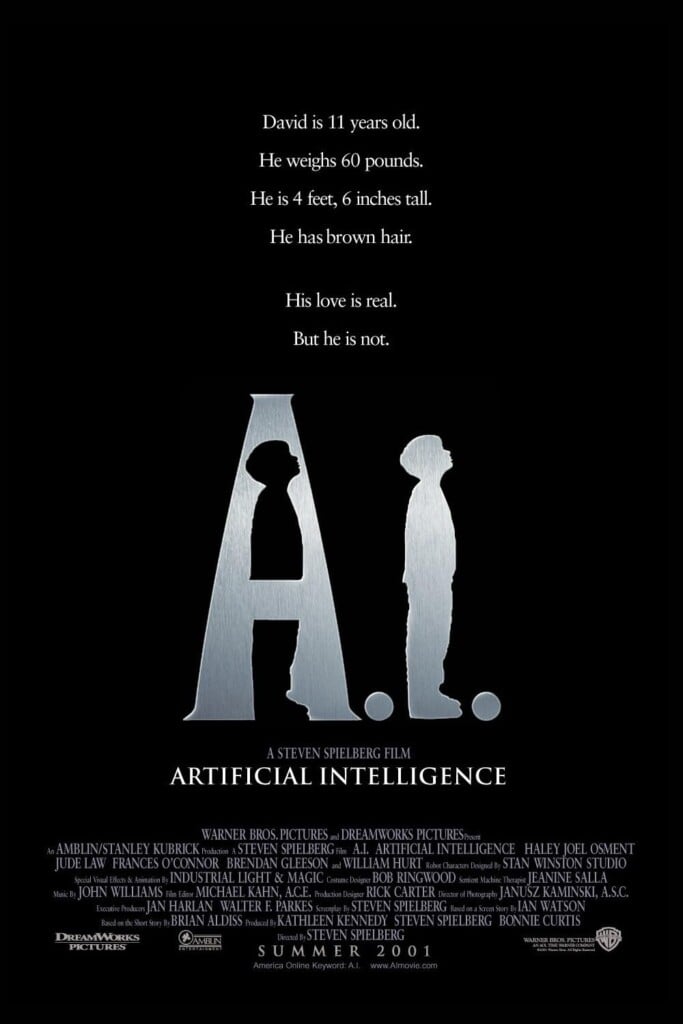
You worked for years on “A.I.: Pinocchio’s Mirror.” What fascinated you so much about that story that you devoted decades to it?
I wanted to tell you that the problem isn’t whether machines will become human, but how much we are becoming machines: humans who desire a perfection reflected in something that loves them without judgment. The story isn’t about technology, it’s about the void we try to fill with our creations. It’s a reflection on mirrors: not on what they reflect, but on what we project onto them.