In Oviedo, a wall isn’t just a surface to be filled. It can become a place where a story, a memory, a natural presence or a fragment of a neighbourhood’s life resurfaces. This is the idea behind Parees, the festival of contextual, site-specific muralism that since 2017 has been intervening in the public space of the Asturian city through a method that puts research and listening before painting.
The ninth edition, held between 31 August and 6 September 2026, brought three new interventions to Oviedo by Maite Rosende, Greta von Richthofen and Mar Herrera. Three artists, three neighbourhoods and three very different stories, united by a mediation process that starts from the territory even before reaching the wall.
Listening comes before colour
Parees sets itself apart from a traditional urban art festival because here the artist doesn’t arrive with an image already prepared to be transferred onto a wall. The work begins through meetings, field research and conversation with the people who live in the place. The mediation process, developed by Raposu Roxu and Yetooponese, connects artists, residents, associations and figures tied to the history or characteristics of the area. The goal is to build a work that doesn’t simply appear to have been placed at a given point in the city, but that is born from that very point.
The wall is therefore not treated as a blank canvas, but as a surface that already holds a memory. The artist’s task then becomes to gather it, interpret it and give it back through a new visual language.
Maite Rosende and the memory of La Cometa
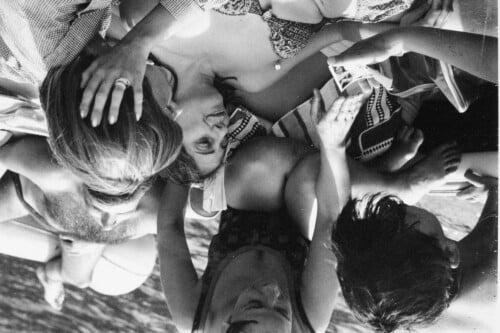
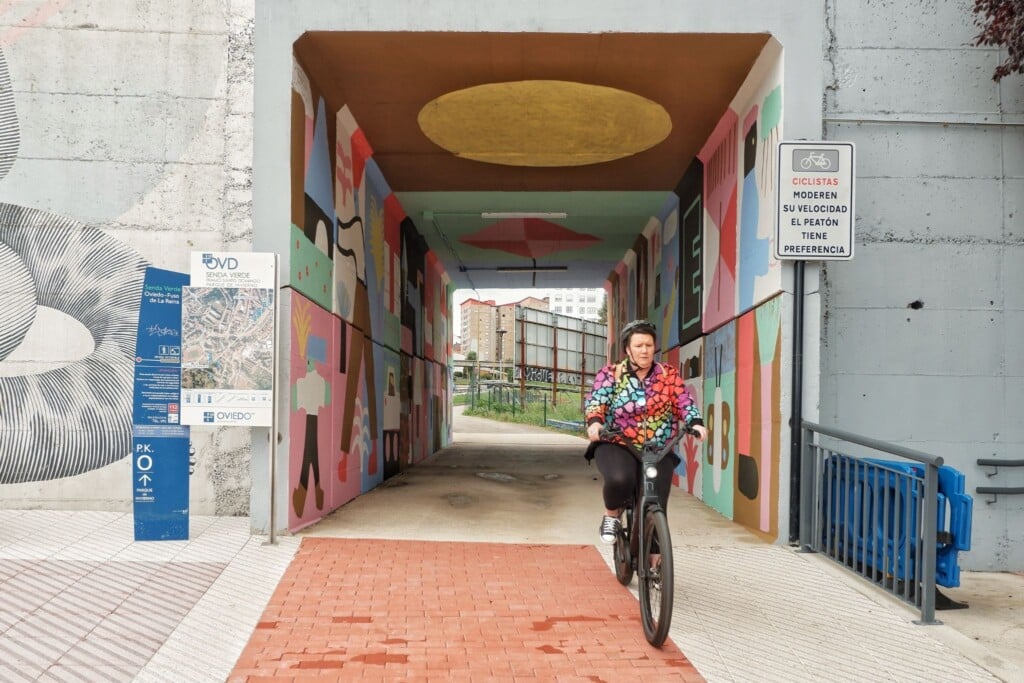
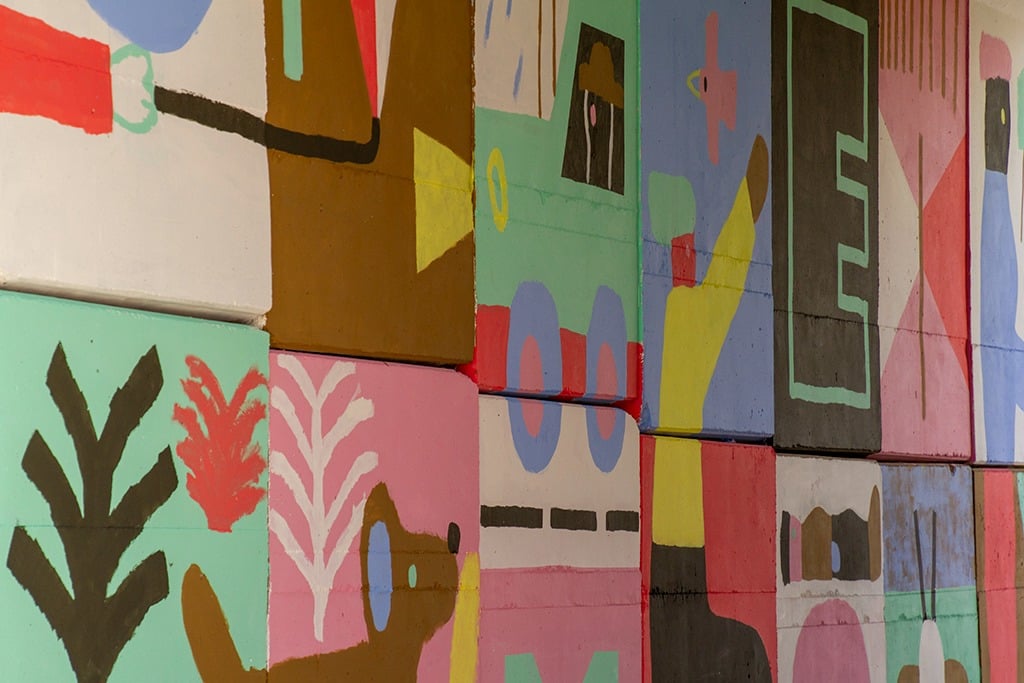
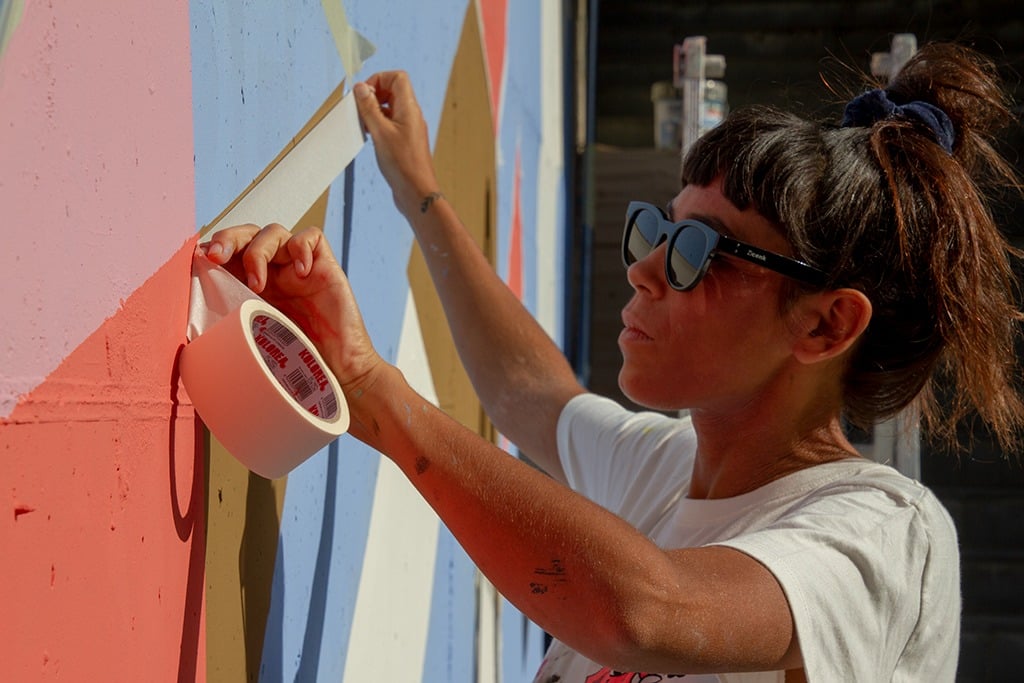
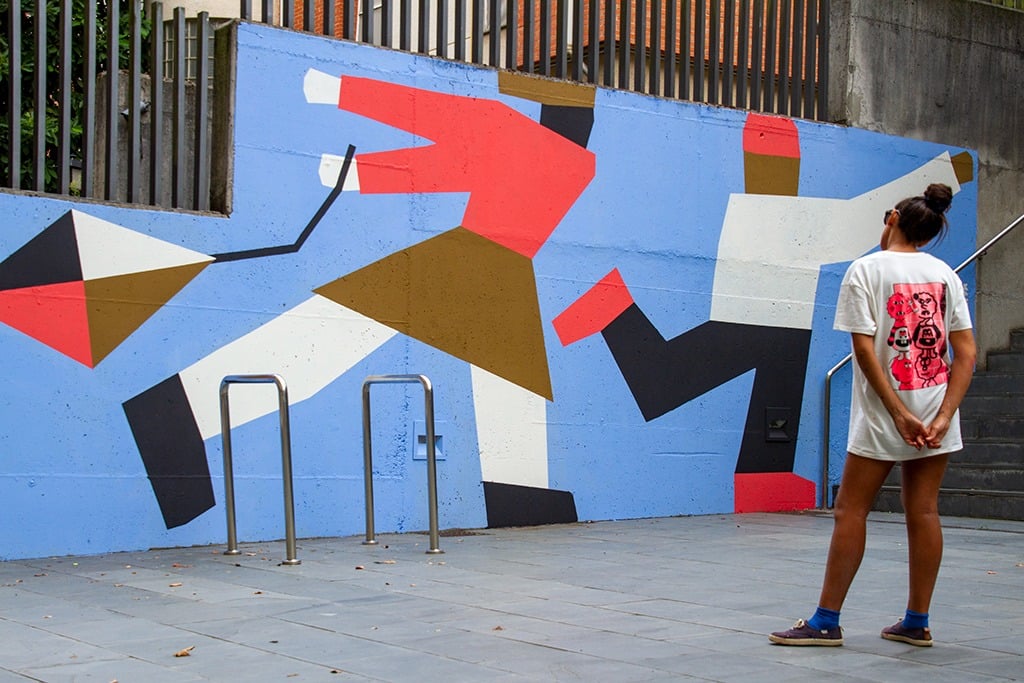
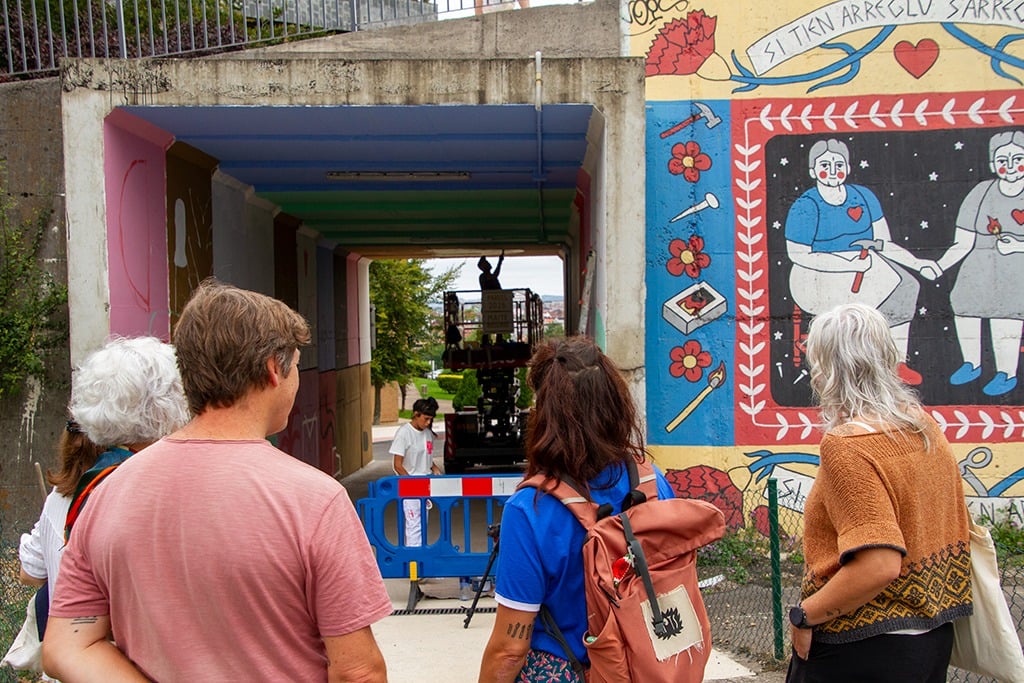
In the Ronda Sur tunnel, at Calle Huertas 24B, Maite Rosende worked on the memory of La Cometa, an earlier mural project tied to the city’s history. The Basque artist gathered photographs and memories through conversations with residents, turning that memory into a new interpretation of the work.
Maite Rosende, born in Donostia in 1991, comes from a background in illustration and has developed over time a language that spans books, drawing and mural painting. Her intervention at Parees keeps this same freedom: rather than starting from a rigidly defined image, the drawing takes shape directly on the wall.
The result brings colour to a space of everyday passage, turning an anonymous tunnel into a place where the memory of the earlier work continues to exist, but through a new composition.
Greta von Richthofen and the salamander that lives in Oviedo
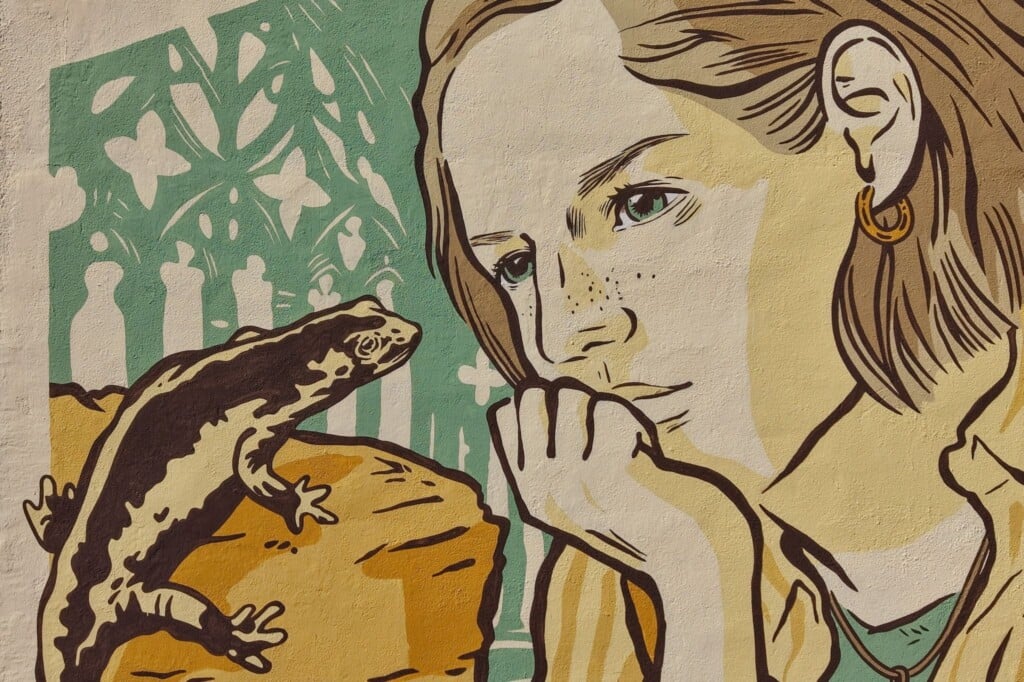
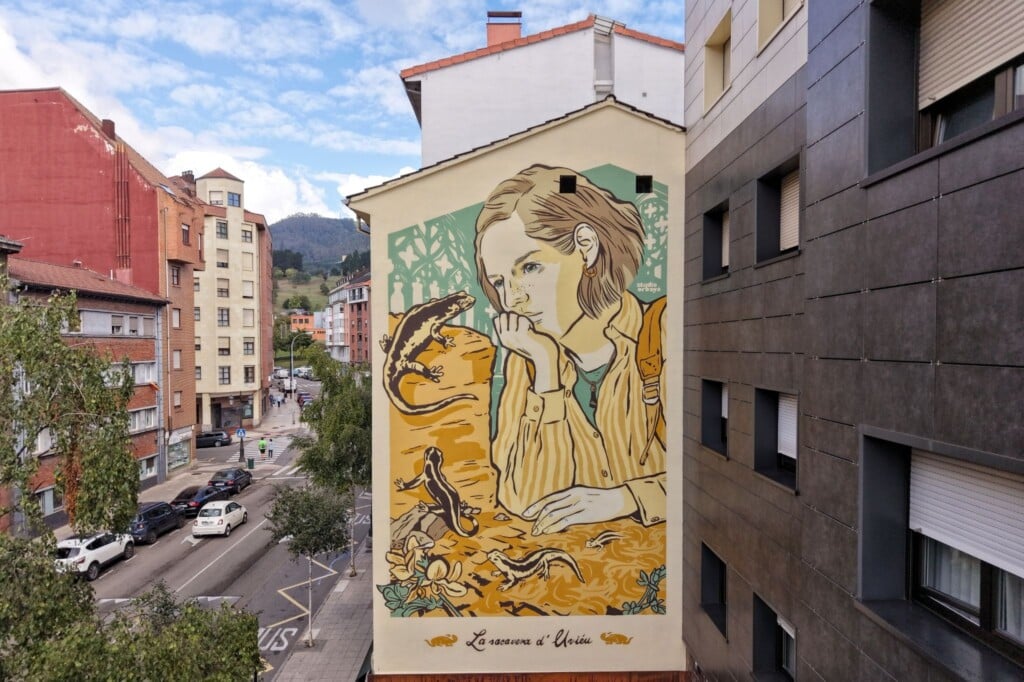
The second story is much smaller in scale, but no less tied to the city’s identity. At Calle Vázquez Mella 58, Greta von Richthofen dedicated her intervention to the sacavera d’Uviéu, the common salamander of the subspecies Salamandra salamandra bernardezi, a distinctive presence within Oviedo’s urban ecosystem.
The choice doesn’t stem only from an aesthetic interest. Urban populations of this salamander have developed traits that allow them to survive in an environment deeply altered by humans. Studies by the University of Oviedo have specifically documented the presence of urban populations of the S. s. bernardezi subspecies, isolated within the fabric of the city.
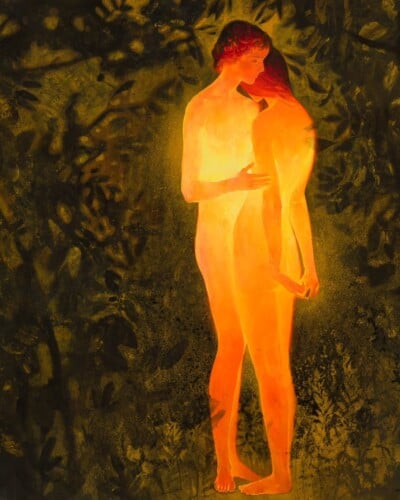
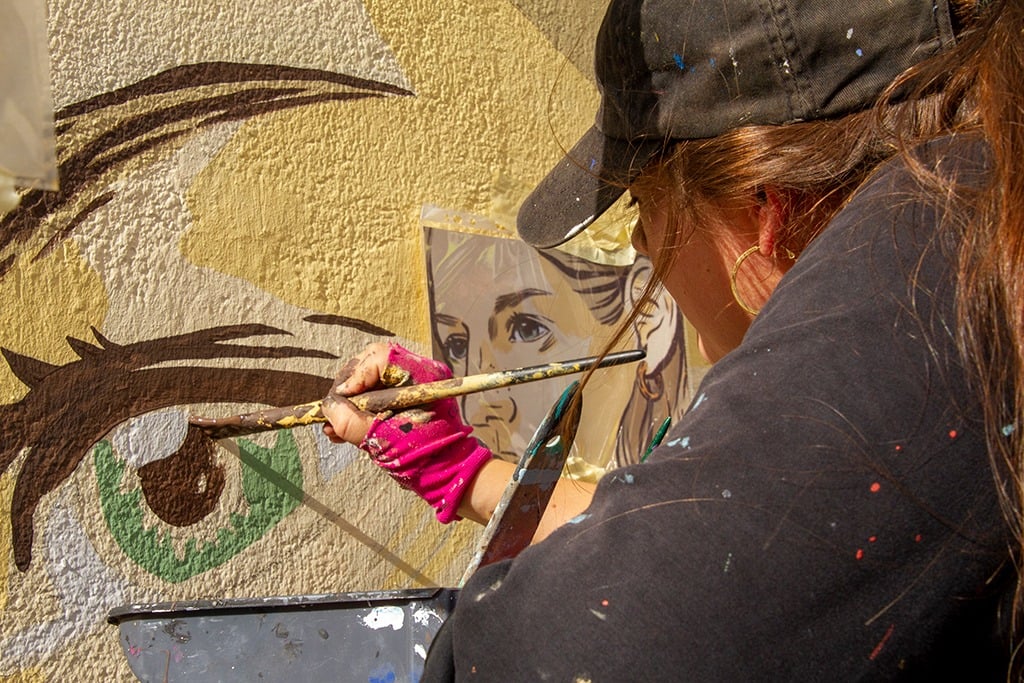
In von Richthofen’s mural, the salamander seems to emerge from the gaps in the paving, as if it had always been there. The artist, who works across illustration, graphic novels and mural painting, thus builds an encounter between the city and one of its most discreet presences.
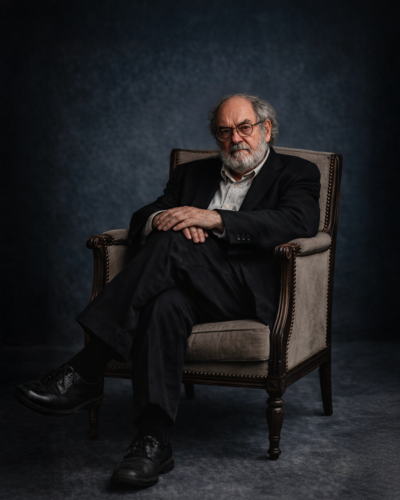
The research was also supported by the contribution of zoologist David Álvarez Fernández, a professor at the University of Oviedo and author of studies on the salamander and on urban biodiversity. In this case, muralism becomes almost a tool of observation: it makes visible something we normally pass by without noticing.
Mar Herrera and the memory of Teatinos
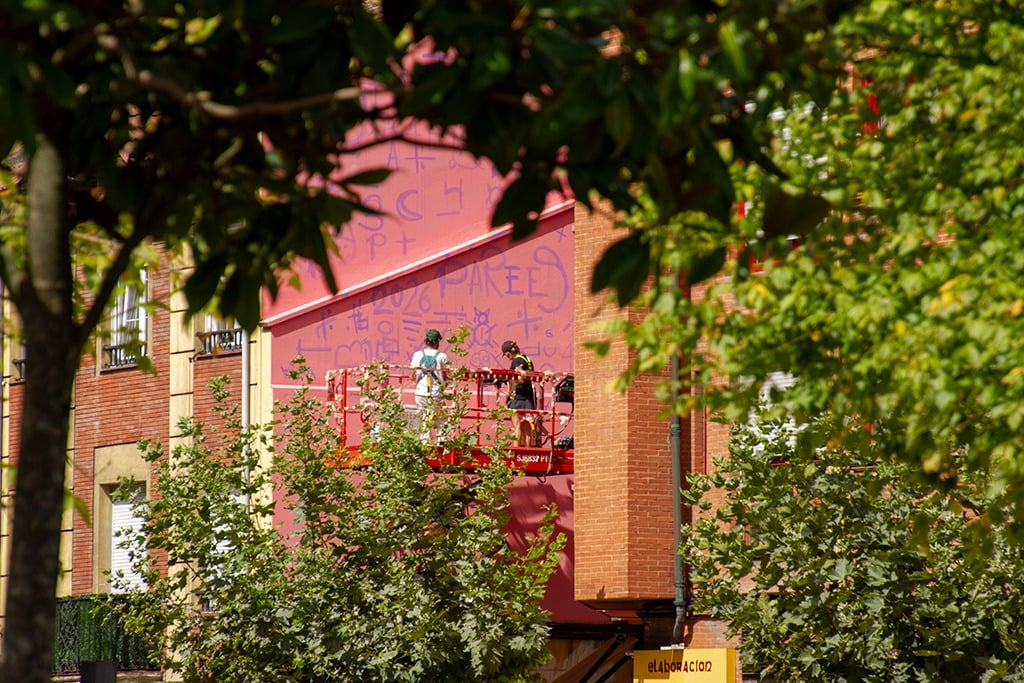
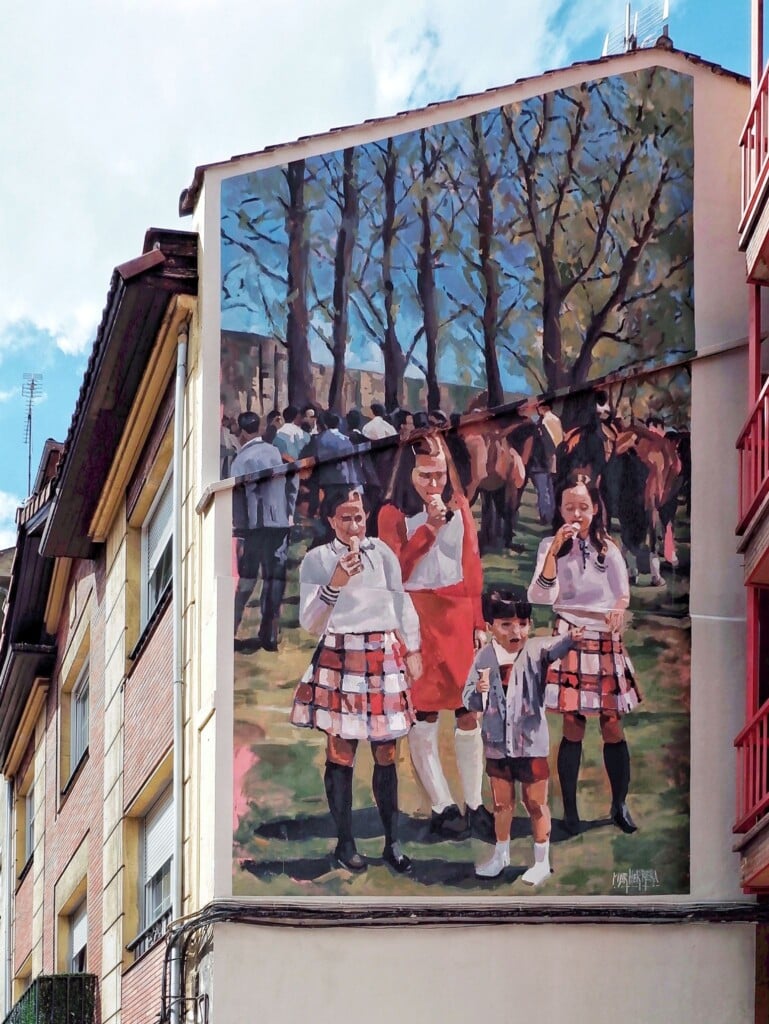
At Rosa María Menéndez López 5-7, meanwhile, Mar Herrera looked at the history of the Teatinos neighbourhood, working on its industrial and popular memory. The project grew out of meetings with the local community and the gathering of stories tied to the life of the neighbourhood.
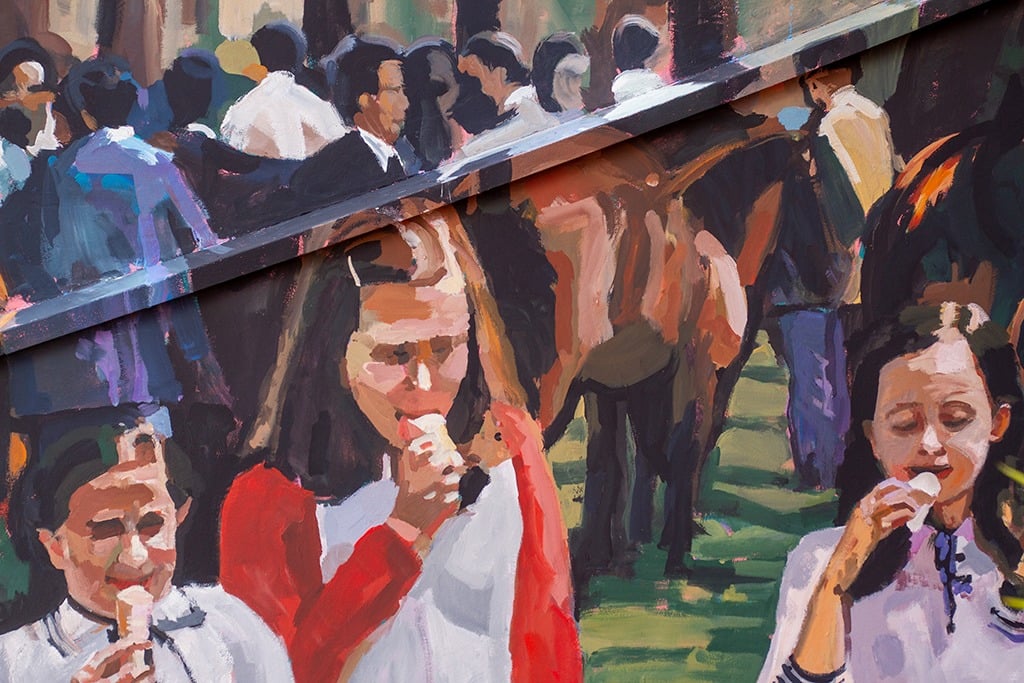
The subject chosen by the artist is a moment from the Feria de la Ascensión of the 1970s, when the fair used to take place near the area’s old slaughterhouse. An everyday, seemingly small-scale scene thus becomes the starting point for bringing a piece of collective life back onto the wall.
For Herrera, this is also her first major experience with mural painting. Her training, by contrast, is deeply rooted in figurative painting: born in Gijón in 1971, she studied Veterinary Medicine before committing steadily to artistic practice, developing a body of work centred on form, colour and matter.
Her intervention thus introduces an almost cinematic dimension: an instant from the past is isolated and turned into a public image, allowing a private, oral memory to find a new place within shared space.
A festival that doesn’t end at the wall
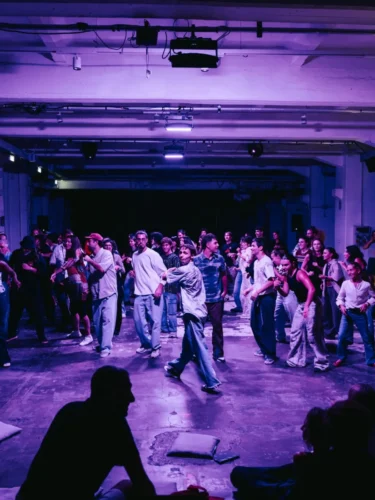
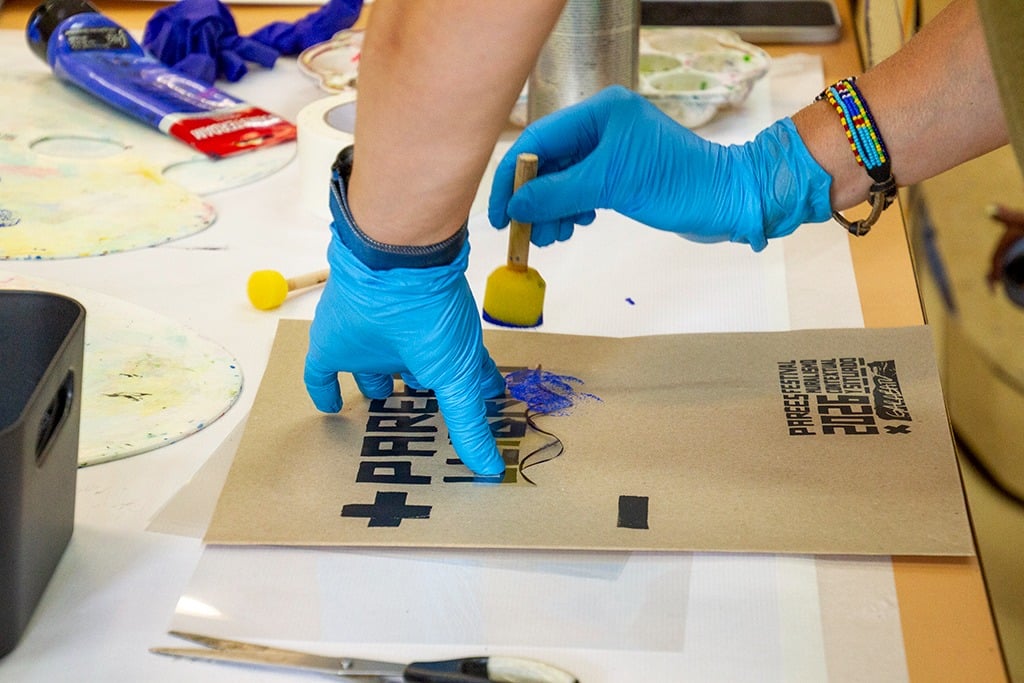
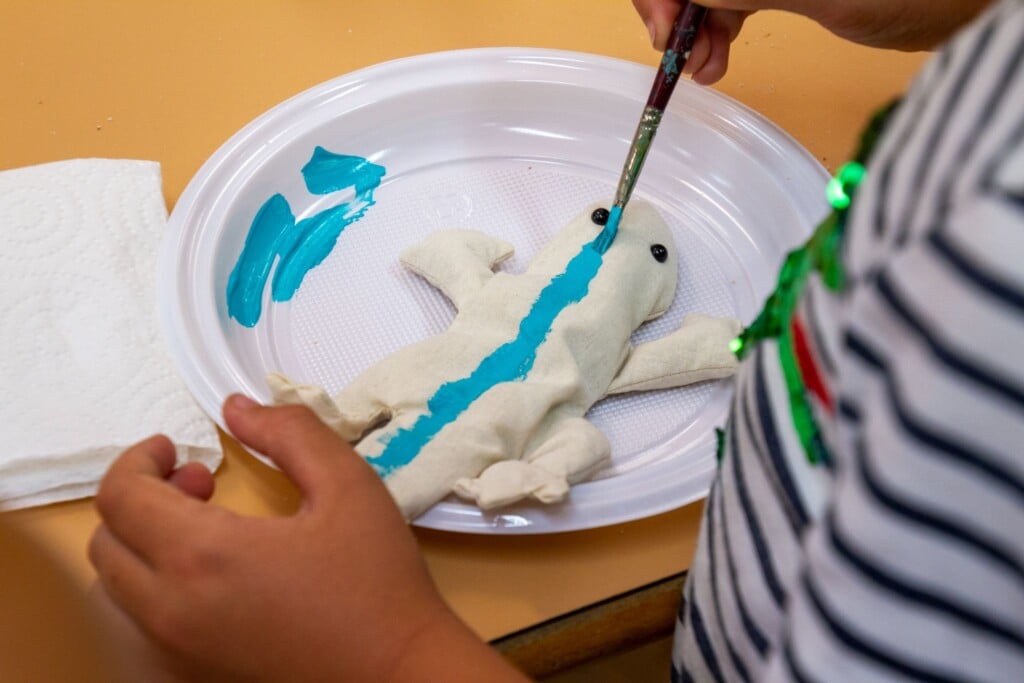
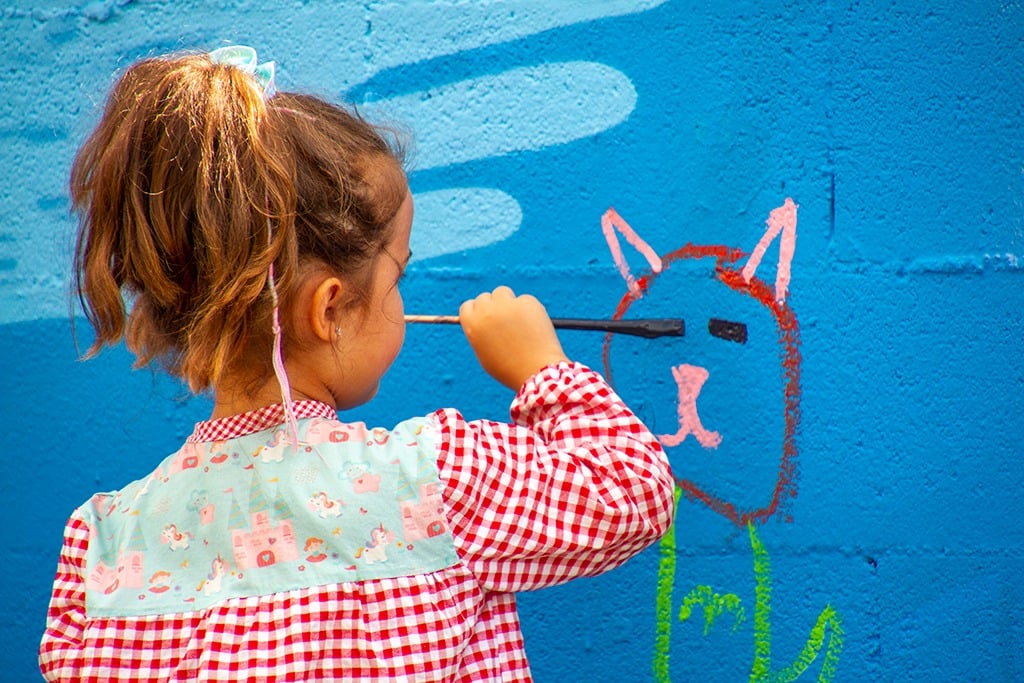
At Parees, painting is only one part of the project because, alongside the three main interventions, the 2026 edition developed a series of activities designed to directly involve residents: screen-printing workshops, workshops dedicated to textile salamanders, a family mural-painting workshop and the guided tour Más allá del mural, which takes the public through both the new works and those created in previous editions.
The festival is in fact working toward building a kind of diffused museum. The works are not concentrated in a single place and don’t require entering an exhibition space: they are spread across the city and can be encountered during everyday life.
It’s a model that has, over the years, gradually turned Oviedo into an open-air gallery. After the 2024 edition, the festival’s body of work had reached around 40 interventions, featuring local and international artists and works tied to themes such as neighbourhood memory, Asturian traditions, natural heritage and traditional trades.
The wall as archive
What Parees builds, then, isn’t simply a collection of large images on the city’s façades. It’s an archive spread across public space. The memory of a festival, the presence of a salamander, an old neighbourhood fair: elements that could have remained confined to the accounts of those who lived them are instead turned into images accessible to everyone.
And it’s precisely here that contextual muralism takes on a meaning different from simple urban decoration. Before painting, Parees observes what already exists. It then translates it into a new form, letting the walls carry on telling the story of the city.