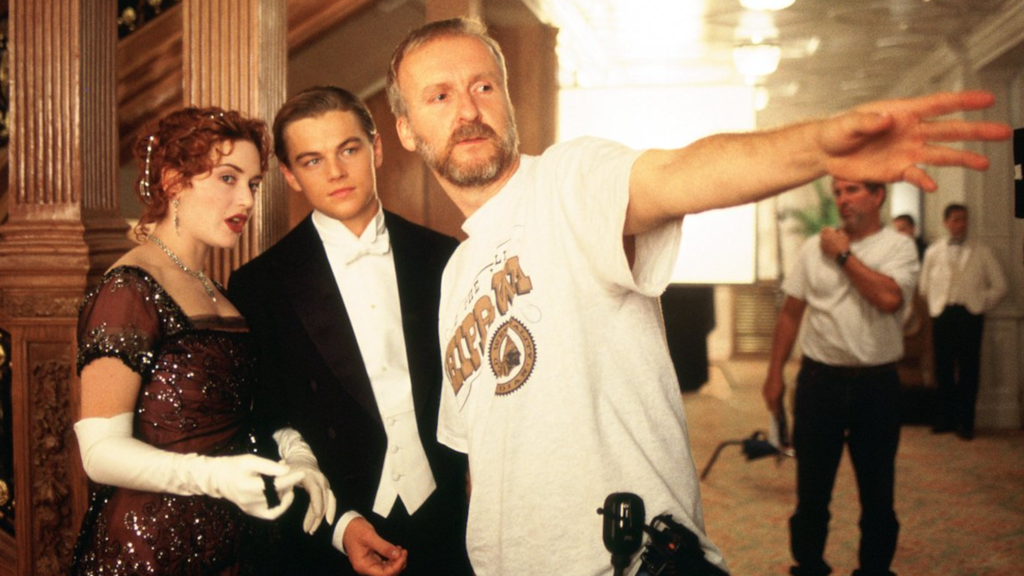
James Cameron has always drawn. As a child in the 1960s, he grew up in a world he perceived as dystopian: the Cold War, the nuclear threat, the uncertainty of the future. To escape that reality, he sought refuge elsewhere — in Marvel comics, in the work of Frank Frazetta, in science fiction, and above all in drawing. What cinema couldn’t yet show him, he built with a pencil.
Today, past seventy, drawing remains the foundation of his vision. It isn’t a minor biographical detail — it’s the method through which he imagines and builds his worlds. Every time he conceives an environment, a creature, or a scene, he starts on paper. Before the technology, before the special effects, before the set itself, there is always a mark made in pencil.
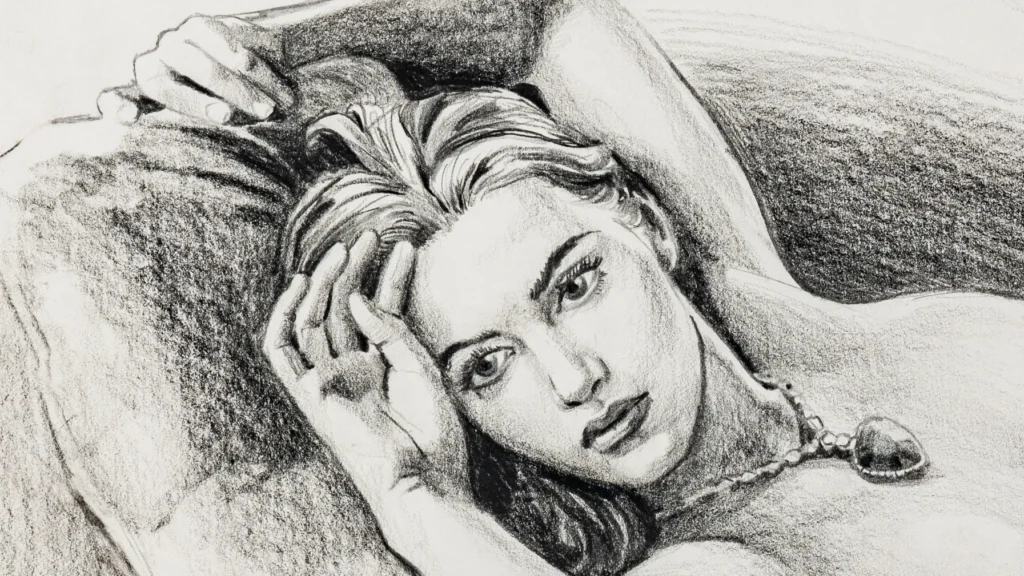
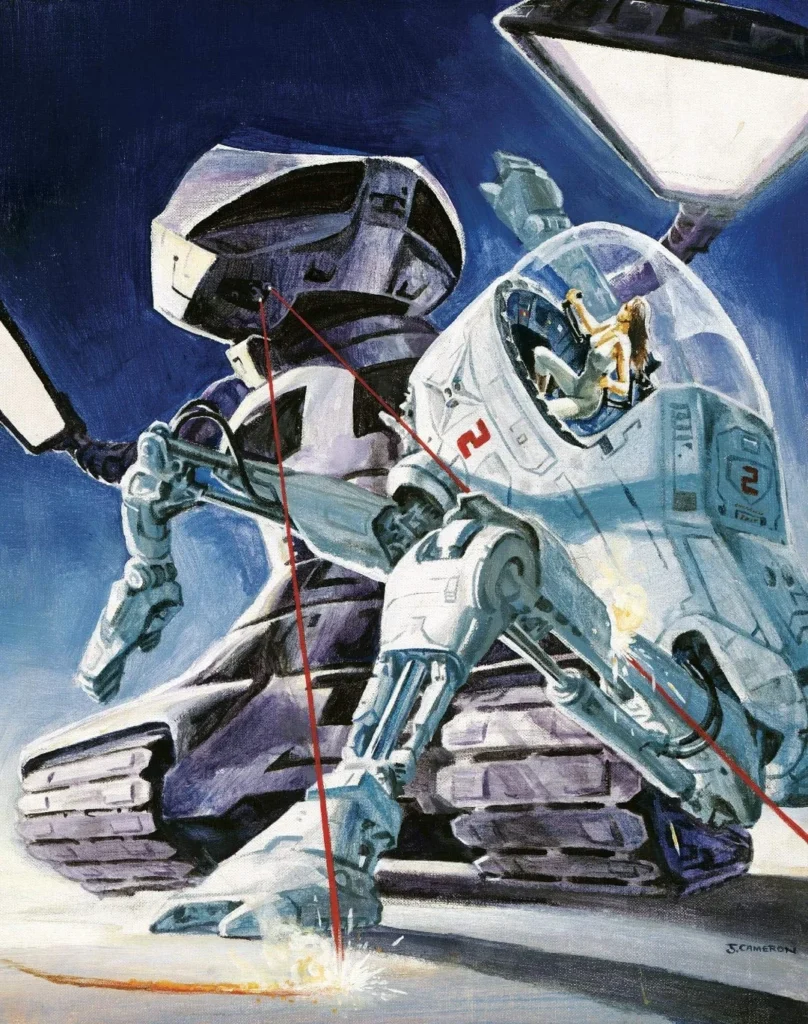
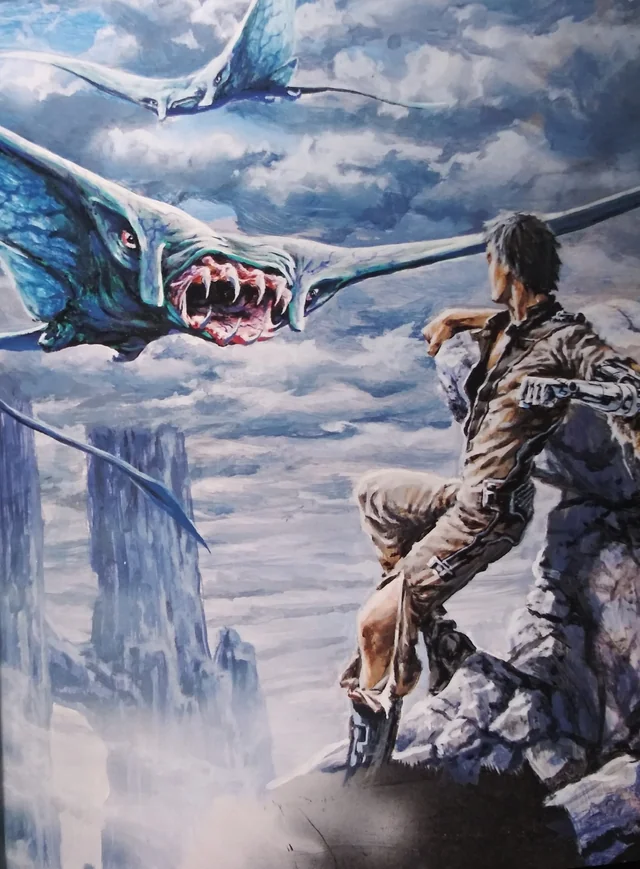
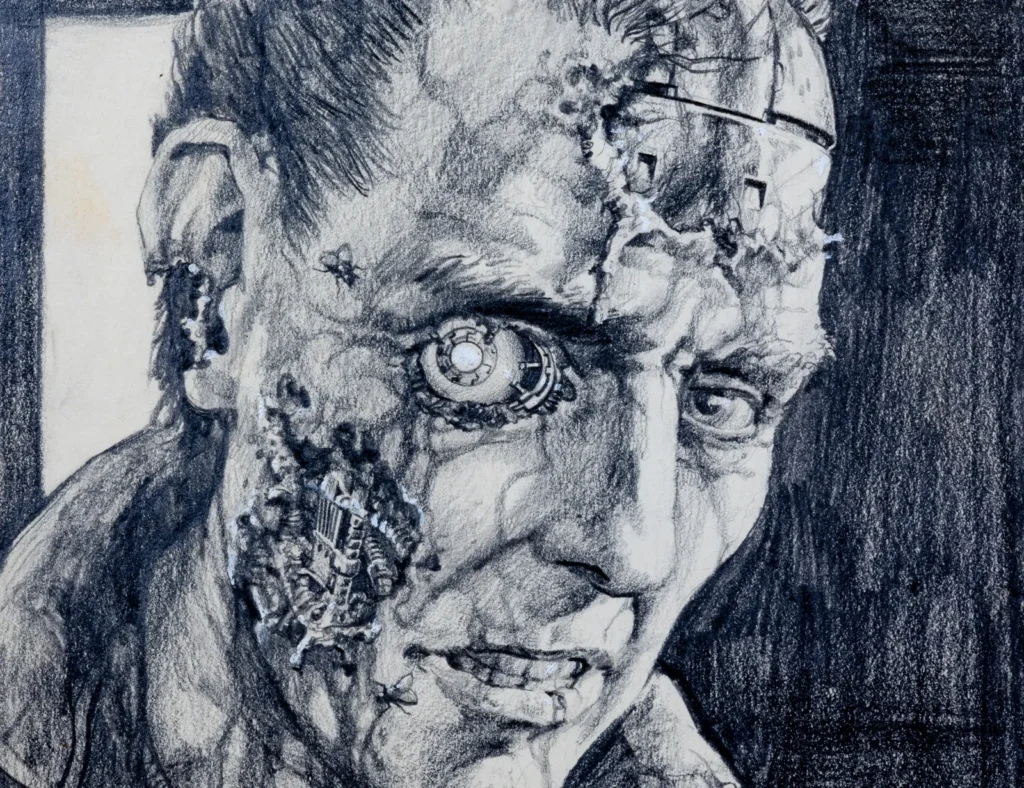
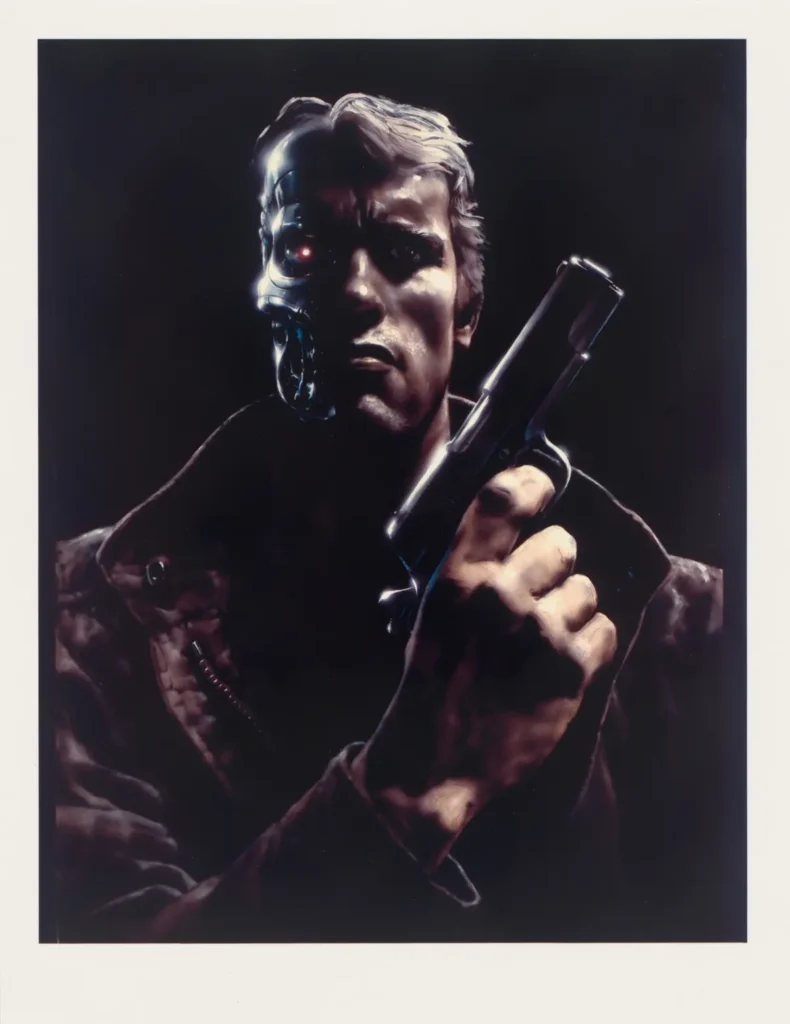
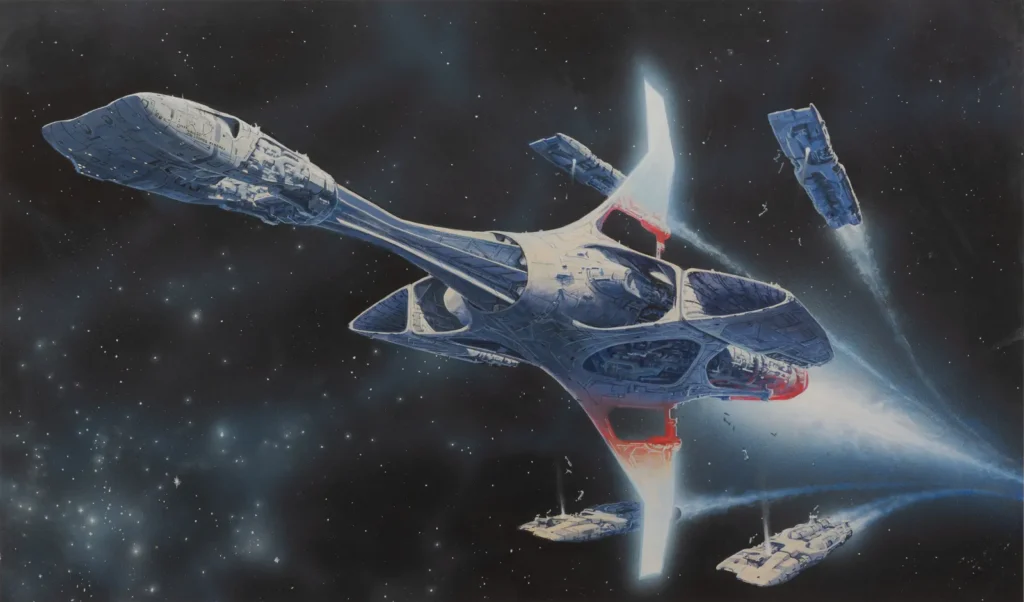
The evidence spans over 300 drawings, paintings, and sketches gathered in the exhibition The Art of James Cameron, hosted by the Museo Nazionale del Cinema in Turin from 26 February to 31 August 2025. Works kept private for decades and now exhibited publicly for the first time, they reveal a stage of the creative process that normally remains invisible: pure vision, before technology makes it possible.
Avatar: an anatomical creation
Of all his projects, Avatar is perhaps the one that most clearly illustrates the role of drawing in Cameron’s method — not as simple visual preparation, but as the true origin of the film.
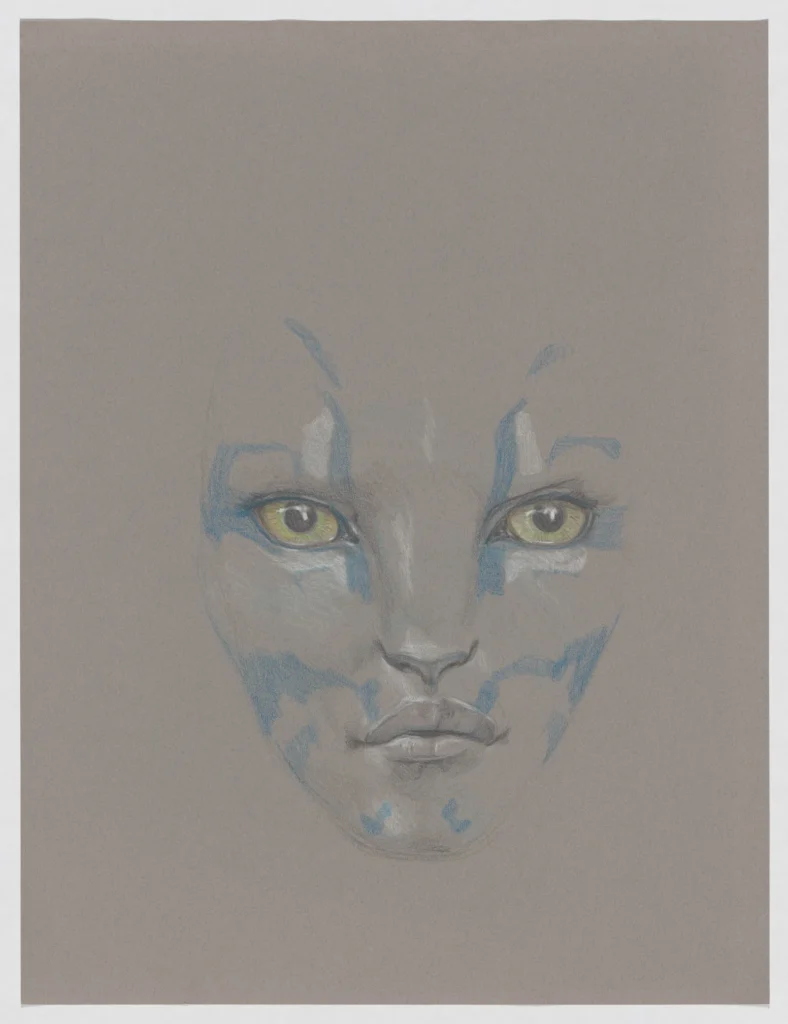
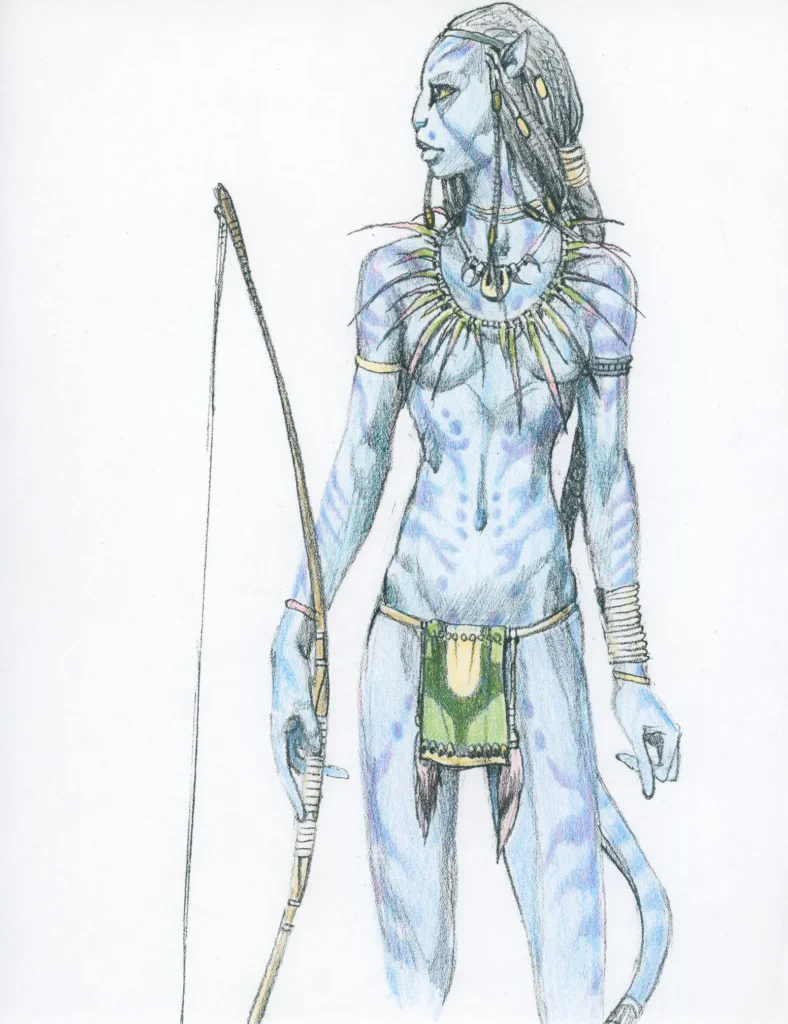
In the sketches on display, the face of Neytiri is reworked dozens of times. Lips, eyes, nose: every detail follows a precise logic. Cameron doesn’t draw intuitively — he reasons almost like a biologist. The Na’vi are the result of a coherent system of physical and evolutionary rules. Their bodies are designed for the gravity of Pandora, not Earth’s; their movements follow an anatomical logic that precedes any aesthetic choice.
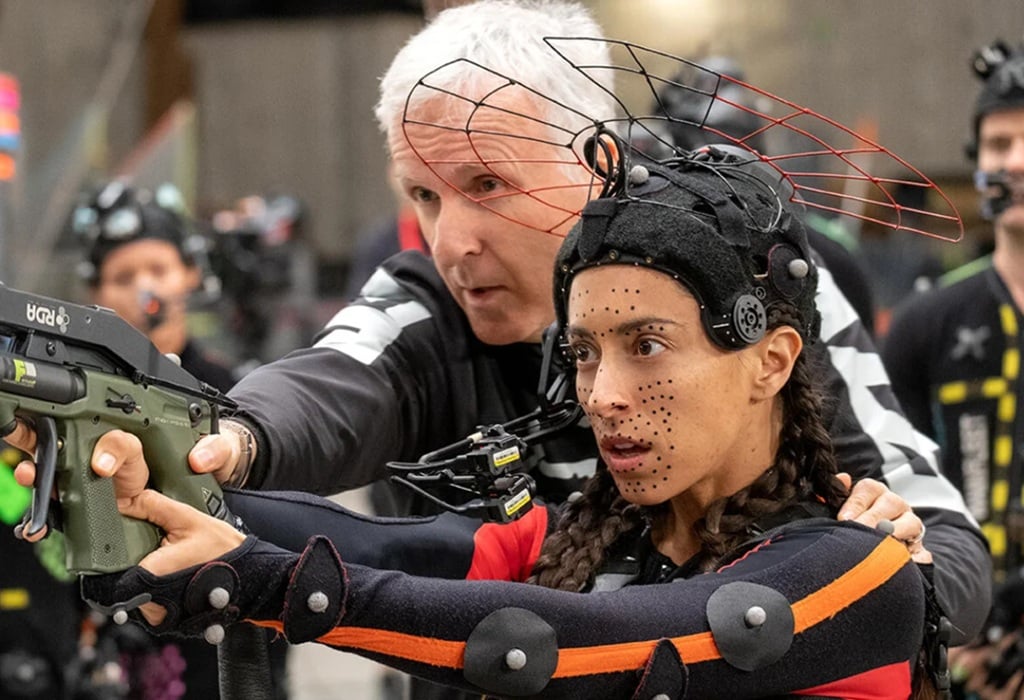
When it comes to working with actors, those drawings become a kind of emotional map. With Zoe Saldaña, Cameron developed a true “Na’vi physicality”: posture, gesture, a way of moving and occupying space. All of it originates from those initial images.
“There has to be a kind of mental and emotional intimacy with the artists,” Cameron explains. “They need to understand the character, what they feel, how to breathe inside that body.”
More than a screenwriter who translates ideas into images, Cameron comes across as an illustrator who uses cinema as his medium.
From drawing to creatures on screen
The roots of this approach go back to childhood. “I loved Marvel superheroes, horror, comics. I was looking for images that would stimulate my imagination,” he recalls. Through that search, he learned to build coherent worlds. He wasn’t interested in creatures that were merely spectacular, but in beings that obeyed their own anatomical and biological logic.
In the short film Xenogenesis — his directorial debut — many of the ideas developed in his notebooks over the preceding years converge: alien civilisations, complex ecosystems, intelligent creatures. “All these things already existed, just in a different environment. I only had to bring them together to develop the world I had in mind.”
Looking back at it today, Xenogenesis already contains many of the themes that would later find their way into Avatar.
When, twenty years later, Cameron founded Digital Domain to explore the possibilities of computer graphics, he didn’t abandon those drawings — he transformed them. Avatar wasn’t born from the technologies available in 2009, but from a vision developed much earlier: that of a boy in the 1960s imagining alien worlds while the real world lived under the tension of the Cold War.
His mother’s legacy
His sense of art’s value came above all from his mother, Shirley Cameron. She was the one who took him to museums after school, passing on the idea that art was something accessible — a language anyone could practise.
That lesson never left him. Speaking about the Turin exhibition today, he reaffirms the importance of cultural institutions: “We care deeply about working with public institutions and museums, as my mother taught me.”
When he addresses young artists, the message stays the same: “You have to do the things you truly believe in, not what might bring you immediate likes.”
More than a moral statement, this is the distillation of his own path. For decades, Cameron kept drawing away from the spotlight, with no certainty that those images would ever become films. He invested time in building coherent universes and in an obsession for detail that was often invisible to the audience.
He believed in the process before he ever believed in the result.
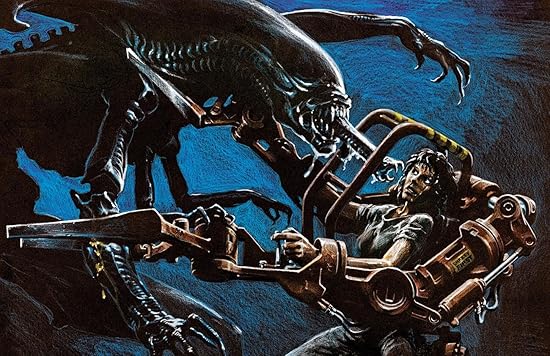
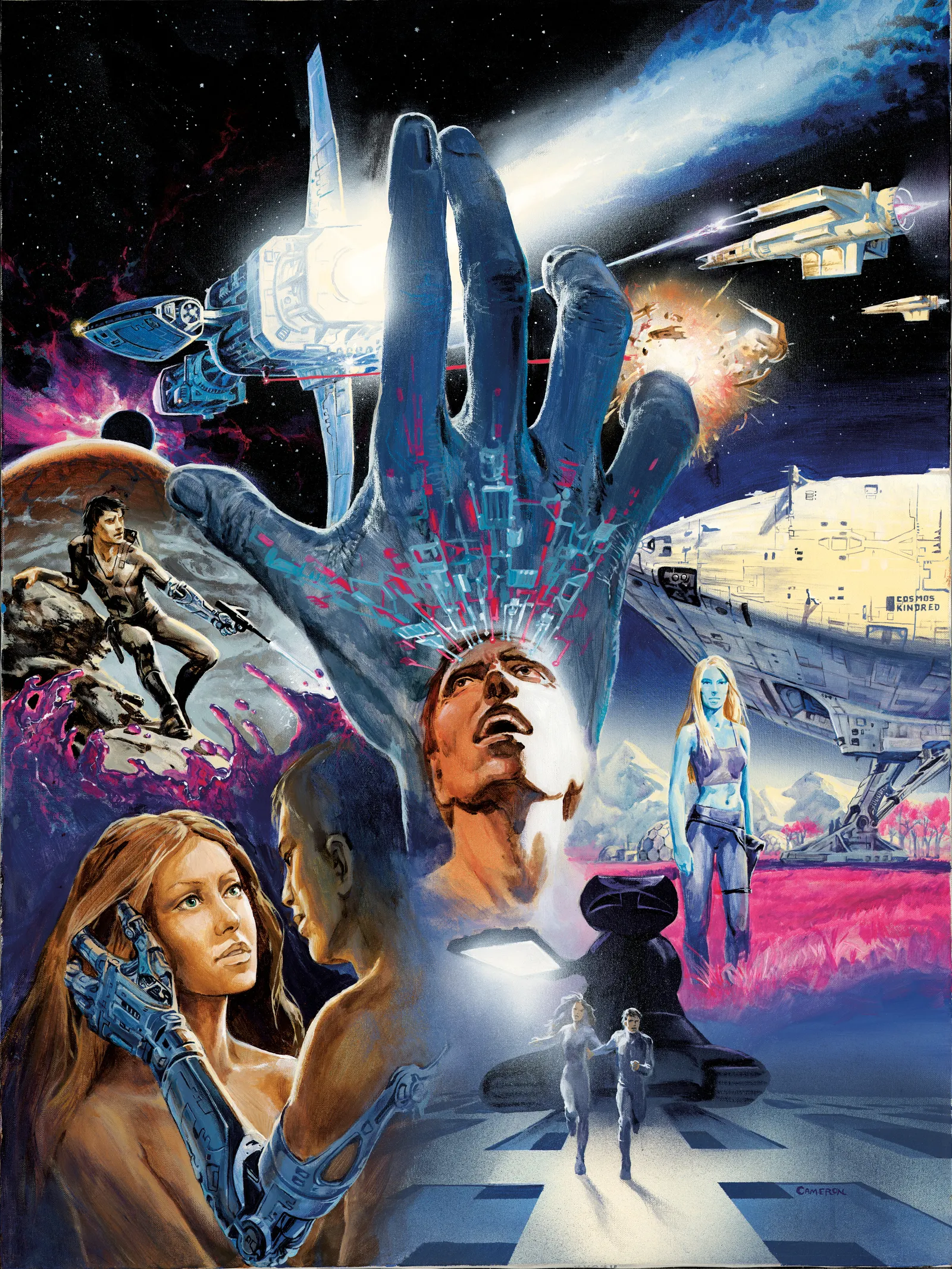
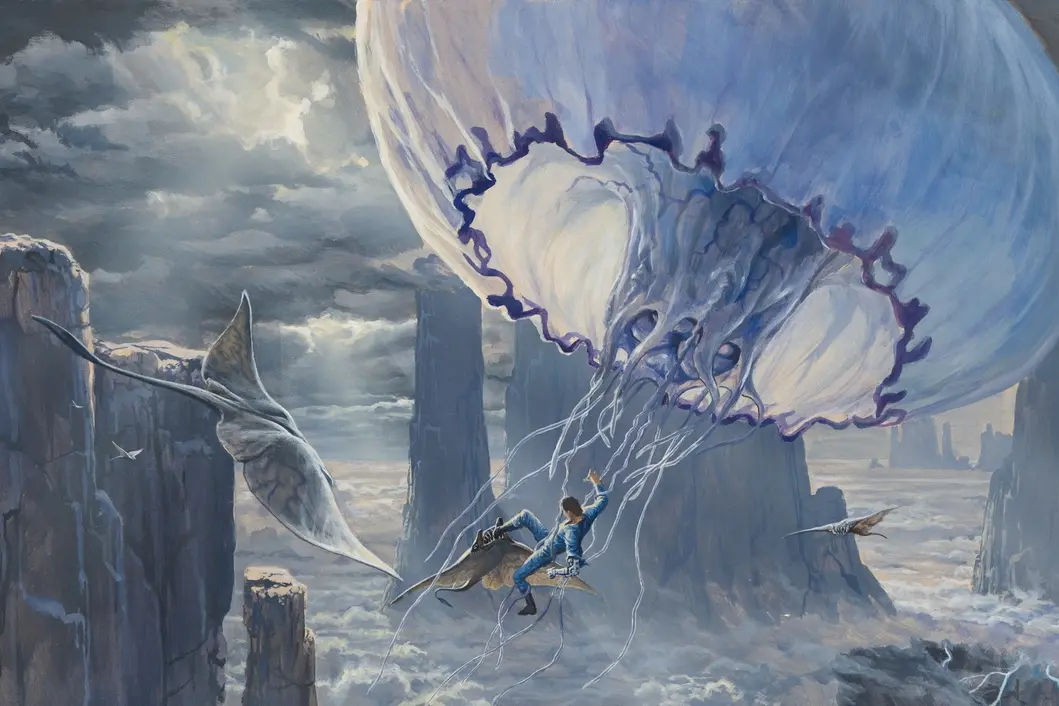
Cameron has often said he felt “more illustrator than artist.” It’s a distinction that clarifies a great deal about his approach. He doesn’t seek the image as an end in itself, but as a tool for telling a story. What he can’t yet film, he draws — and when the technology allows him to bring it to the screen, the essential part has already been defined: the world, the creatures, the space, and the rules that govern them.
Perhaps this is the key to understanding his filmography: before being a director who draws, Cameron is a draughtsman who found in cinema the most effective medium for giving shape to his visions. The technological innovations, the special effects, the worlds that have redefined the contemporary imagination — all of that comes later. At the origin there is always the same gesture: a pencil trying to make visible something that does not yet exist.
Read also: Off Screen – Jim Jarmusch: Making Films Like Making Music