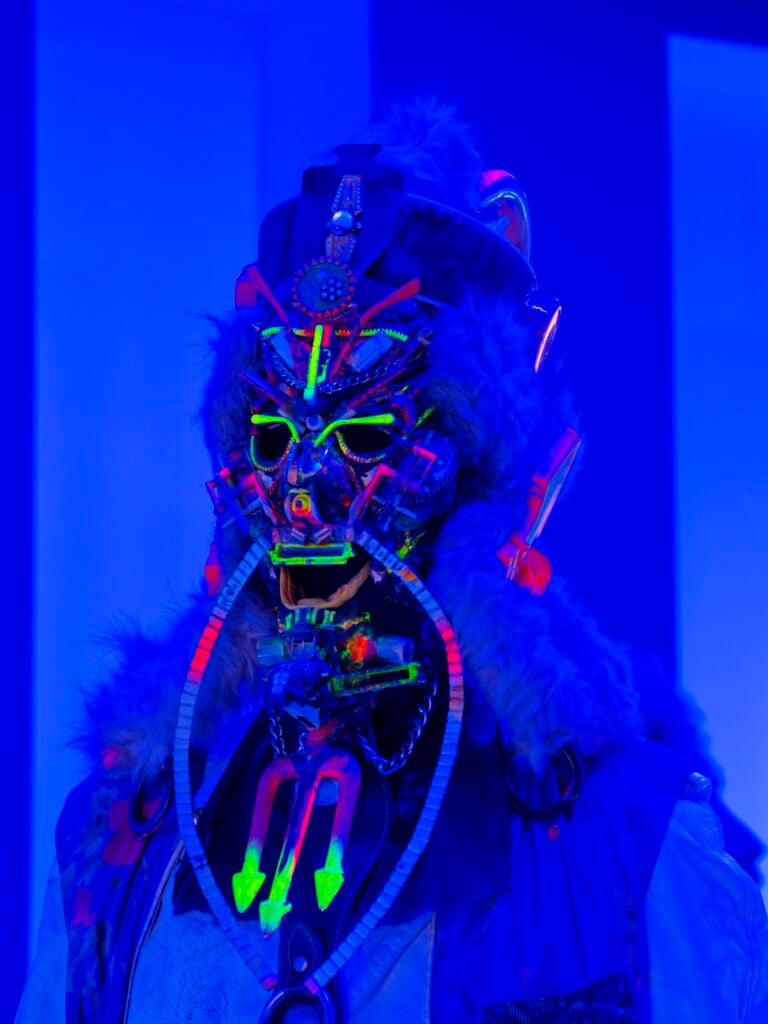
Between Iconoclast Panzerism and Gothic Futurism, Rammellzee‘s old Fiat 500 (Far Rockaway, New York, 1960-2010) stayed anchored for a long time to the beloved streets of a small town in Puglia, Martina Franca. Before the name (as someone would say) became legend, a young man in sunglasses, usually dressed rather eccentrically, faced a transfer overseas tied in part to fear and to his own survival.
The early eighties, for an artist whose name sounded like an equation (RAMM:ΣLL:ZΣΣ, where the letter M stands for magnitude, the two Ls for longitude and latitude, and the Z echoes a zinc bar), coincided, in some way, with the need to get away from New York. As Lidia Carrieri of Galleria Studio Carrieri Noesi, which hosted him in Puglia, has recalled, Rammellzee, in a call dating back to around 1983, spoke with visible unease about needing to flee the city in the days after the police had killed a young man who, like him, colored the metropolitan nights with hip hop music and the will to upend a language coded by the rulers of every era.
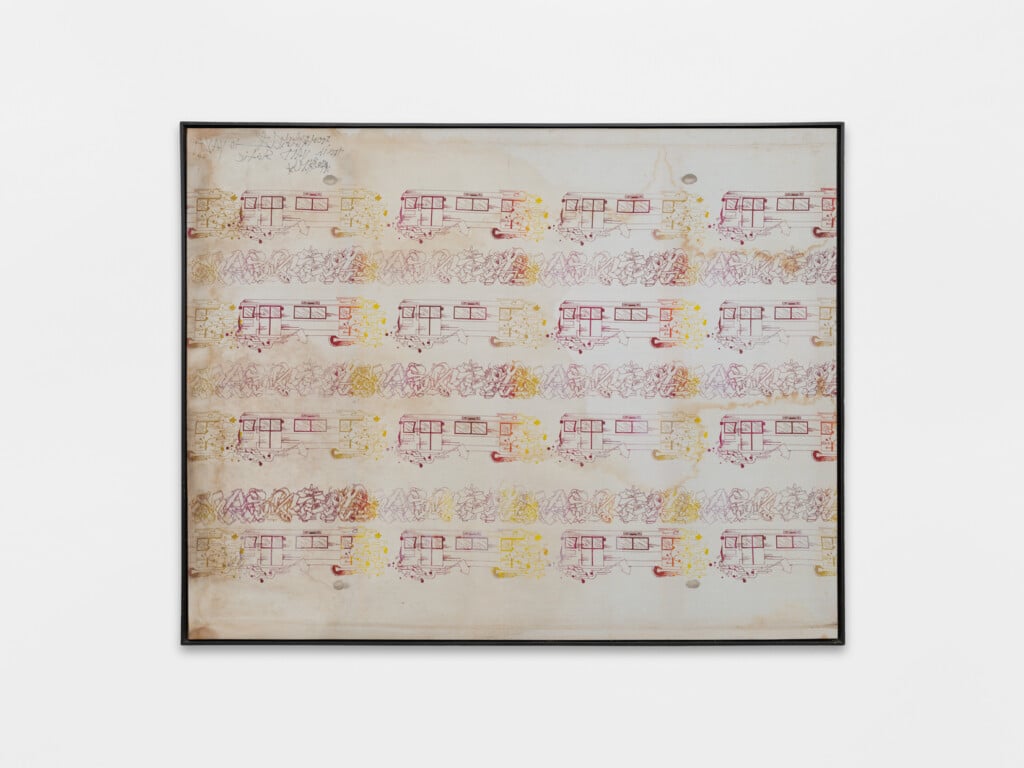
installation view – Palais de Tokyo, 2025 – photo : Aurélien Mole
Courtesy of the Rammellzee Estate, collection Yaki Kornblit
If art criticism has always looked at Jean-Michel Basquiat with great respect and admiration – an artist who, despite drawing on the urban underbelly, never truly touched the dark, colorful tunnels of the subway -, the same cannot be said of the early years of neglect that surrounded Rammellzee after his premature death.
As part of a genuinely engaged and in-depth reassessment of Rammellzee’s artistic and philosophical research, Museion in Bolzano has just announced that the artist’s works will be arriving in its spaces. The event marks the conclusion of a European retrospective trilogy conceived in memory of the American artist. After the first two chapters, staged in collaboration with the Palais de Tokyo in Paris and the CAPC Musée d’art contemporain de Bordeaux, the South Tyrolean institution presents TIME:LINE, opening on 17 October 2026 and running through 14 March 2027.
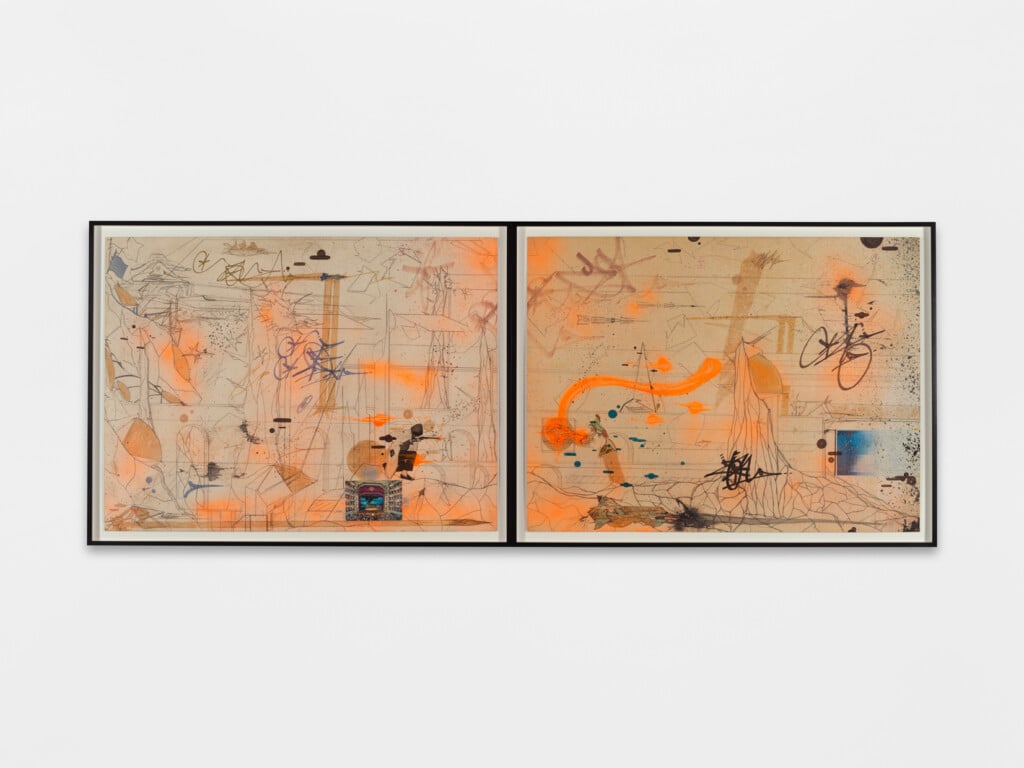
installation view – Palais de Tokyo, 2025 – photo : Aurélien Mole
Courtesy of the Rammellzee Estate, collection Michaël Benabou
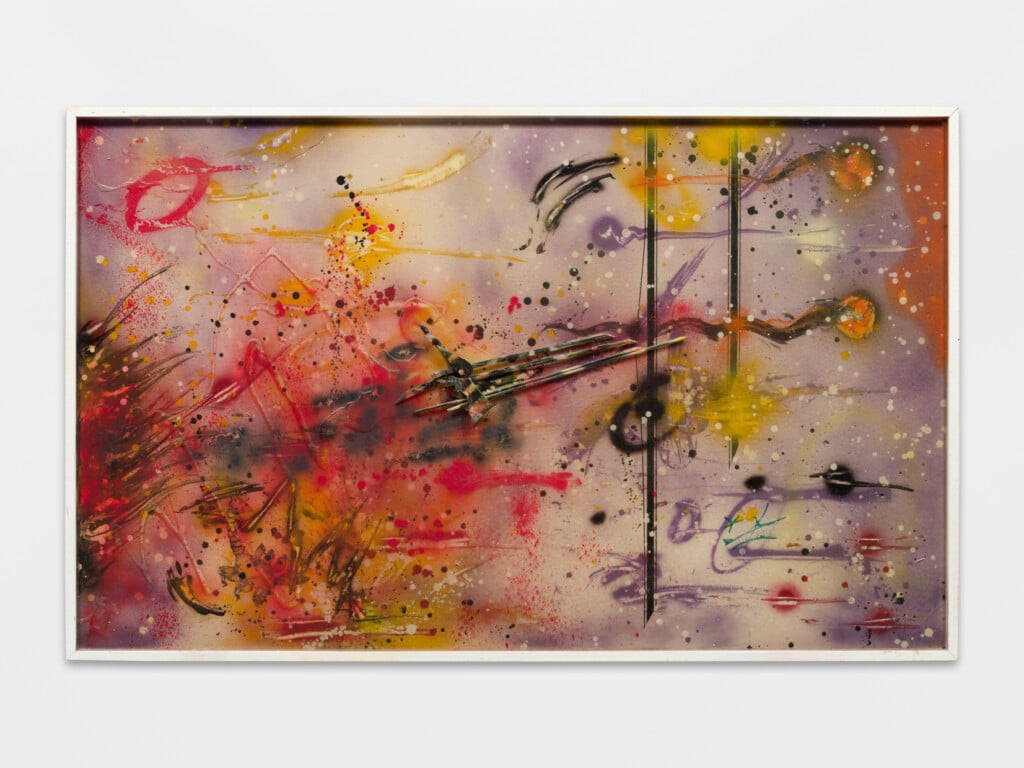
installation view – Palais de Tokyo, 2025 – photo : Aurélien Mole
Courtesy of the Rammellzee Estate, collection Speerstra
Along a creative path that saw him fly away far too soon, Rammellzee brought together sociological research, philosophical writing, music production (notably the 1983 track Beat Bop, made with friend and collaborator Basquiat) and ongoing performative and visual experimentation. Keeping his birth name anonymous and shrouded in mystery, the artist showed from the very start a combative spirit in the face of the constraints not only of language but, above all, of the social norms and conventions imposed over centuries and carried through words themselves. Like Malcolm – who, inspiring the Black Panthers, rejected from a young age the violence of a colonized surname and chose his defiant X as a non-surname -, Rammellzee always saw in letters and graffiti the rich potential for a militant, “armed” struggle through the dark tunnels of the subway. The most anonymous means of transport, colored and scored by the rhythm of hip hop, offered to his eyes the anarchic, liberated beauty of an unrepeatable mark and of a deeply passionate way of feeling in color.
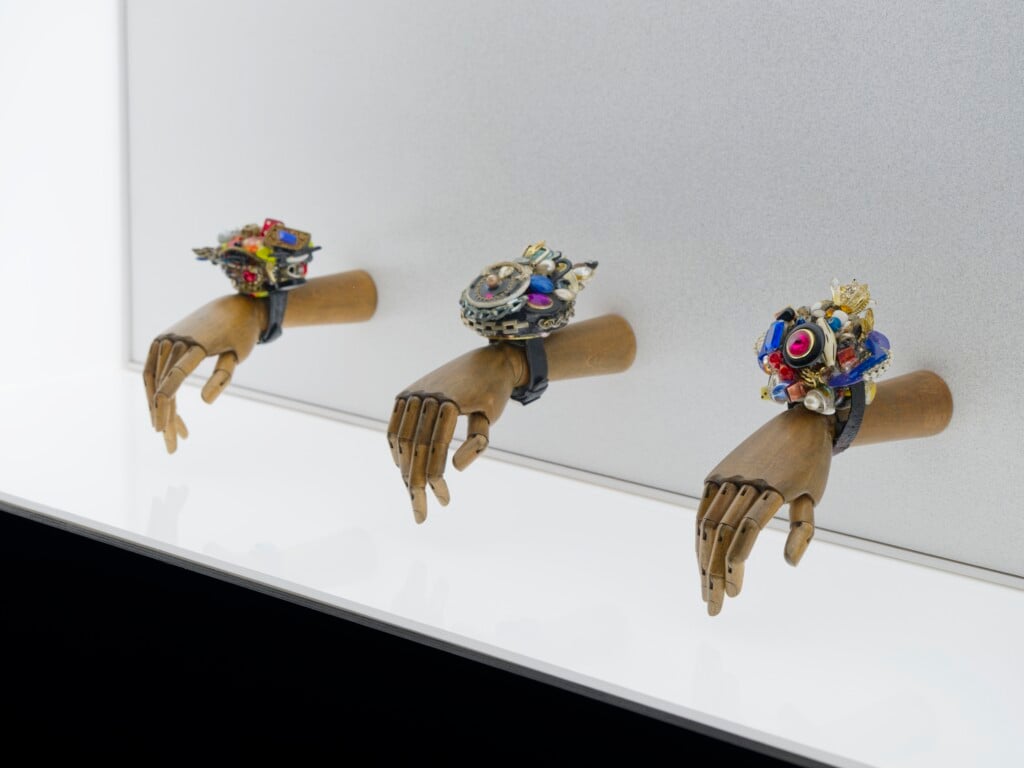
installation view – Palais de Tokyo, 2025 – photo : Aurélien Mole
Courtesy of the Rammellzee Estate, collection of David Fouks
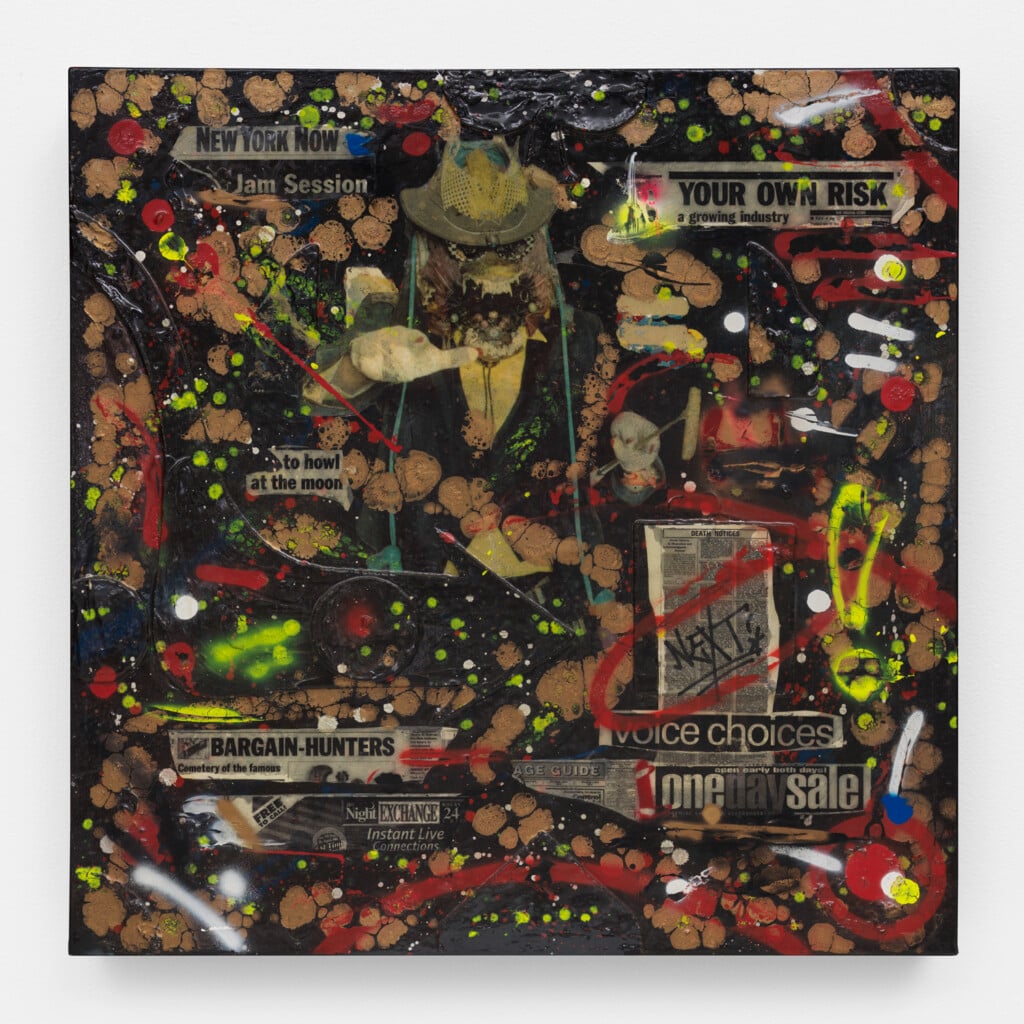
installation view – Palais de Tokyo, 2025 – photo : Aurélien Mole
Courtesy and collection of the Rammellzee Estate
The son of an African American mother from Queens and heir to a man who had left Italy (in pursuit of an American dream), he arrived in Puglia drawn to a small-town reality that, between grassroots collaboration and an apparent distance from everything, knew how to welcome him with the same inventiveness and craftsman’s ingenuity he had already experienced in New York’s notoriously tough outer boroughs. Carried by the rhythm of dance and by performances built around his famous Garbage Gods (handmade costumes halfway between cyber utopia and African American tribal tradition), Rammellzee’s colorful, joyfully angry universe will soon light up the skies of Bolzano too, with the force of a shock.
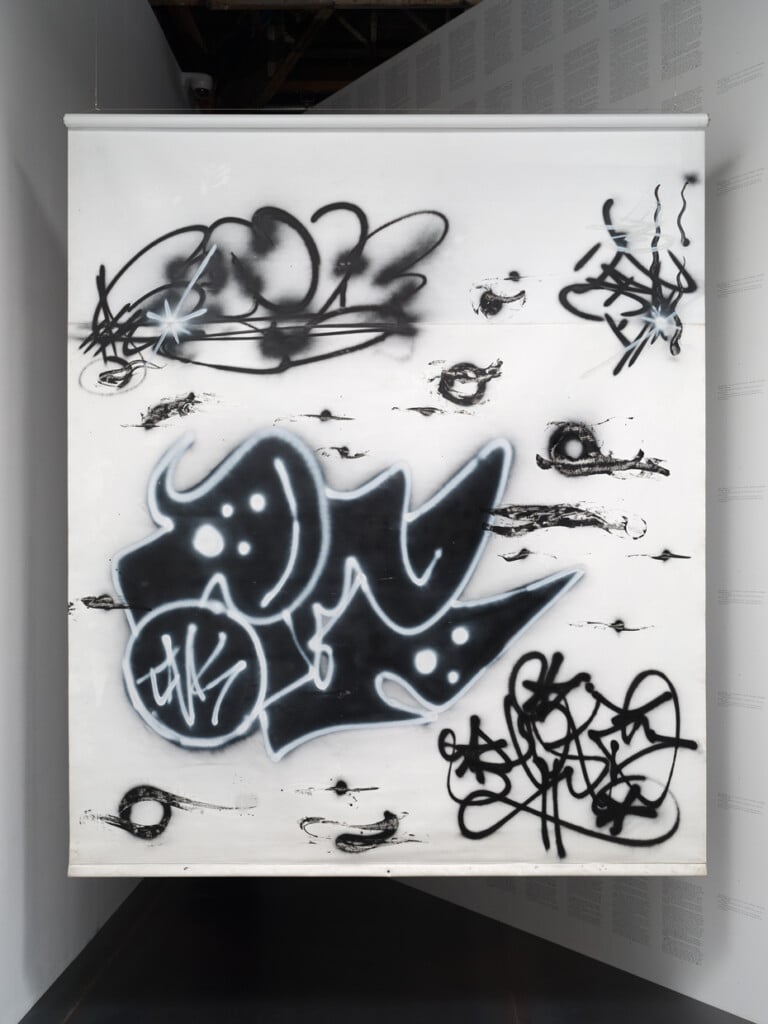
installation view – Palais de Tokyo, 2025 – photo : Aurélien Mole
Courtesy of the Rammellzee Estate, collection Johnny Grizot
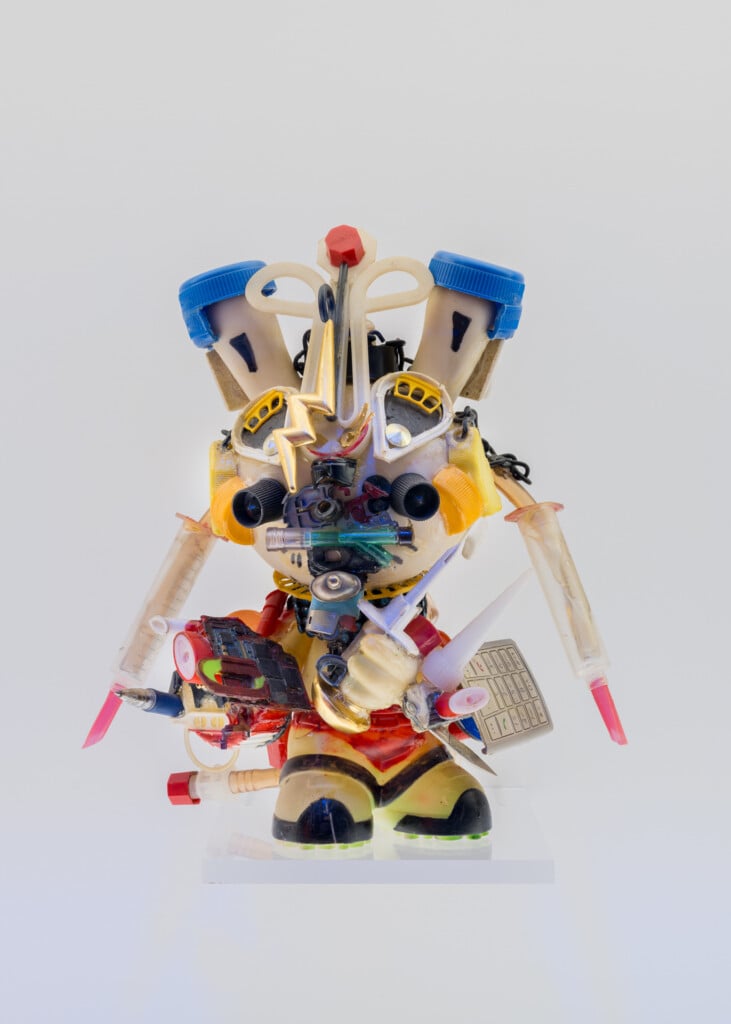
installation view – Palais de Tokyo, 2025 – photo : Aurélien Mole
Courtesy and collection of the Rammellzee Estate
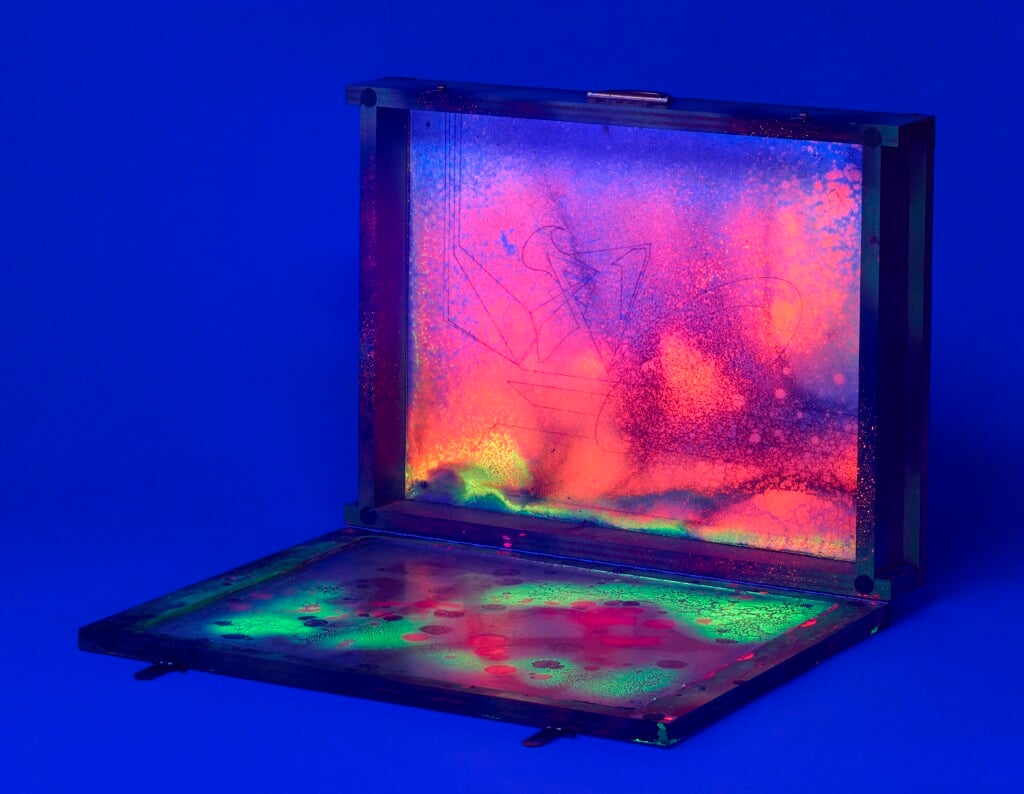
Installation view – gallery Ziegler (Zurich) – photo : Peter Schälchi
Courtesy of the Rammellzee Estate, collection Ziegler
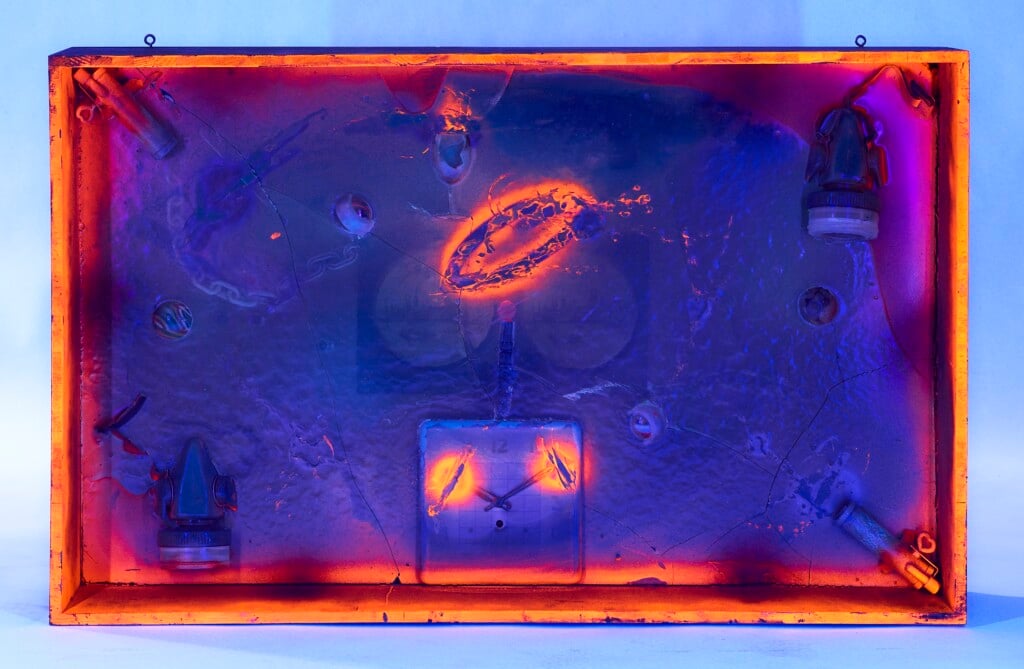
Installation view – gallery Ziegler (Zurich) – photo : Peter Schälchi
Courtesy of the Rammellzee Estate, collection Ziegler
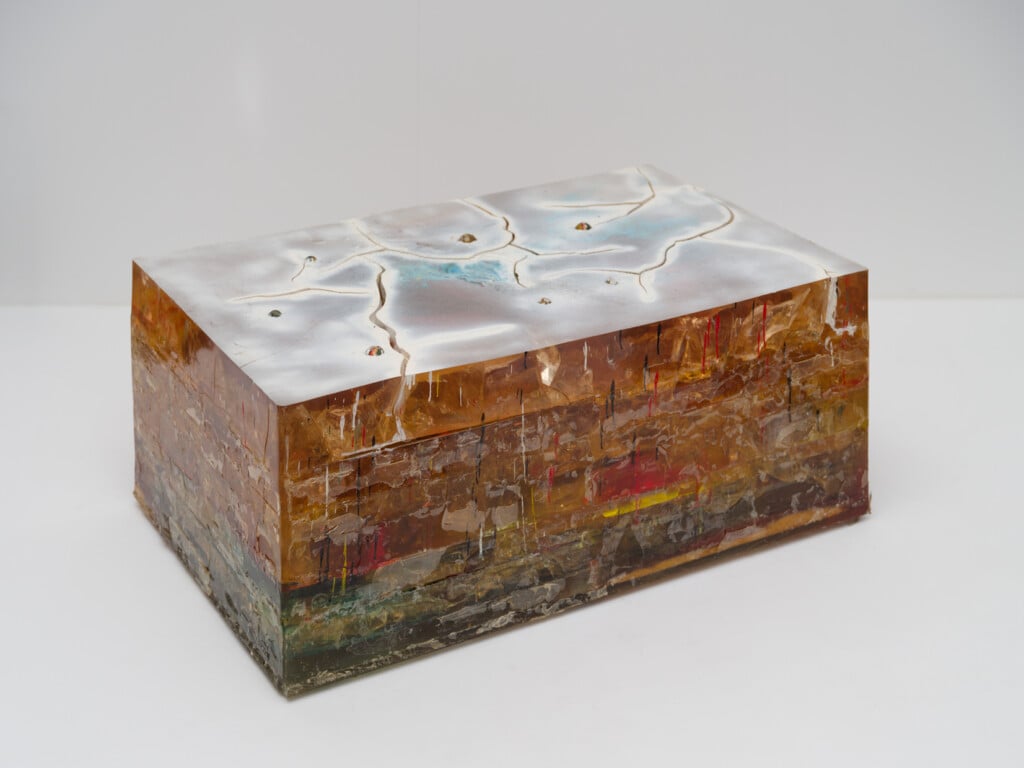
installation view – Palais de Tokyo, 2025 – photo : Aurélien Mole
Courtesy of the Rammellzee Estate, collection Ziegler
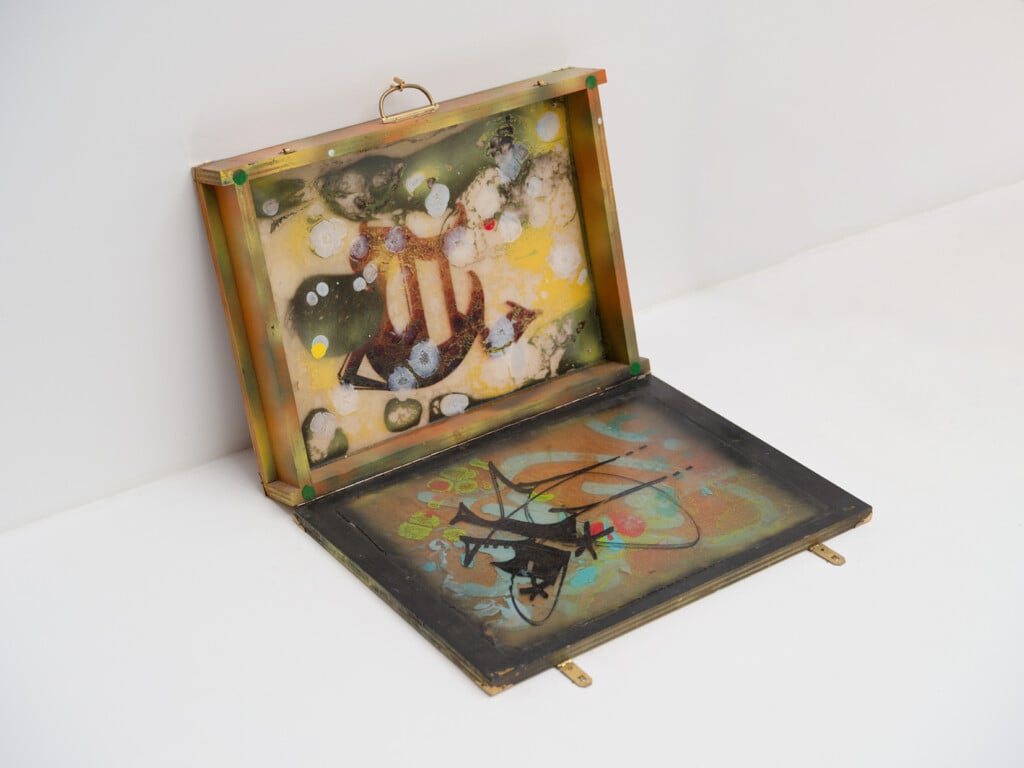
installation view – Palais de Tokyo, 2025 – photo : Aurélien Mole
Courtesy of the Rammellzee Estate, collection Ziegler
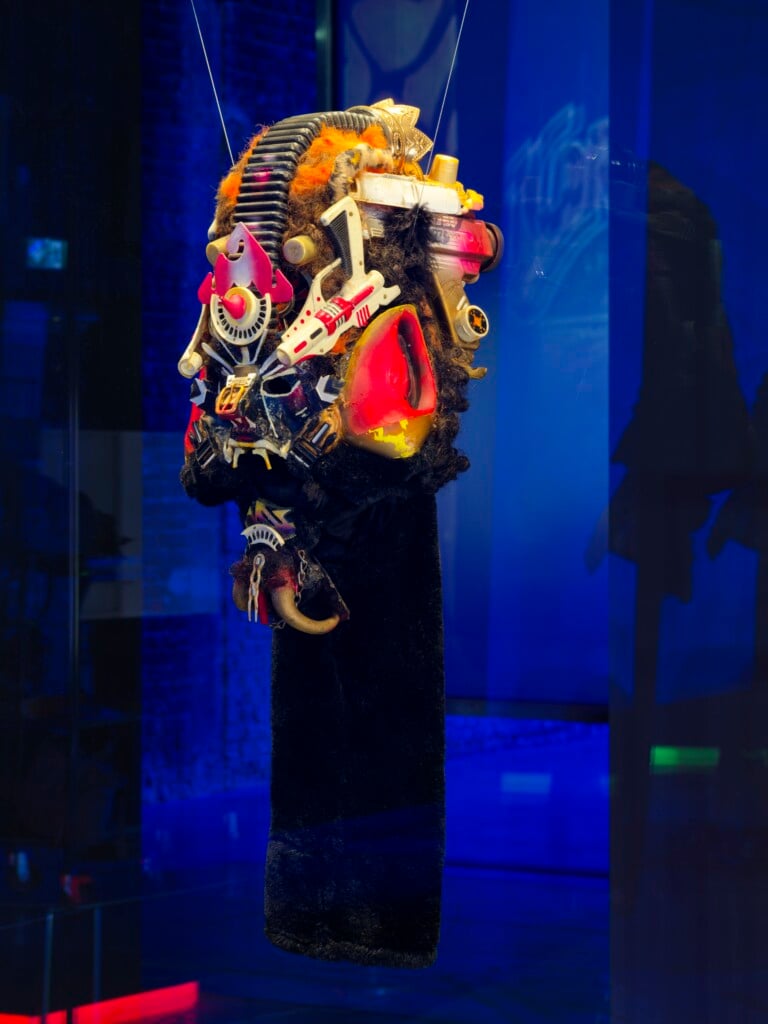
installation view – Palais de Tokyo, 2025 – photo : Aurélien Mole
Courtesy and collection of the Rammellzee Estate
Article by Floriana Savino