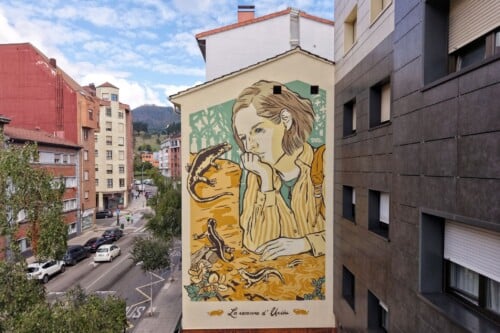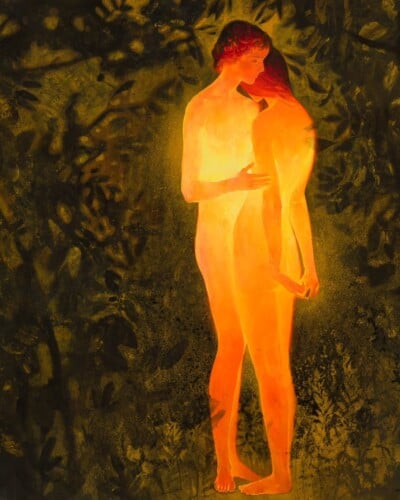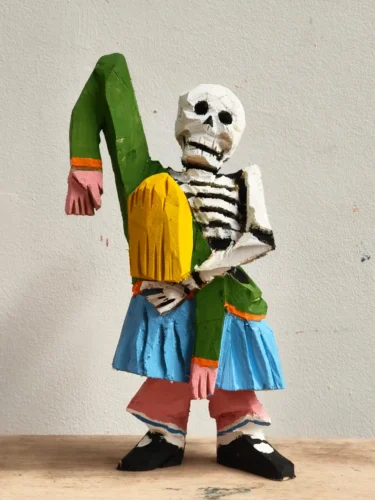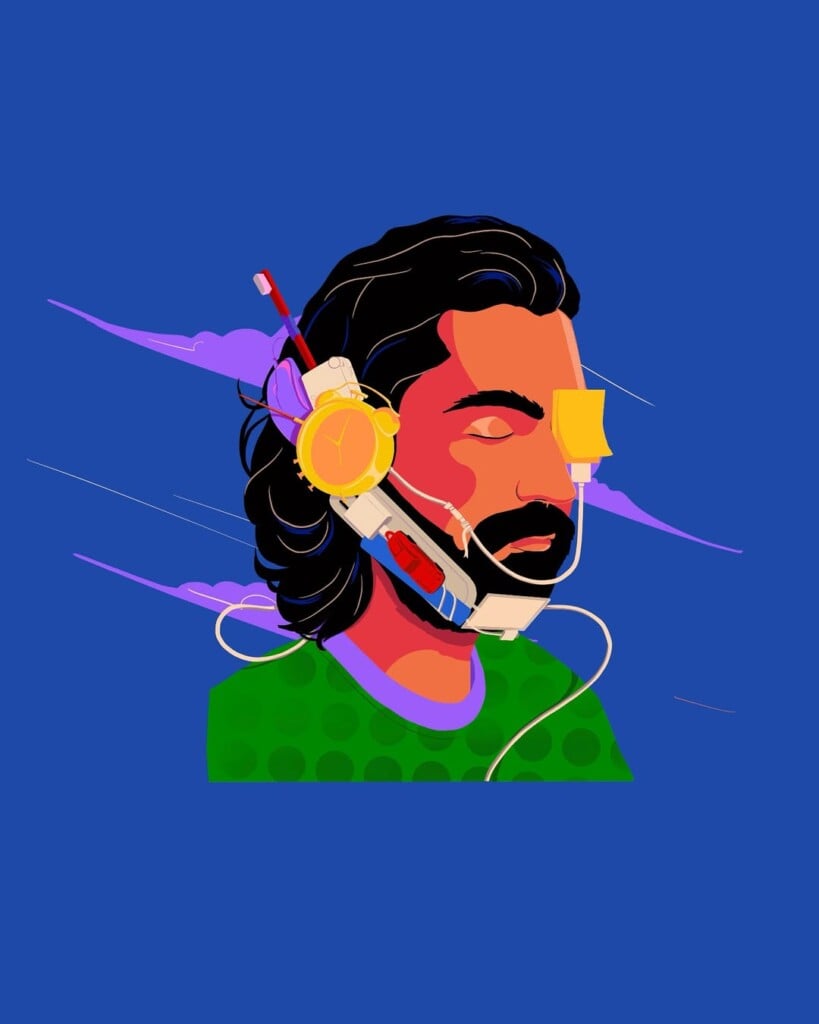
Indian illustrator and visual storyteller Krutik Chavda builds a language that exists in the friction between different worlds: Indian visual culture, streetwear aesthetics, and a sharp, almost editorial graphic sensibility. The result is an unstable balance that turns every image into a small field of forces.
Visualizza questo post su Instagram
As he explains himself, his work emerges from the intersection of «Indian culture, streetwear, and bold design», combining narrative depth with a sharp aesthetic, capable of adapting to both branding and personal expression. But stopping at this definition would be reductive. Because in his images there is not just contamination—there is translation.

His illustrations function as cultural interfaces: symbols, patterns, and traditional references are reworked through contemporary codes—from sneaker culture to visual identity, passing through packaging design. And all of this without ever becoming mere decorative citations. It is a process closer to remix than reinterpretation: the elements are not preserved, but rewritten.
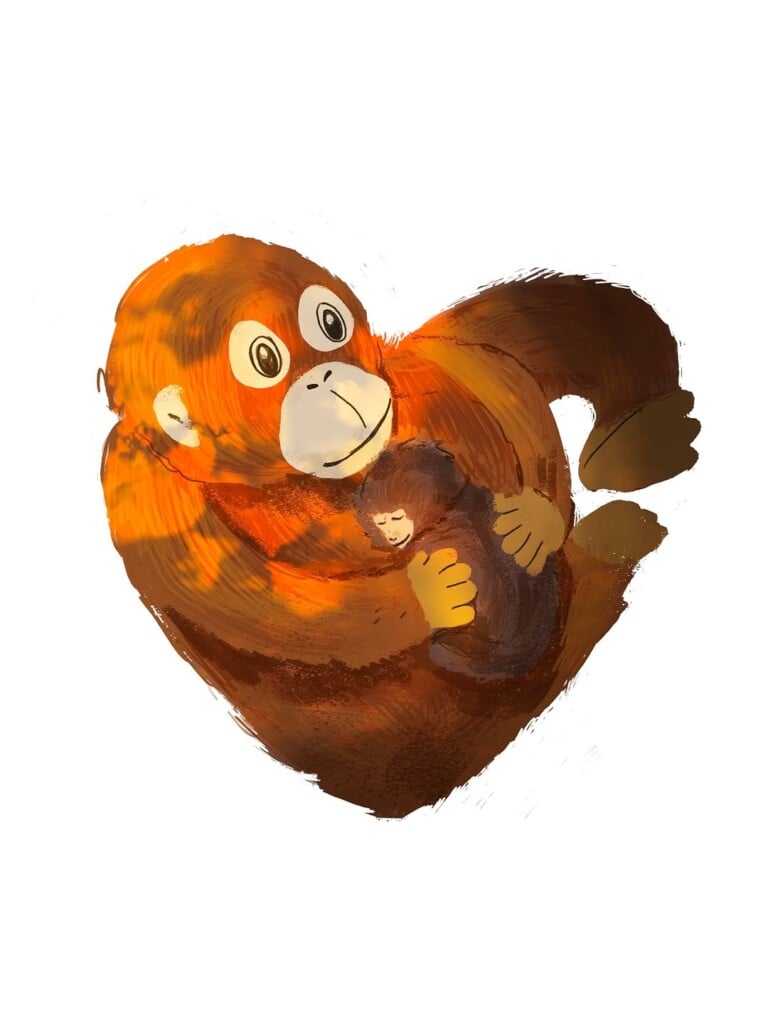
In some works, this dynamic clearly emerges through the use of color and composition. The palettes are saturated, direct, often aggressive, while the forms seem designed to impact even before being read. And yet, beneath this visual immediacy lies a precise, almost cinematic narrative structure. It’s no coincidence that Chavda also experiments with frame-by-frame animation, expanding illustration into the dimension of time.
Visualizza questo post su Instagram
Ultimately, what he does is only seemingly simple: he takes existing visual codes and forces them into dialogue with one another. Tradition and contemporaneity, local and global, identity and market. He doesn’t try to resolve these oppositions, but stages them, allowing them to communicate with each other without interruption.