Raise your hand if you received Dixit for Christmas and played with it throughout the holidays.
Now raise your hand if you already had Dixit, but still played it throughout the holidays.
It’s been a long time since we’ve heard of a board game so often. In just a few years, Dixit has become the favourite of many and has even managed to oust timeless games such as Monopoly or Risk.
If you don’t know it yet, forget about buying and selling, territory invasions and strategies, the only essential ingredient for a game of Dixit is imagination. Very briefly, the objective of the game is to earn points by making the other players guess – but not all of them, please! – a card by describing it in any possible way: with a sentence, a word, a feeling, a song, a verse. Everything counts!
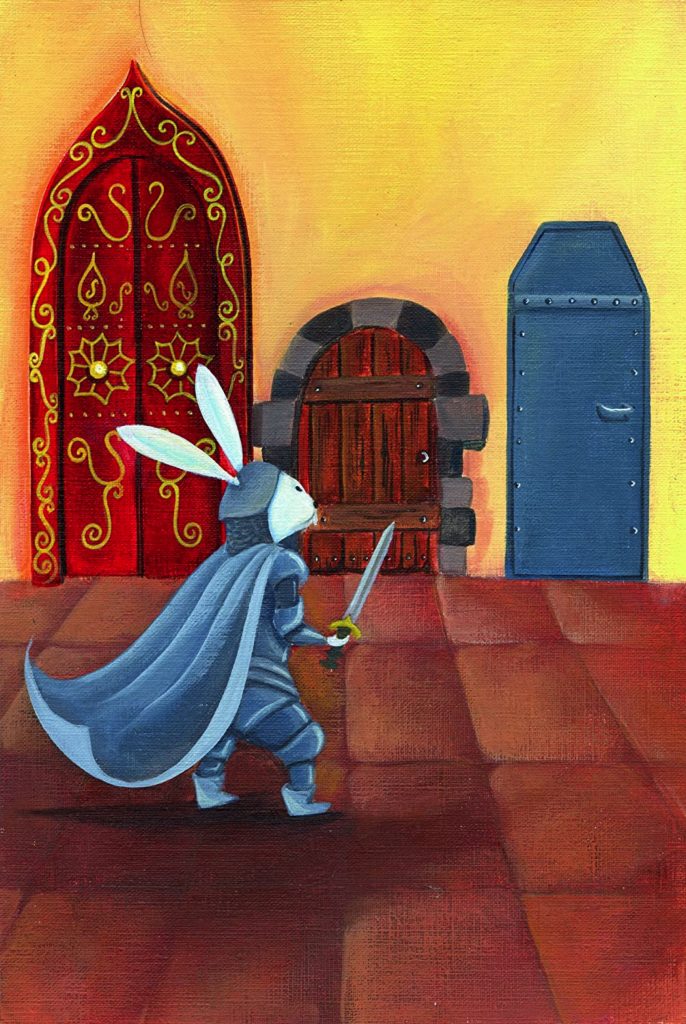
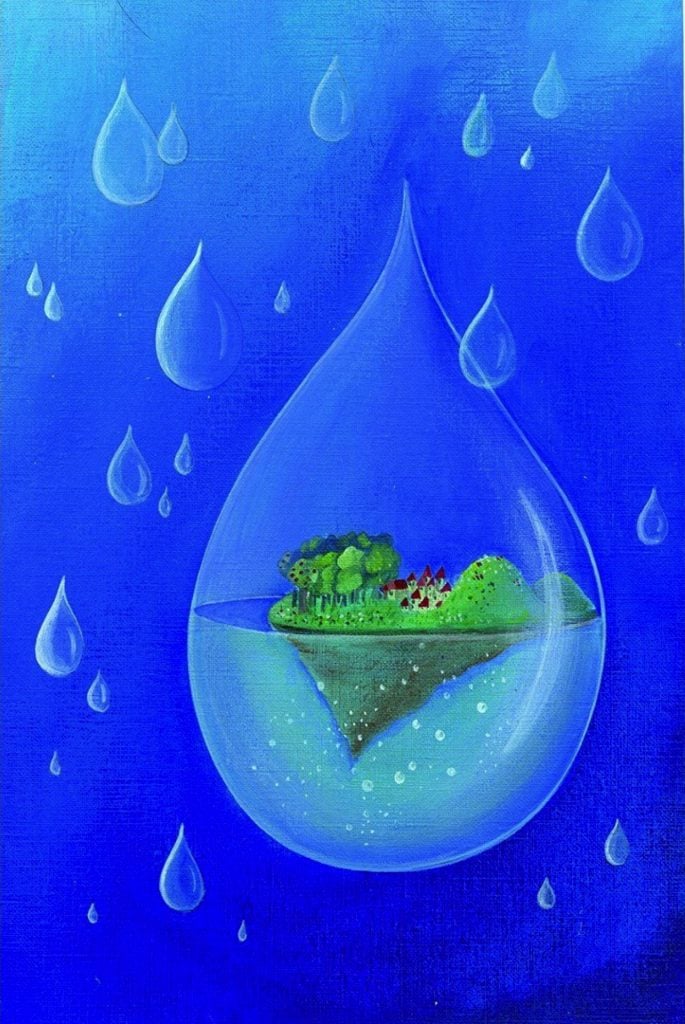
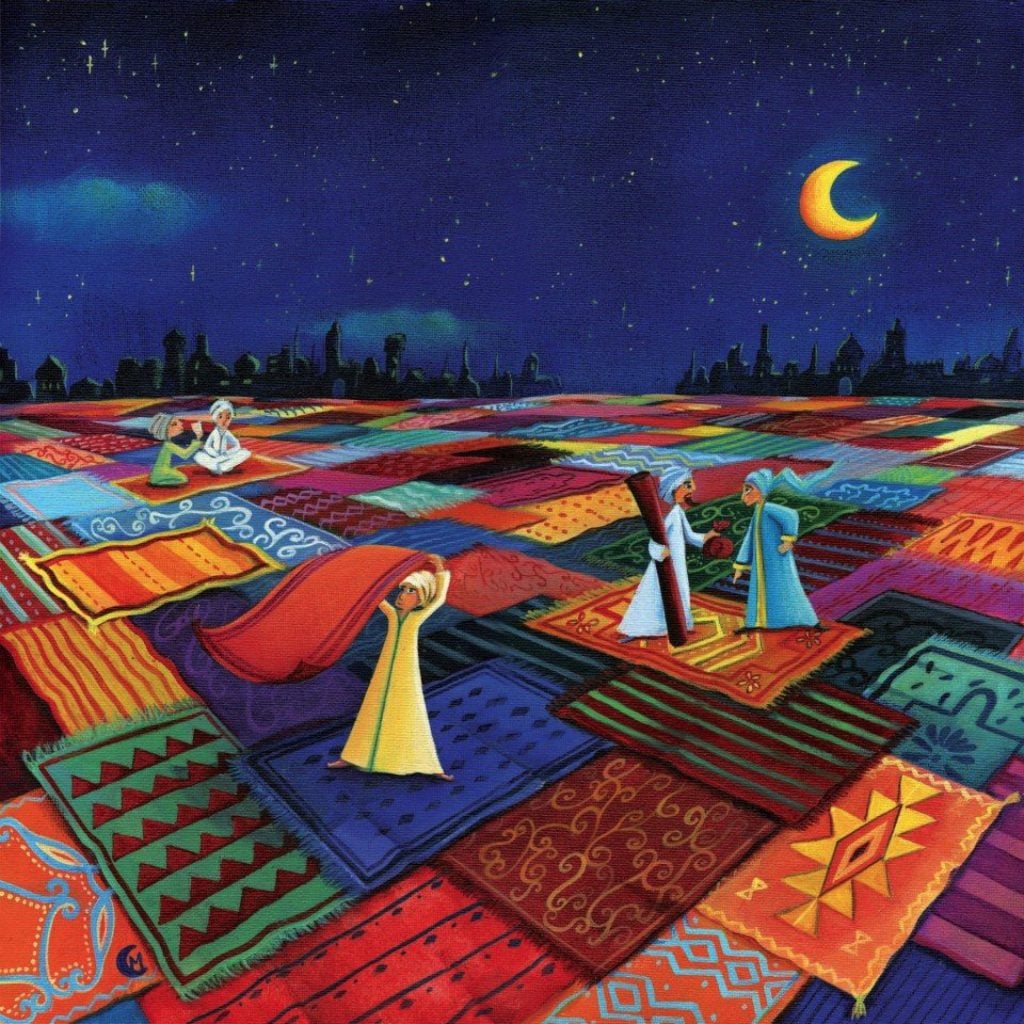
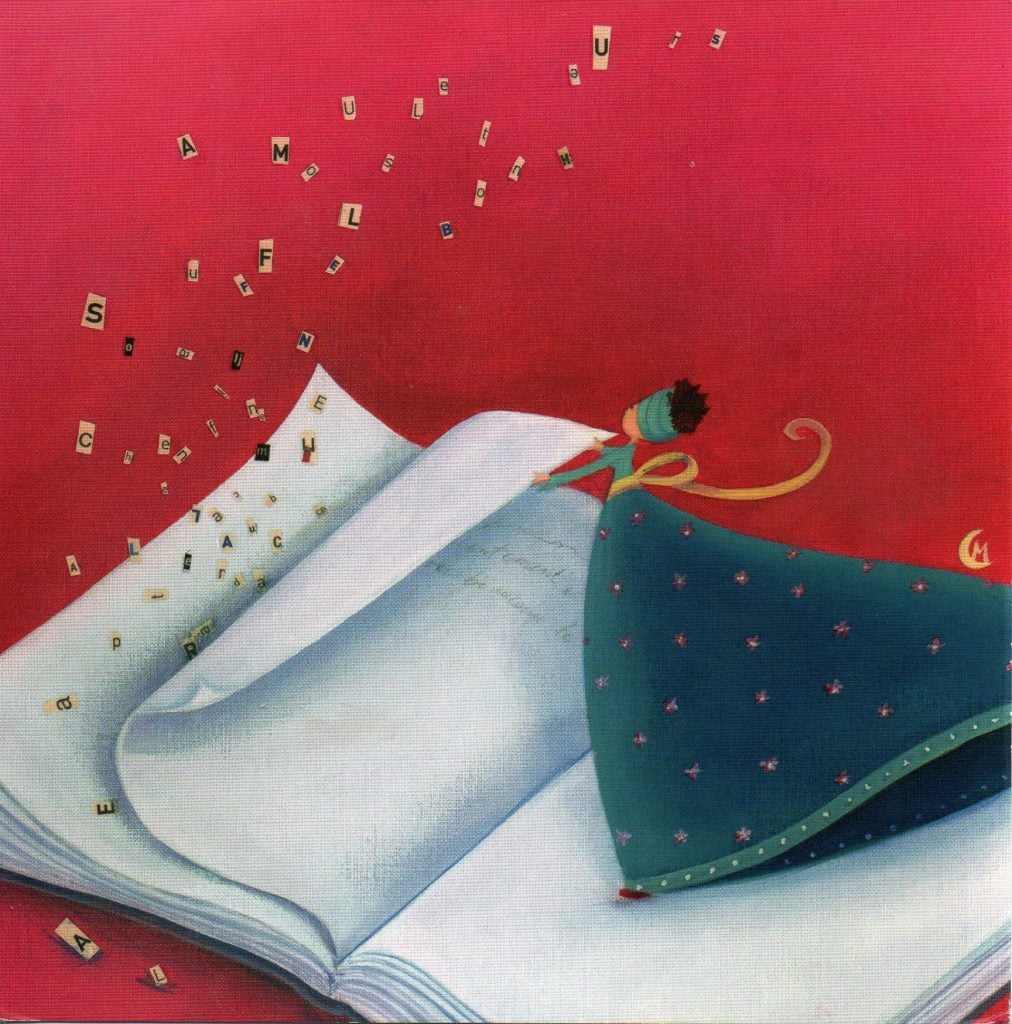
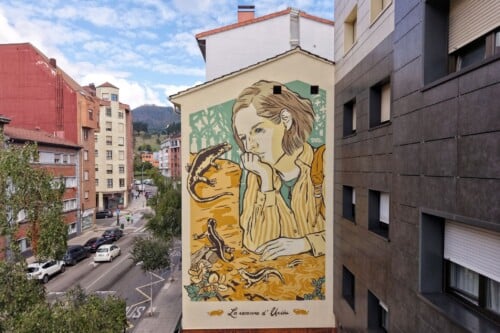
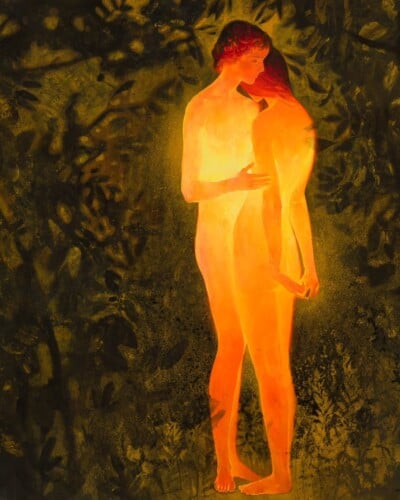
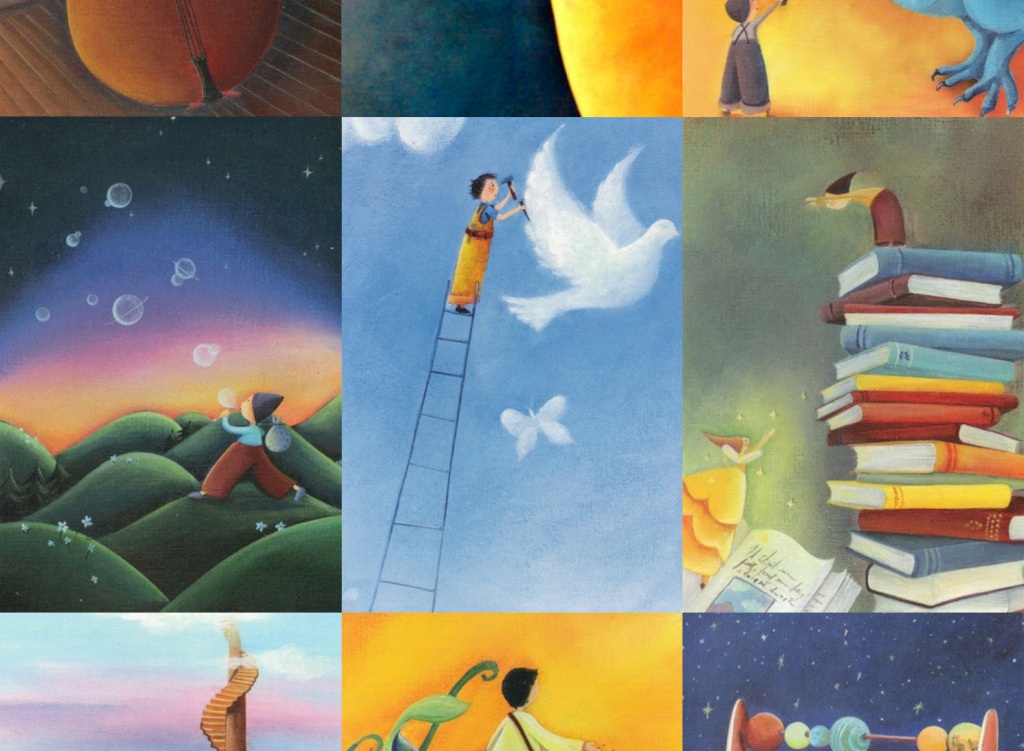
In addition to its simplicity and immediacy, the success of the game developed by child psychiatrist Jean-Louis Roubira is also due to the undeniable beauty of the illustrations. Each of the 84 Dixit cards is illustrated by French artist Marie Cardouat.
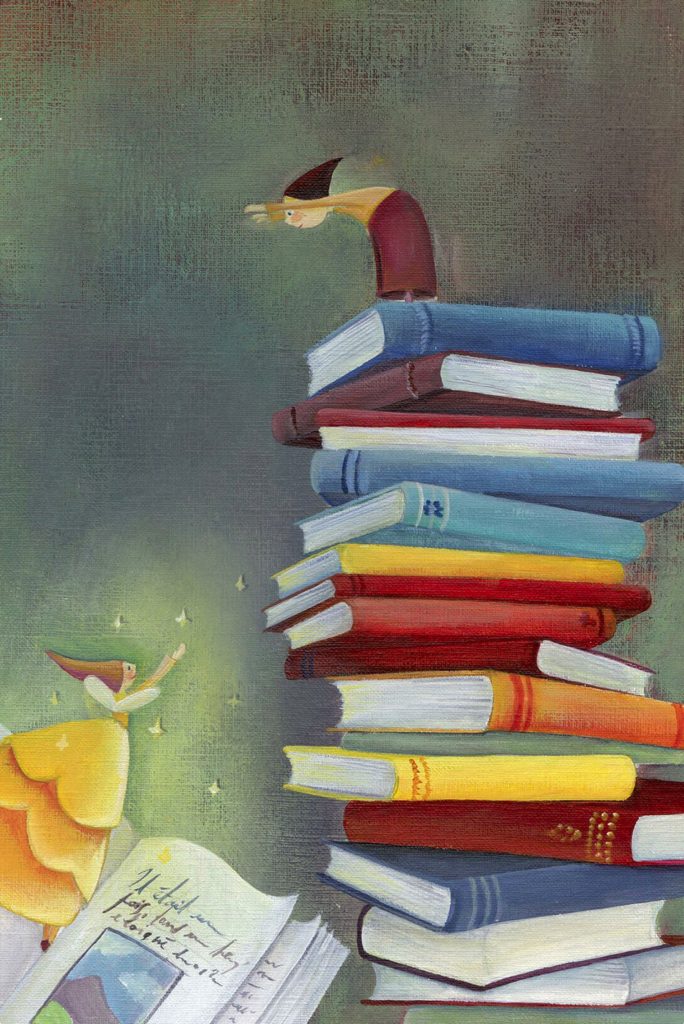


Born in 1981, Marie Cardouat was born in Finistère, a department in the north-east of France. She graduated from the School of Decorative Arts in Strasbourg and it was during her studies that she developed her dreamy and imaginative style. After finishing her studies, she opened a small studio in Paris, where she still works and creates her illustrations.
Her style, based on the use of bright, vivid colours that deviate from reality, is perfectly suited to the world of children: it is no coincidence that Marie Cardouat does work for publishing houses that publish books for children. This characteristic has made her the perfect person to illustrate the Dixit cards. Each of them represents a scene that can be directly traced back to childhood, feelings and life experiences.
Each drawing by Marie Cardouat contains a story that can move us and transport us far away, just like a game of Dixit with friends.