Some do it to free up closet space, others to live more sustainably, and some simply for the thrill of the hunt for a unique piece. Vinted has become the go-to platform for all these approaches—a space that has redefined the second-hand concept and turned private exchanges into a pop, everyday habit, as we previously explored here. But what sells the most? When is the best time to shop? And above all, are there strategies that actually work?
According to the latest data released by the platform, leopard prints are among the most beloved: in 2024 alone, over one million items with this pattern have been uploaded. While some users hesitate—like the one who took 398 days to purchase a collectible action figure—others are ready to spend big: a vintage Walkman was listed for €1,900. Quality matters too: cotton, cashmere, and leather are among the most searched-for materials, showing that even in the second-hand world, people are looking for care and longevity.

Another trend to watch is newstalgia—a wave of nostalgia focused on items from the ’90s and 2000s. In 2024, this trend found a dedicated space on Vinted with a new category for trading cards, action figures, puzzles, and memorabilia. On December 26th, right in the middle of the holiday break, trading cards were the most posted items on the platform. A sign that collecting is back in style—not just for die-hard fans.

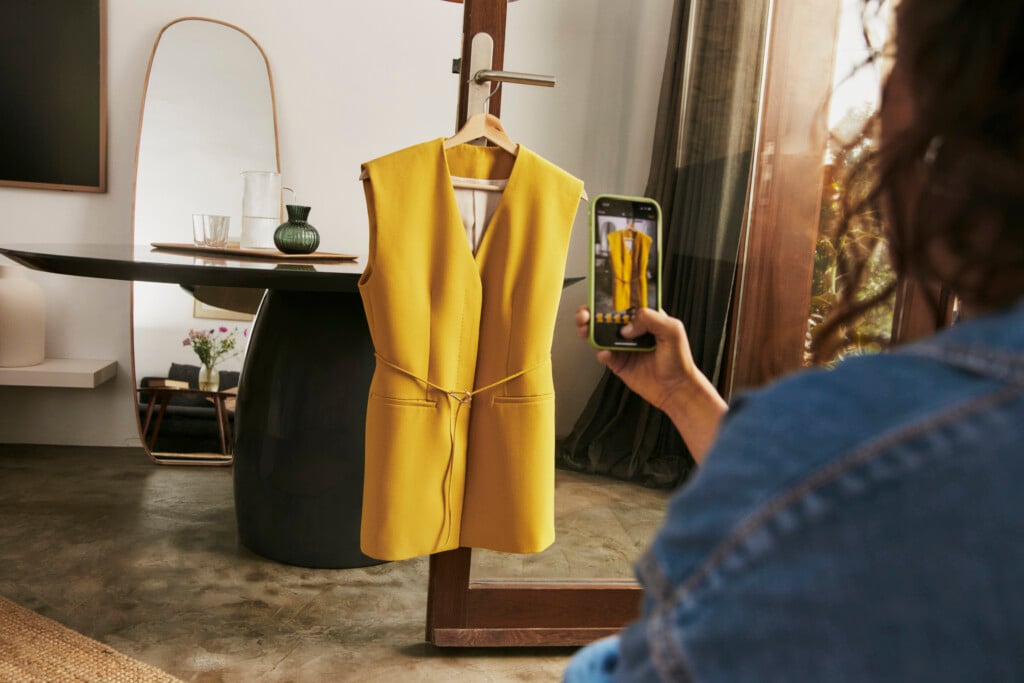
For sellers, a few key tips can really make a difference. Listings with at least three photos tend to perform much better. In June 2024—perhaps thanks to natural lighting—users uploaded an average of eight photos per item. Another factor not to overlook is the time of day: browsing between 6:00 PM and 9:00 PM makes it easier to catch interesting deals and markdowns.

Vinted has also introduced new features to help people sell better and buy more accurately. The materials filter, for example, allows users to select items made from cotton, cashmere, or leather, with sellers able to tag up to three materials per garment. Thanks to AI, pattern recognition from photos enables automatic classification of prints—from florals to tie-dye to animal prints—eliminating vague or inaccurate manual descriptions.
More than 475,000 users have already embraced this. And it’s not uncommon for small communities to form around a single profile: in 2024, over 70,000 users bought exclusively from one seller, following them almost like a micro-brand.
Vinted today is no longer just a second-hand marketplace—it’s an ecosystem where aesthetics, nostalgia, sustainability, and practicality all come together. A place where fashion meets electronics, where Pokémon cards sit next to leather loafers, and where every item, even the most unexpected, can get a second chance. Buying and selling has never been so intuitive—or fun.