In the heart of Milan, between the Galleria, Piazza Duomo, and Piazza Cordusio, there is a place suspended between sky and city, where cuisine intertwines with the landscape, time takes on a new flavor, and every design choice is guided by a deep ethical awareness. This is Horto Restaurant, a Michelin-starred restaurant, which opens our column Mise en Places, a journey to discover those restaurants where architecture and design merge with gastronomic philosophy, creating sensory experiences that go beyond the plate.
Horto is not just a restaurant: it’s a manifesto. A project where every detail—from the furnishings to the wine list, from the raw materials to the structure itself—is designed to embody the philosophy of the Ethical Hour: an invitation to rethink our relationship with time, nature, and the territory.
A Terrace Above the City
Designed by GLA Studio (Genius Loci Architettura) and conceptually curated by Luisa Collina – Dean of the School of Design at Politecnico di Milano – Horto is located at Via San Protaso 5, on the terrace of The Medelan building, a former bank headquarters renovated to the highest sustainability standards (LEED Platinum certification).
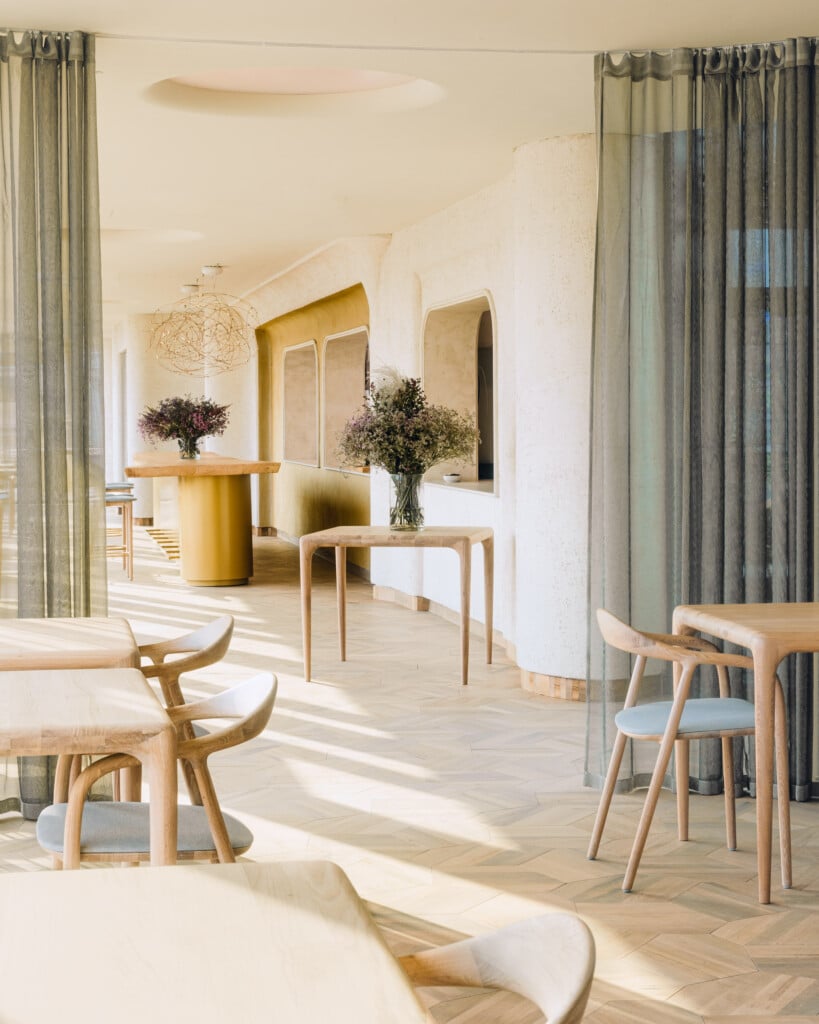
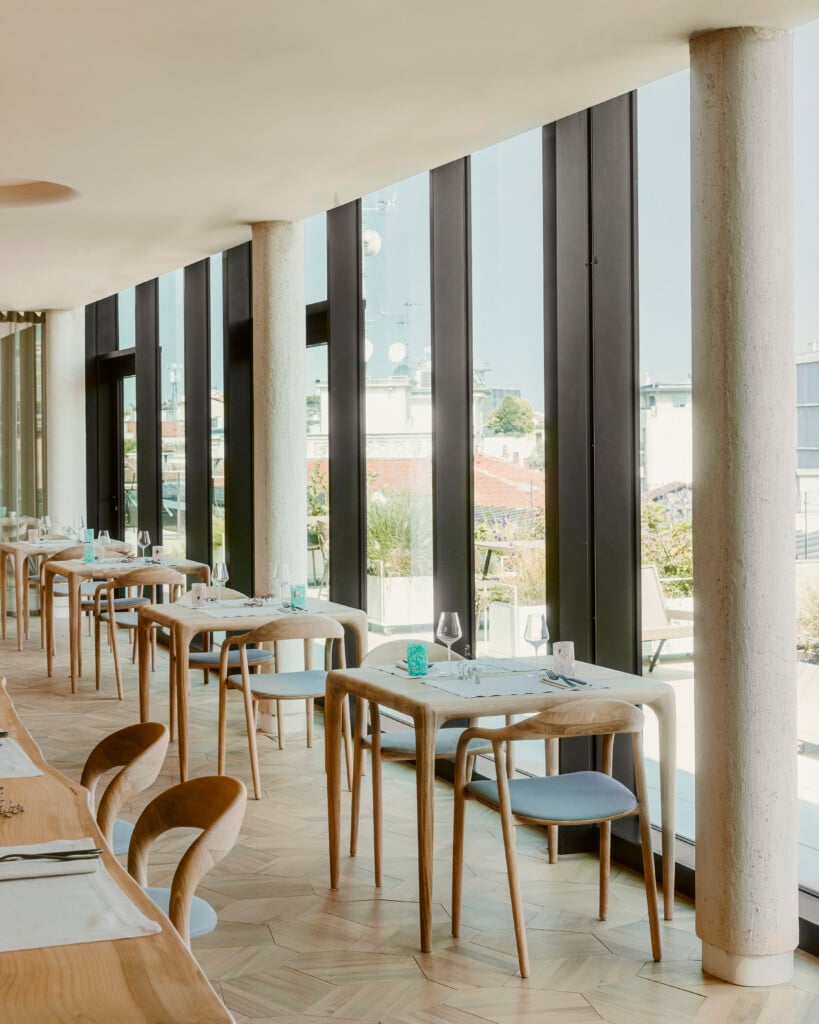
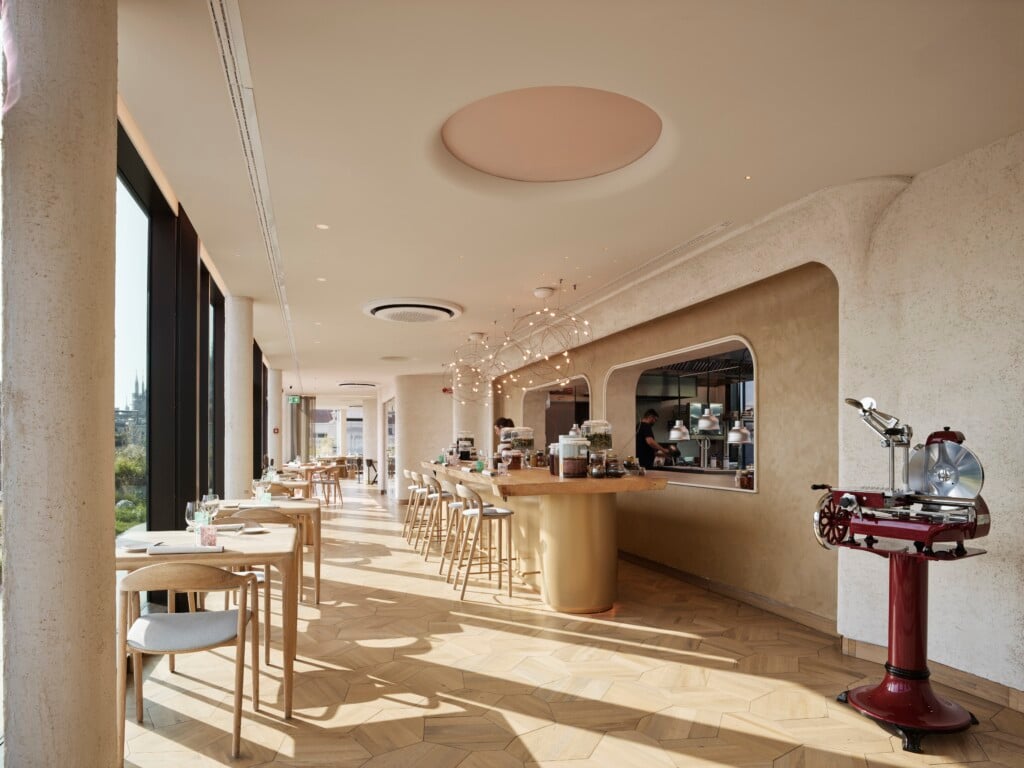
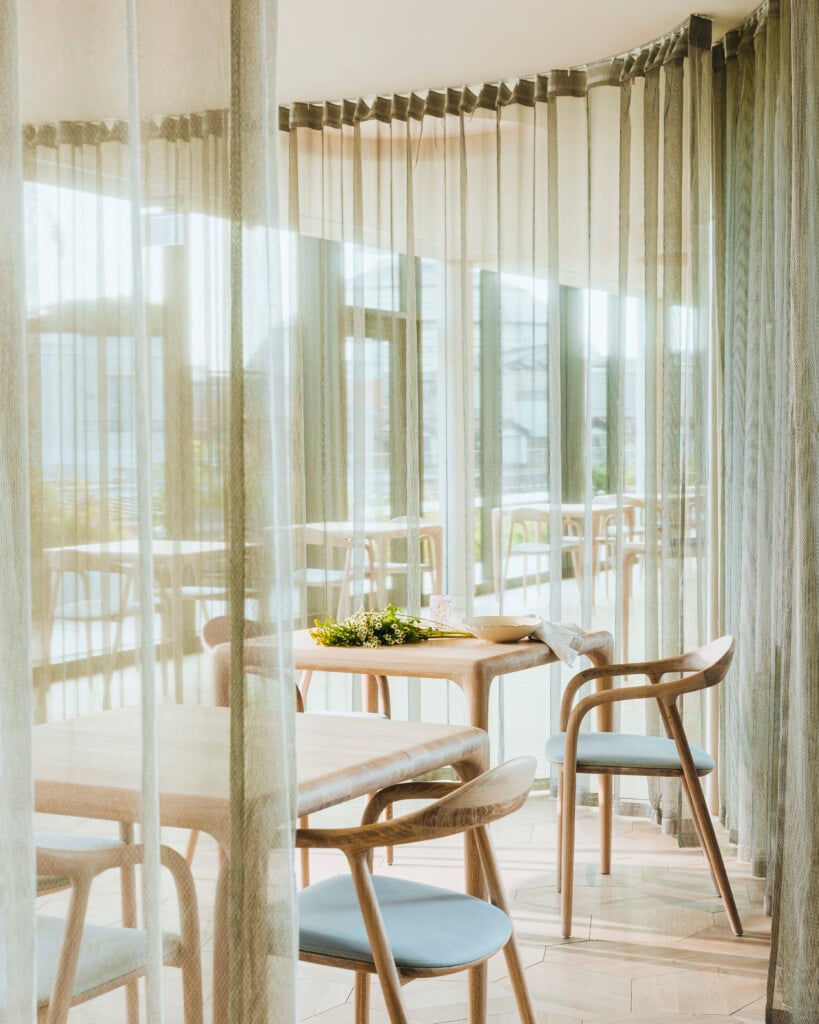
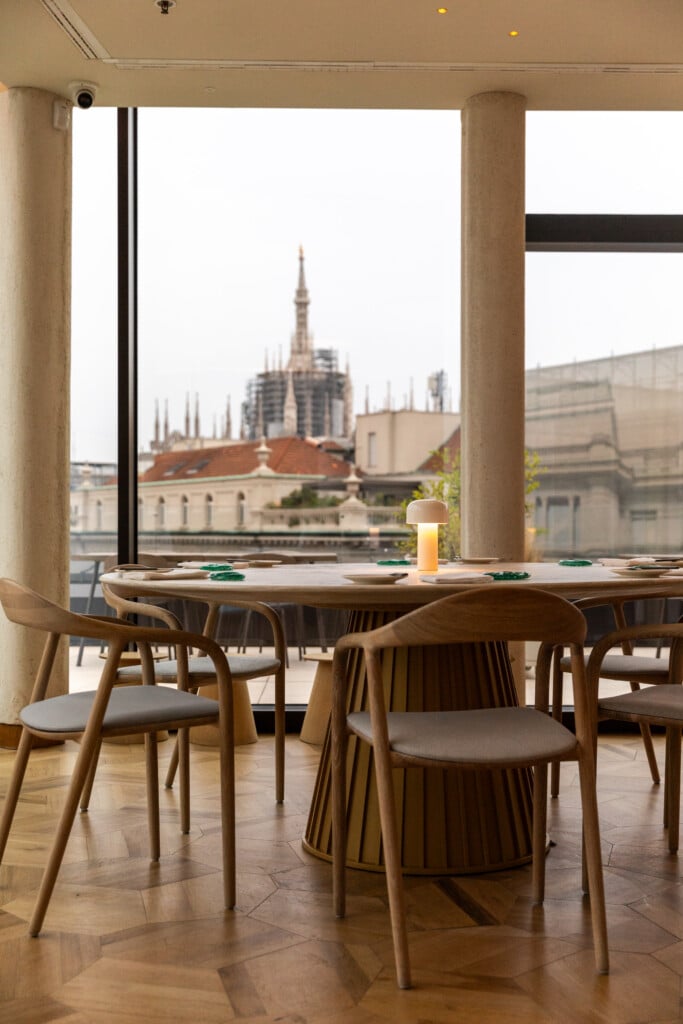
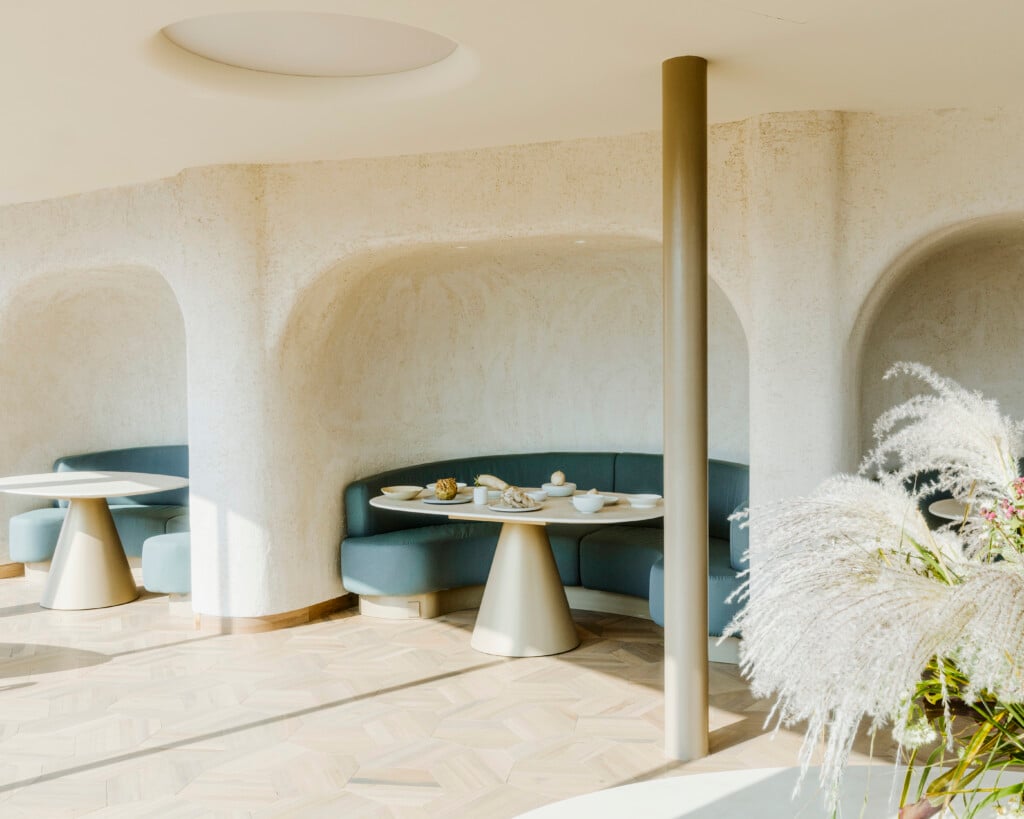
The environment is organic, enveloping, almost dreamlike. The lines are soft, the colors natural, the atmosphere rarefied. The interior interacts with the exterior through continuous glass walls that make you instantly forget what everyone says about Milan—that it’s a grey and gloomy city. Here, everything seems designed to let in as much light as possible. Contributing to this is the landscape design by Raffaella Colombo, whose project is not mere decoration but a dynamic, ever-changing landscape that evolves with the seasons, embracing fragility and even stillness as integral parts of beauty.
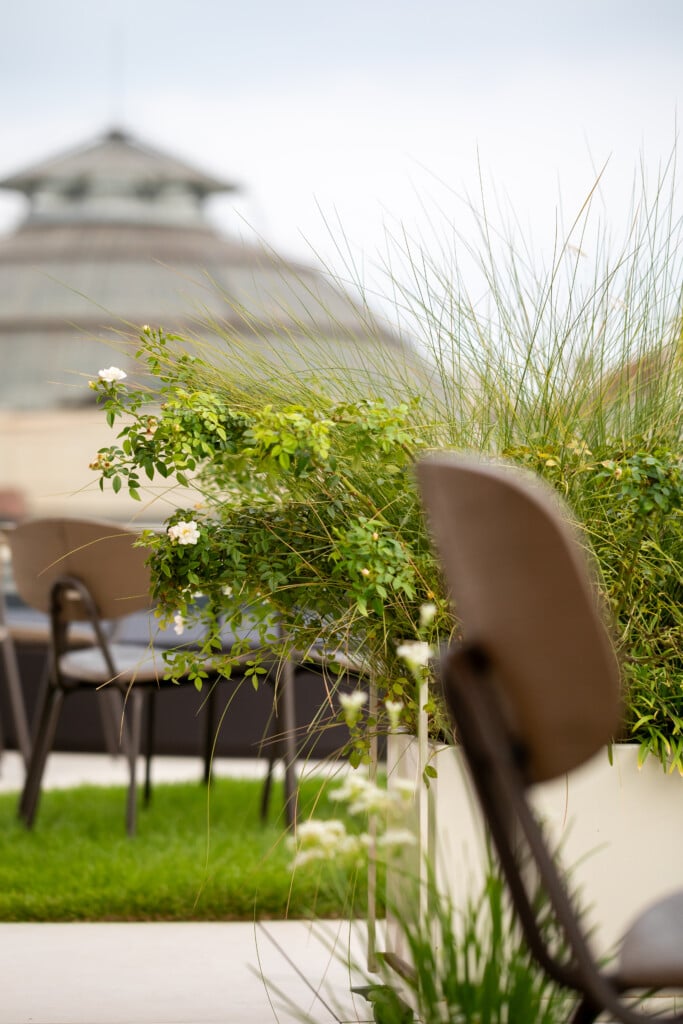
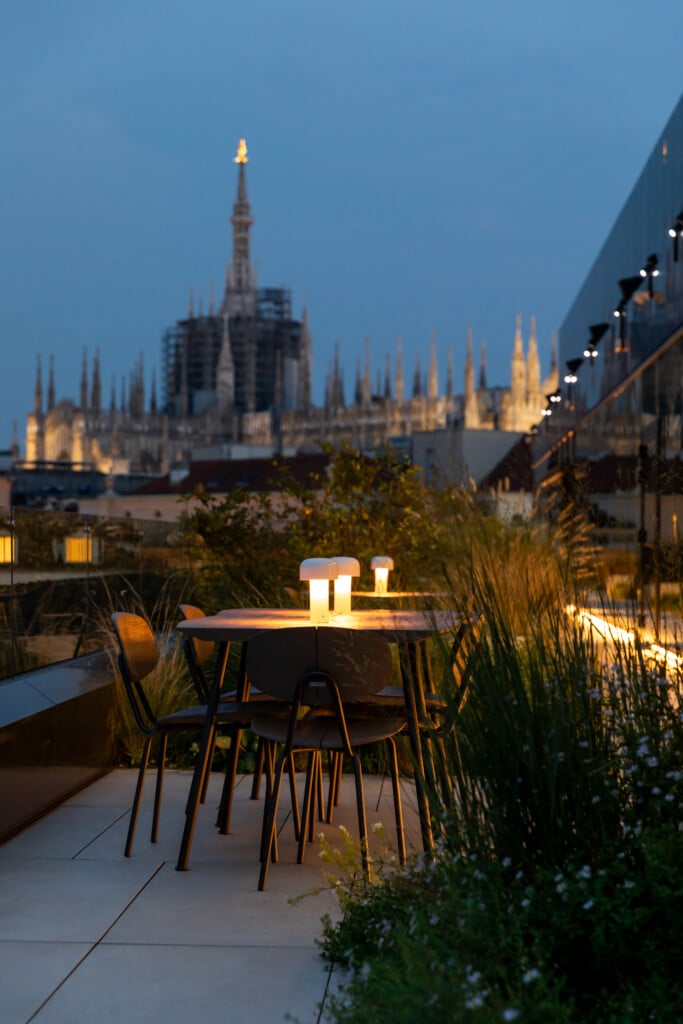
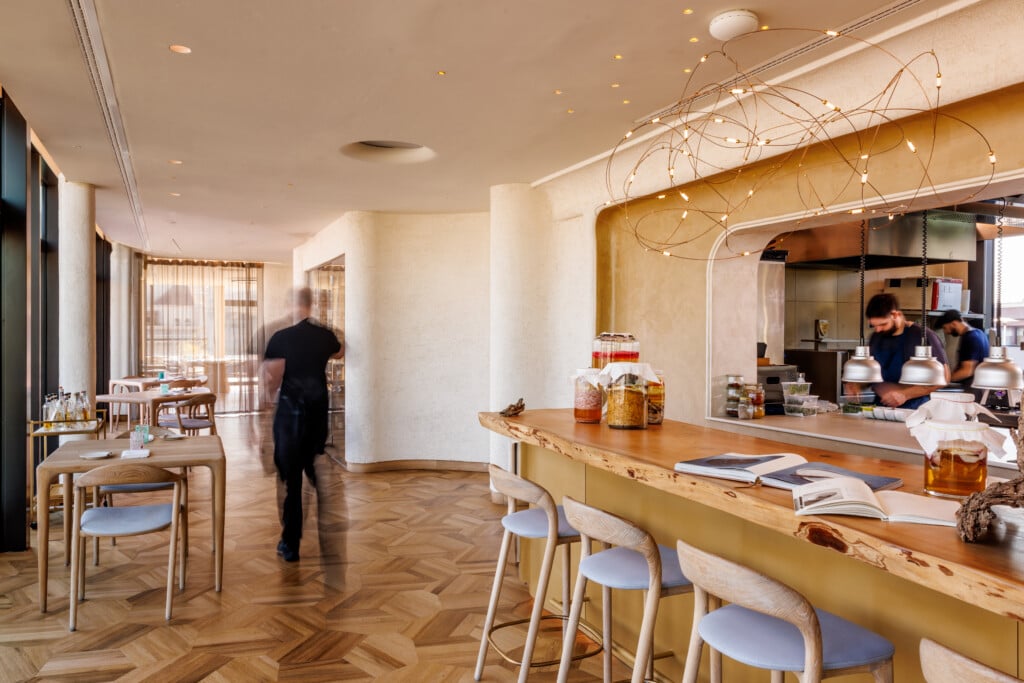
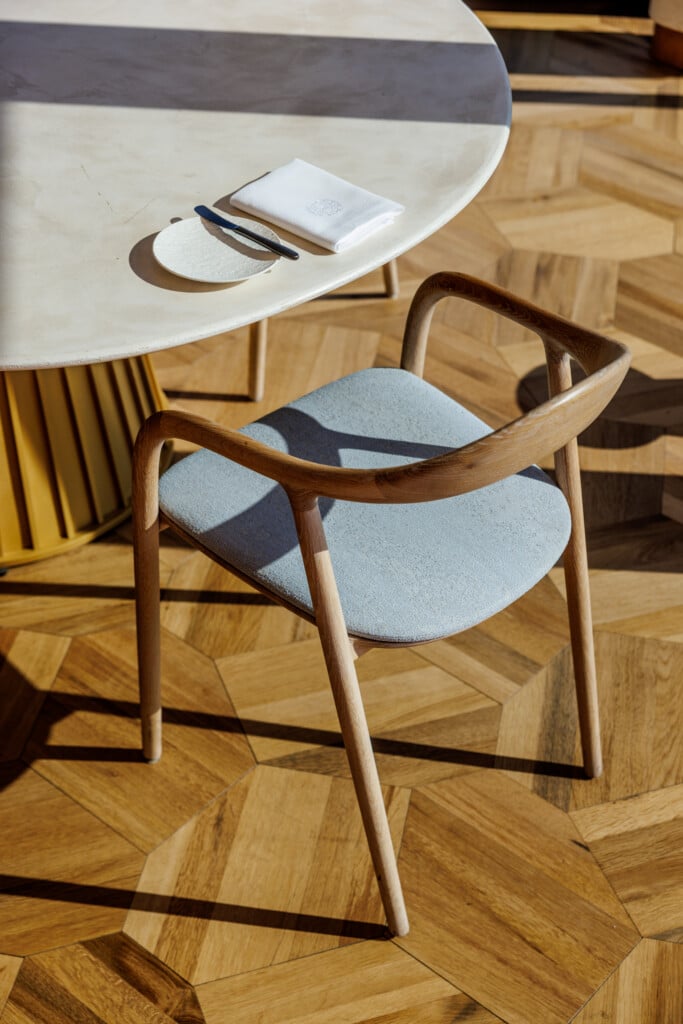
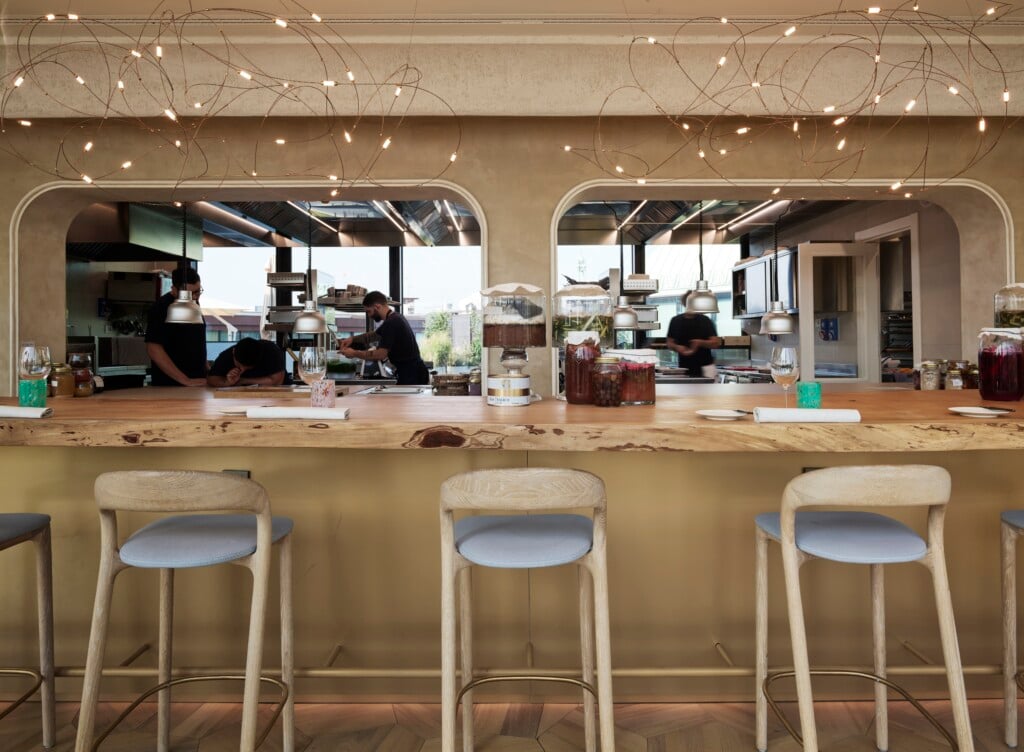
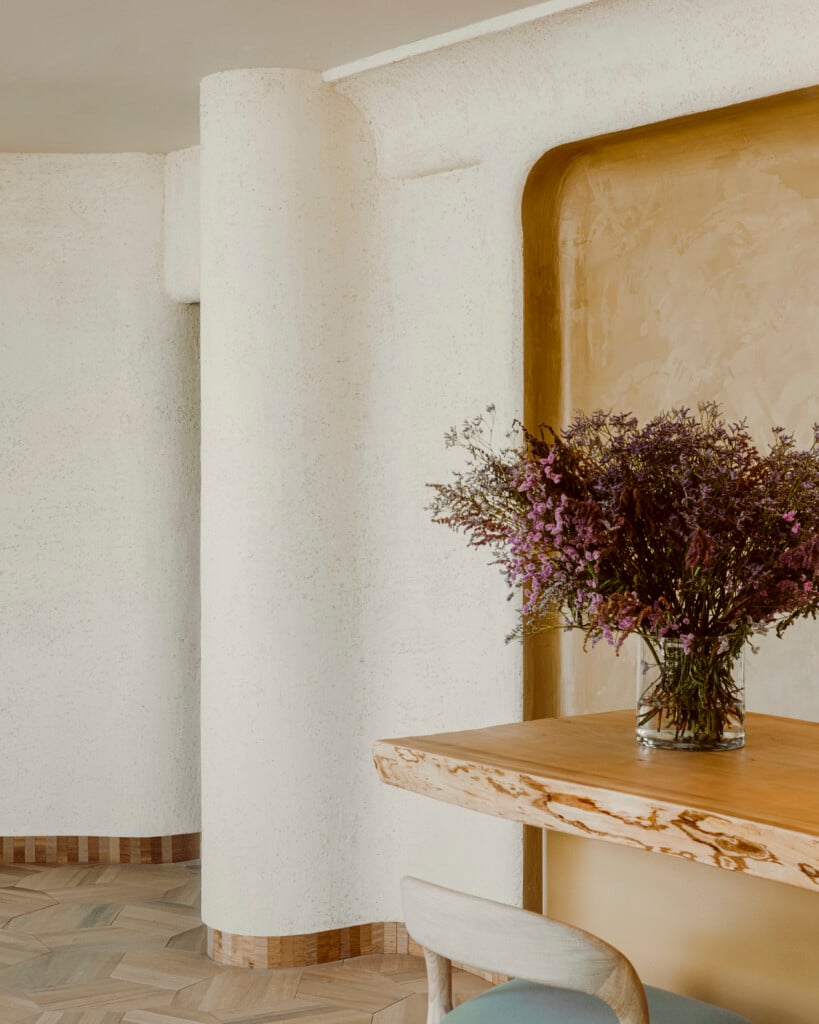
Every material tells a story of reuse: the parquet comes from old vinegar barrels, the walls are plastered with rice processing waste, the chef’s table is made from a cedar of Lebanon tree felled by a storm in Puglia. Nothing is random: everything has a second life, everything follows the logic of slow time and concrete sustainability.
The Cuisine of the Ethical Hour
Horto’s culinary strategy is led by three-Michelin-starred chef Norbert Niederkofler, a pioneer of ethical and sustainable cuisine, and executive chef Alessandro Pinton, who brings its principles to life every day.
The menu changes with the seasons—or rather, with the weeks. All ingredients come from a short supply chain, sourced from selected producers within an hour of Milan. This is the true revolution of the Ethical Hour: a geographical as well as philosophical time. Every dish represents a connection with the land and its people. Free-range eggs from Como, freshwater trout from Montisola, vegetables grown by young farmers in Abbiategrasso, stone-ground bread made from ancient grains. Here, sustainability is not just marketing: it’s a conscious, daily choice.
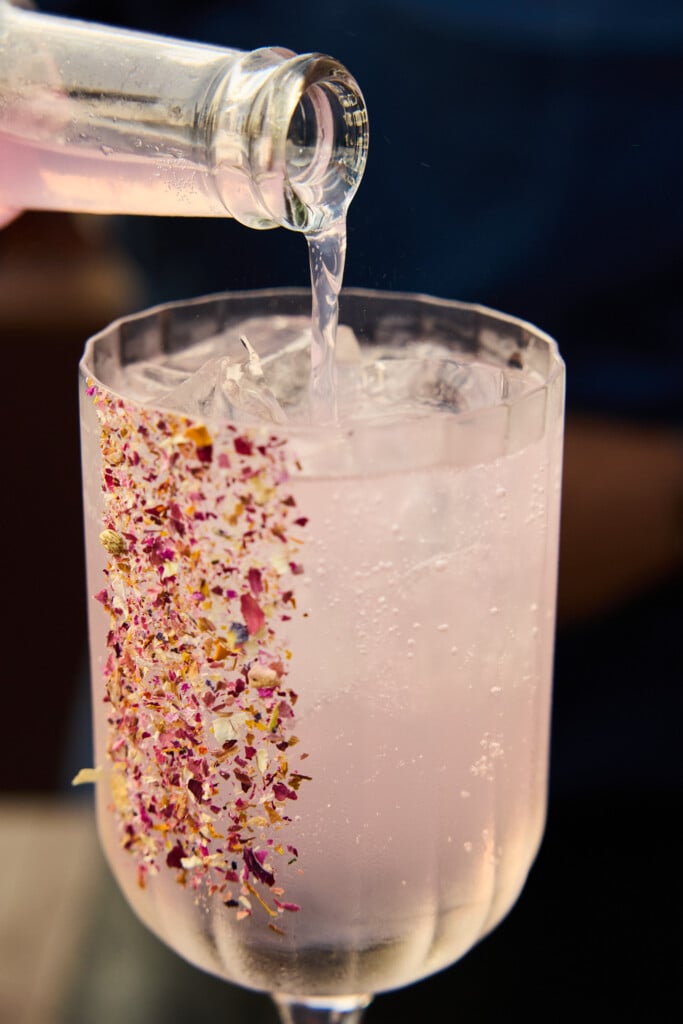
What sets Horto apart is that it’s not just about dinner. From breakfast, designed as a quiet moment with a simple yet refined offering, to the experimental bar of mixologist Daniele Sedicina, who works with kombucha, fermentations, and infusions to craft cocktails that harmonize with the cuisine, every moment of the day is a fragment of a coherent experience. Even the absence of Sunday service is an ethical stance: staff leisure time is as much a part of the project as the ingredients themselves.
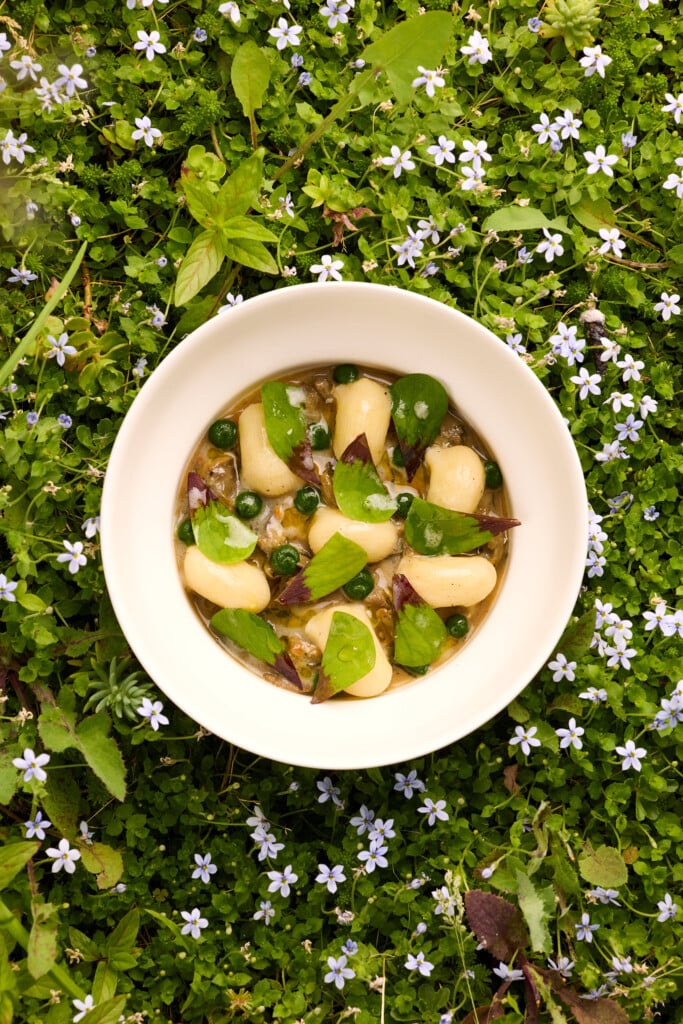
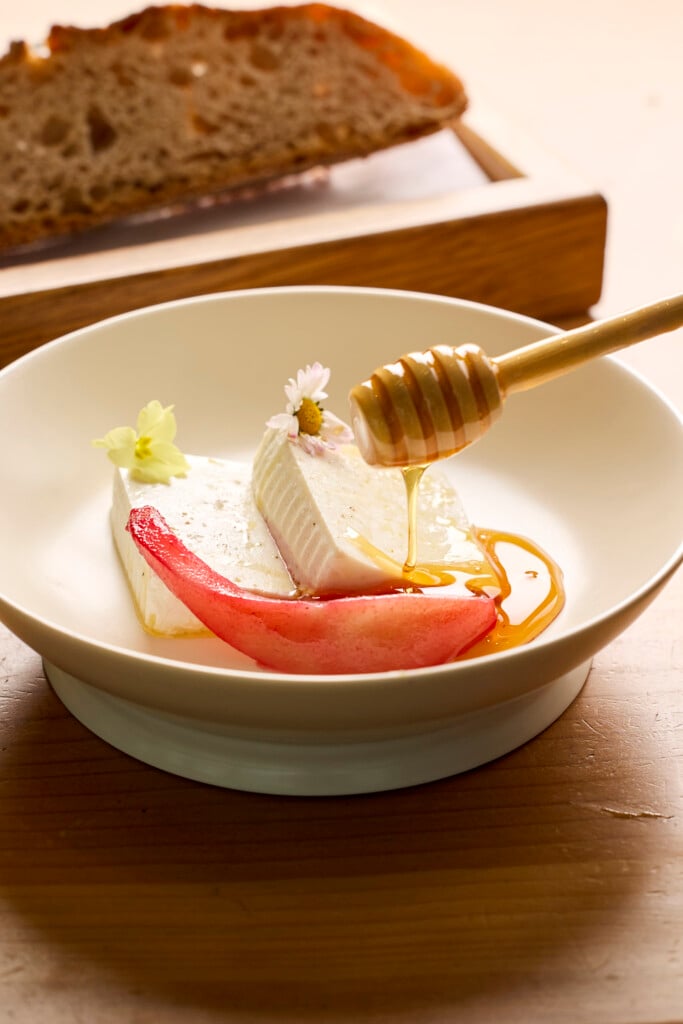
Design as a Translation of Food Philosophy
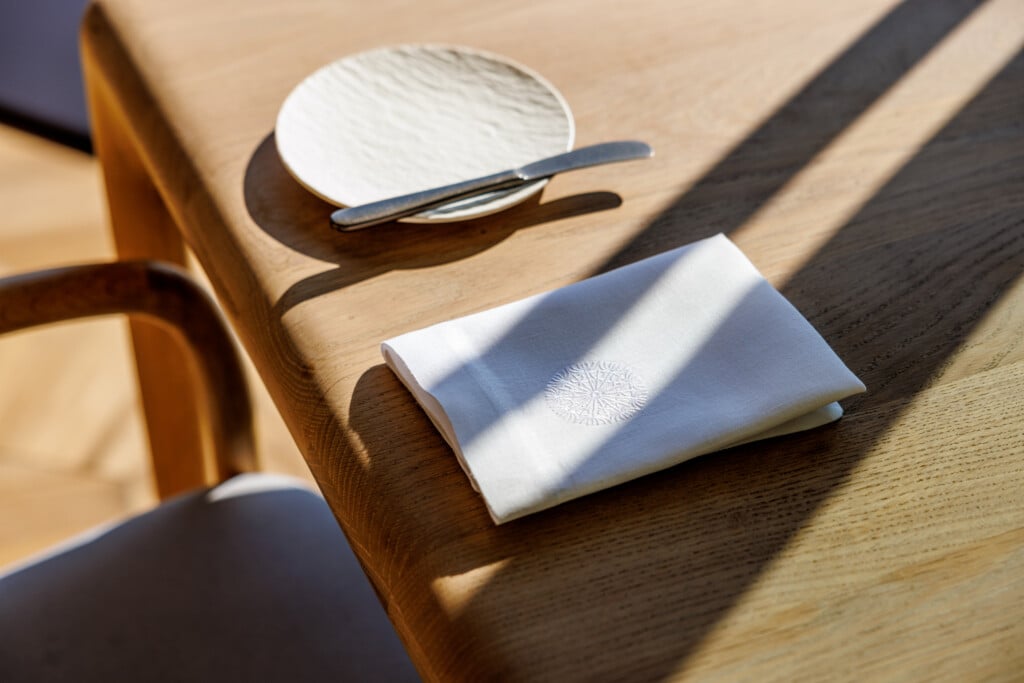
Horto is a perfect example of how design can be an extension of cuisine, and vice versa. Nothing here is purely decorative. Every element, from Cassina tables to Flos lamps, from Arper armchairs to Artisan furnishings, is chosen to amplify the restaurant’s voice: discreet, coherent, and refined in essence.
And if the architecture evokes a medieval hortus conclusus in the heart of Milan, the landscape becomes the natural mise en place for the culinary narrative.
Horto teaches us that designing a restaurant today means designing an ecosystem of senses, a place where architecture, design, landscape, and cuisine are voices of a single story.
Photos by Christian Bazzo, Morris Granzotto, Pietro Savorelli