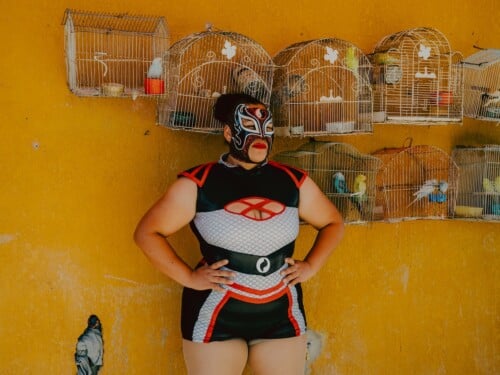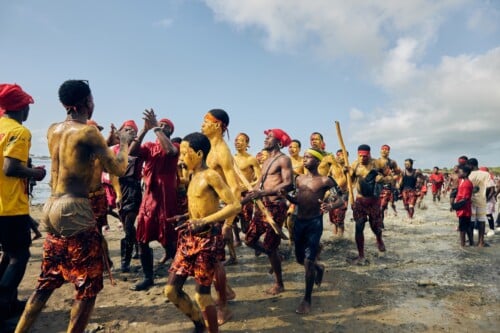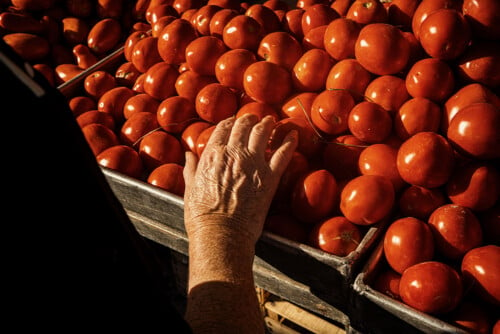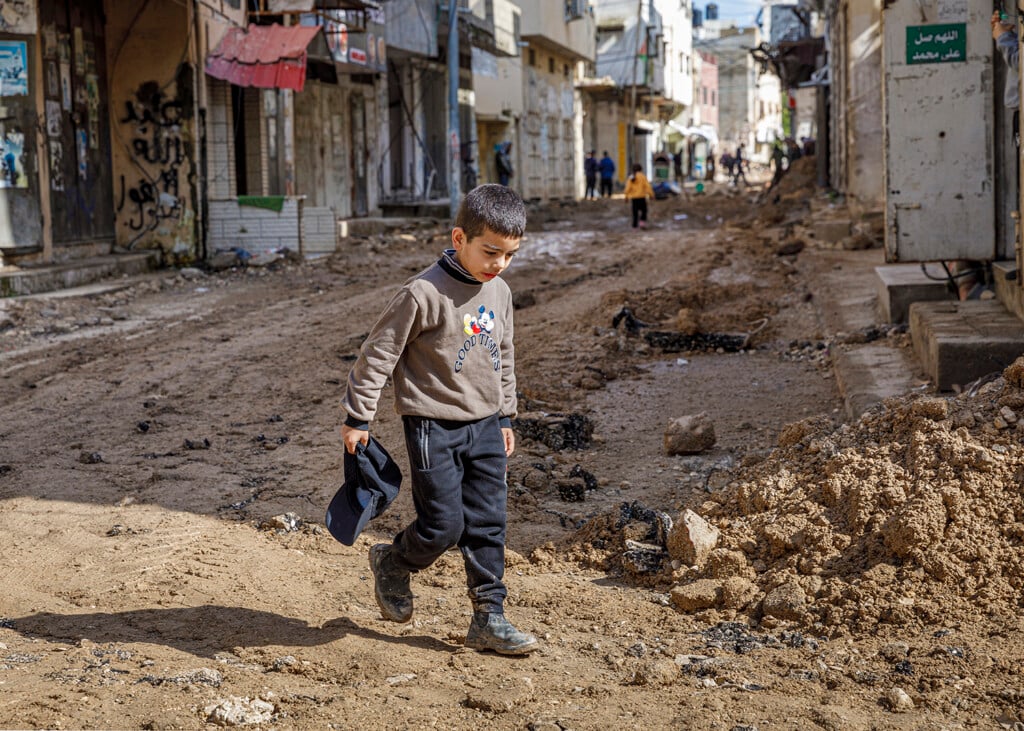
Soumoud in Dark Times is a photobook by photographer Rehab Nazzal, one of those works that cannot be leafed through absentmindedly. Its 41 colour photographs, taken between October 2023 and November 2024, compose a visual diary of a year in which military and settler violence have redefined everyday existence in the West Bank. It is not a reportage in the way we usually imagine it, but an intimate, stubborn, and above all necessary testimony.
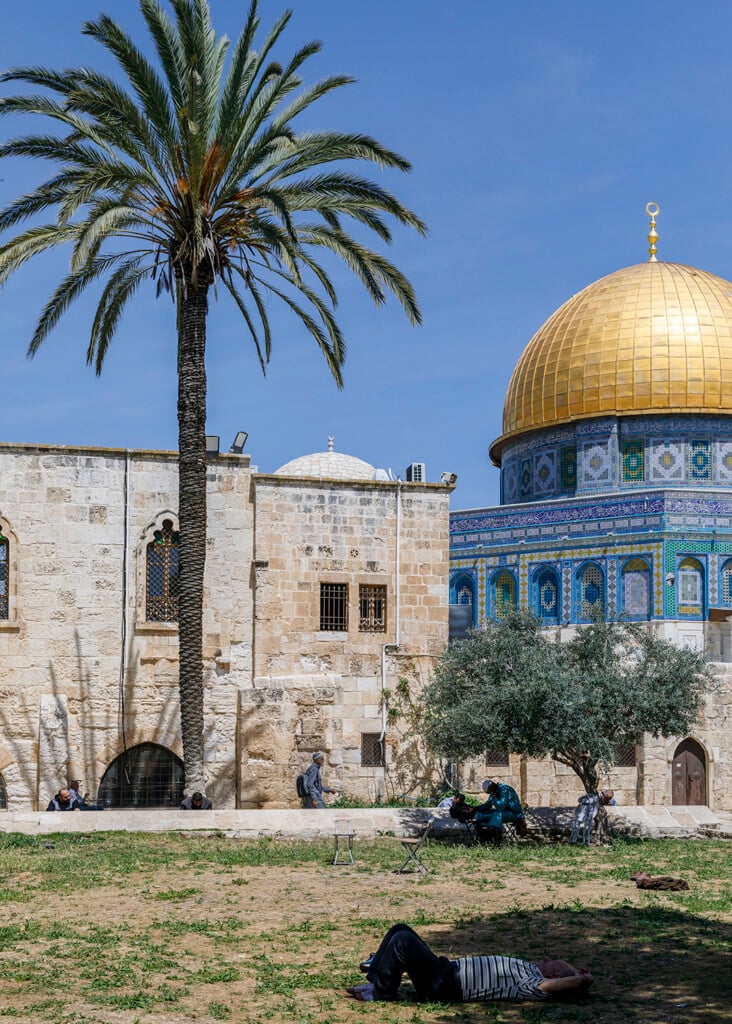
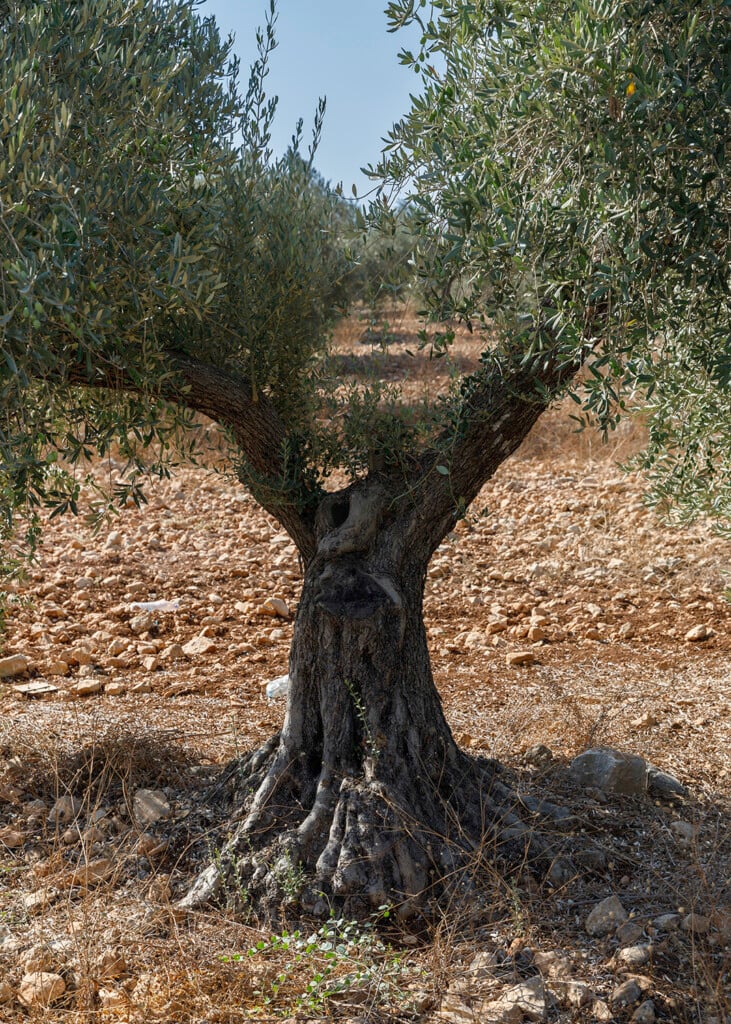
Nazzal is a Palestinian artist and educator who lives between the occupied West Bank and Montreal. Her movements between cities, villages, and refugee camps coincide with a period in which the international gaze was turned elsewhere, while in the West Bank military incursions, land confiscations, house demolitions, drone attacks, and mass arrests were intensifying. Over 11,000 Palestinians detained in a year, more than 800 killed, including over 100 children. In this context, the Arabic term “soumoud” (steadfastness, resilience, in Italian) is not a slogan, but a way of surviving.

Nazzal’s work claims documentary photography as a political act. Her images record what usually remains outside the dominant narrative: a bulldozed road, a ceiling ripped open, a row of destroyed cars, a little girl hugging a grave. These are fragments that become evidence, memory, and also accusation. But within these scenes of devastation, something more subtle can also be glimpsed: life that persists, that stubbornly refuses to disappear.

Roula Seikaly, author of the book’s sole essay, links these photographs to representations of violence in Gaza, describing them as a still and heartbreaking counterpoint. Her text broadens the conversation, questioning the very role of photography in the face of horror: can an image truly convey the magnitude of a massacre? And to what extent does the language we use to describe it shape how it is read?
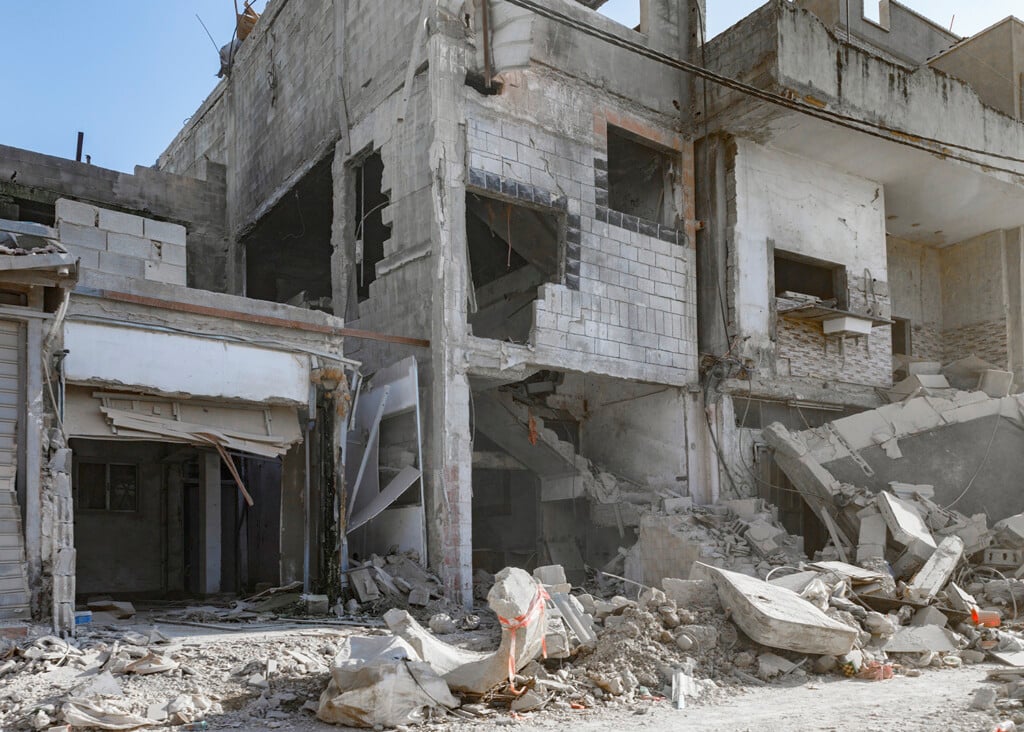
These questions emerge within photographs that alternate between mourning and threatened daily life: funerals, the remains of a drone attack, a military checkpoint; but also an alley in the Jenin refugee camp that is still standing after an incursion, or a pile of smashed watermelons left to rot in the sun after a raid in Tulkarem. Minimal details and obvious devastation together speak of the coexistence between what survives and what is erased.
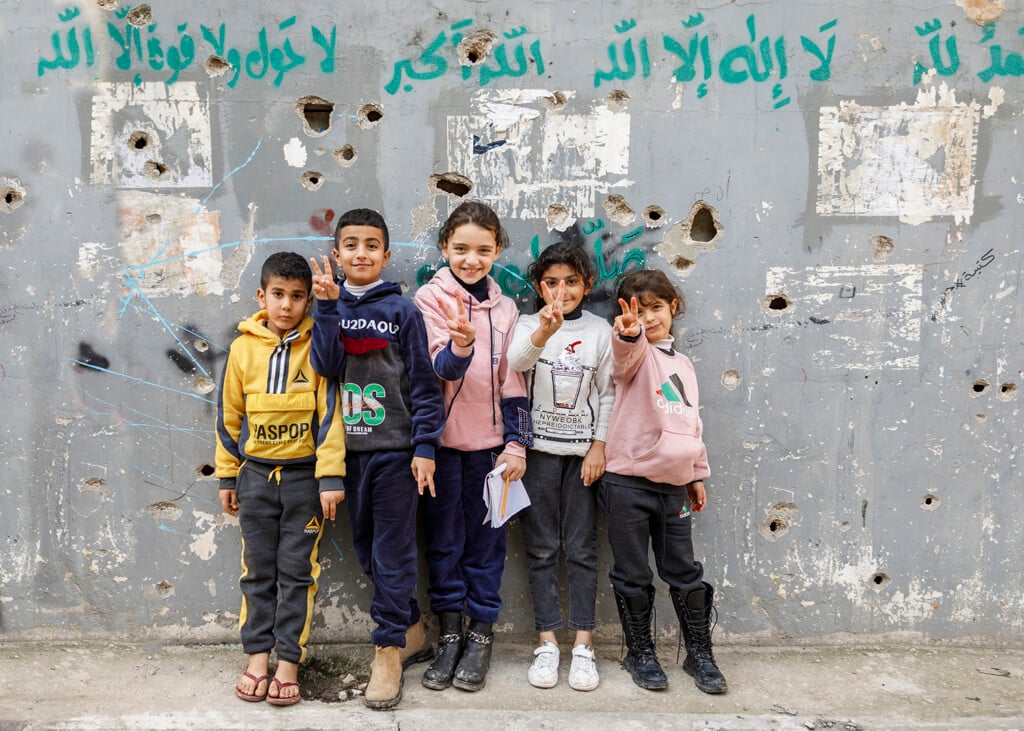
In this precarious balance, Soumoud in Dark Times asks us to look, and to do so without turning away. It tells of a reality in which – as Seikaly writes – Palestinians in the diaspora, in Gaza, and in the West Bank share stories marked by the awareness of facing a genocide and a domicide, the systematic destruction of homes. The book insists on memory and collective resistance even when justice and protection seem absent.

Rehab Nazzal, who has taught at Dar Al-Kalima University in Bethlehem and at several Canadian universities, has received numerous recognitions for her work, including the Concordia University Horizon Postdoctoral Fellowship and major awards at the Quebec Cinema Awards and the BFI London Film Festival. With this book, however, she pushes her research onto even more urgent ground: not only documenting, but safeguarding what would otherwise be denied.
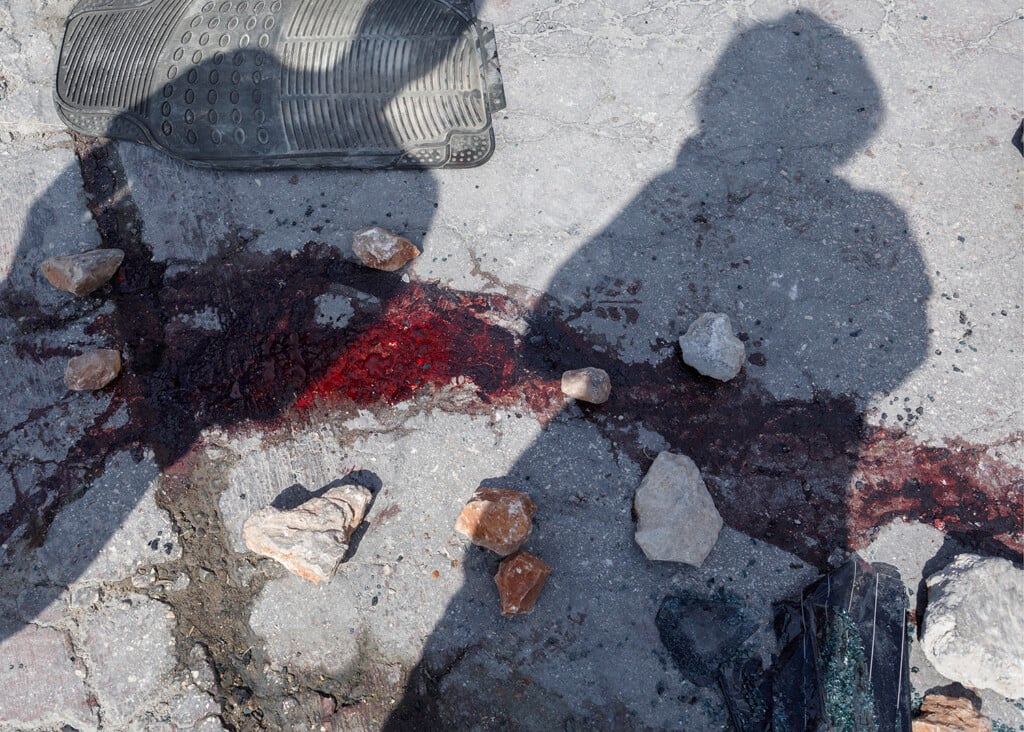
Soumoud in Dark Times is thus an act of visual resistance. An invitation to acknowledge and become aware of what remains, what is missing, and what is systematically obscured. An archive of a reality that continues to be contested, but that in Nazzal’s images finds a space of truth that cannot be ignored.
ph. courtesy Rehab Nazzal