Romain Laprade does not photograph cities according to mainstream logic. He moves laterally, finding his subject in what exists at the margins of collective attention, in the buildings cities have stopped noticing, in architectures that outlive themselves. The French photographer has built over time a coherent and recognisable practice, one that uses urban architecture as a surface to investigate something deeper: the relationship between an era and the forms it has left in the world, between a design utopia and the way time consumes or preserves it. His projects are not documentation — they are interpretation.
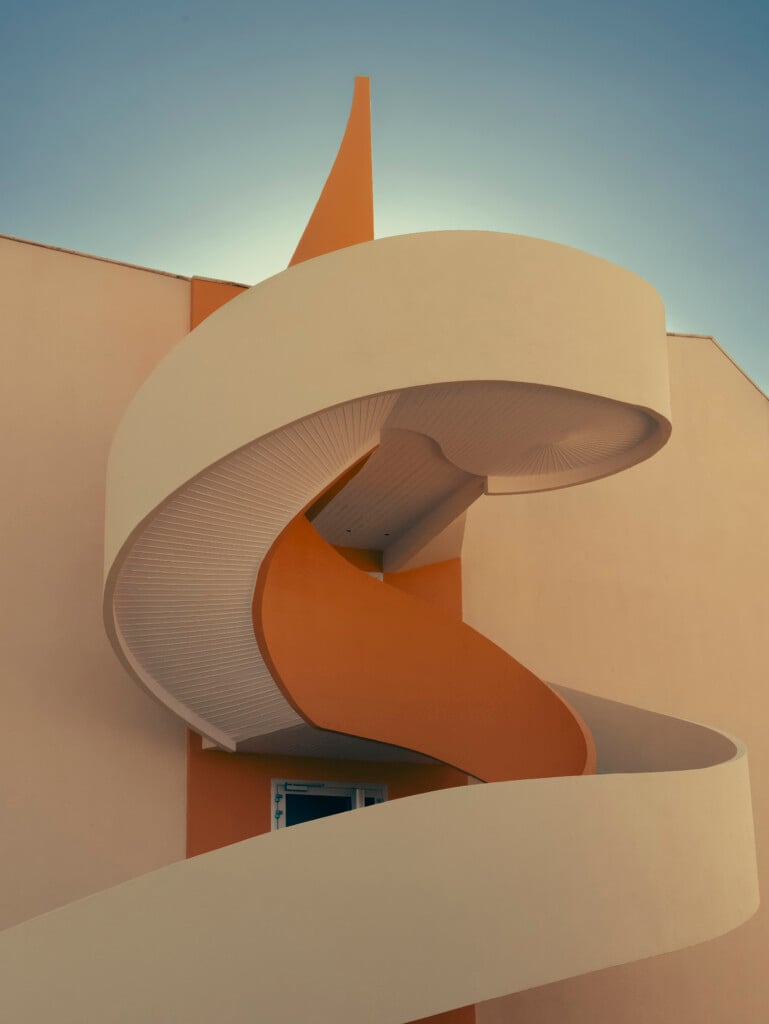
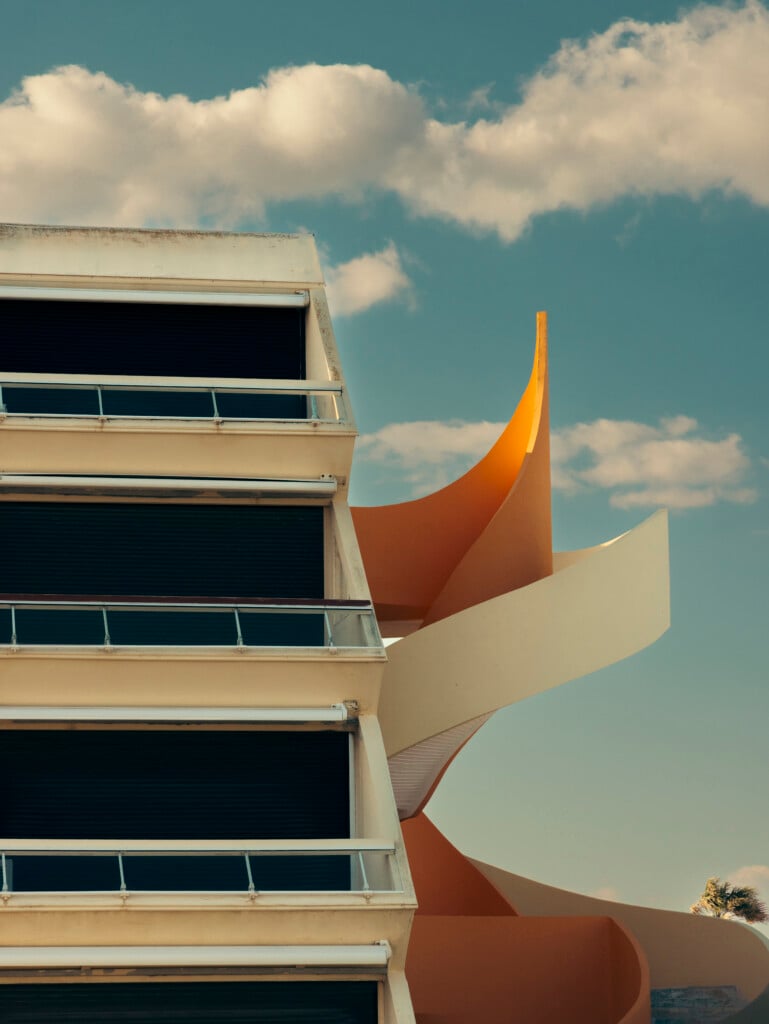
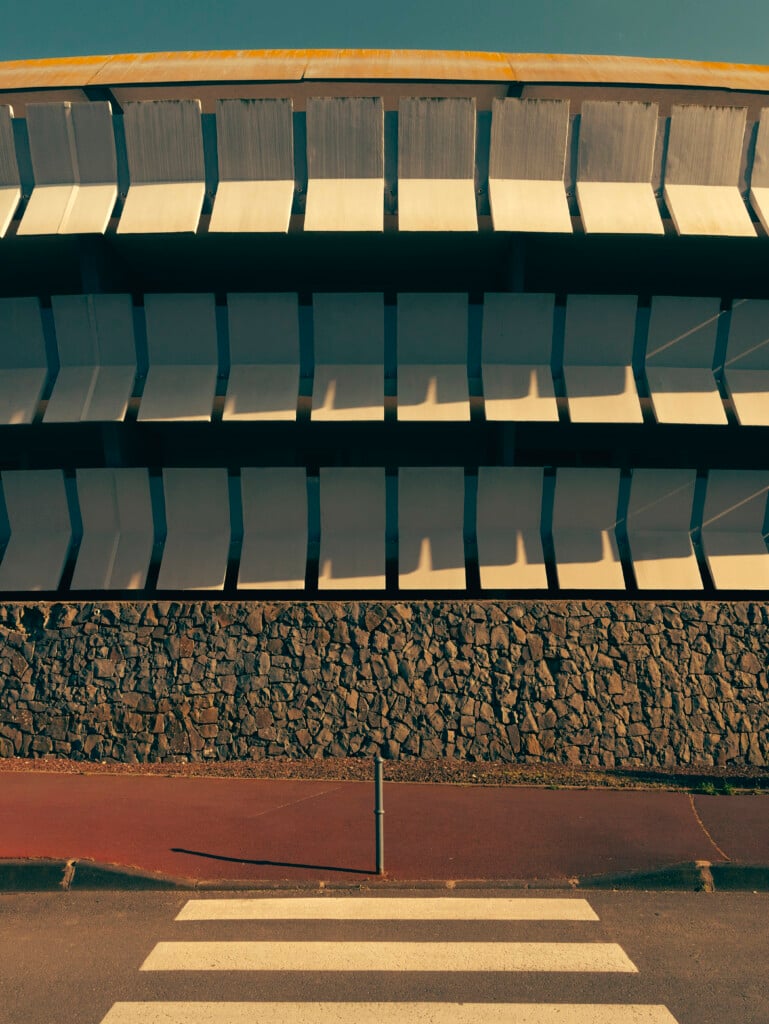
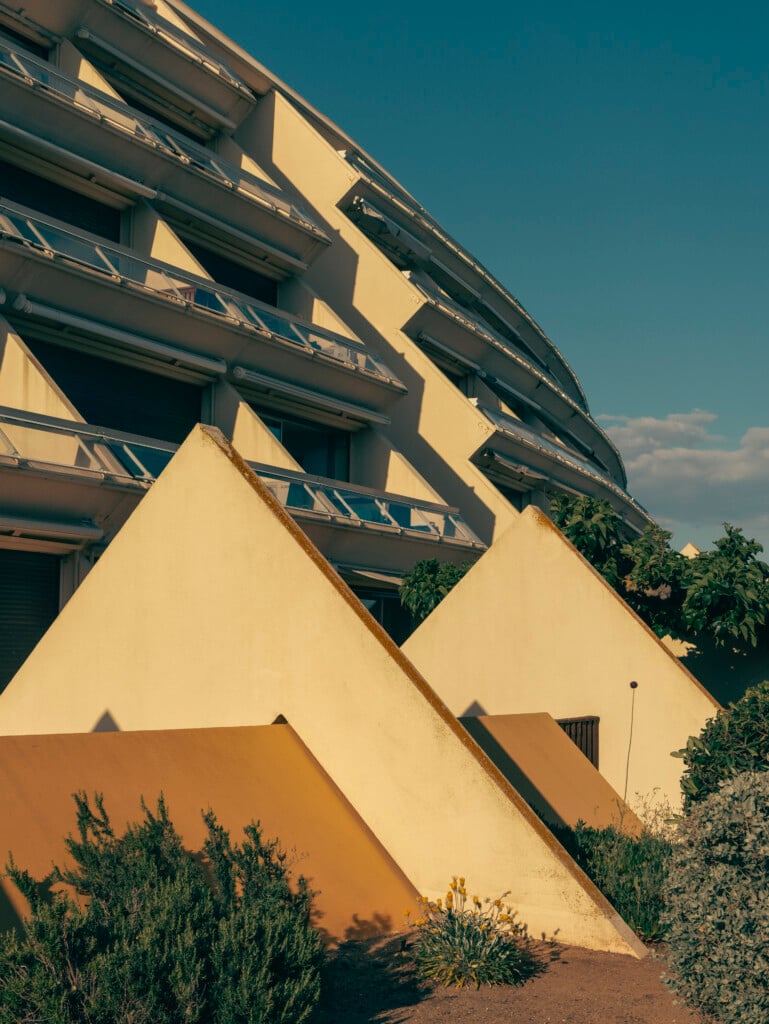
Heliopolis begins with an institutional commission: the city of Agde, in the south of France, asks him to photograph the area. Laprade finds his subject elsewhere, in a naturist town built in the 1970s by architect François Lopez on a barren stretch of land. He finds it empty. It is in that hour of silence, before sunset, that he manages to photograph the architecture as he truly sees it, without the distraction of human life. The result is an unsettling series: buildings that seem to belong to a future that never arrived, suspended in a still Mediterranean light.
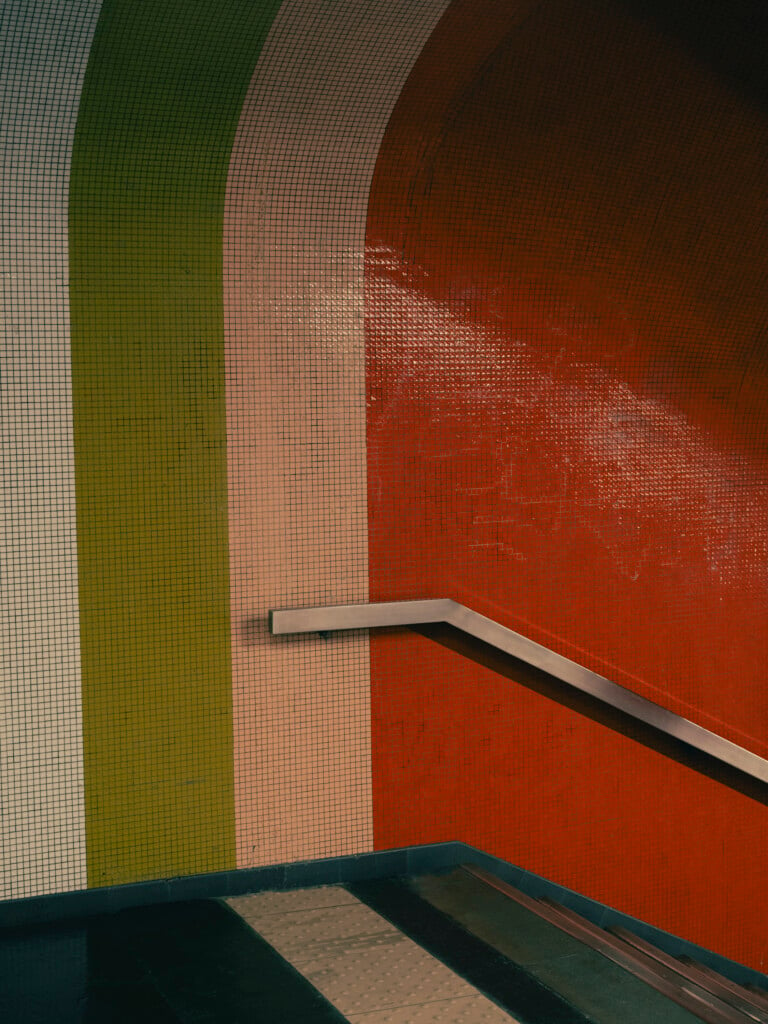
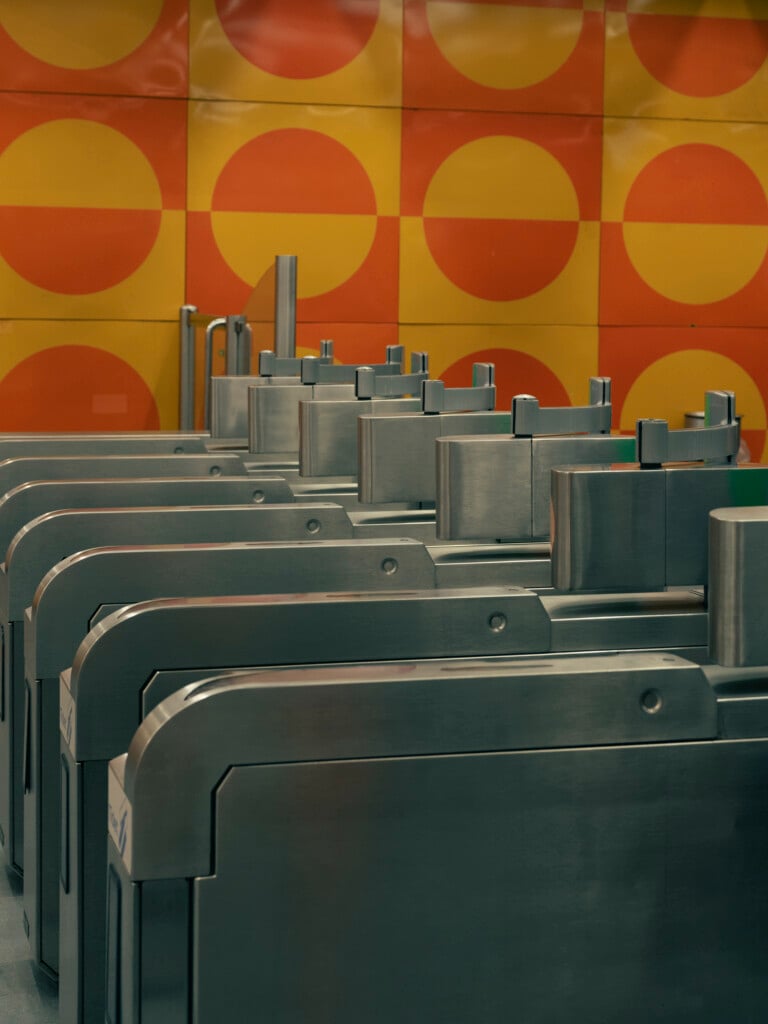
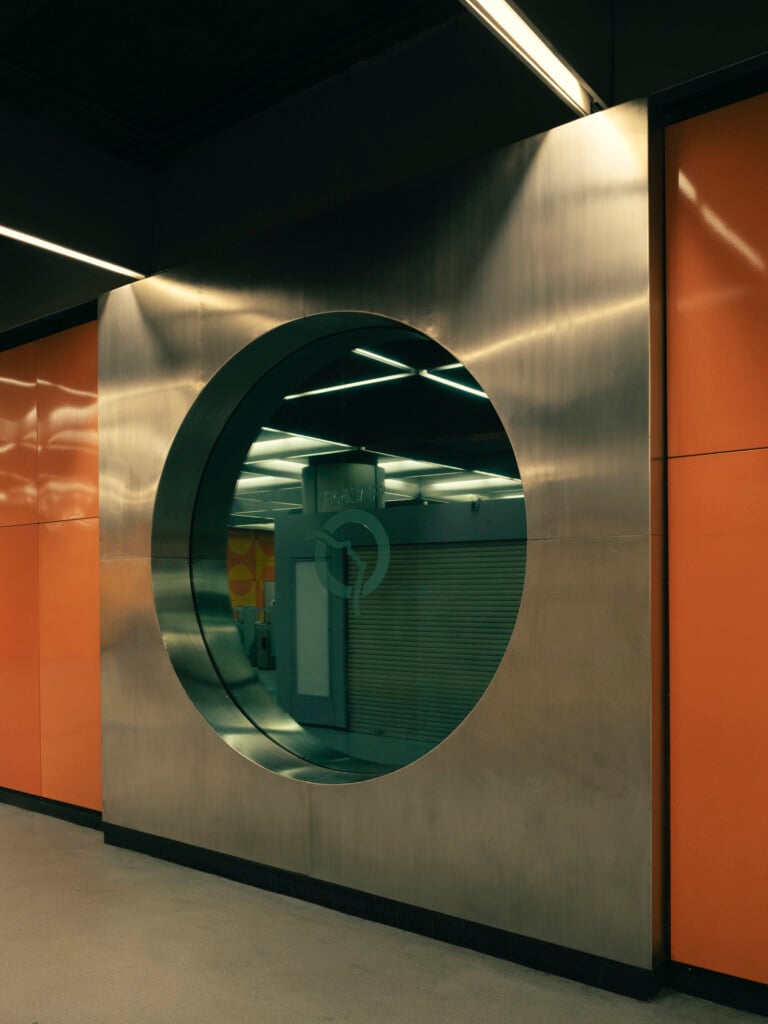
With Nation, the subject moves beneath the city. In the late 1960s, Paris built its first RER lines, entrusting the stations to architects who transformed them into experiments in futurist aesthetics. Over time, most have been restored and altered. The Nation station, in the eastern part of the city, has remained largely untouched, and Laprade photographs it as though it were a film set, a fragment of the 1970s that survived by chance. It is one of the recurring themes in his work: architecture as a time capsule, as a place where an entire worldview crystallised and stayed.
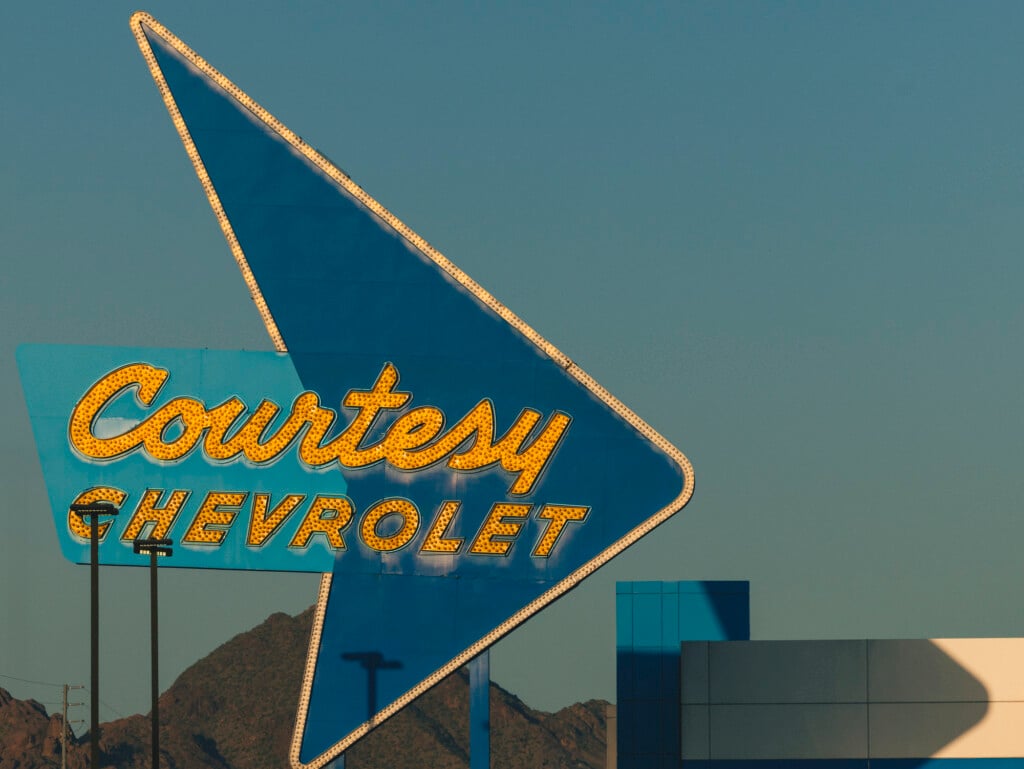
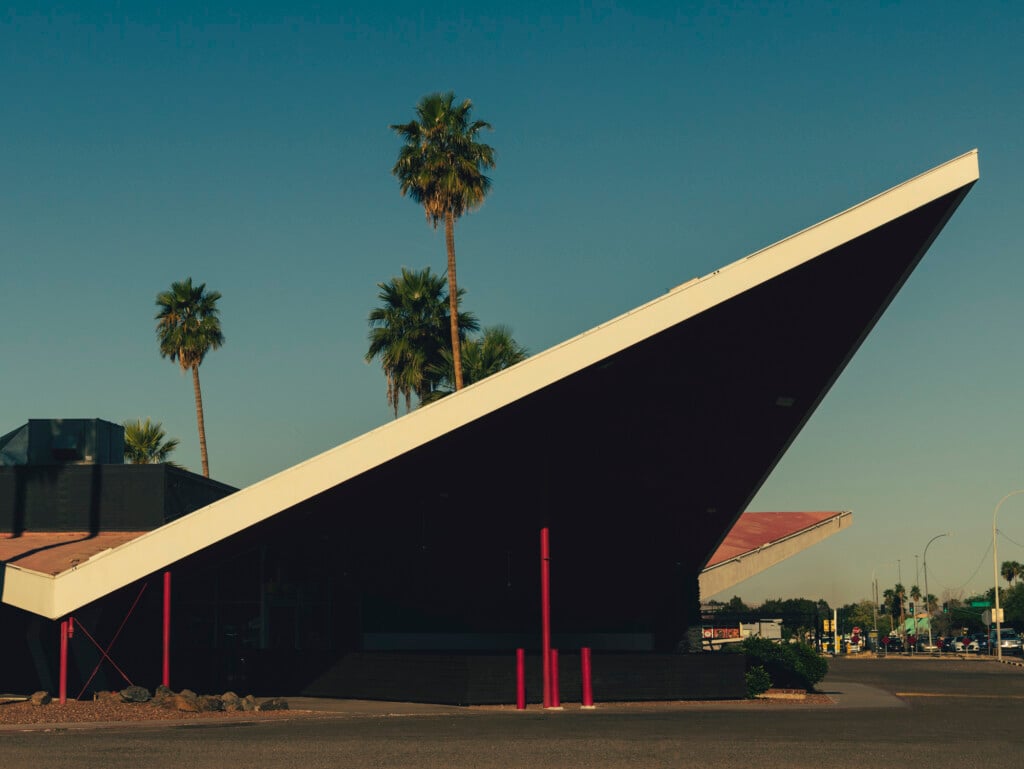
Phoenix takes the project to another continent. During a road trip through Colorado, Utah, and Arizona, Laprade stops in the state capital and finds a modern, robust architectural style that has held its own against decades of desert heat. He describes it as somewhere between Palm Springs and Los Angeles: houses, banks, churches, supermarkets, everything built with the same formal logic. An aesthetic that does not belong to the celebrated canon of American architecture, yet is everywhere.
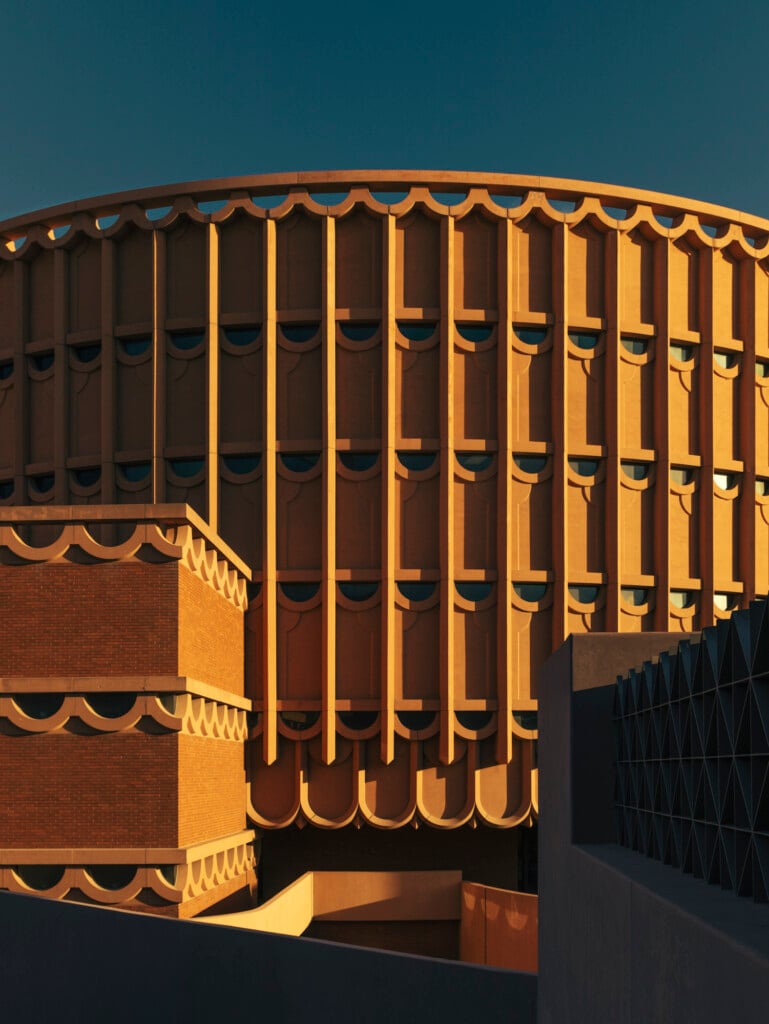
Perhaps the most ambitious project is Roma Moderna. It begins by chance: Laprade comes across a photograph of a Roman residential building he does not recognise, starts digging, and realises he has stumbled upon an entire city no one looks at. He moves through Parioli, Vigna Clara, Flaminio, the EUR district, and the Camilluccia, residential neighbourhoods where in the 1960s and 70s an upwardly mobile middle class commissioned homes with precise aesthetic ambitions. Rounded forms, octagons, ellipses, canopies reaching outward, metal, glass, ceramics: a modernism warmer, more exuberant, and more contradictory than anything Laprade has photographed elsewhere in Europe.
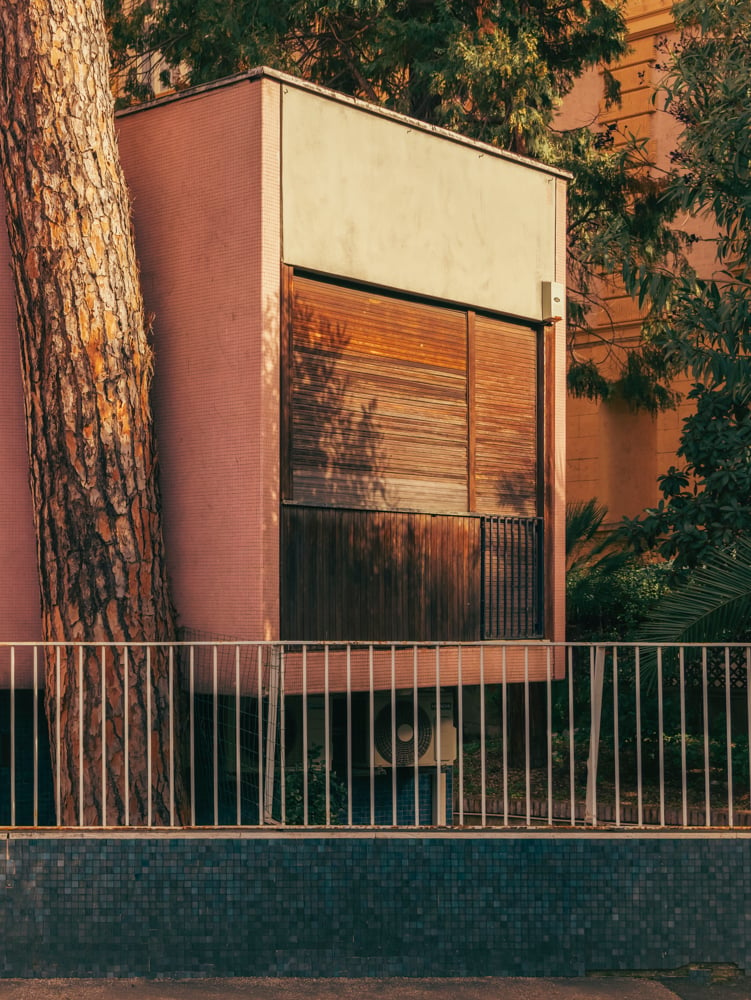
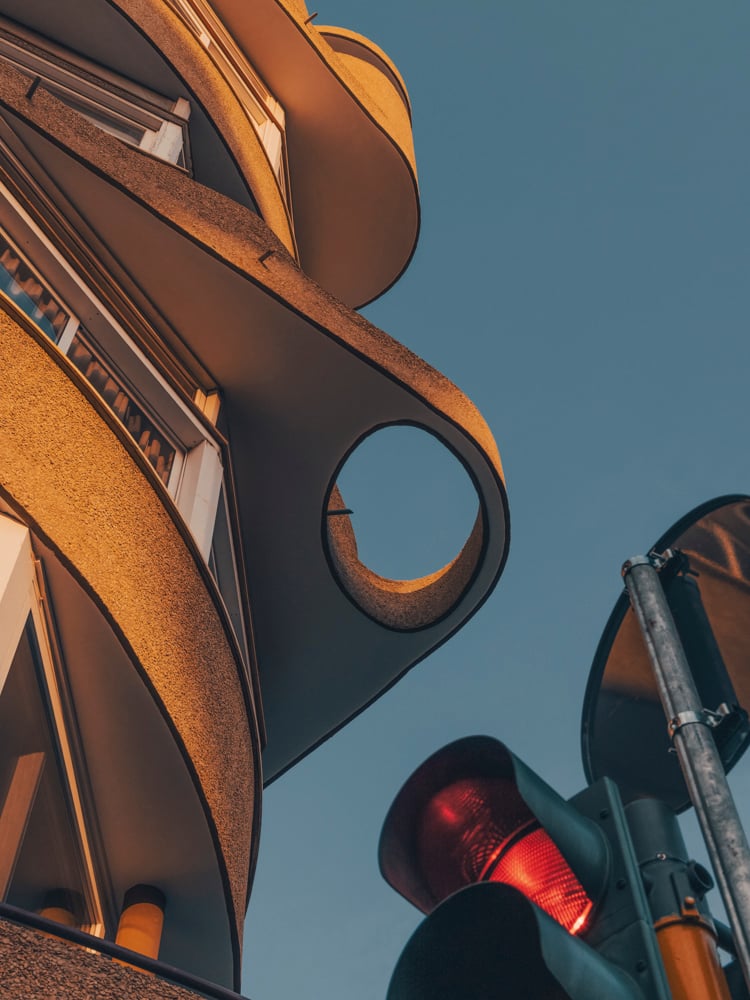
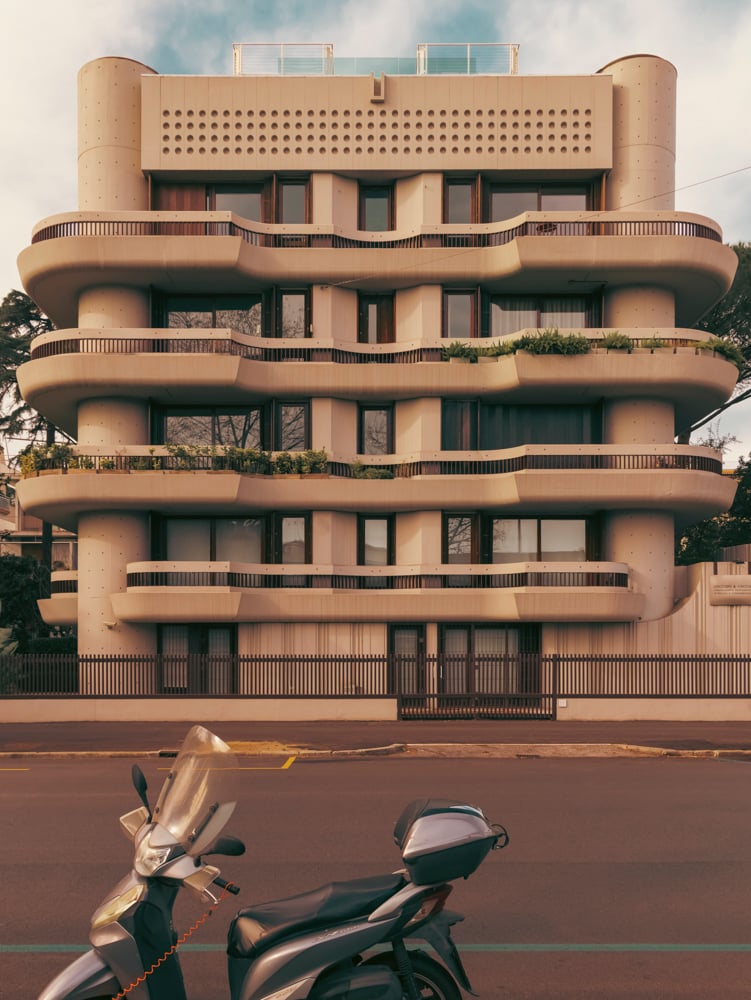
What connects all these projects is an ethics of looking: Laprade does not rank his subjects by fame. A naturist utopia in the French Midi is worth as much as a Parisian metro station, worth as much as a Roman residential neighbourhood. What matters is historical density, the capacity of an architecture to tell the story of the moment it was conceived, and a resistance to the selective forgetting with which cities treat their more recent layers.