With Goldrush, photographer Simon Nicoloso turns his gaze to the United Arab Emirates, a nation that embodies the most rapid and spectacular modern transformation, but also a place marked by deep contradictions. Through a series of powerful and reflective images, Nicoloso explores the unstable balance between progress and inequality, ambition and alienation, spectacle and reality.
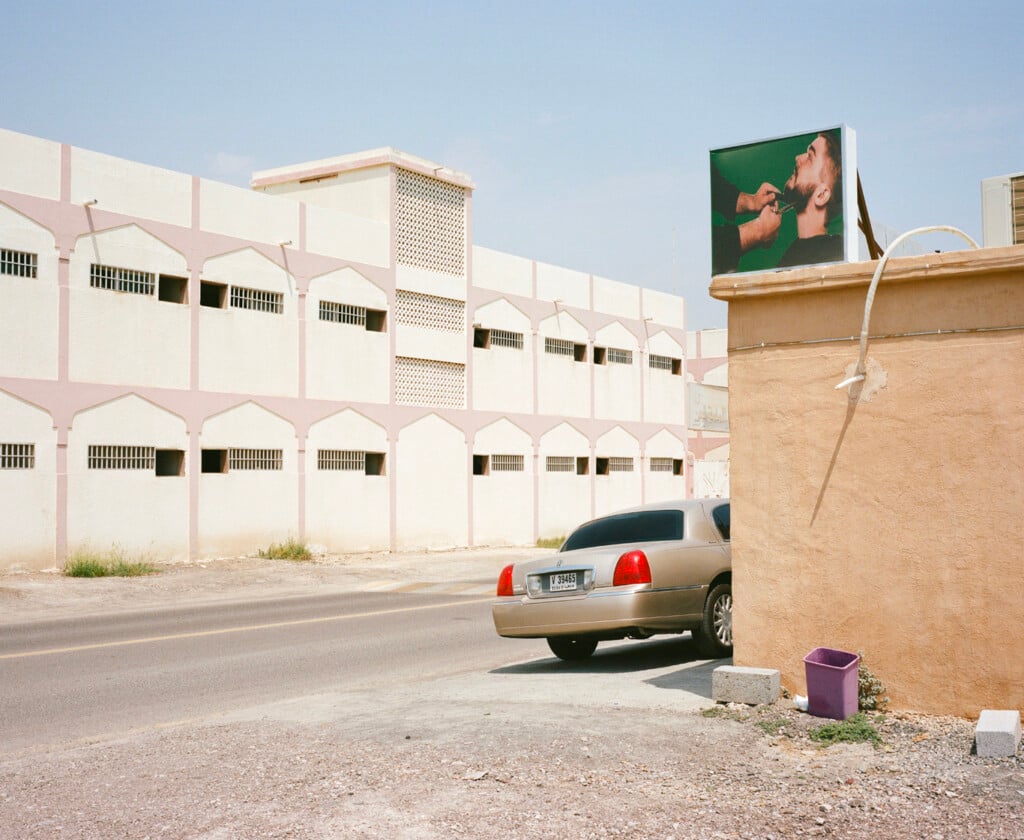
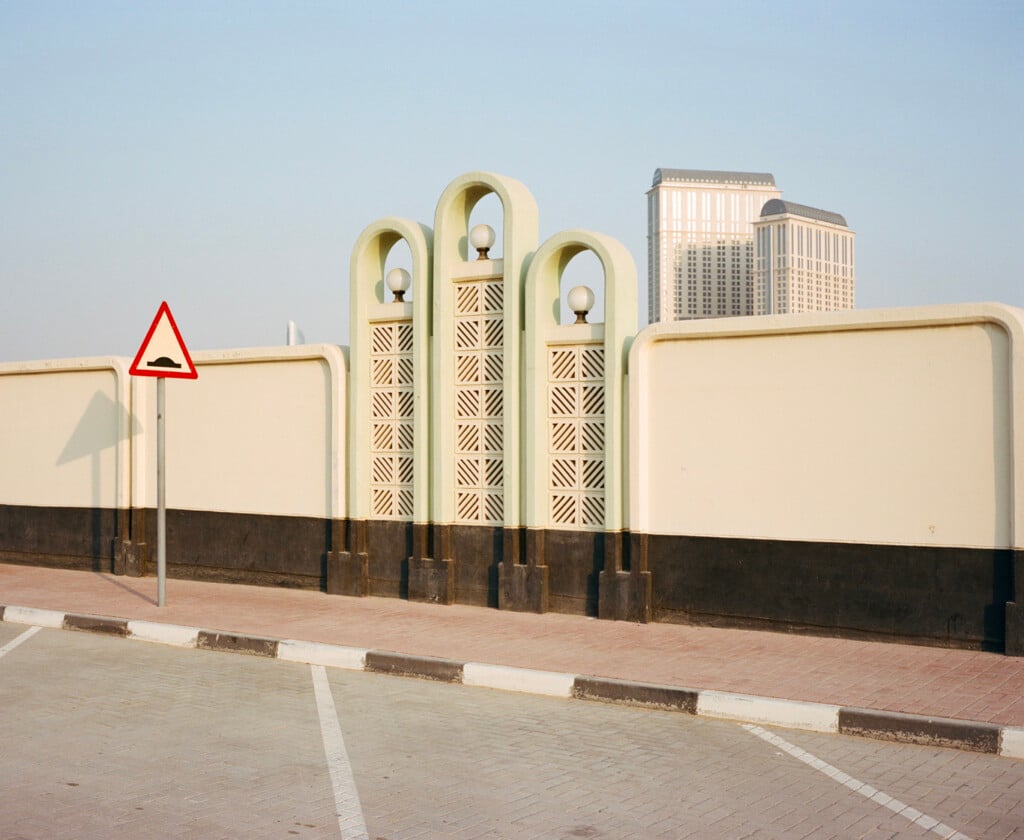
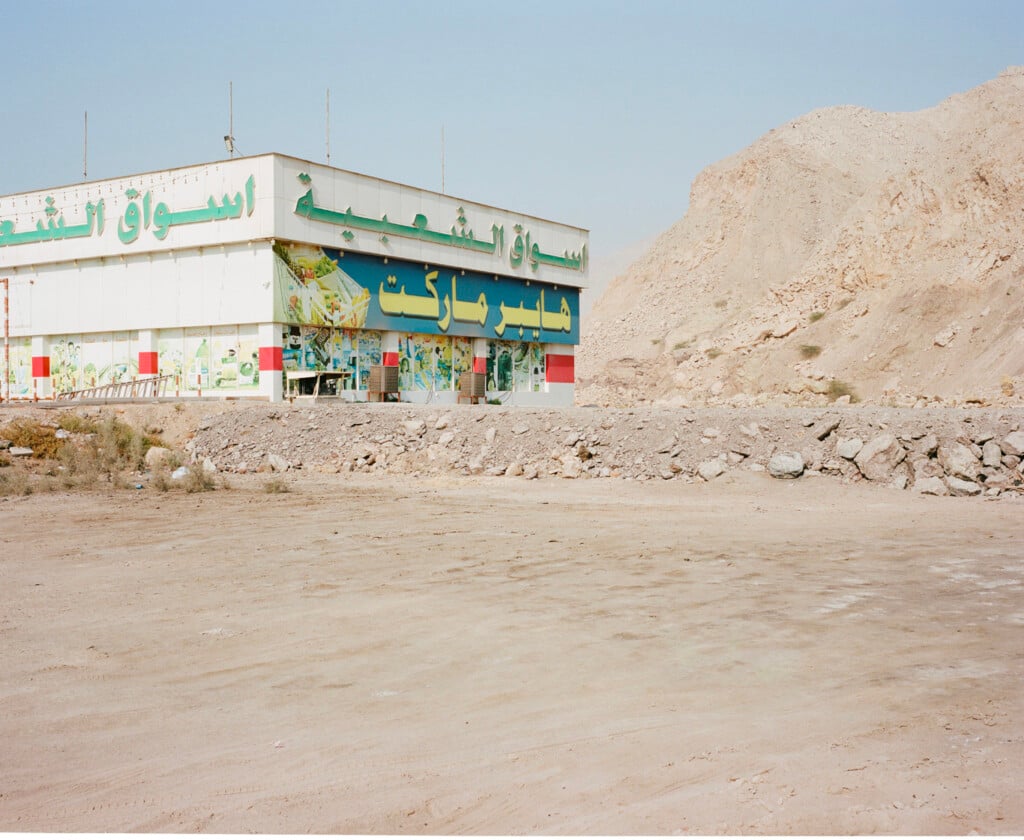
Founded in 1971, the United Arab Emirates has gone from being a sparsely populated coastal region—with about 70,000 inhabitants and an economy based on pearl fishing—to a hub of luxury and urban development, with over 10 million people. This transformation, driven by the discovery of oil in the late 1950s, has led to dizzying urban growth: skyscrapers, artificial islands, monumental shopping malls, all embedded in a naturally hostile desert. But Goldrush is not an ode to this progress. Rather, it is a silent and eloquent critique—a visual reflection on what is sacrificed in the race toward modernity.
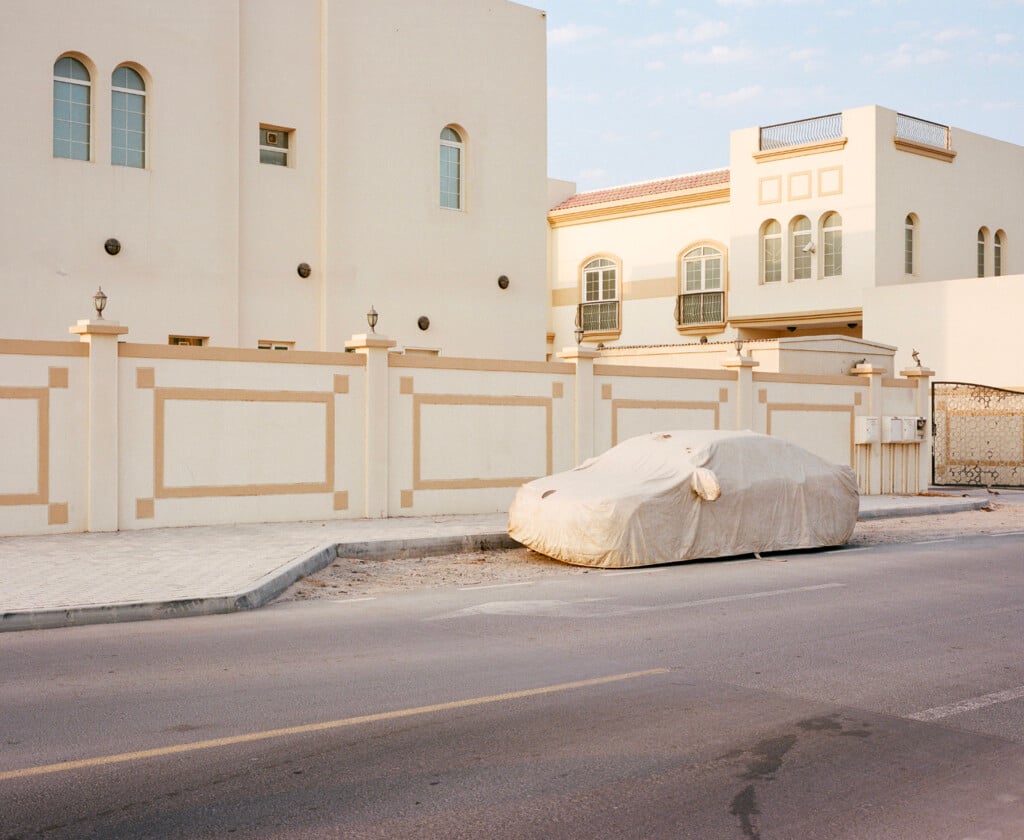
Simon Nicoloso’s Photographs
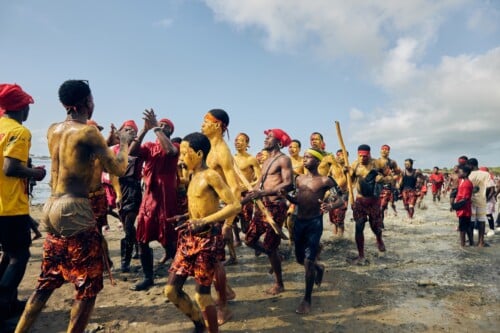
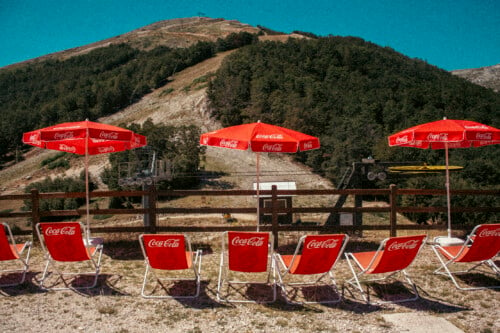
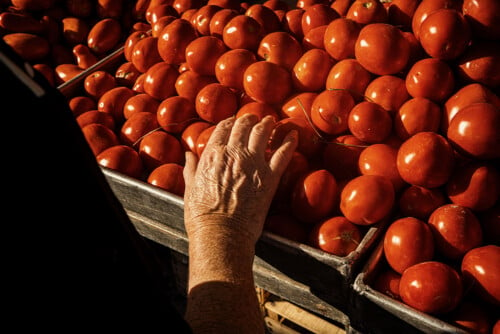
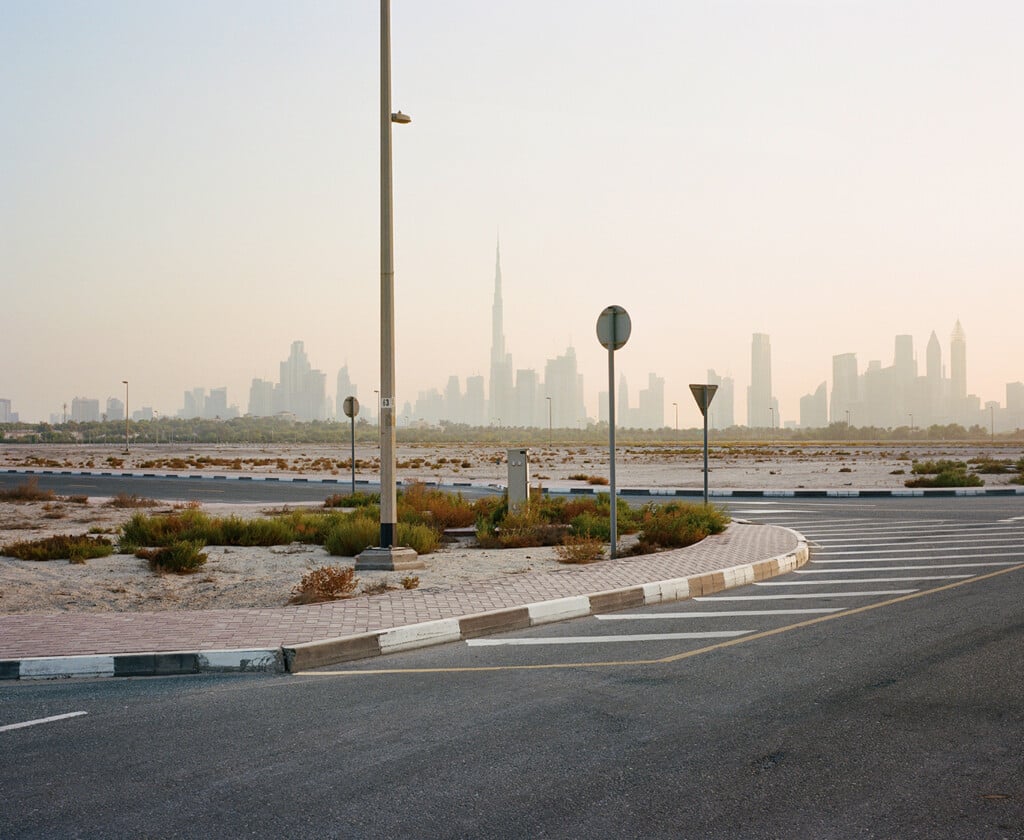
Nicoloso captures the stark contrasts that define the urban and social fabric of the Emirates. He juxtaposes Dubai’s futuristic and glittering skyline with the often-overlooked peripheral landscapes of the northern emirates. His photographs highlight surreal juxtapositions: opulence and austerity, density and emptiness, tradition and globalization. The images prompt viewers to question the reality behind the façade: a tremendously wealthy nation where only 11.5% of the population are Emirati citizens, while the vast majority are immigrants—many from the Indian subcontinent, Egypt, or the Philippines—who build the country but rarely share in its rewards.
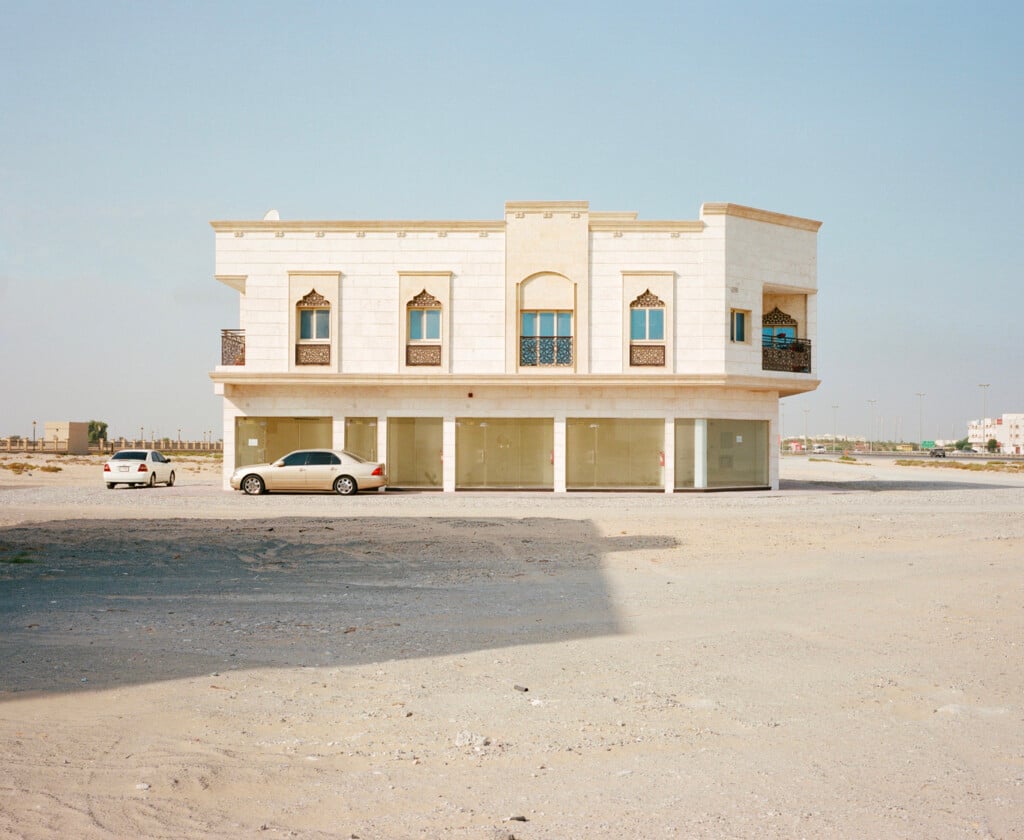
The strength of Goldrush lies in its quietness. Nicoloso doesn’t resort to sensationalism: he isolates moments that reflect the psychological and physical space of the Emirates. Cranes suspended over empty lots, glass towers casting shadows on makeshift homes, human figures dwarfed by the immensity of what they’ve built. It’s not just a portrait of a country, but of a global condition. Nicoloso invites us to ask: what does it mean to build a city, a nation, or a life on foundations made of contradictions? What is the cost of progress when it erases context, ecology, or identity
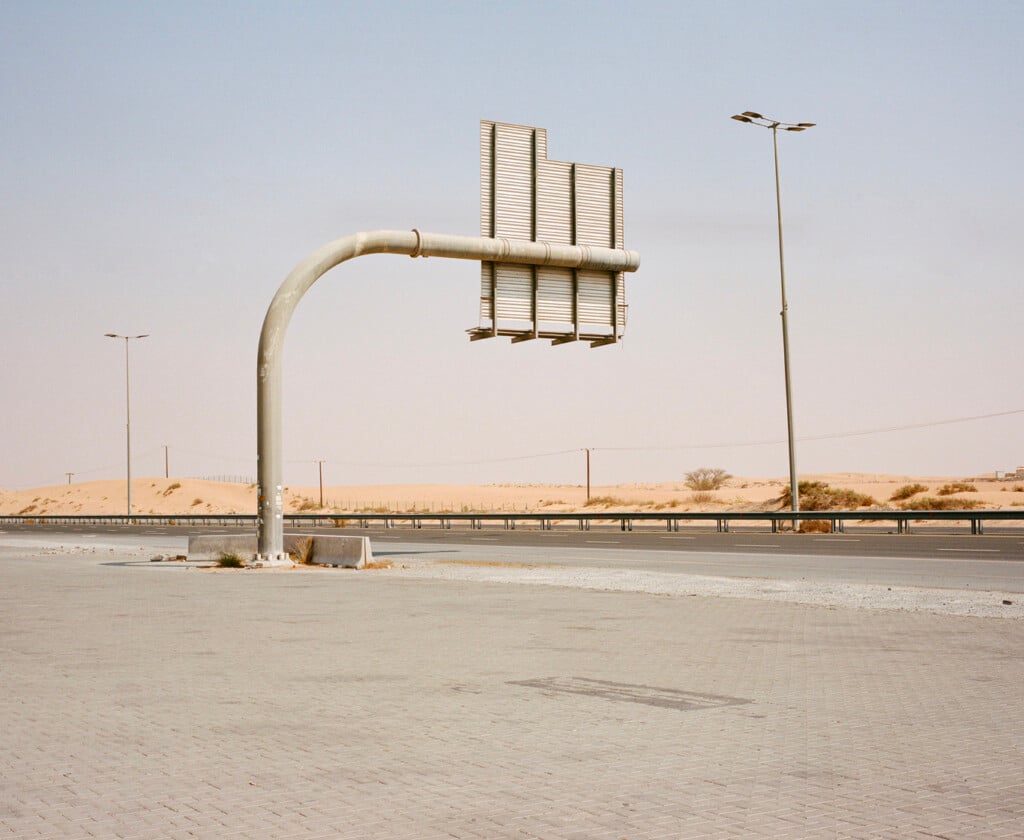
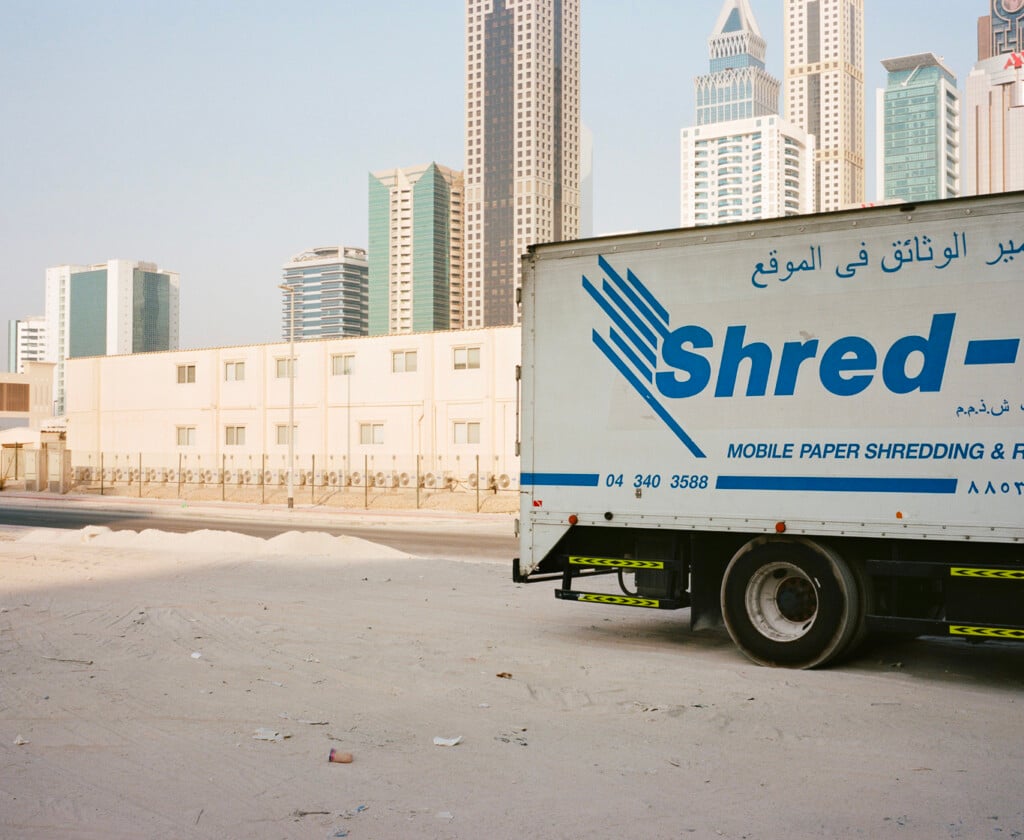
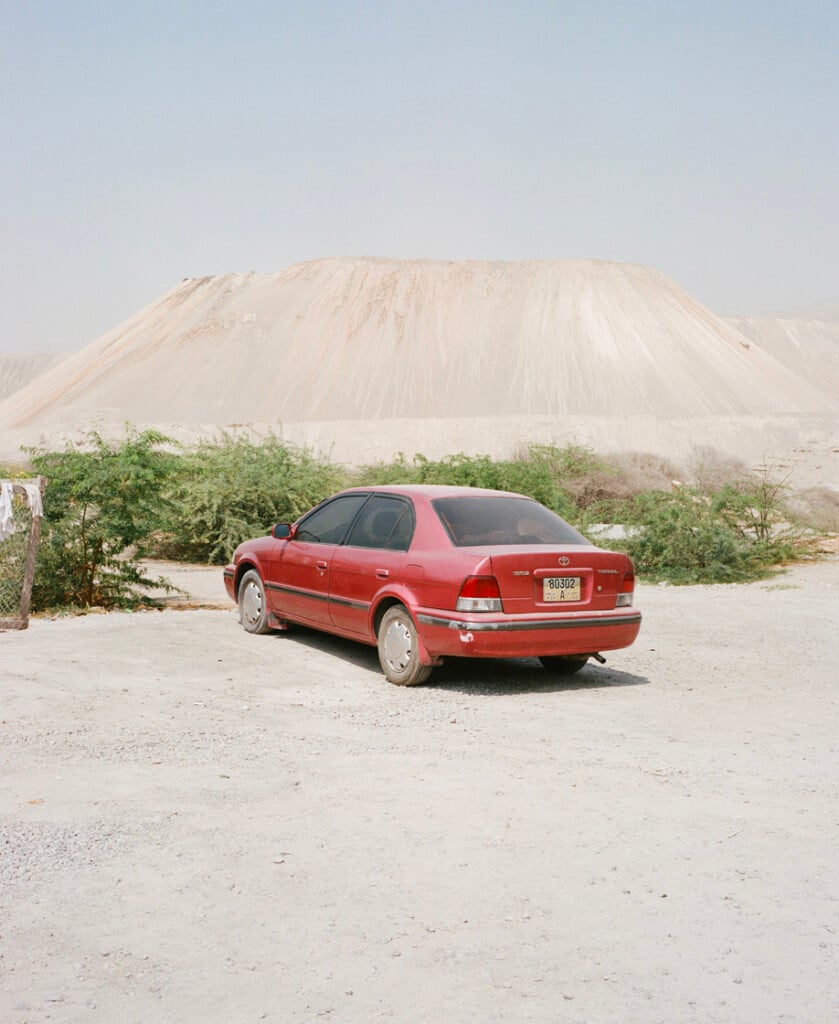
Goldrush is a mirror of the contemporary world. It reflects our obsessions with spectacle, speed, and success—gently reminding us of the silences, absences, and inequalities that often underpin these ambitions.