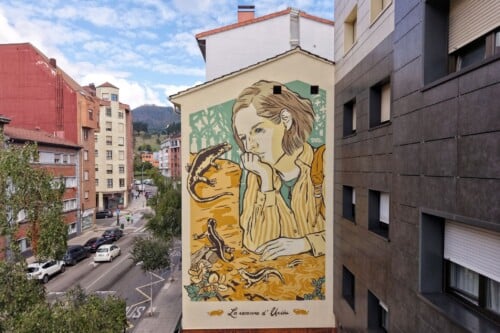
Raised within the early 2000s skateboarding scene, street artist Alessandro Pixa absorbed from the very beginning that spontaneous aesthetic that still defines his work today. He lives and works in Rimini, yet his imagery moves across much broader territories, where subculture and illustration intertwine in a recognizable visual language.
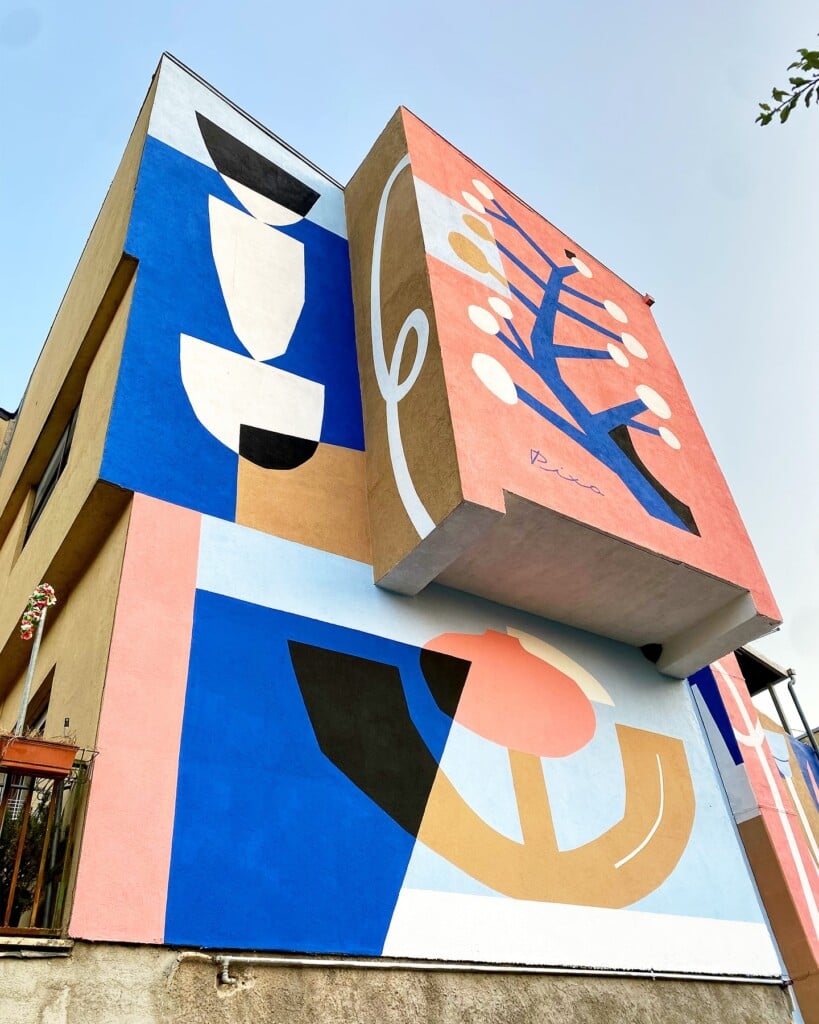
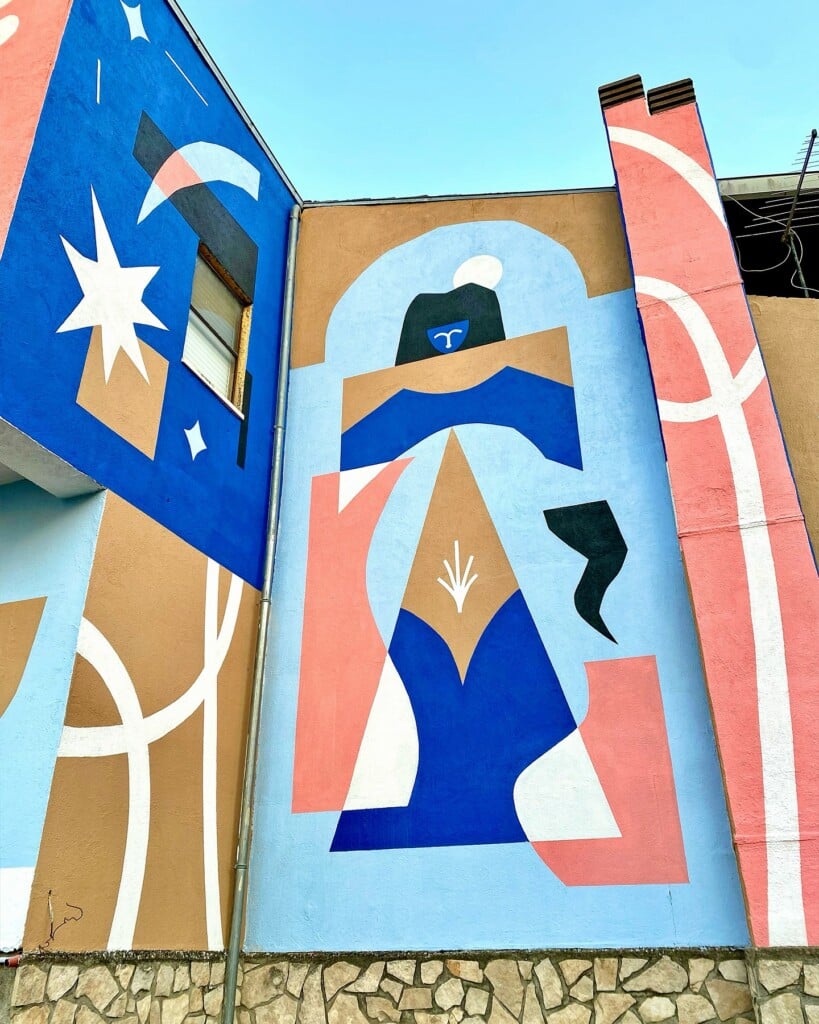
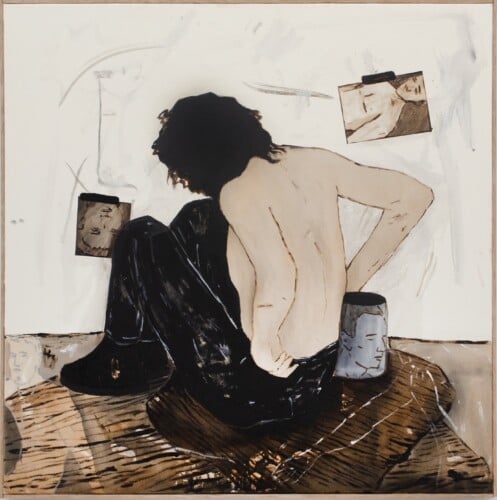
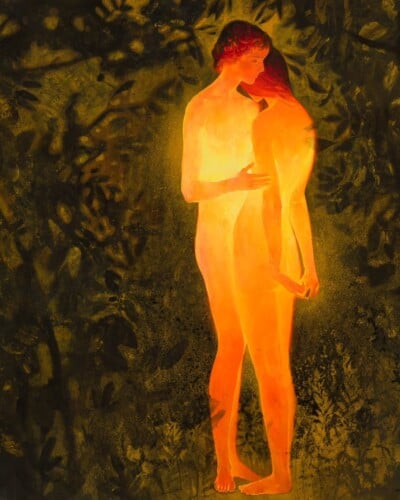
His practice moves across drawing, street art, and painting, never settling into a fixed form. He navigates between figurative and abstract, between dreamlike dimensions and a realism that borders on the magical. Subjects are broken down into essential shapes, reduced to primary structures that reassemble into totemic figures. These are not mere formal exercises: every element seems to respond to an inner tension, to a balance pursued with almost ritual precision.

His works function through layering. At first glance, they strike for their visual impact—bold color fields, compact compositions, monumental presences—but it is in the details that symbolic suggestions emerge. The figures, often isolated within a suspended space, become contemporary archetypes: silent presences that speak of identity, transformation, and belonging.

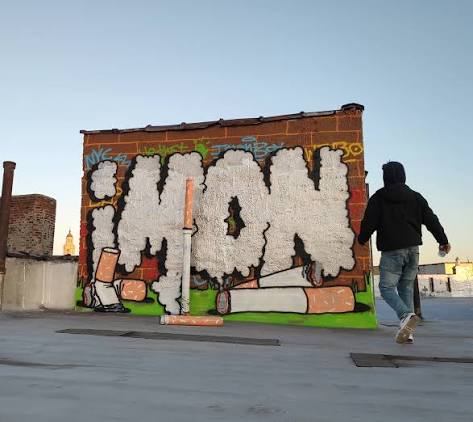
The influence of subcultures remains a constant thread. Not as a nostalgic reference, but as an attitude: independence, experimentation, and a rejection of rigid labels. Whether on a city wall or on a canvas in the studio, his language maintains the same coherence, the same tension between instinctive impulse and rational construction. Alessandro Pixa thus builds a visual universe made of contemporary totems and suspended visions, where the essential nature of form becomes a tool to convey complex messages.