The bandana‘s incredible versatility is unique, an accessory that has crossed different cultures, continents and generations, bringing with it equally different meanings and perceptions.
The hip hop culture, from the 80s until today, has made the bandana a symbol of rap style and aesthetics, placed in the back pockets of baggy jeans, tied around the neck or forehead.

It seems that the word “bandana” comes from Sanskrit “bandhana”, which meant binding, tying, ribbon and then be transformed into “bāṅdhnū” in Hindi language that means to attack, tie together.
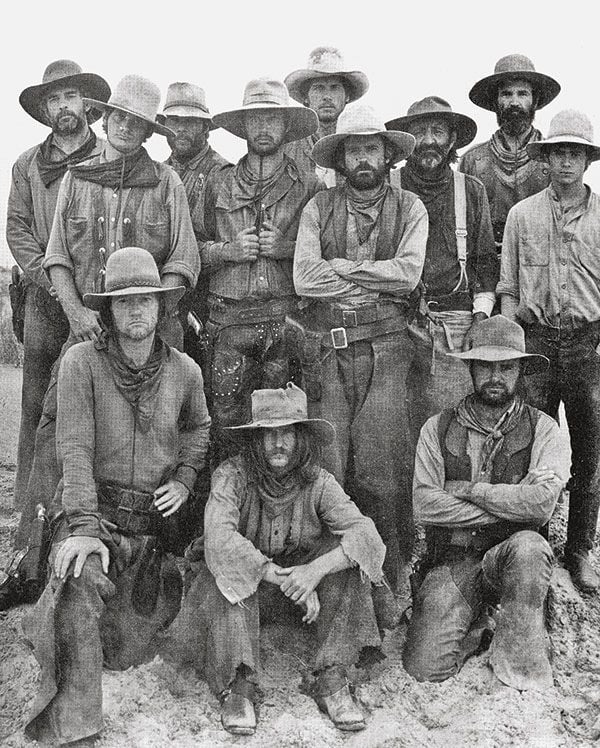
The history of the bandana is not very clear, one theory goes back to the end of the 17th century in South Asia and the Middle East, while another one speaks of its first use in the Old West, then around the middle of the 19th century. It was mainly used to cover nose and mouth to protect from dust or as a sort of mask to avoid being recognized by thieves and outlaws.
From here we move on to the present day where the bandana has been and continues to be used by many sub-cultures but also as a sign of recognition by gangs in American big cities.

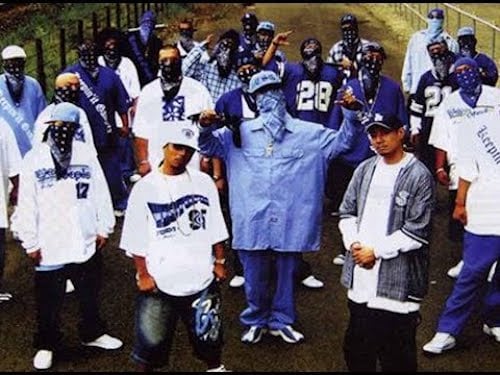
In Los Angeles, for example, the Bloods and Crips gangs wore red and blue bandanas respectively as a symbol to show their appetite to one or the other gang. This type of use, like other aesthetic elements of the Los Angeles gangs, was borrowed from the Chicano style of the 60s and 70s.
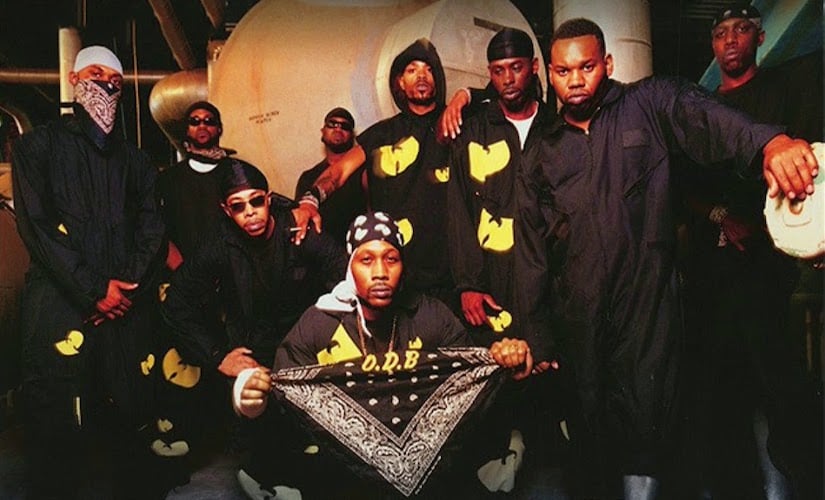
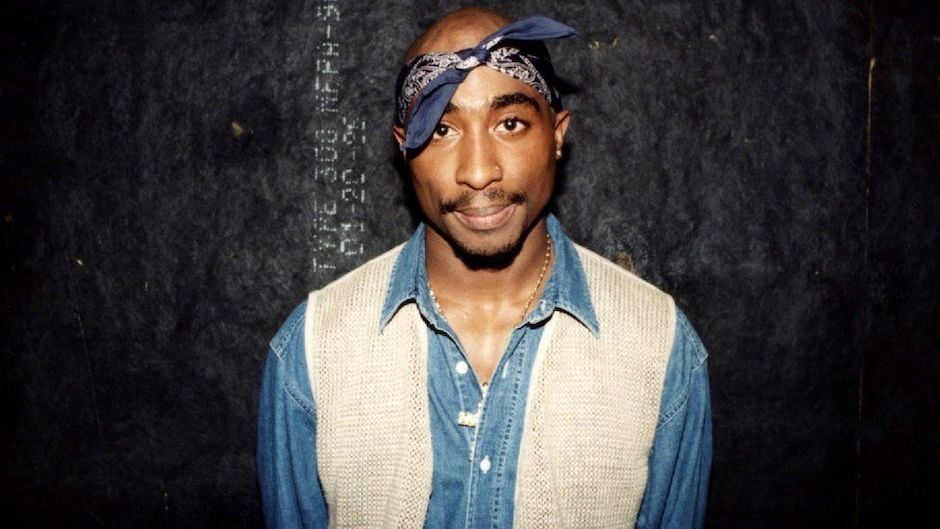
The mixture between gangs and the Los Angeles hip hop scene has made the bandana an omnipresent element in the photographs and videos of Californian rappers such as Snoop Dogg for example, but also from those of the East Coast, Mobb Deep and the Wu-Tang Clan, Notorious B.I.G. and above all Tupac Shakur, have made this accessory a symbol of hip hop aesthetics still widely used today.

An example of how the bandana has entered the collective imagination and has also conquered the streetwear world is the photo taken in 2006 for Supreme at Dipset (or The Diplomats) by photographer Kenneth Cappello, who ended up on a photo tee that became a cult.

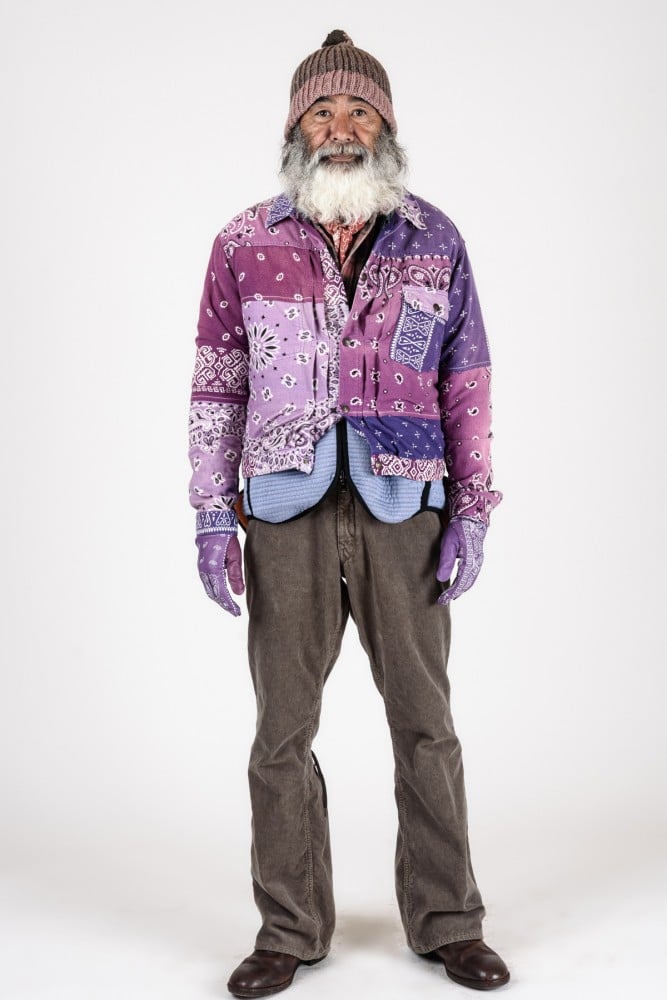
The paisley print has then conquered the workwear market and high-profile vintage-inspired, just think of KAPITAL and visvim brands that have built entire collections on the typical print of bandanas turning it into an absolute must-have for every fan.