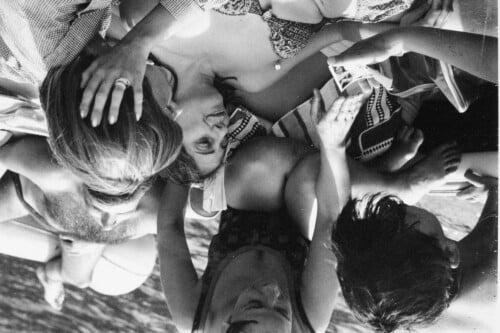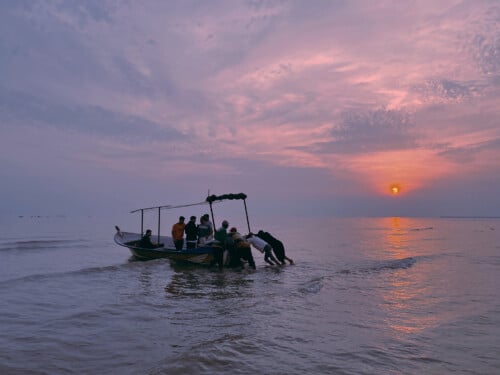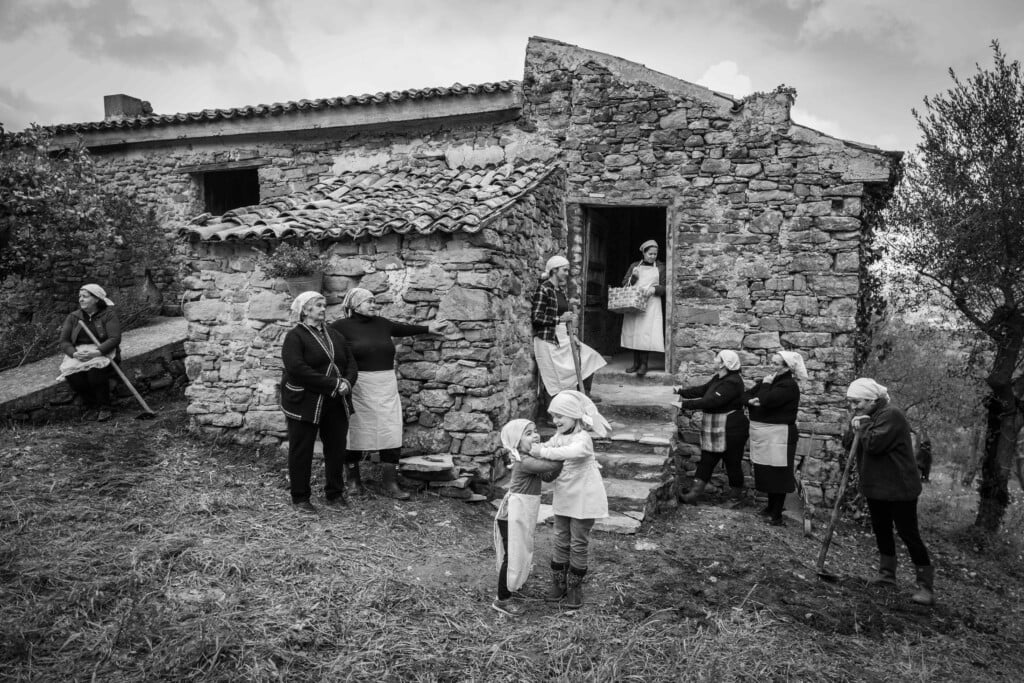
In Vatolla, a small village in Cilento, women have been planting and weaving for generations. They do it with their hands, they do it singing, they do it with the same care with which something is passed down that no one wants to lose. Barbara Di Maio, photographer and conference interpreter born in Salerno in 1974, followed that gesture all the way through and turned it into a photographic project presented in 2025 in the Talents section of the International Photojournalism Festival in Padua.
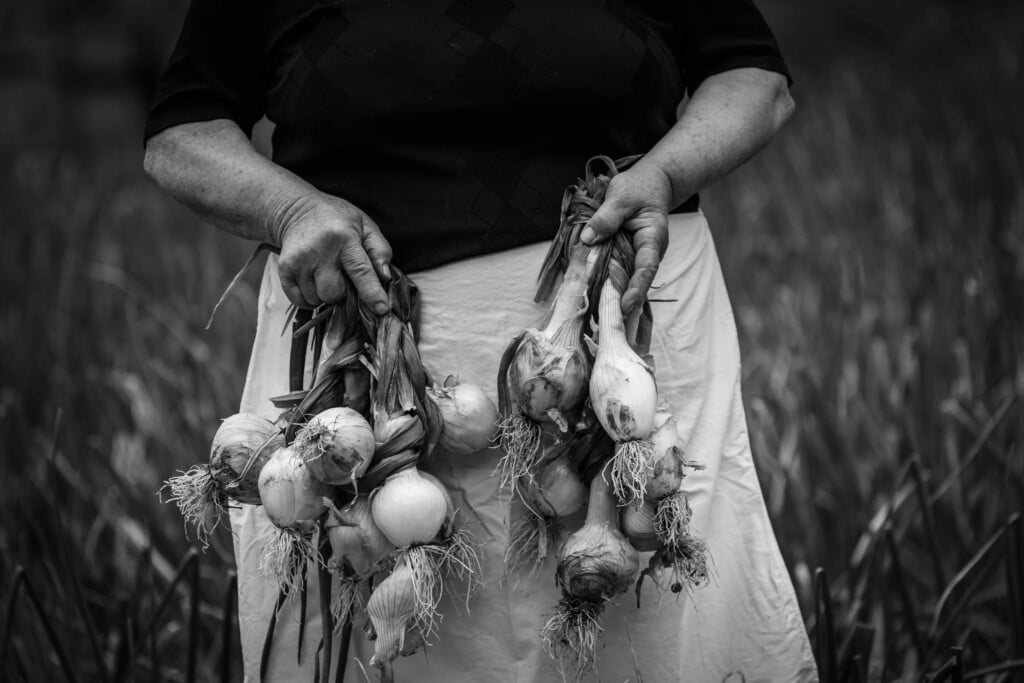
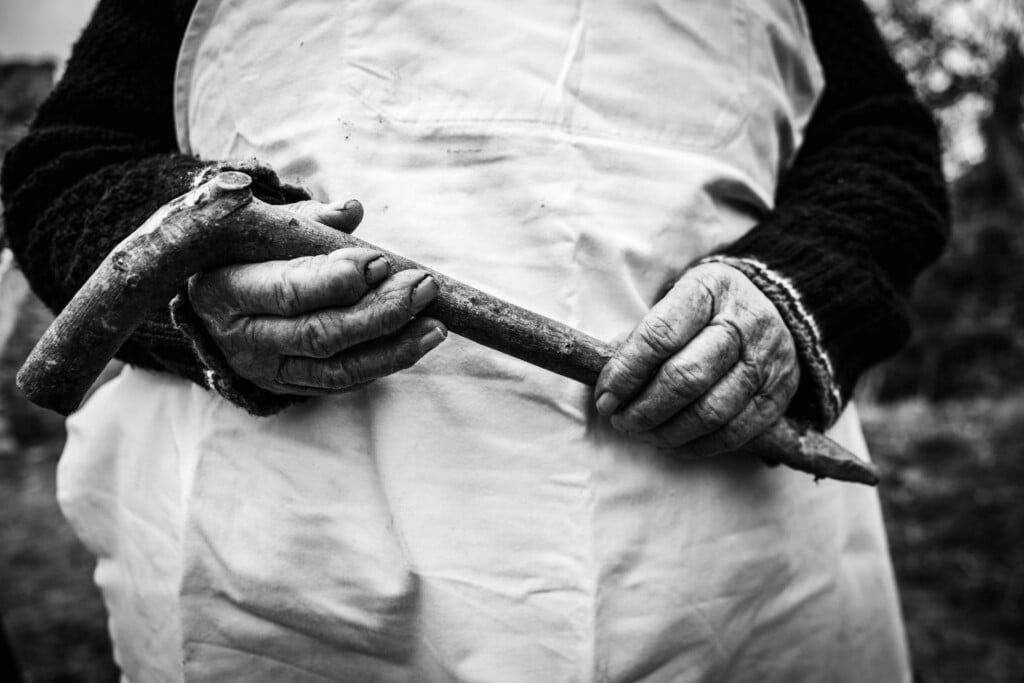
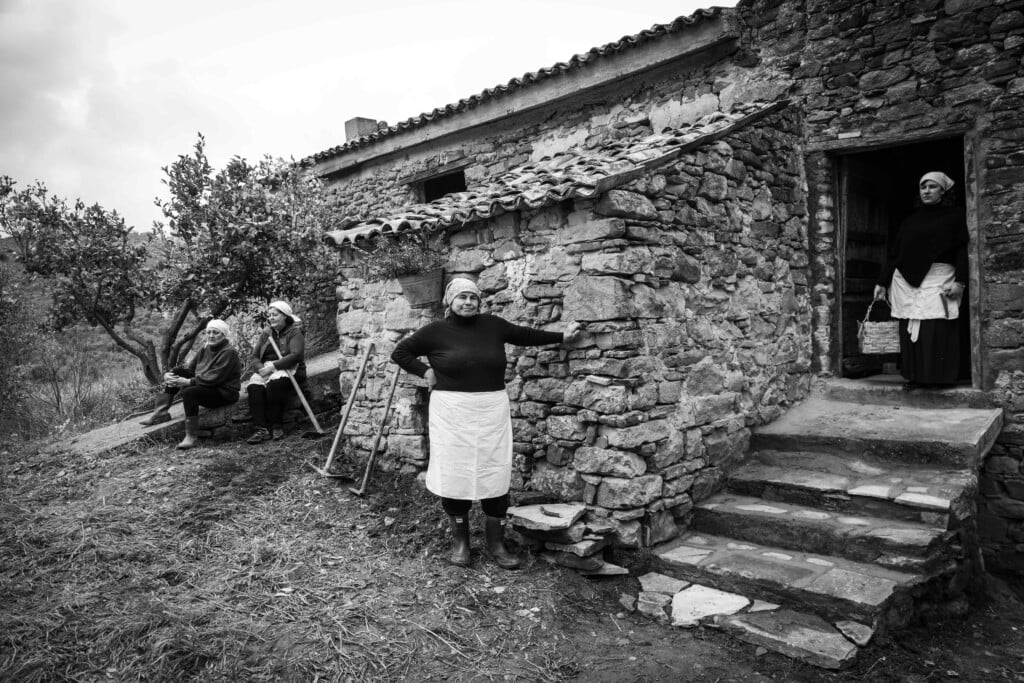
Chianda e Ndrezza takes its name from the Cilentano dialect: “plant and intertwine”. The title condenses the entire logic of the project into two words. It follows the complete cycle of cultivating the Vatolla onion, a biodiversity treasure that survives thanks to a community of women who never stopped growing it. Each phase of the work is accompanied by traditional songs, some of them invocations against the evil eye, passed down from mother to daughter as a sacred protection against forces that could threaten the harvest. This is not folklore preserved under glass: it is a living, rooted practice, capable of holding together land, memory, and collective identity.

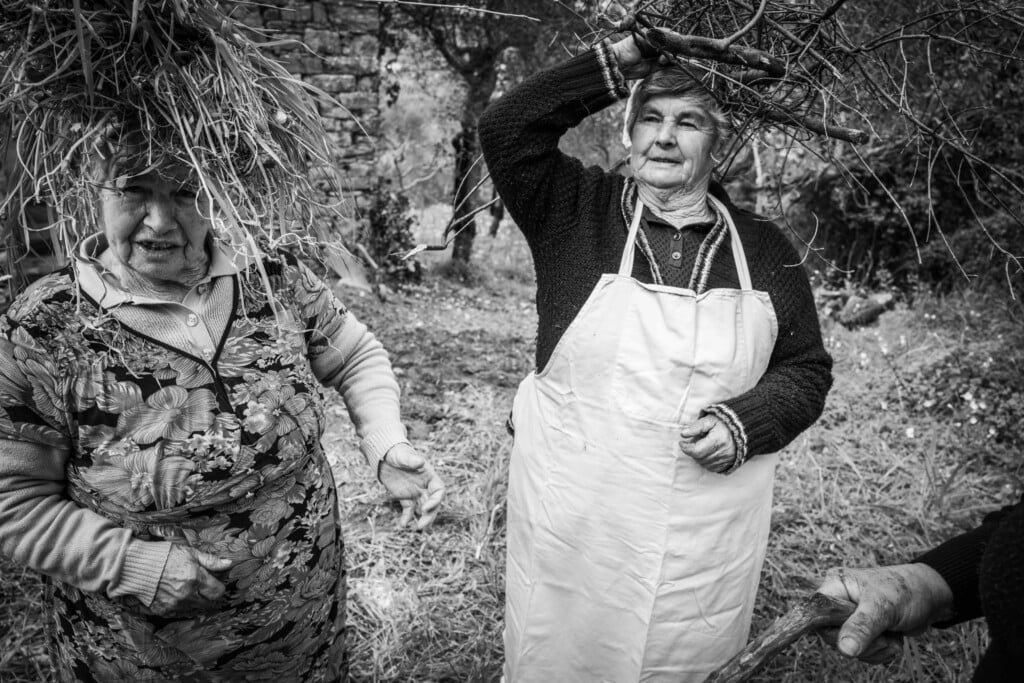
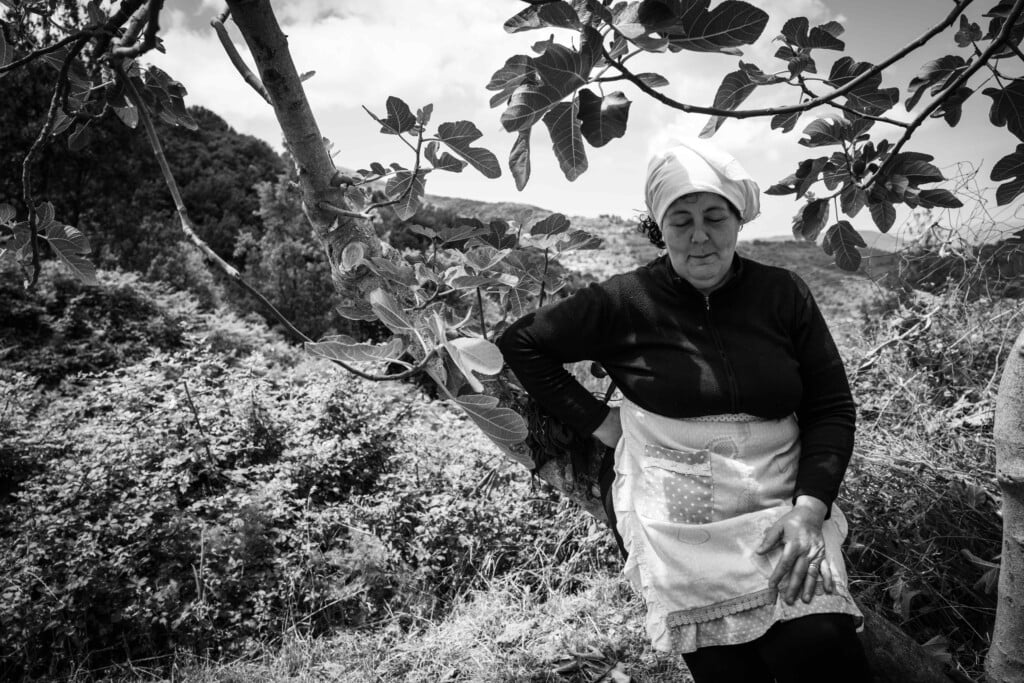
Di Maio has been working for over ten years on the visual anthropology of Southern Italy, with a constant focus on women and their role in traditional communities. Her path runs through the ICP in New York and a Master’s in Photojournalism at the Roman School of Photography, but her practice has a more intimate core: the need to document what risks disappearing, to build a visual archive that does not belong only to the present. Her photography does not observe from the outside — it participates, listens, gives back. In Chianda e Ndrezza this stance is particularly clear: the images do not simply show what is done, but what it means to do it, what lives inside every gesture, every song, every harvest season.
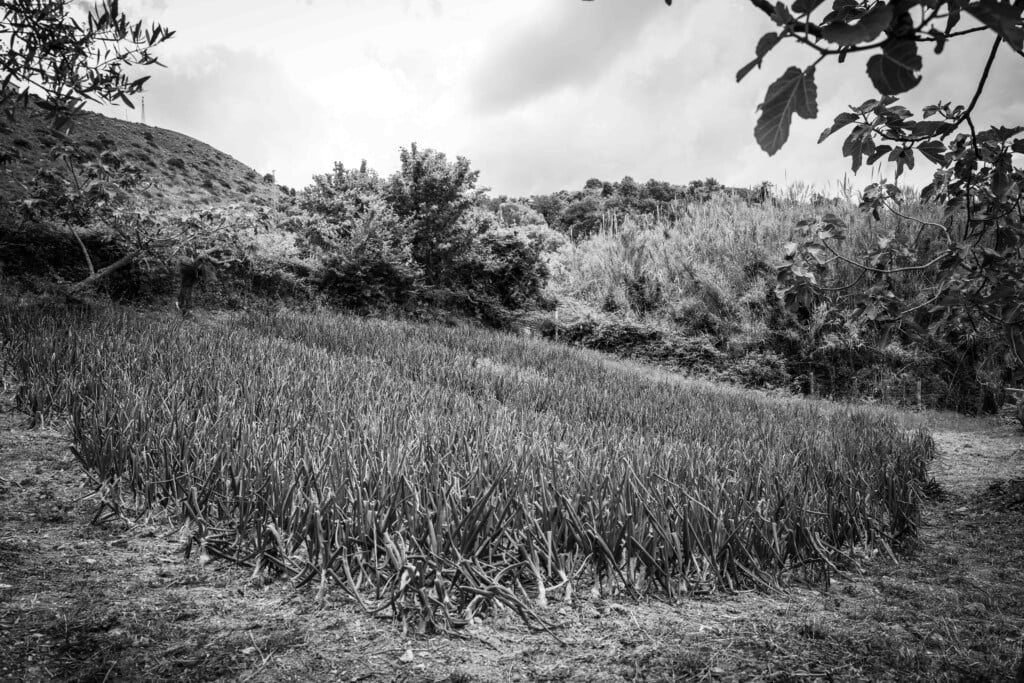

The project is part of a broader research that Di Maio develops in parallel on masks, historic carnivals of Campania, and religious processions, always with women at the center of the frame. A coherence of vision that turns each individual project into a chapter of something larger: a visual atlas of the South that does not give in to nostalgia, but chooses testimony.