We are what we remember. Or perhaps, today more than ever, we are what we manage not to forget.
The second season of Cantiere Scandurra, the podcast produced by Scandurra Studio in collaboration with Collater.al, dedicates a new episode to a theme as universal as it is fragile: memory. In the second episode, Alessandro Scandurra, the architect and founder of the studio and the narrator of this journey, begins with an almost paradoxical observation: we live in the most information-rich moment in history, yet our capacity to remember seems to diminish day by day.
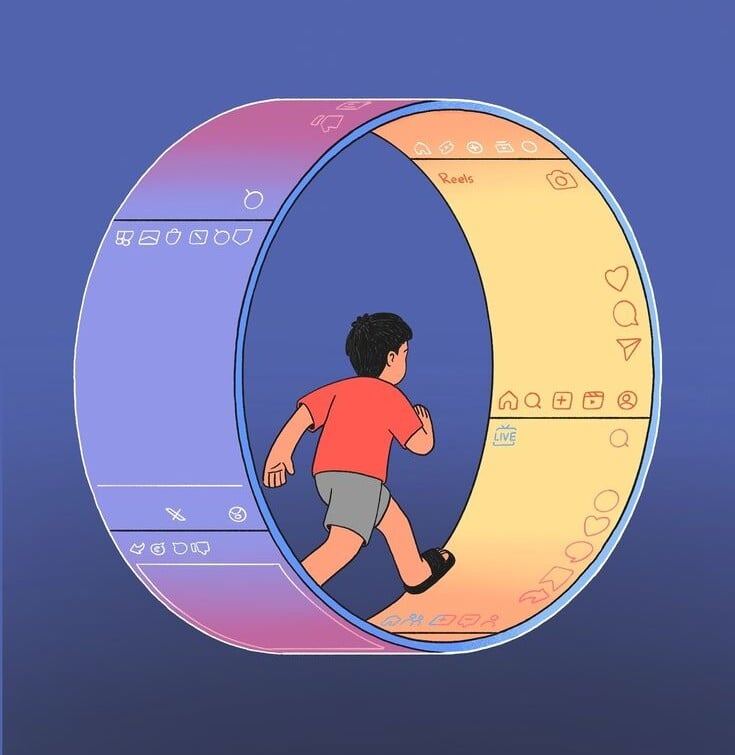
It is a feeling many will recognise. Every day we scroll through hundreds of pieces of content — news, videos, posts, comments — in an endless sequence that rarely leaves time for things to settle. The result is a form of knowledge that is widespread but fragile: we know a great many things, but we retain less and less of them.
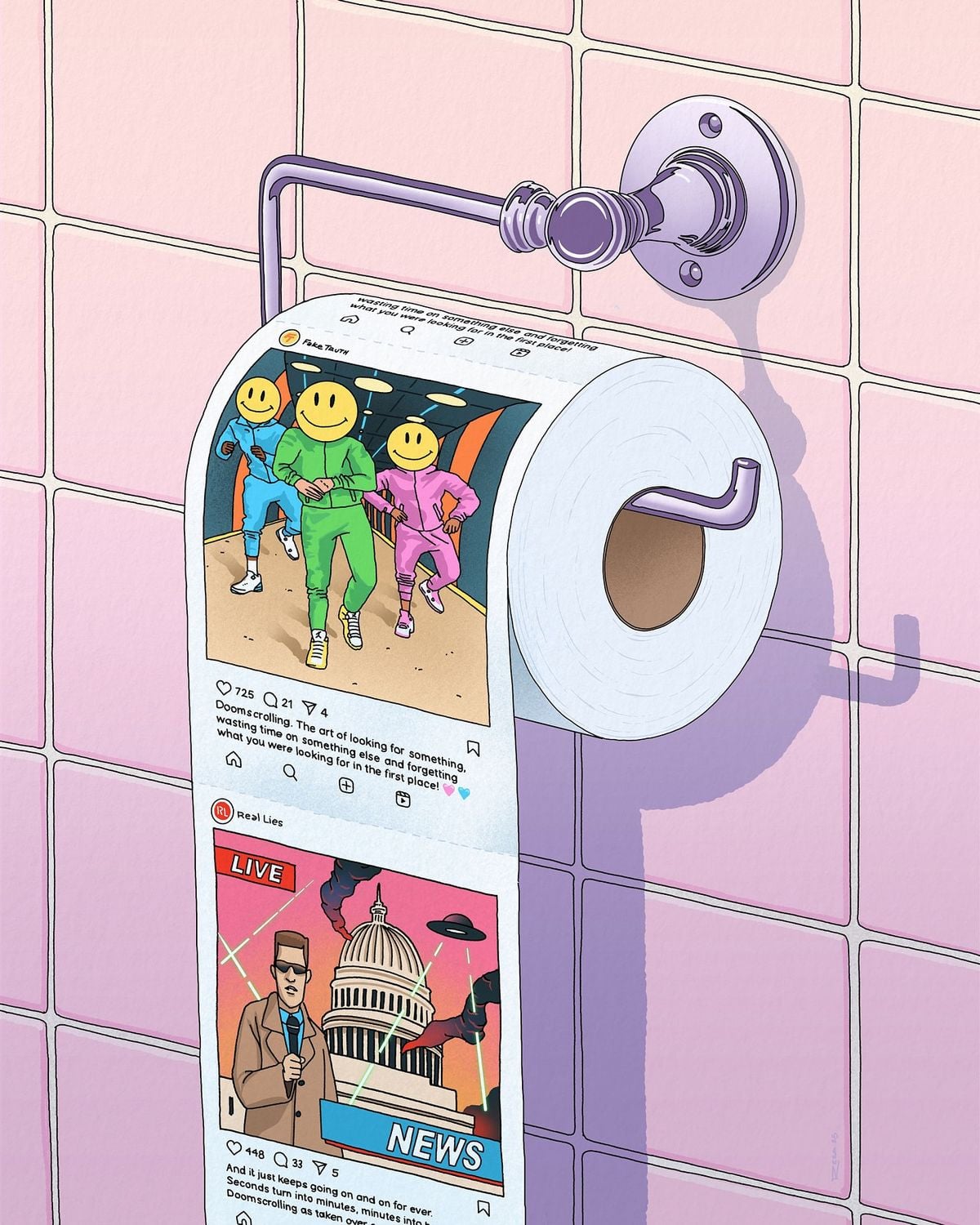
Scandurra speaks of a kind of contemporary vertigo, a condition often described by the term “infodemia“. It is not merely a matter of the quantity of information, but of its speed. The flow is continuous, accelerated, almost impossible to metabolise. In this scenario, memory is no longer a stable archive but a surface in constant overwriting.
This is where a deeper question comes into play, one that concerns the very nature of truth. For centuries, Western culture has presupposed the existence of shared facts and universal values. Today, by contrast, the idea spreads that every reality is inevitably tied to the perspective of whoever observes it.
A theme that Umberto Eco had already identified with great clarity. Eco argued that the cultural memory of the West had been constructed precisely through its archives: libraries, encyclopaedias, catalogues. Places and systems that served not only to preserve knowledge, but to organise it. In other words: to make it memorable.
Today those very systems seem to dissolve into the digital ocean. Everything is available, everything is accessible, yet almost nothing truly remains. In the podcast, Scandurra suggests that in precisely this scenario architecture may take on an unexpected role: that of a memory device. Not simply a space that preserves the past, but a language capable of transforming it into experience.
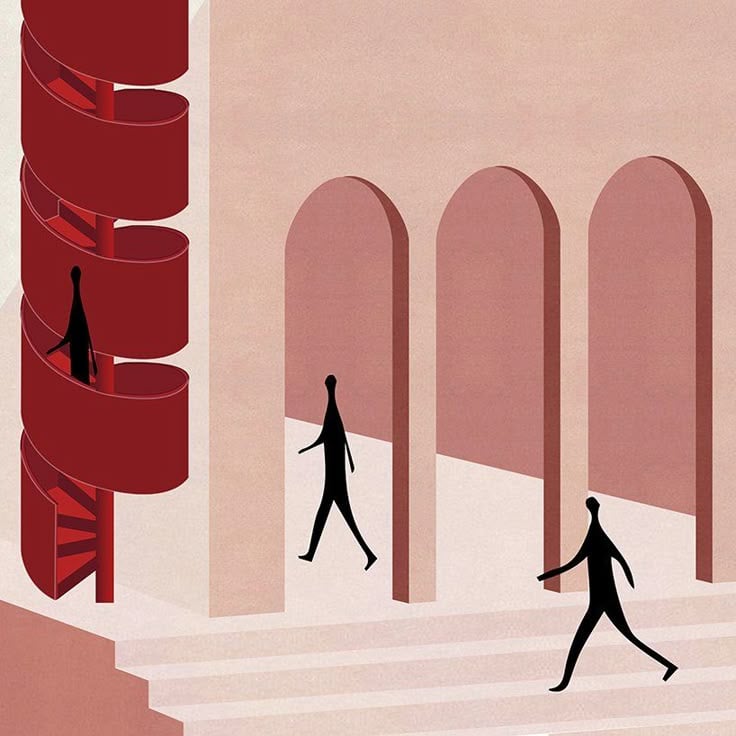
Memorials and museums work in exactly this way. On one side there is the data, the testimony; on the other, the atmosphere, the suggestion, the suspended time that invites an encounter with what has been. In both cases, space becomes a narrative form.
Scandurra returns to a place that runs through the entire history of civilisation: the archive. Not merely as a repository of documents, but as a cultural gesture. The ancient Greeks kept their acts in the Metroon, the Romans in the Tabularium. These were sacred places because it was there that decisions were made about what deserved to be remembered.

Every archive is, in fact, a choice — a founding act that establishes which fragments of the present will become future. This reflection runs through the entire episode: how does one design memory today, in an era that forgets everything too quickly? Scandurra’s answer is pragmatic. It is about designing spaces where information does not remain merely as filing cards or digital files, but can be seen, touched, moved through. Spaces where visitors can understand what matters, what to choose to remember, without being overwhelmed by the constant flow of data.
The Palladio Museum is one such example: it does not impose a closed narrative, but offers an operational tool for understanding the history of Palladio and his legacy. It is a concrete way of transforming the preservation of memory into an active experience, without filters or superfluous accessory narratives. Ultimately, as Scandurra observes, memory does not simply mean accumulating. It means organising, selecting, putting past and present into dialogue. In a world where we know more and more and remember less and less, designing memory becomes a task that is as cultural as it is technical: giving structure to what would otherwise risk being lost.