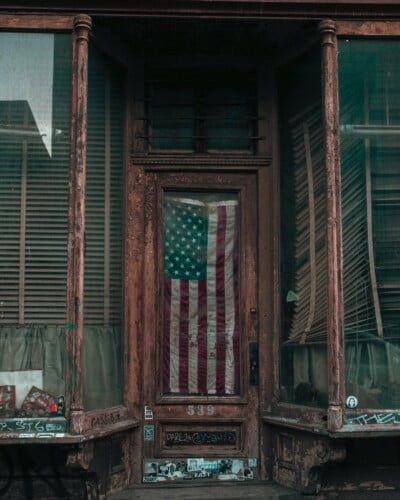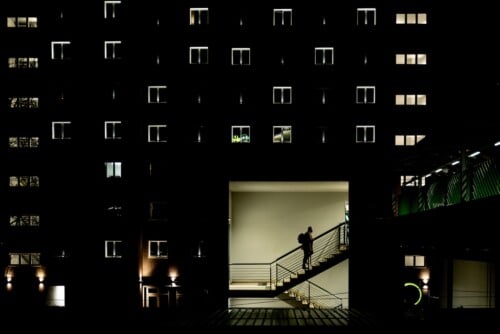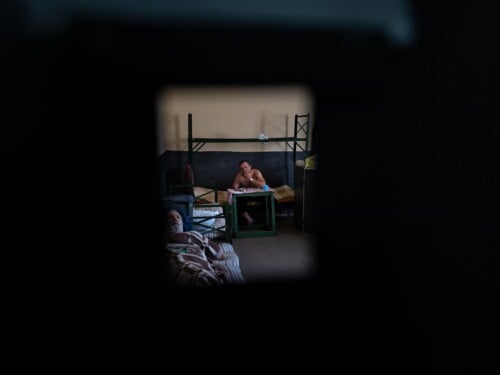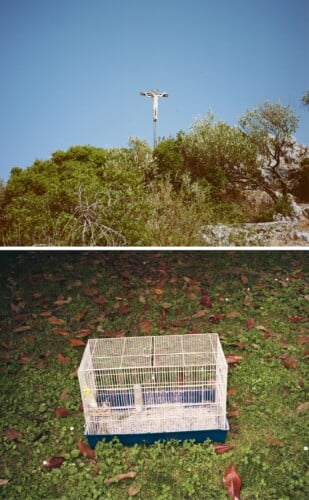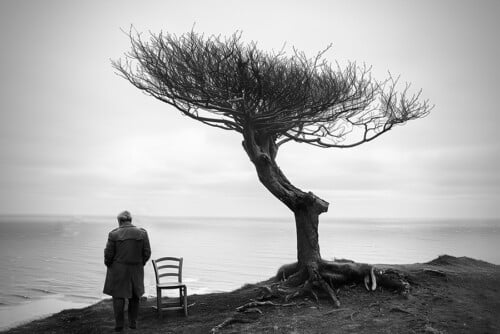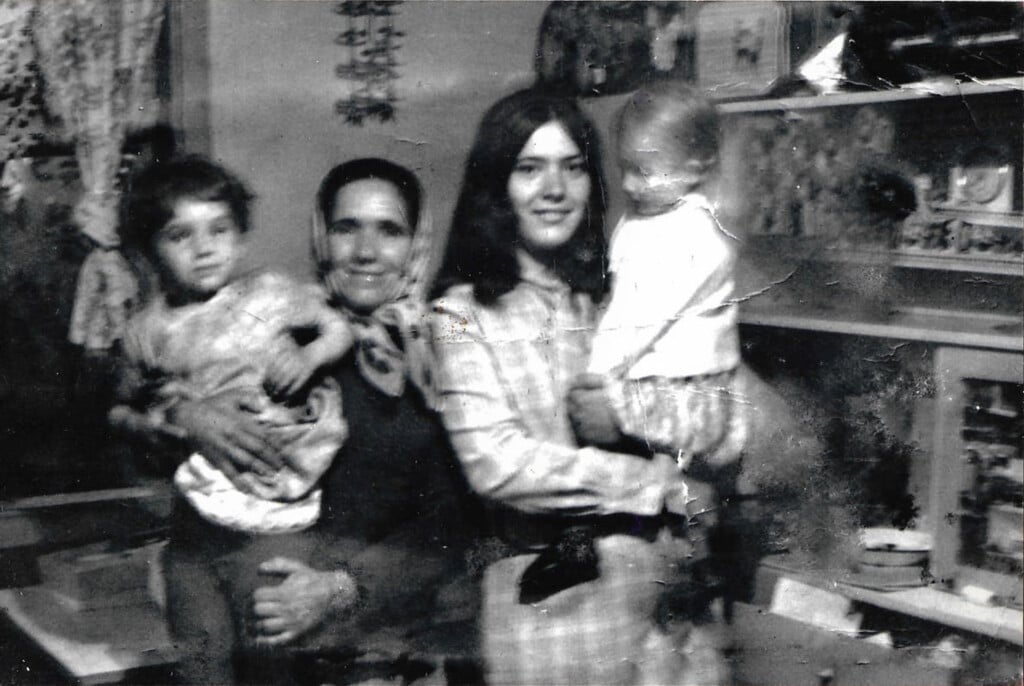
«Our embrace will be long, like the waiting». With this verse—taken from a poem by Desanka Maksimović—opens the new project by Tomislav Marcijuš, a photographer whose analog and intimate visual language we have already discussed here. Our embrace will be long, like the waiting takes shape between Baranja and Stanari and is a visual and personal journey through places of memory, loss, and identity.



Behind Tomislav Marcijuš’s Project
At the heart of the narrative is his mother—a silent yet immensely powerful figure—who becomes a bridge between past and present, between two countries and two lives divided by war. Her travels between the family home in Croatia and the village where she was born in Bosnia are not simple journeys: they are rituals, emotional returns that defy the political and physical borders imposed by history.


Marcijuš gently takes us through photographs, domestic objects, spent candles, pots, clocks—fragments that encapsulate entire lives. Everything speaks of resistance, absence, and memory. The mines and thermal power plants become collective symbols of an era marked by labor and sacrifice. And while coal and gold represent value and toil, candle wax becomes a metaphor for transience.


One of the most moving episodes is the reunion between his mother and her sister, separated for years by war, who meet again in a refugee camp in Hungary. No words are exchanged, only the space of an embrace that says everything. This is where the entire project takes shape: a silent, suspended story, yet dense with emotion.
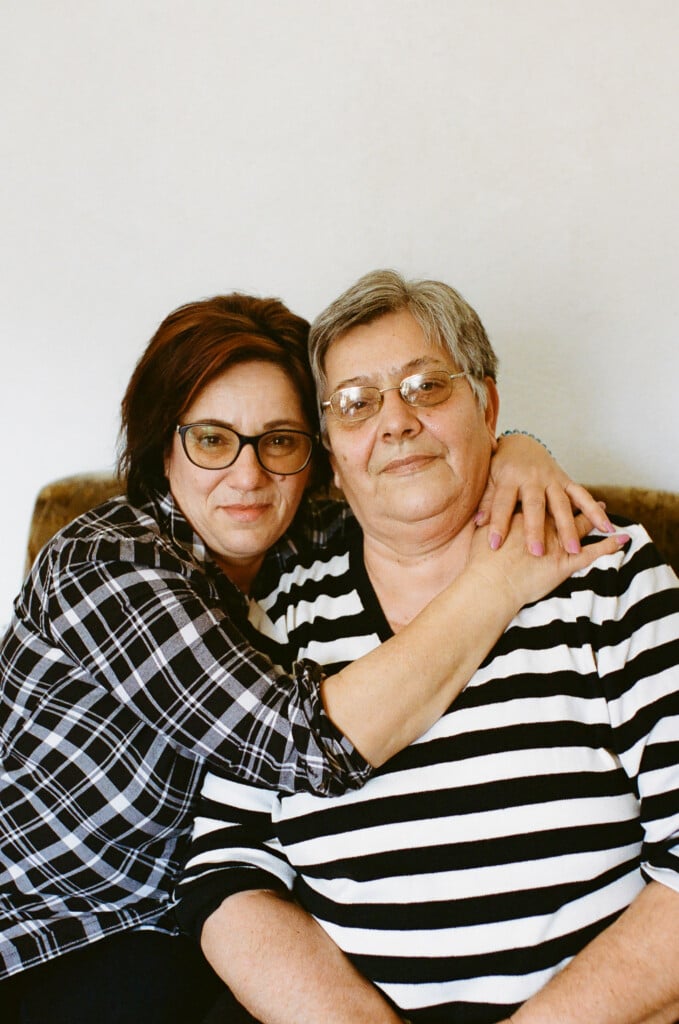
Everything is written in Cyrillic—a detail that is not merely formal but foundational: it is the language of childhood, of memory, of the land from which everything begins. As if to say that even language is territory, is body.

With this work, Tomislav Marcijuš does not merely construct an intimate archive but a universal narrative about family, rupture, and the deep need to belong. He does so with an empathetic, poetic gaze that turns each image into a visual confession, a gesture of forgiveness toward himself and all that has been lost over time.