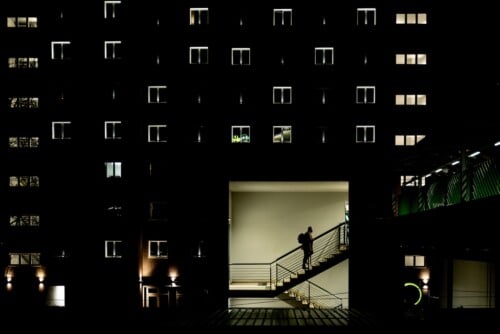
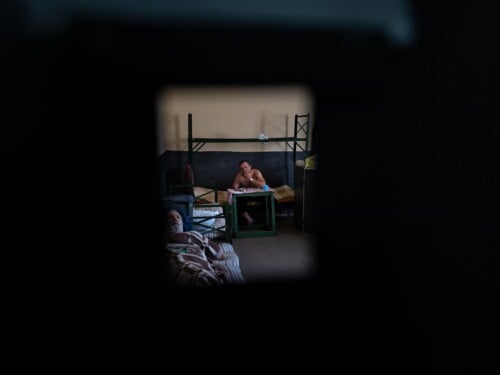
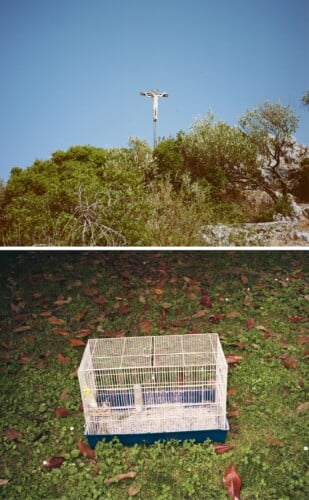
There are catastrophes that remain unseen yet continue to generate images. The Elephant’s Foot, a project by photographer and artist Edward Nurton, is born from this awareness: that of a silent disaster, something that has not happened — or perhaps has happened too many times — but could still happen again.
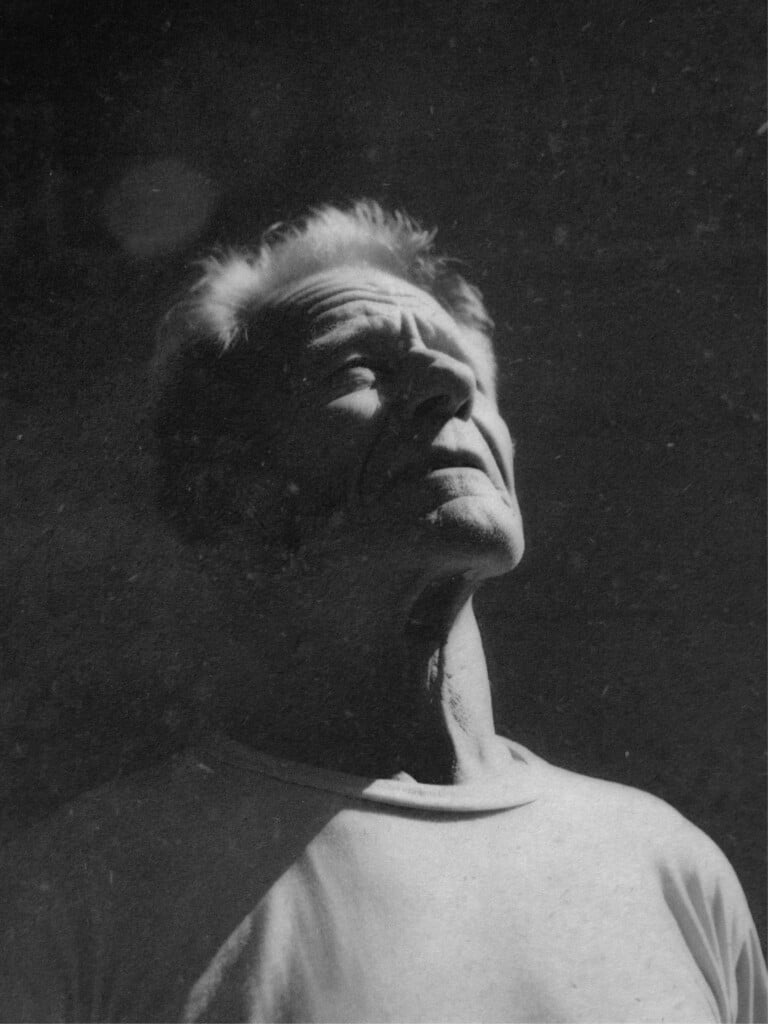
The title refers to one of the most iconic and unsettling objects in contemporary history: the mass of radioactive material formed after the explosion of the Chernobyl reactor, nicknamed “the elephant’s foot.” From here, Nurton builds a fictional narrative set in uncertain places and times, beginning in a small town on the banks of a contaminated river and expanding to tell how radiation exposure passes through the human body, society, and nature.


Behind his images — cold, suspended, almost clinical — lies a long research into nuclear accidents that have actually occurred over recent decades. Nurton’s approach, however, is not documentary. The Elephant’s Foot moves along an ambiguous line, halfway between reality and science fiction, using the form of a dystopian screenplay to question how the fear of radiation has shaped the collective imagination, feeding obsessions, secrets, and conspiracy theories.


Every detail seems to have a counterpart in the real world: the date of a disaster, the location of a town, the wounds on a man’s body. Yet the artist rejects certainty, allowing the images — and their silence — to suggest questions rather than answers.


Developed between 2022 and 2024, The Elephant’s Foot was selected by Yogurt Lab of Yogurt Magazine, under the curatorship of Francesco Lombardi, and will be published as a photobook in mid-2026. A project that moves within the uncertain territory between investigation and imagination, reminding us that fear, like radiation, can be invisible yet profoundly real.