The first time Vincent Pflieger saw Coney Island was about twenty years ago, during a winter when snow still covered most of the beach. It was love at first sight, and he has never stopped going back.
The French photographer turned his love for the place into a long-term photographic project simply titled Coney Island. His images portray a place that seems to exist outside of time, suspended between cinema, personal memory and the anthropological observation of a city in constant change.
Pflieger arrives at Coney Island already carrying a cinematic imaginary. As a teenager he had watched and rewatched Requiem for a Dream far too many times, and the first time he set foot on the boardwalk he recognized its settings, the famous rides and the long wooden piers.
Walking through Coney Island, he says, feels like stepping inside a memory.

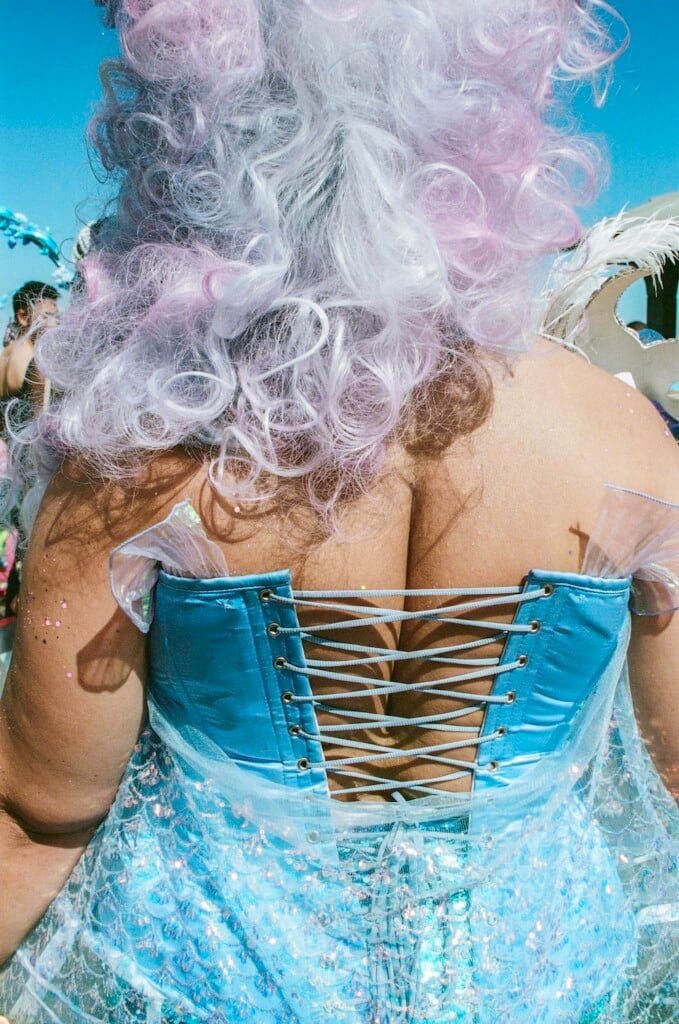
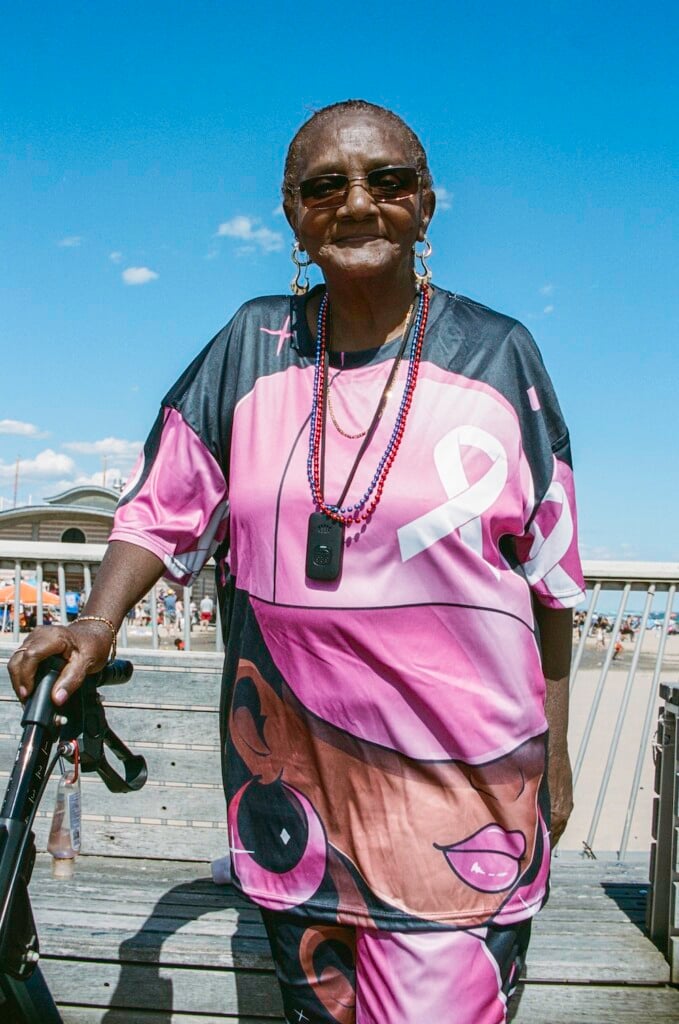
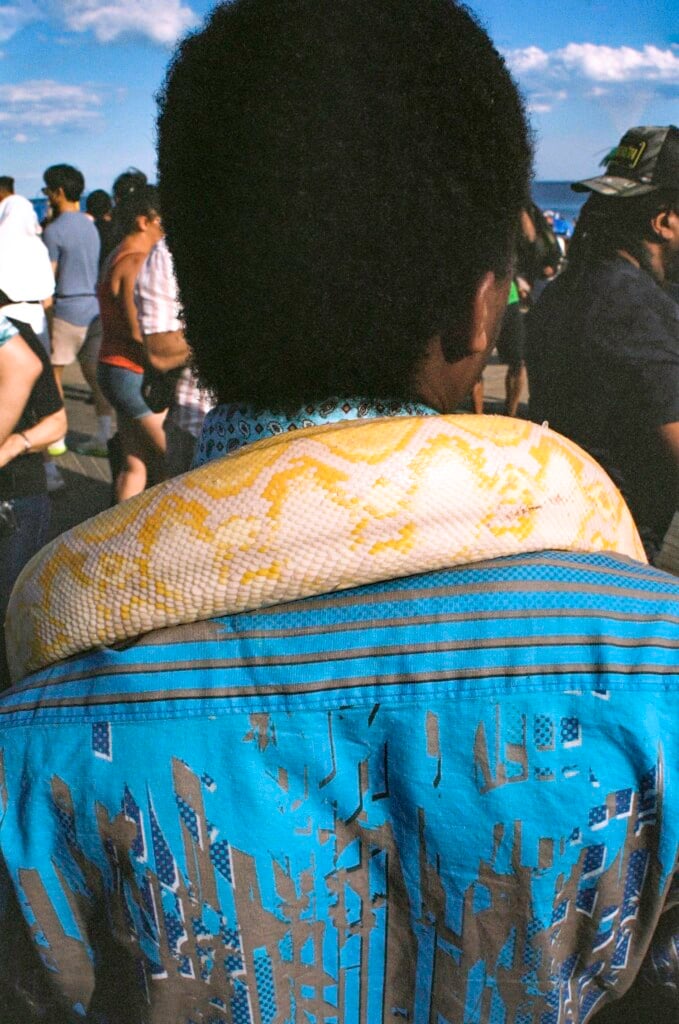
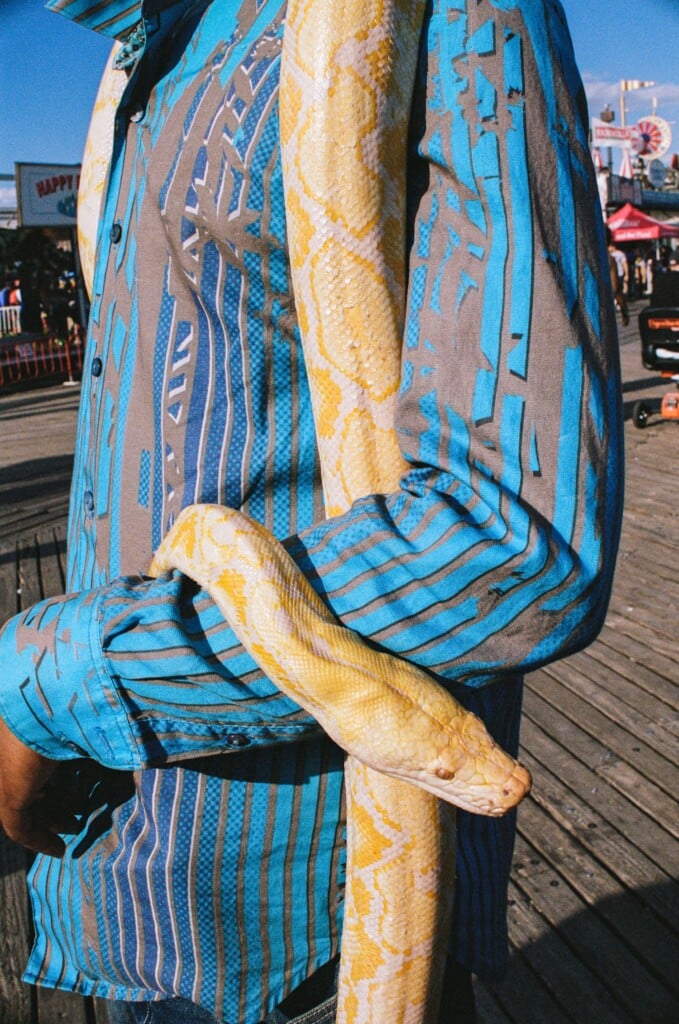
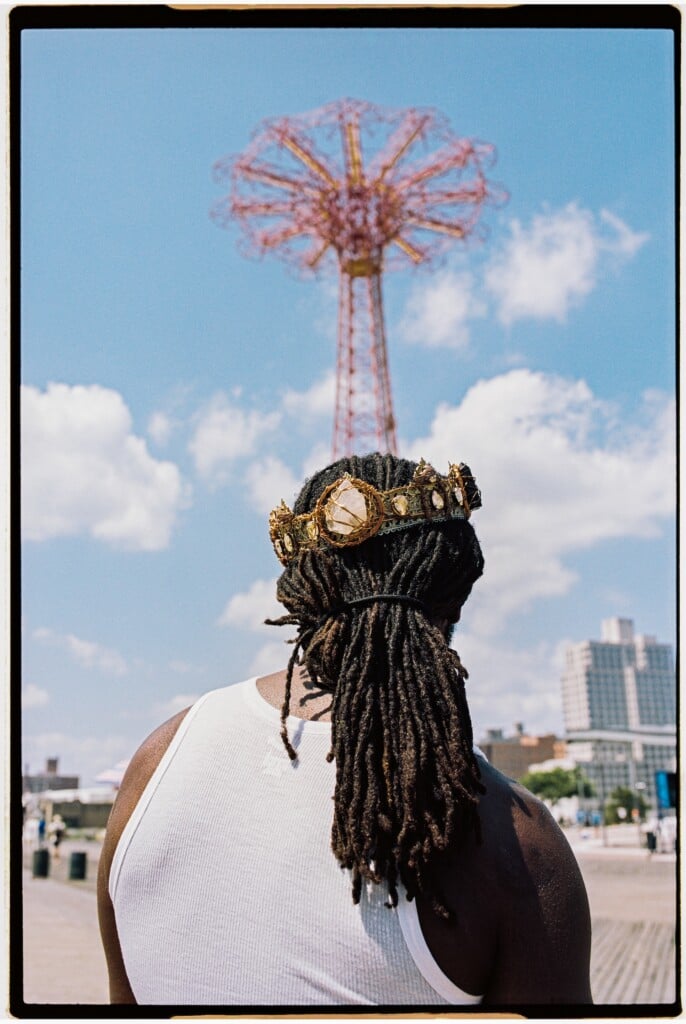
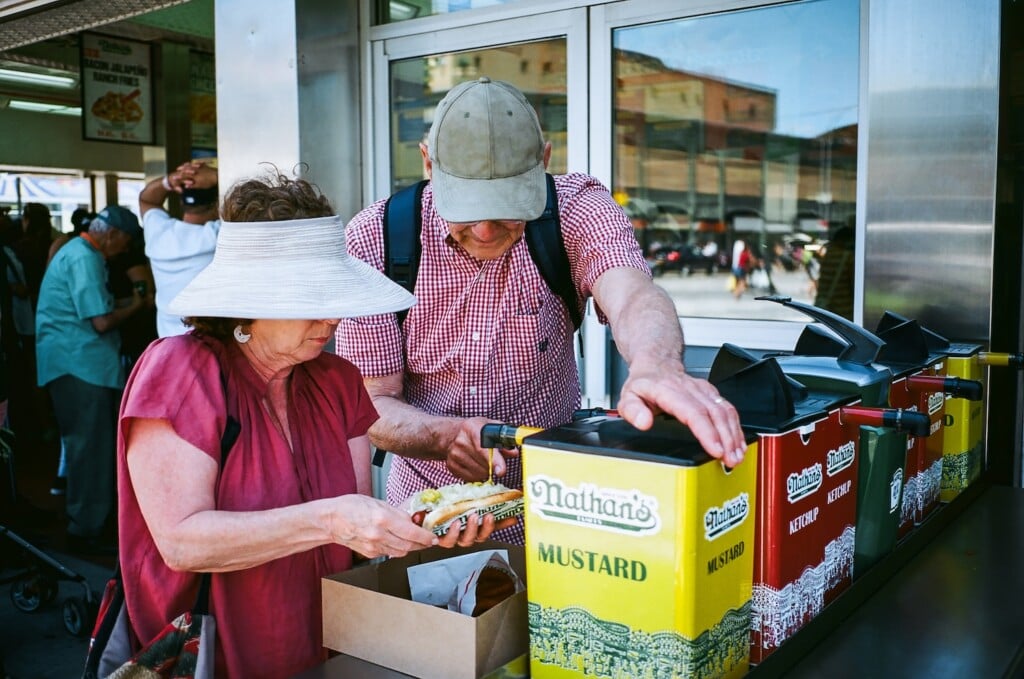
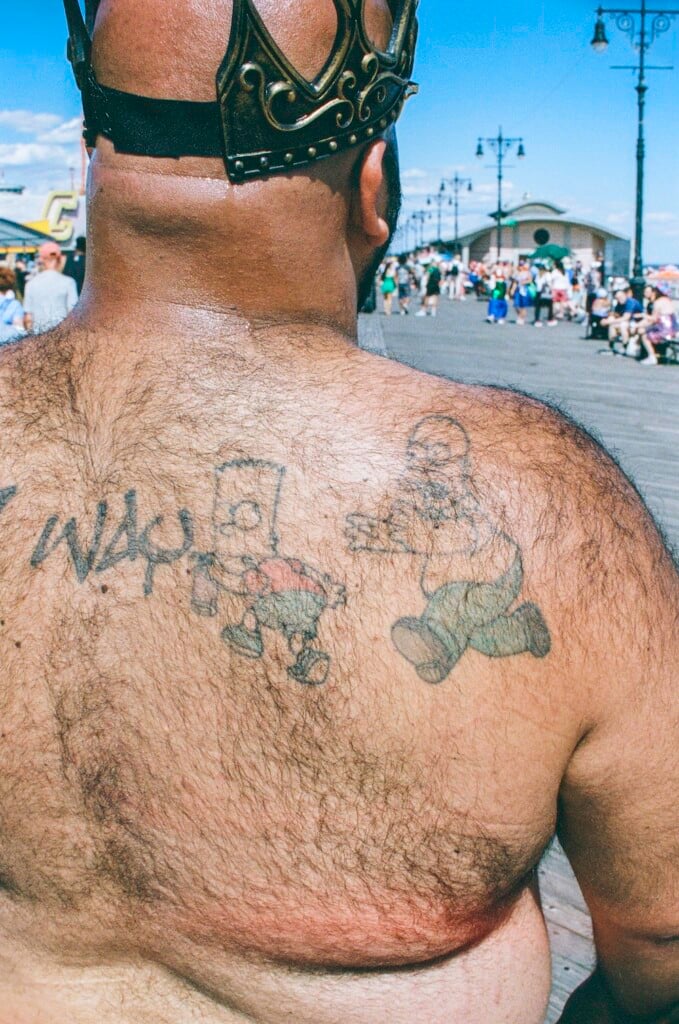
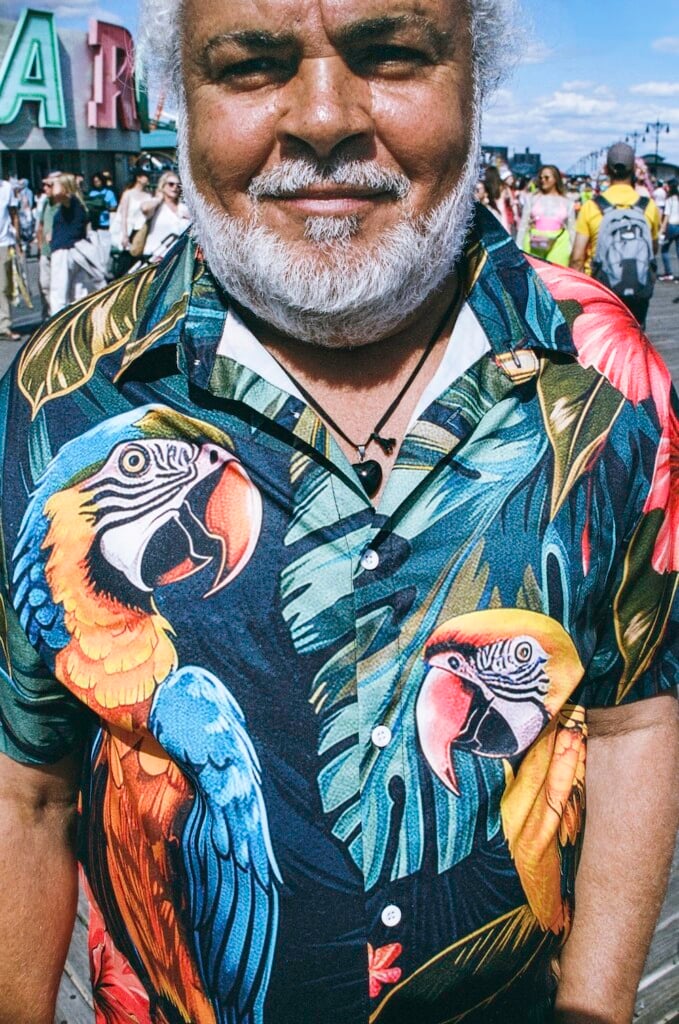
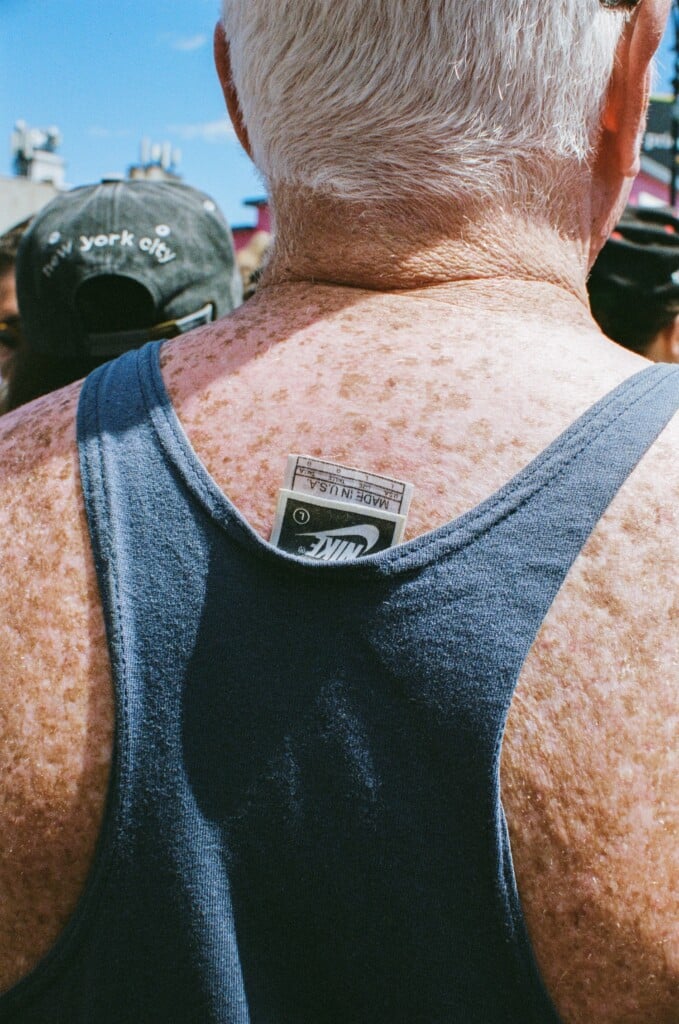
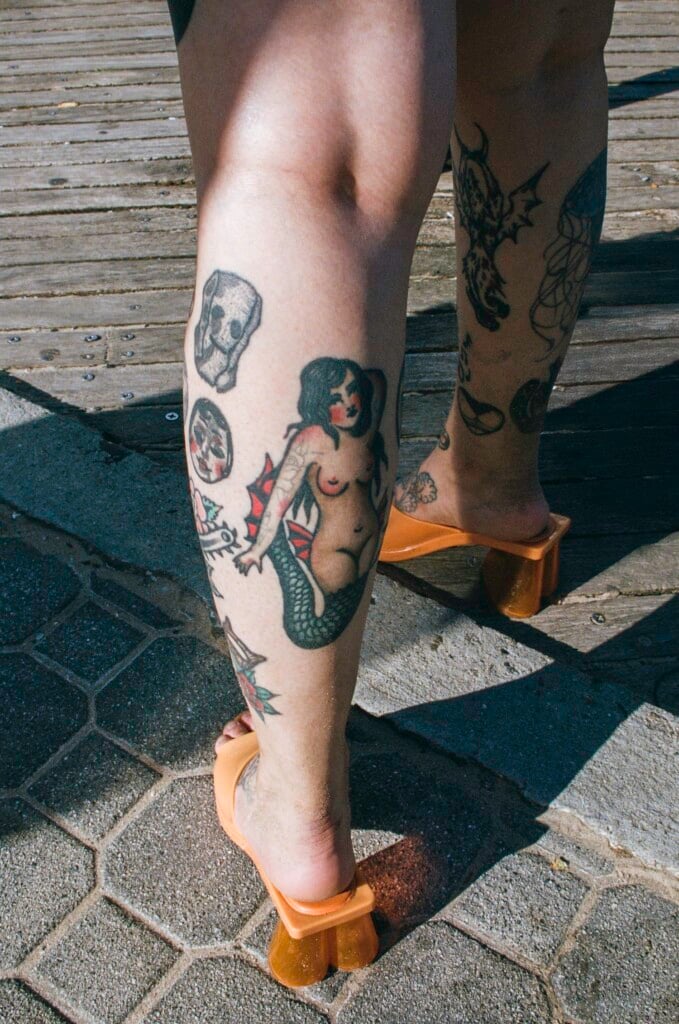
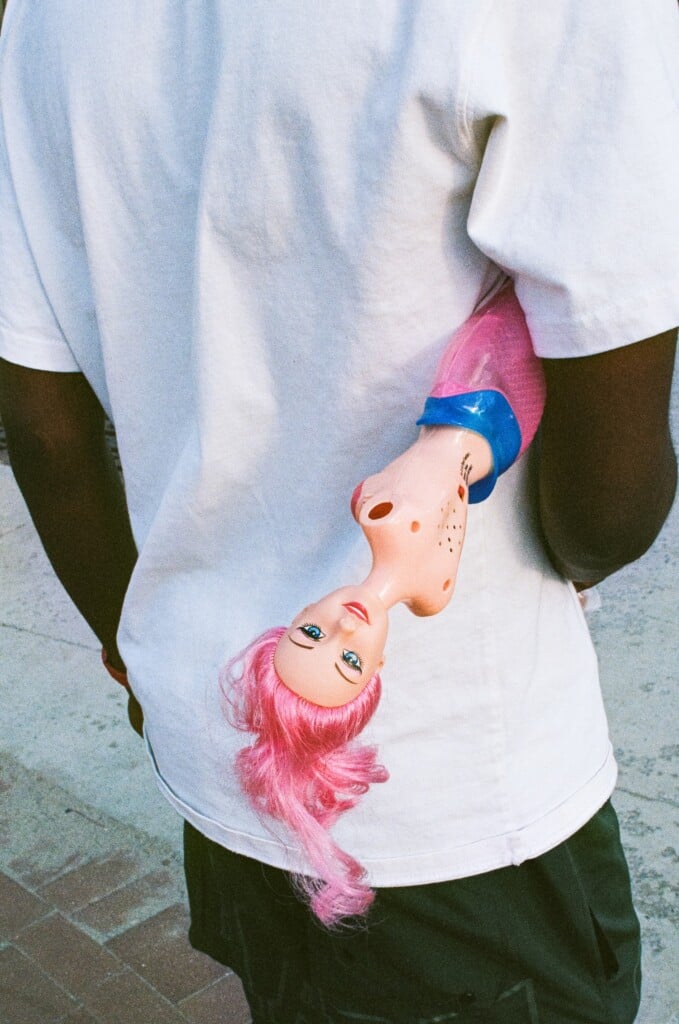
But over the years the photographer’s interest shifts. It is no longer cinema that draws him back, it is New Yorkers. Coney Island becomes an open-air theater for him, where families eat on the boardwalk, cocktails are served in enormous plastic cups, the Cyclone scares whoever rides it, and the beach fills with bodies of every kind. In winter come the Polar Bears and the older Russian women in fur coats, in summer the Mermaid Parade, and in between an entire cast of characters who at Coney Island seem to have found a place where no one asks them to fall in line, to blend in.
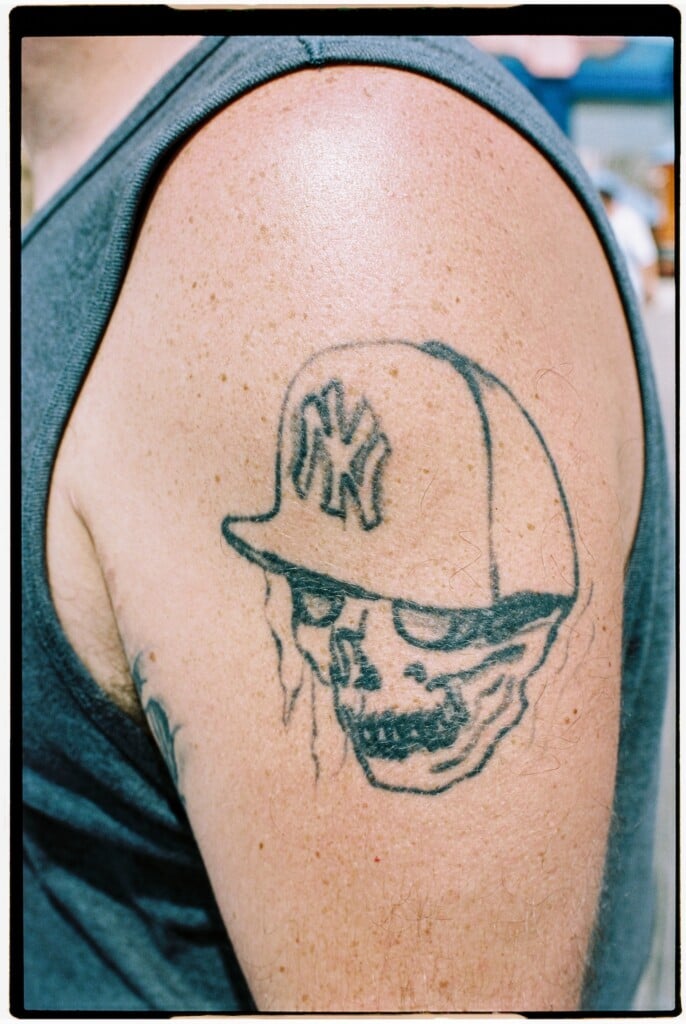
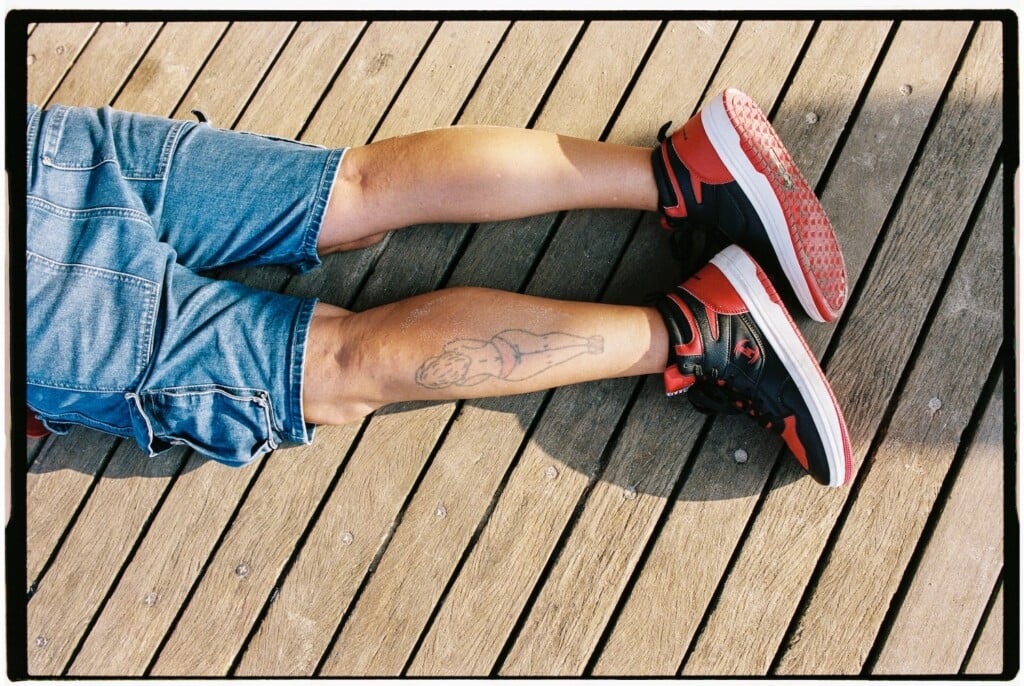
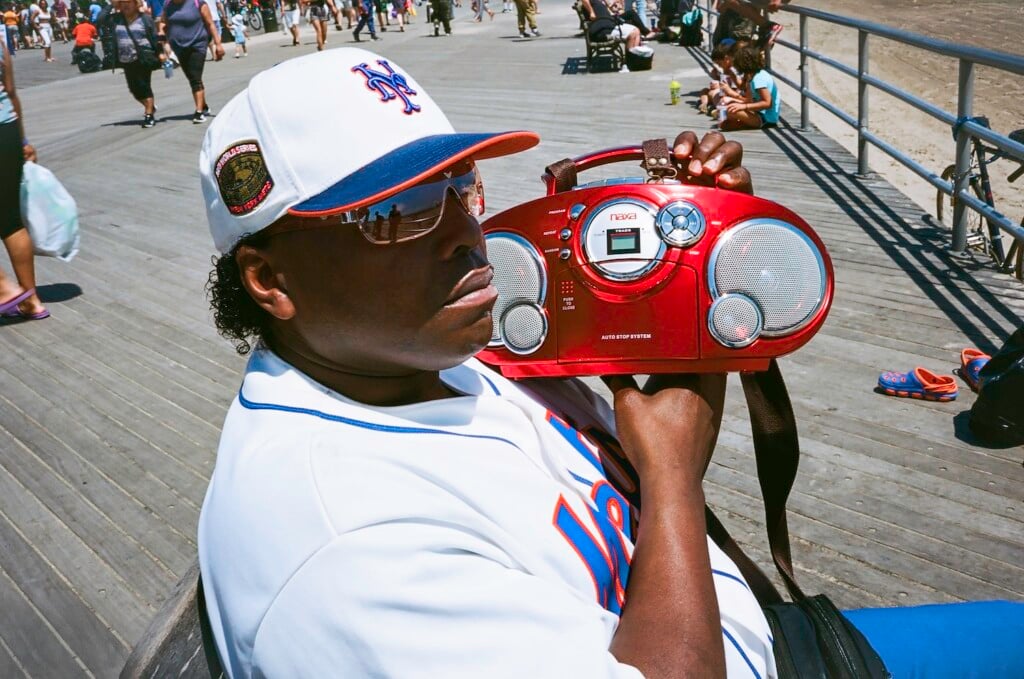
This is where Pflieger’s photographic gaze settles, on a distinctly New York eccentricity that never feels fake, but deeply genuine. Kitsch is embraced without irony, as are the bodies, the colors, the clothes, the tattoos, the accessories. Everything is slightly too much, and it is exactly that excess that makes the place so photogenic. As he puts it himself, it is candy for the eyes.

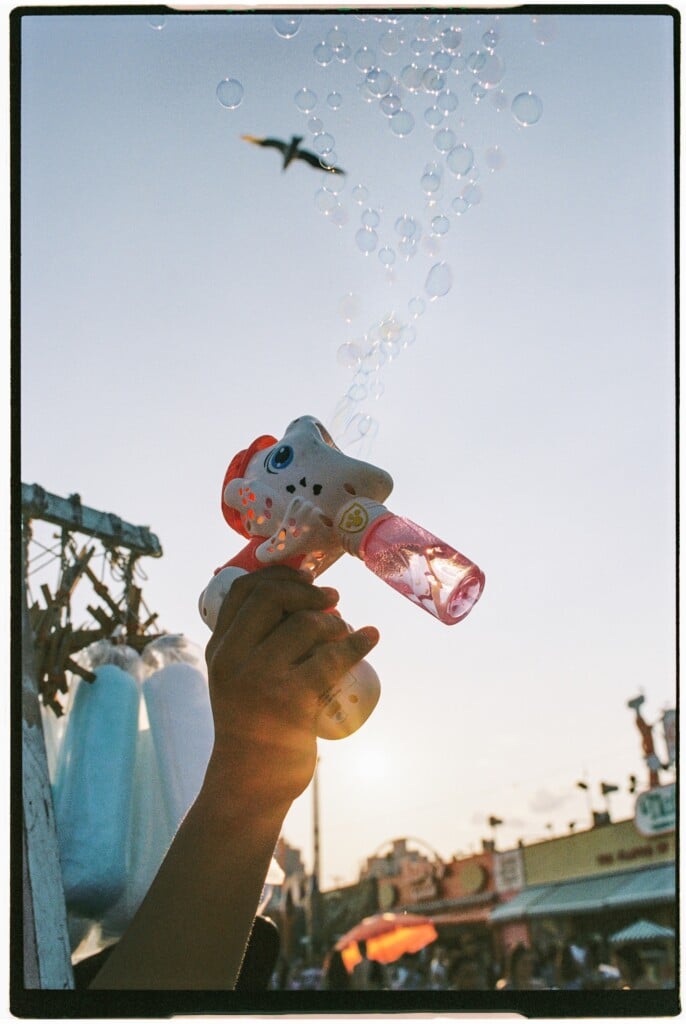
An hour by subway from Manhattan, Coney Island remains a place with an identity entirely its own, one of the few still able to resist the forces slowly transforming New York. Artists first left the Lower East Side, then Williamsburg, then Bushwick. Rents rise, and neighborhoods end up resembling one another, with the same hipster coffee shops, the same stores, the same aesthetic that can be found, identical, in any major city in the world.
Coney Island does not seem to mind.
It is still a place for freaks, in the best sense of the word. People come here to spend the day at the beach, have a drink, meet their friends, show off their style, their personality, or simply show nothing at all.
Perhaps this is exactly what fascinates Vincent Pflieger and what he is trying to capture in his shots, a place where New York still looks like New York.