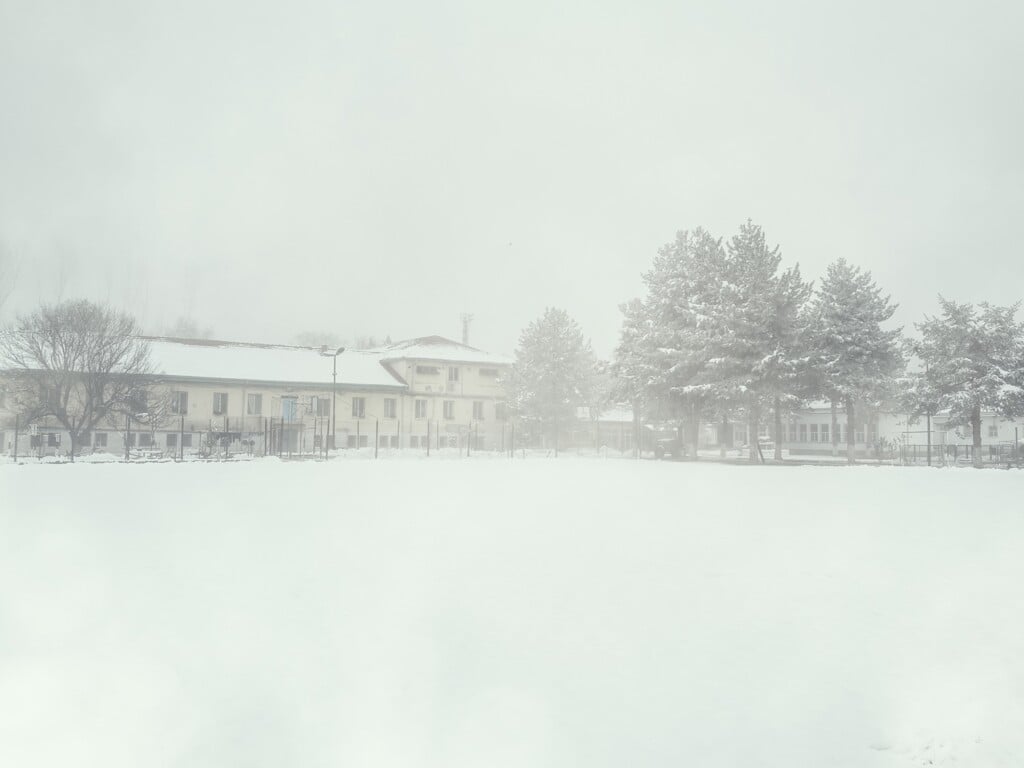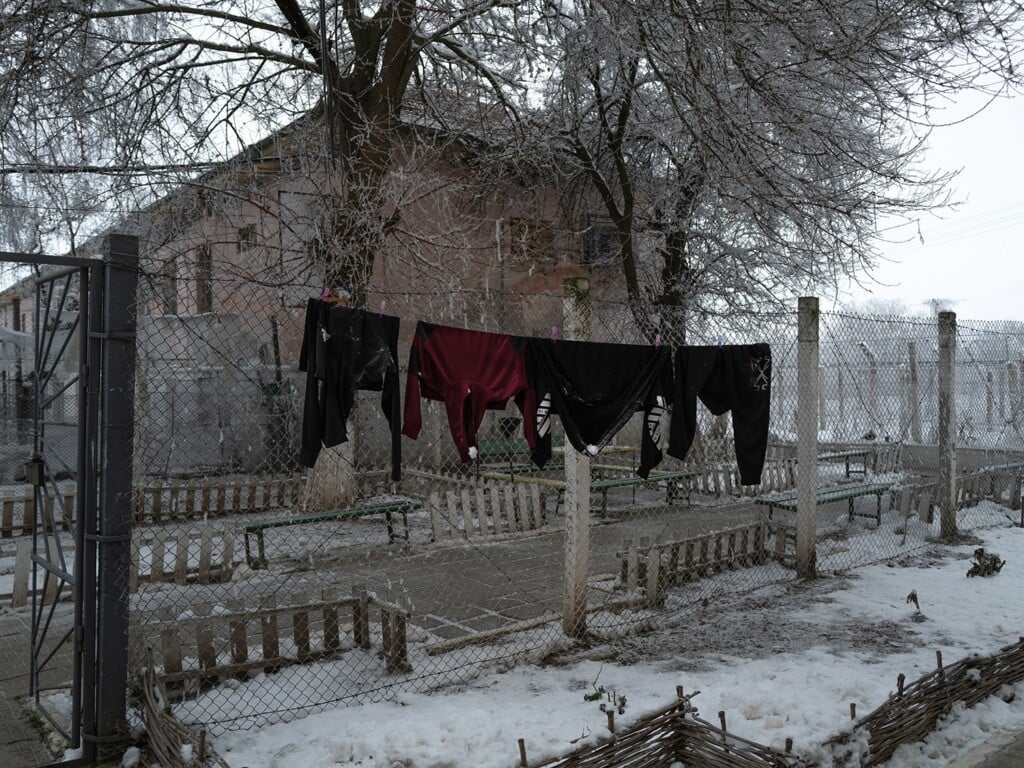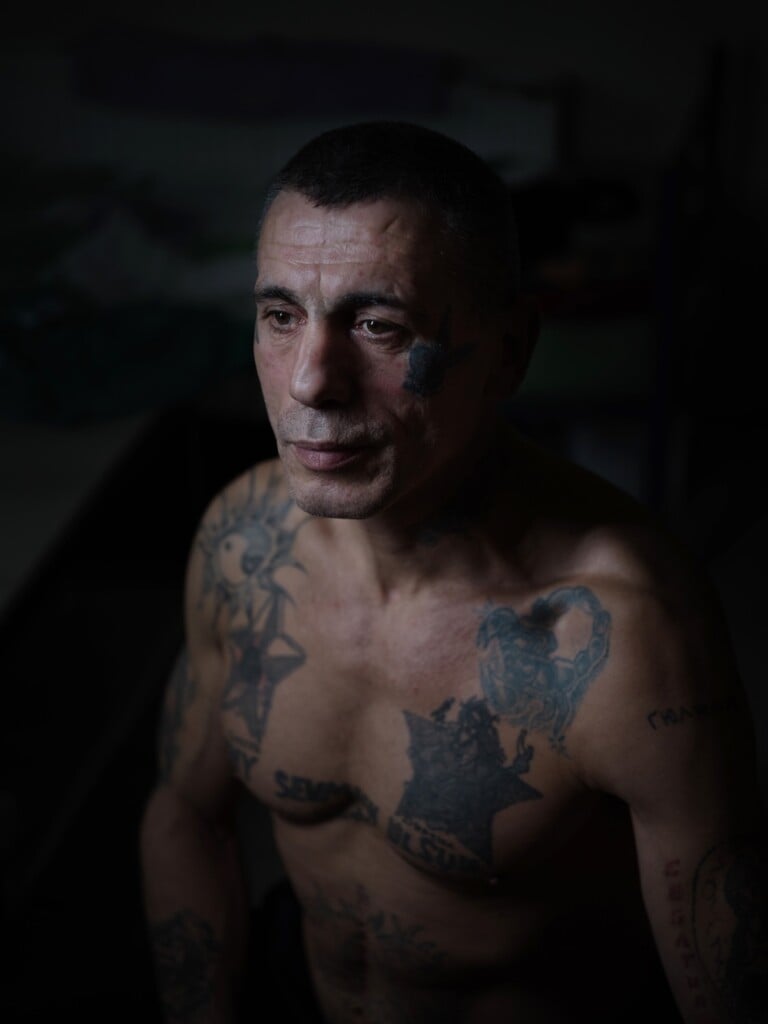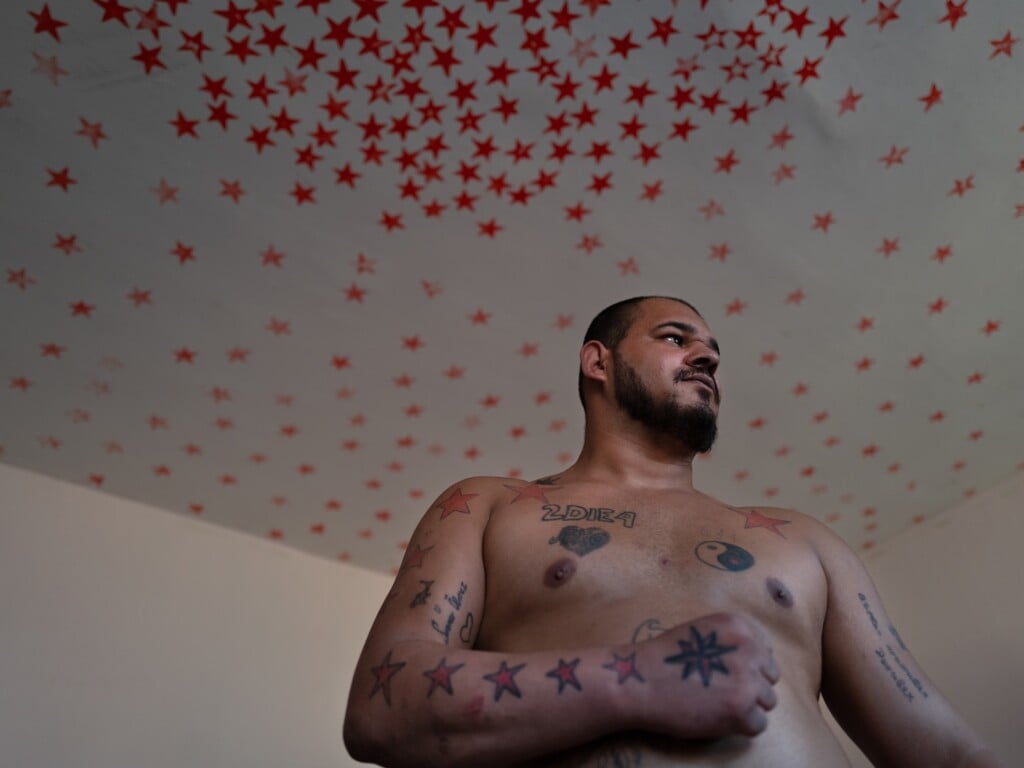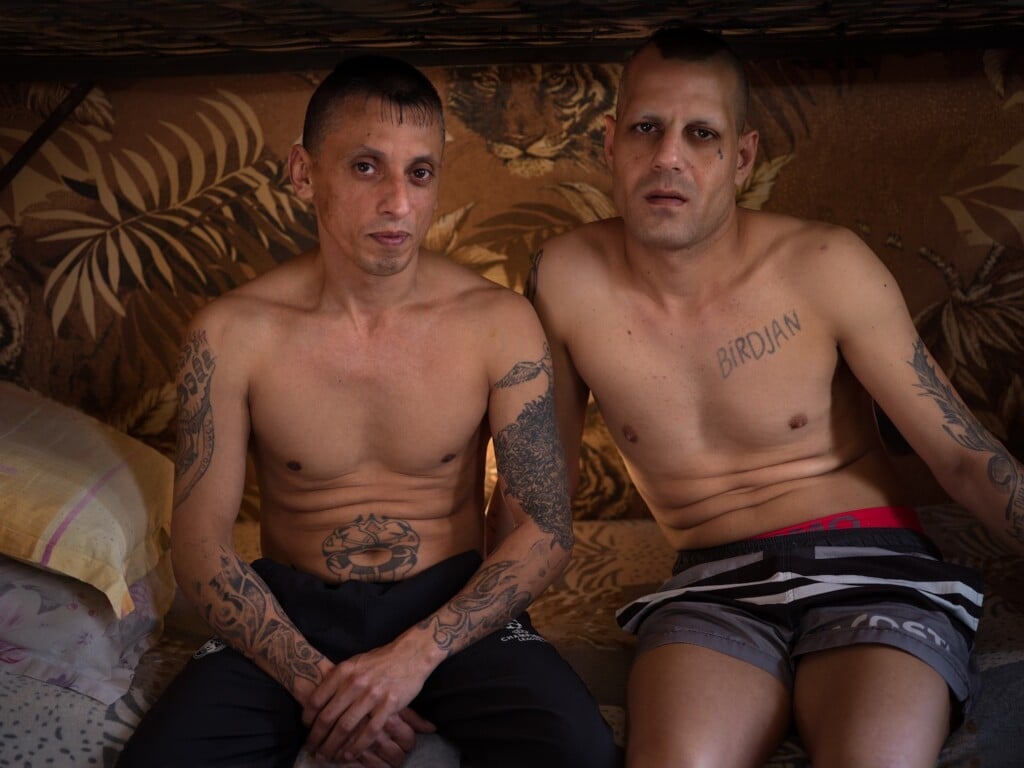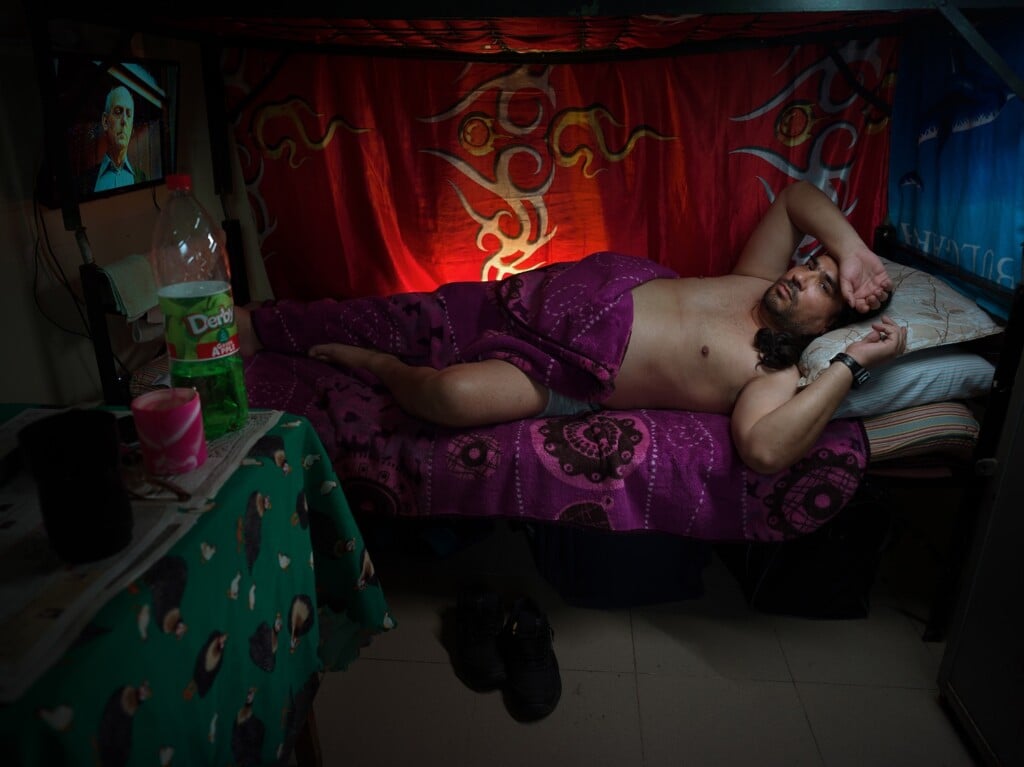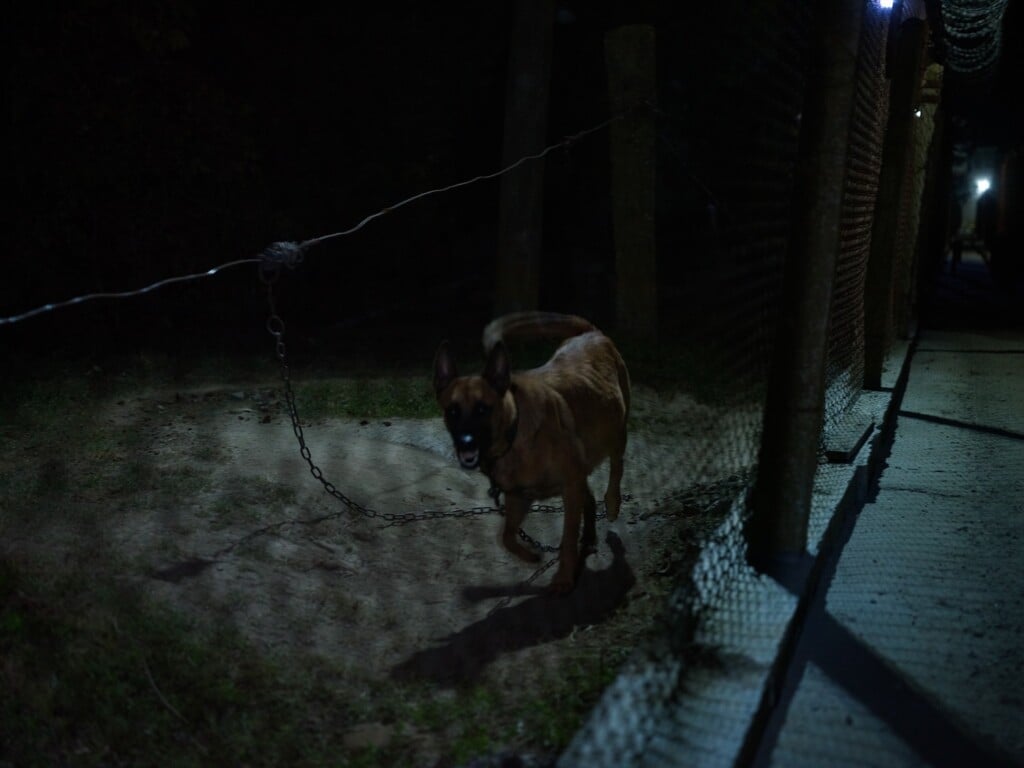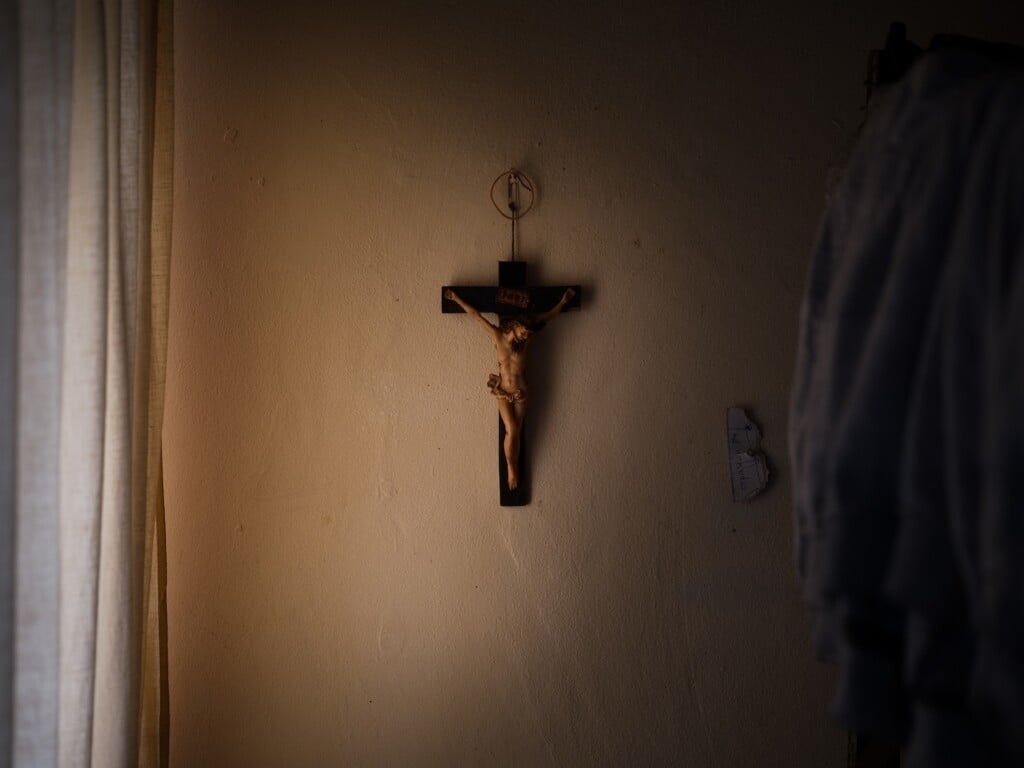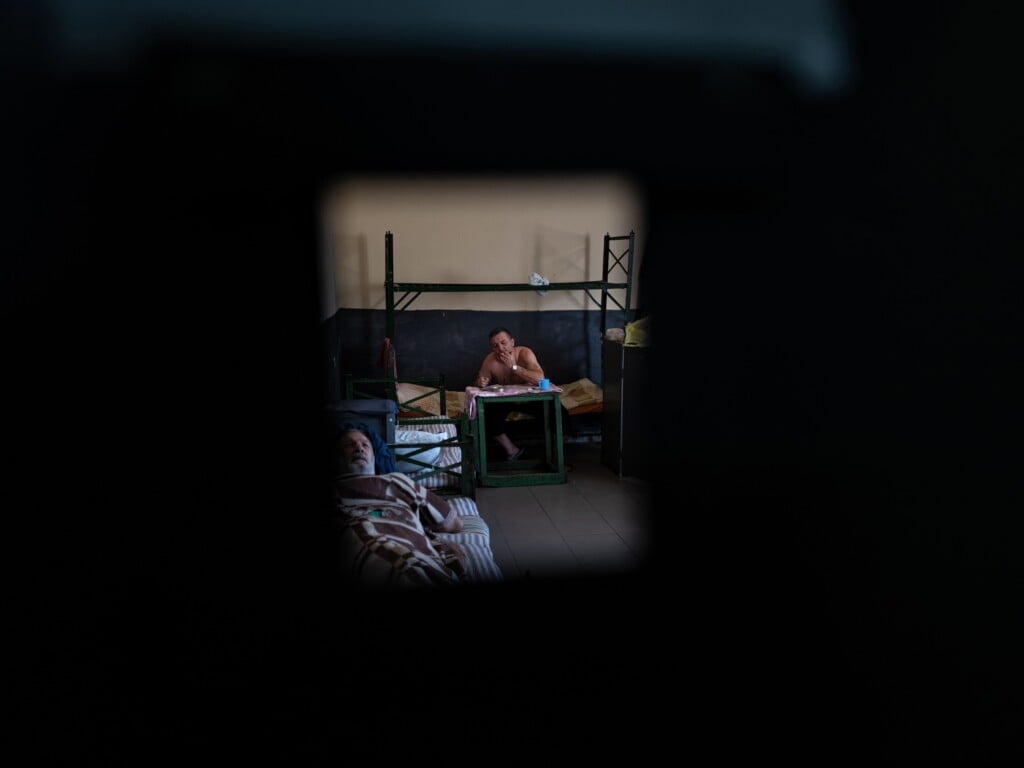
Vladimir Karamazov spent an entire year photographing the inside of Bulgaria’s most heavily guarded prison, the one in Belene, built on an island along the border with Romania precisely to make escape almost impossible. The result is “For the Grace of God“, his first photobook, released by Gost Books on 1 August 2026, and perhaps the most ambitious project ever carried out by a Bulgarian photographer on a subject like detention.
Karamazov, born in Sofia in 1979, does not come to photography as just any self-taught author, because for twenty-five years he was an actor with the company of the Bulgarian National Theatre “Ivan Vazov”, with a career spanning cinema, theatre and television. Since 2019 he has chosen the camera as a new language, carrying with him an almost directorial attitude in the way he looks for stories, atmospheres and people with dramatic lives behind them. He is the first photographer to have been granted access to Belene for a project of this kind, and he used it not to chase the easily viral shot, but to immerse himself in a work built on listening and stretched over months.
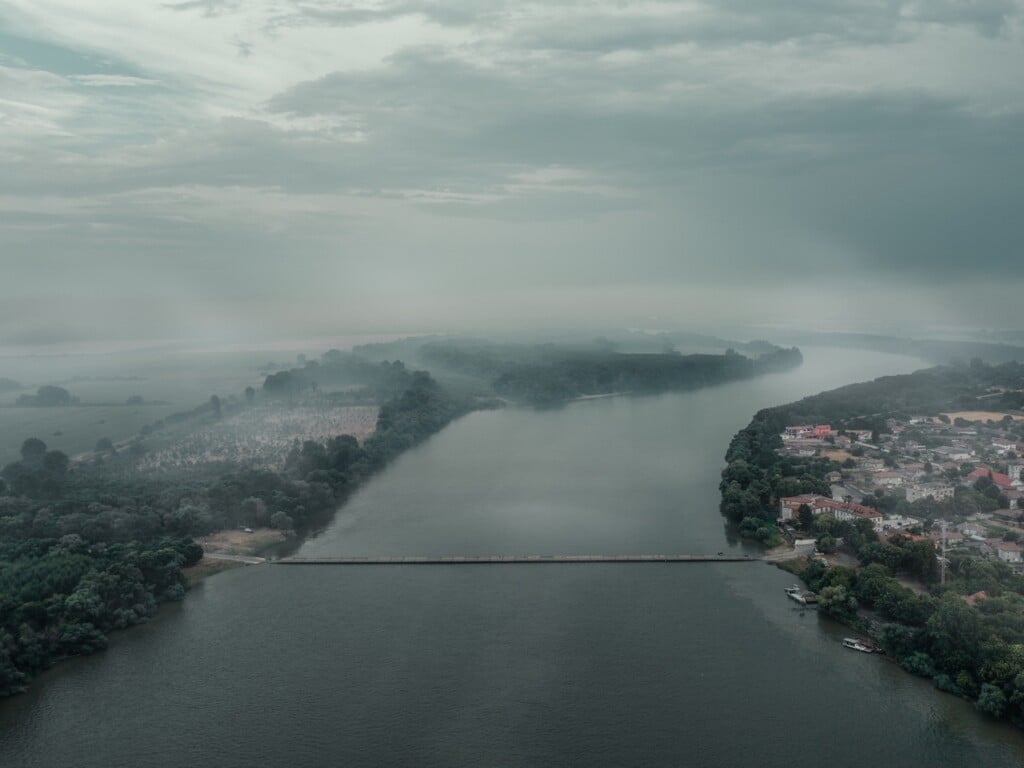
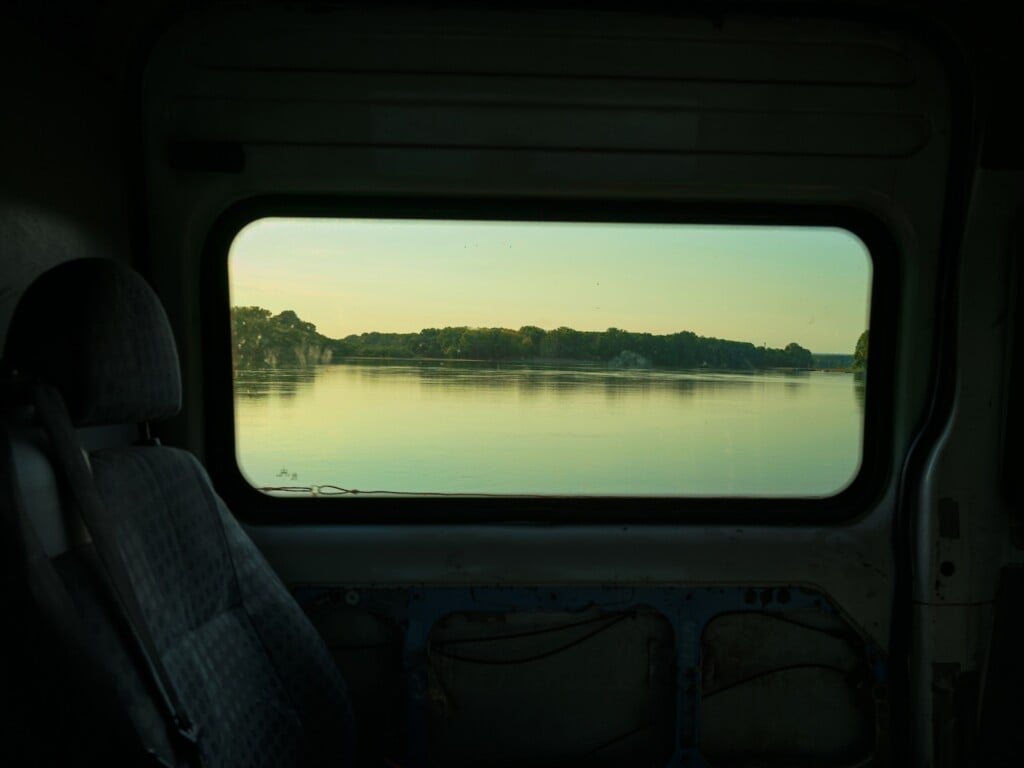
The history of the place weighs as much as the images. Belene was founded in 1961 by a decree of the Bulgarian Council of Ministers as a “detention camp” initially intended for political prisoners; today it is the prison with the highest number of inmates serving life sentences for murder in the whole country. The photographs taken between October 2023 and November 2024 first give back the shell made of barbed wire, walls, the frost settling along the edges of the island. Then they enter the cells, among portraits of men convicted for very different offences, from murder to theft, from domestic violence to gambling.
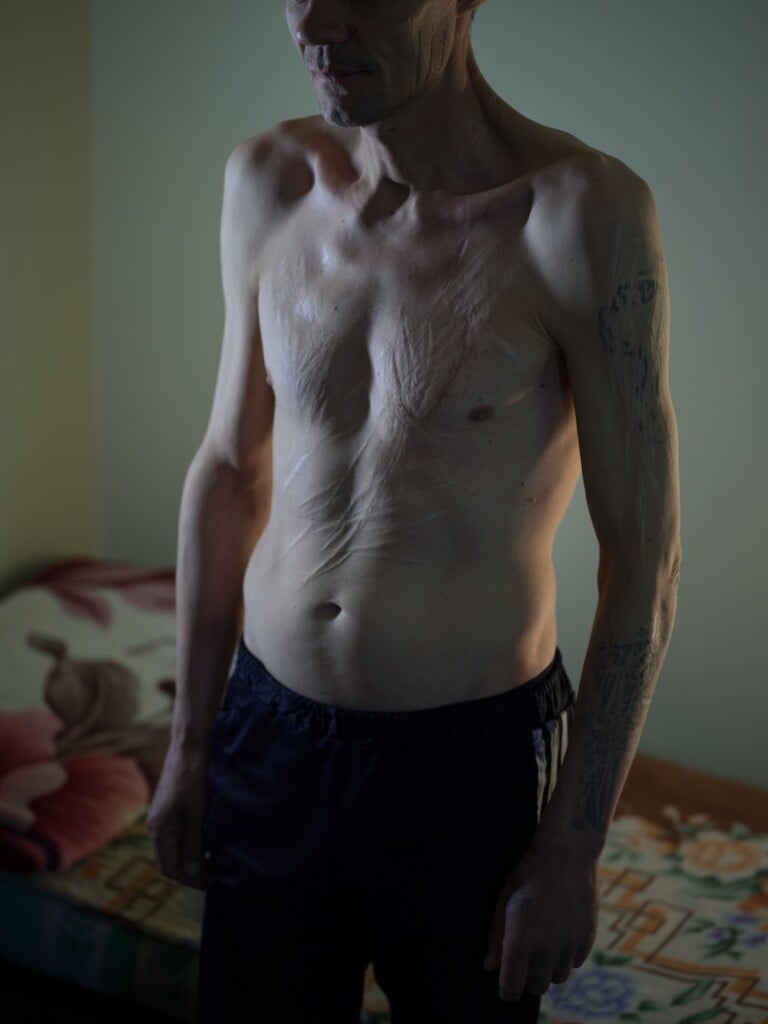
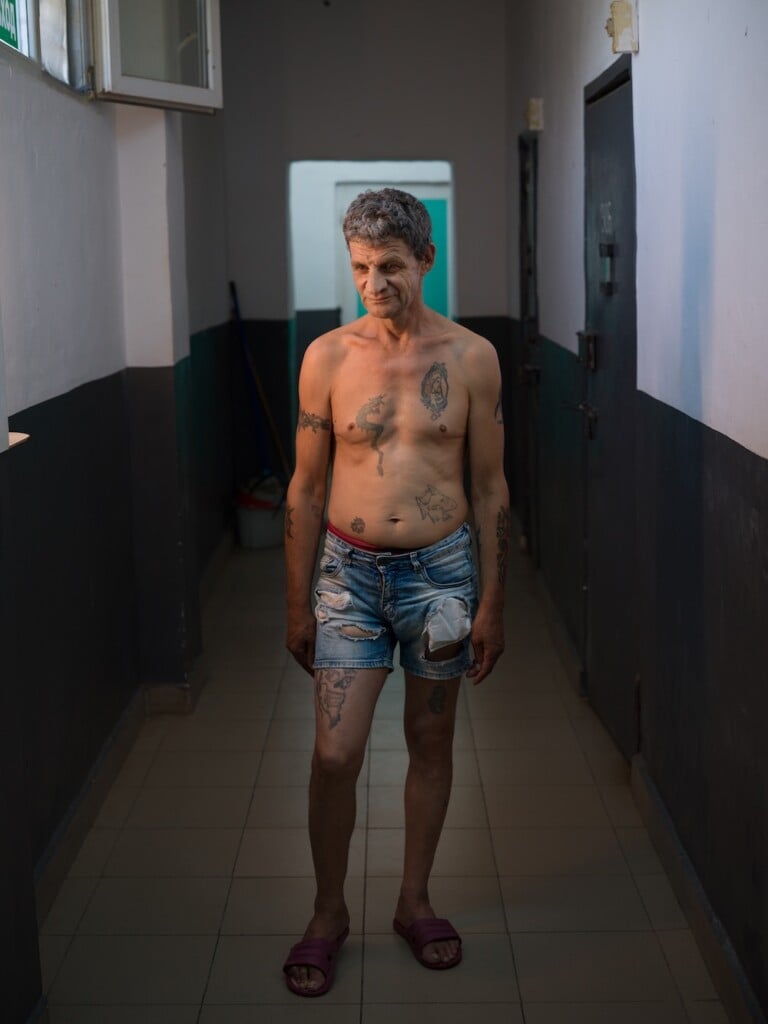
The book also gathers drawings, letters, poems and written testimonies produced by the inmates themselves during their conversations with Vladimir Karamazov, material that turns the project into a choral archive rather than a simple reportage.
Karamazov himself describes the aim of the project very clearly. Bulgarian citizens know nothing about prisons and have no idea what the deprivation of freedom means, and this is why he wanted to open that door and tell how, very often, a crime has its roots in childhood, and how society as a whole carries part of the responsibility for its own inertia.