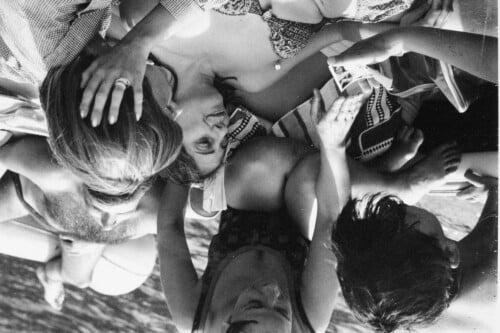
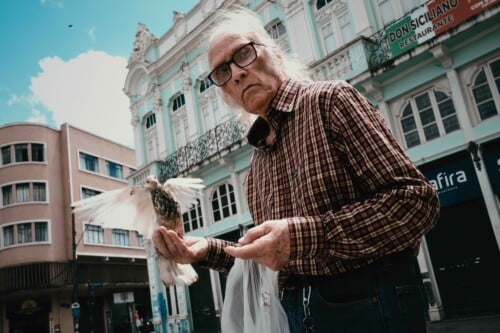
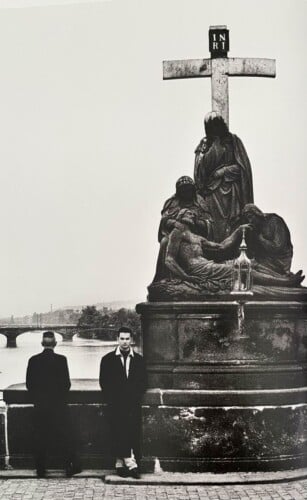
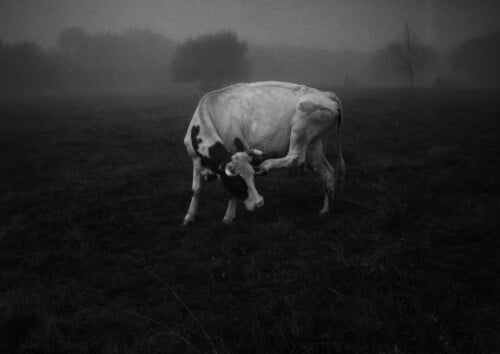
In The Timeless Story of Moormerland, a photographic project by the French photographers Elsa Parra and Johanna Benaïnous — the duo Elsa & Johanna — we are in northern Germany, but also in a distinctly mental elsewhere: orderly houses, heavy curtains, layered atmospheres. Each image seems to have come from a family album found in the attic, with that patina of time that blurs dates and makes everything feel both familiar and uncanny.
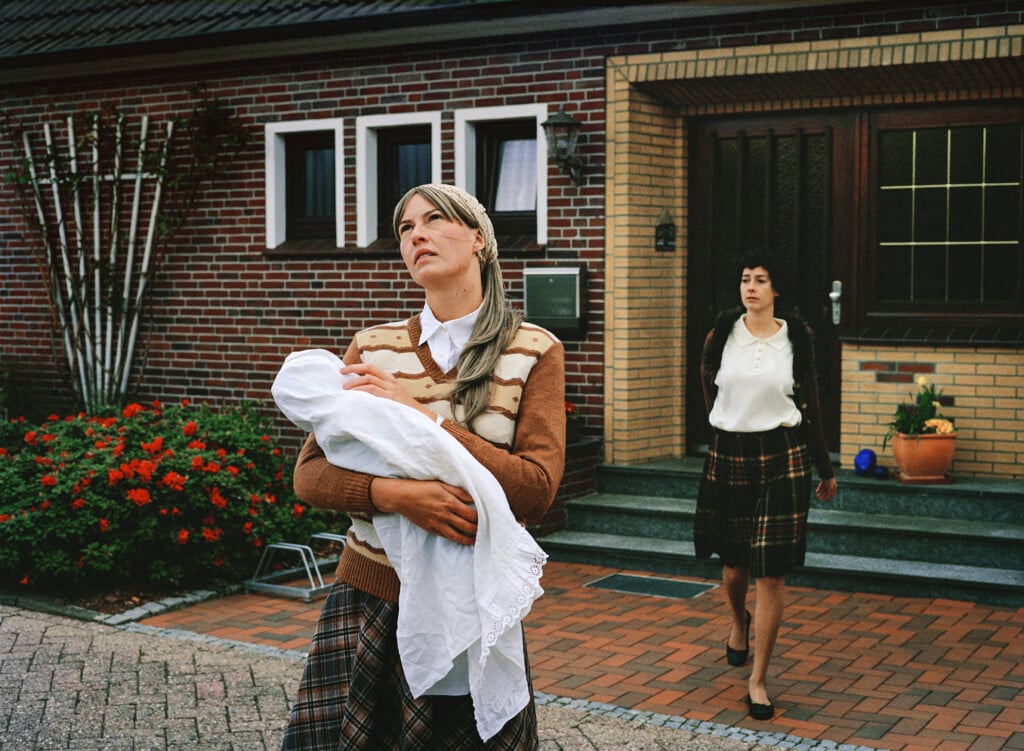
The series is a fiction of self-portraits in which the characters are never truly explained. Housewives, solitary teenagers, elusive neighbors, mute twins: figures suspended in an undefined era, caught in a moment just before or after something. The staging is meticulous, yet there is always a detail that cracks the perfection: a restrained gesture, a curtain that moves, a shadow that doesn’t add up. It’s there that reality fractures and the story takes shape.

Elsa & Johanna’s aesthetic draws on cinema, painting, and vernacular photography. Soft palettes, bourgeois interiors, frames that feel like freeze-frames: everything contributes to a visual continuum in which identity dissolves into a performative register. There is no linear plot, but a constellation of scenes read by resonance, like fragments of other people’s memories in which we end up recognizing ourselves.

Beneath the dreamlike surface, a social counterpoint emerges: the unchanging theater of domestic life, expected roles, the repetition of the nuclear family as a recurring set. The characters seem trapped in a gentle loop, a routine that doesn’t explode but wears you down, in the manner of an interior Truman Show. The image doesn’t shout; it insinuates—and precisely for that reason, it creates friction.
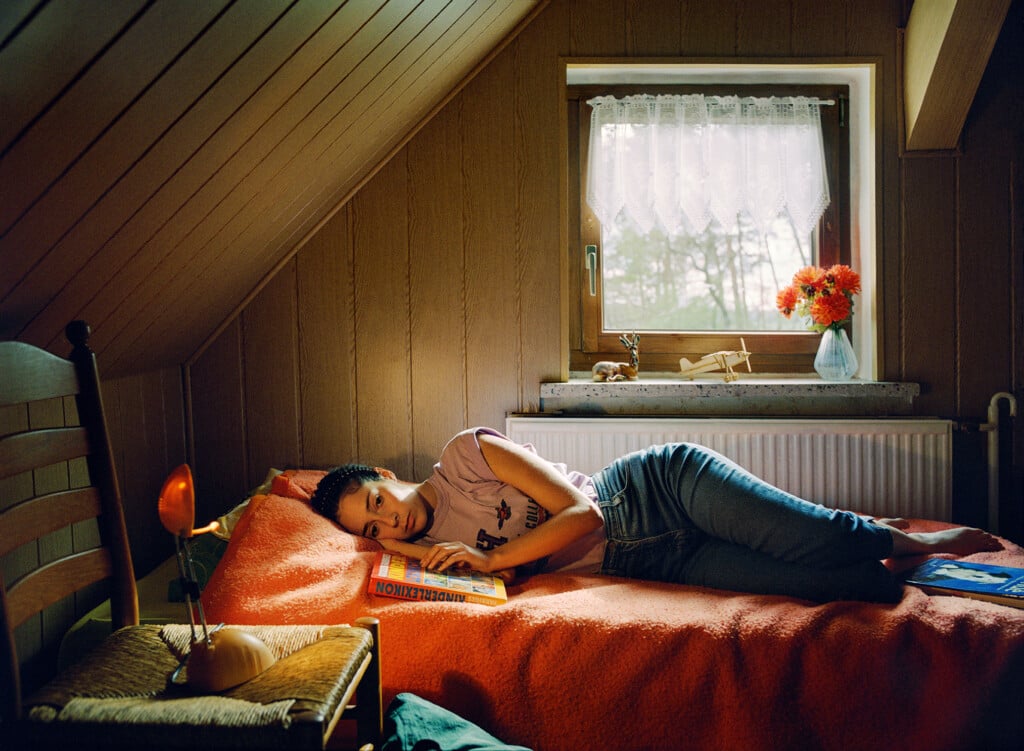
The strength of Moormerland lies in being “timeless” without being nostalgic. Each shot is a different entryway, an invitation to project personal memories and ghosts. There is no caption that closes things off, no ending that reassures: the series presents itself as an open emotional map, where the ordinary becomes uncanny and the everyday, at the very moment it seems to repeat itself, reveals cracks and possibilities.


More than telling the story of a place, The Timeless Story of Moormerland conveys a way of looking: inhabiting images until they speak, letting ambiguity hold beauty and unease together, and allowing each viewer to find their own path within this convincing fiction.
Read also: The tension in Matt Henry’s shots
Ú