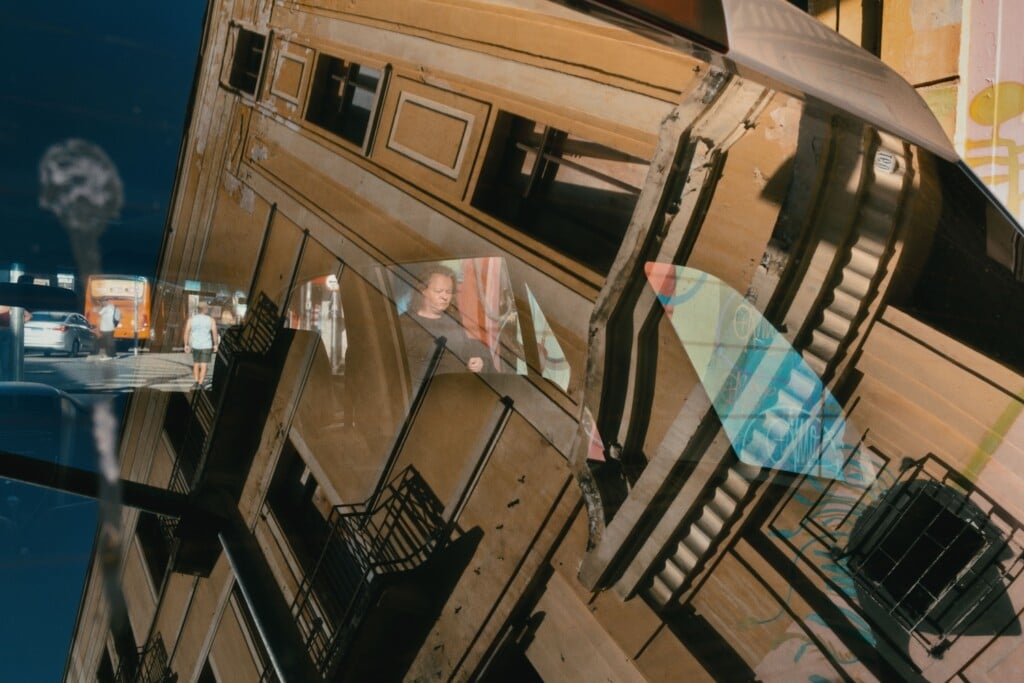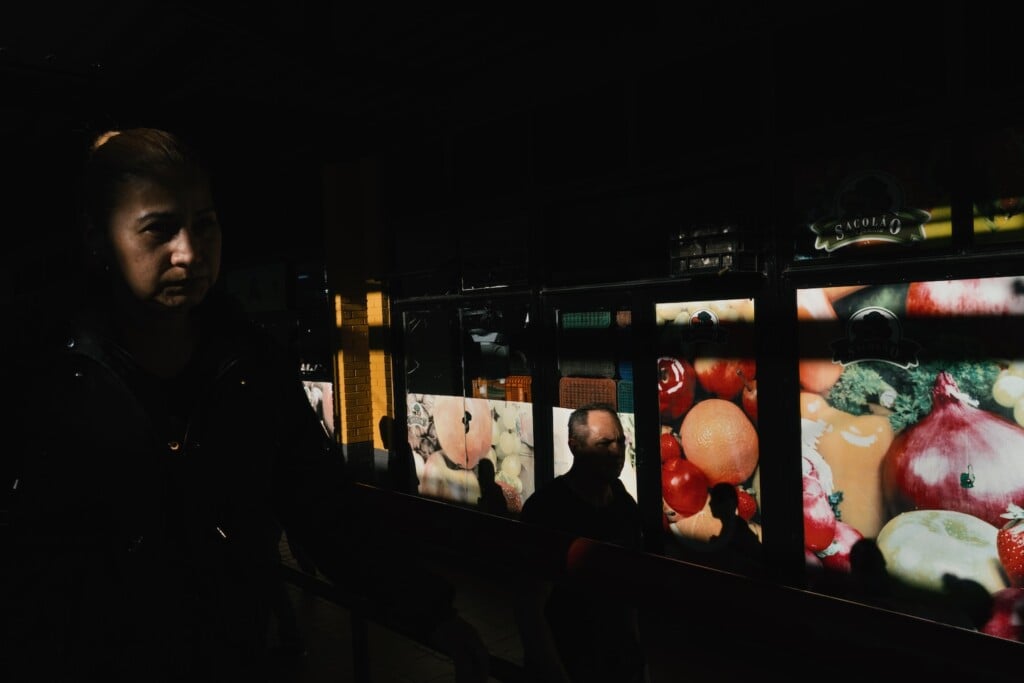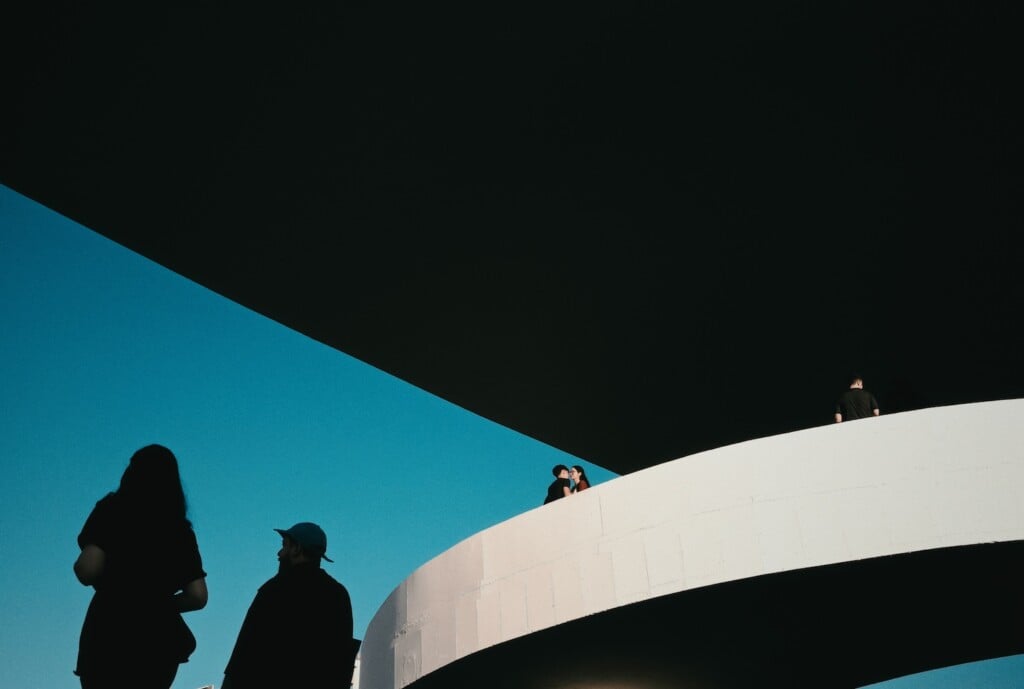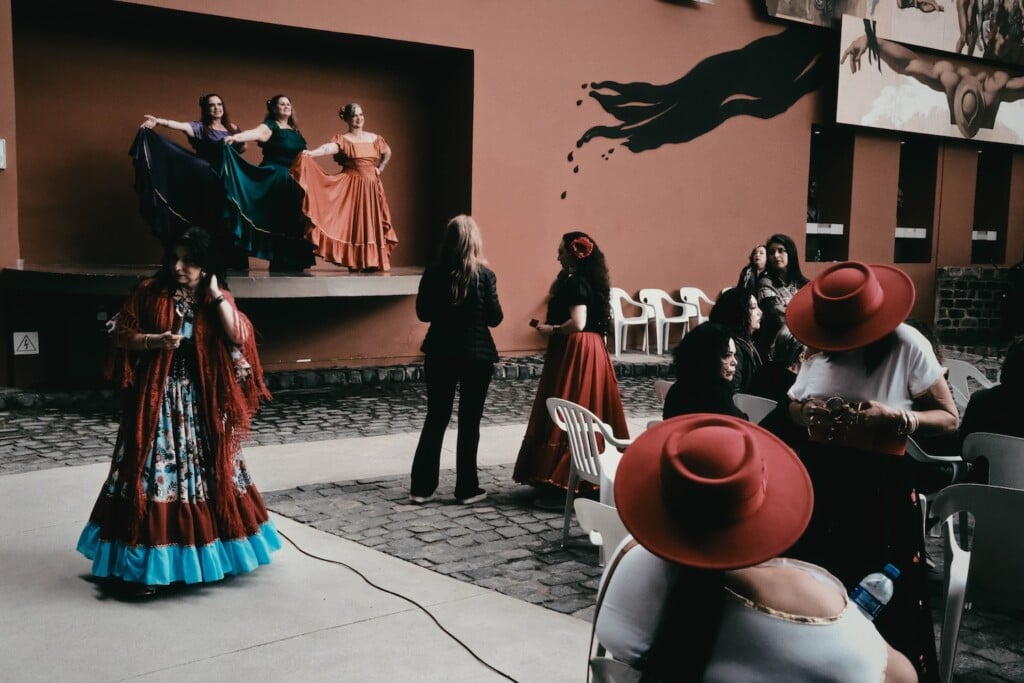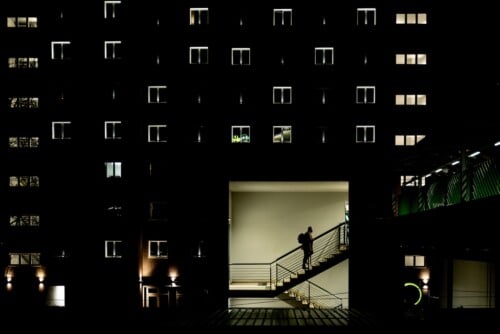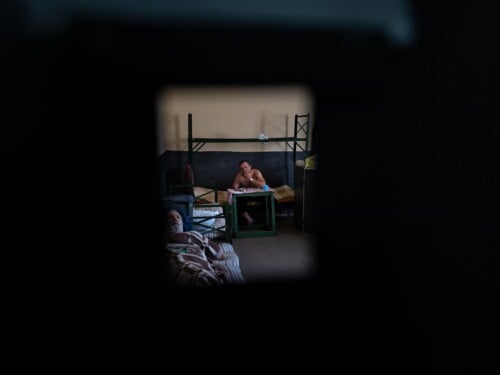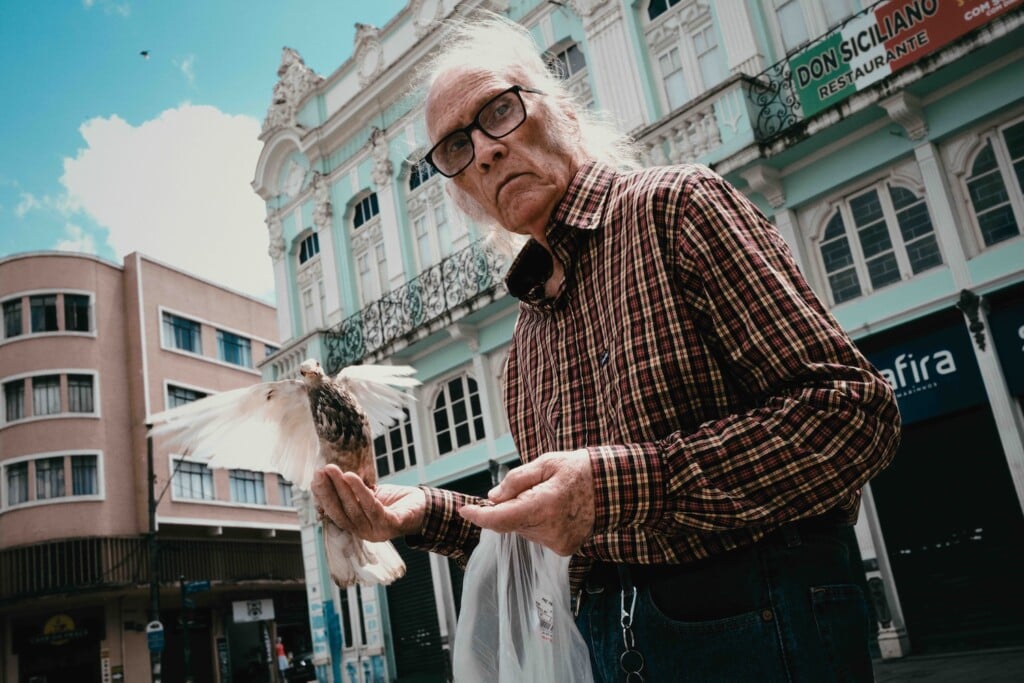
For Bruno Brandão, a city can only be discovered on foot. A Brazilian photographer based in Curitiba, in the south of the country, he has made street photography a way of being in the world rather than a genre to practice. He does not try to describe a place literally, but to uncover the unexpected relationships that spark between people, light, color, architecture and everyday life.
At the heart of his gaze is late afternoon light. Since childhood, that hour has left him with a feeling that is hard to define, somewhere between familiarity, nostalgia and curiosity. As the sun sinks, shadows lengthen, colors grow more intense and even the most ordinary places become something special. It comes as no surprise that his urban photography revolves around backlighting, reflections and silhouettes, as in the series Contraluz Urbana.
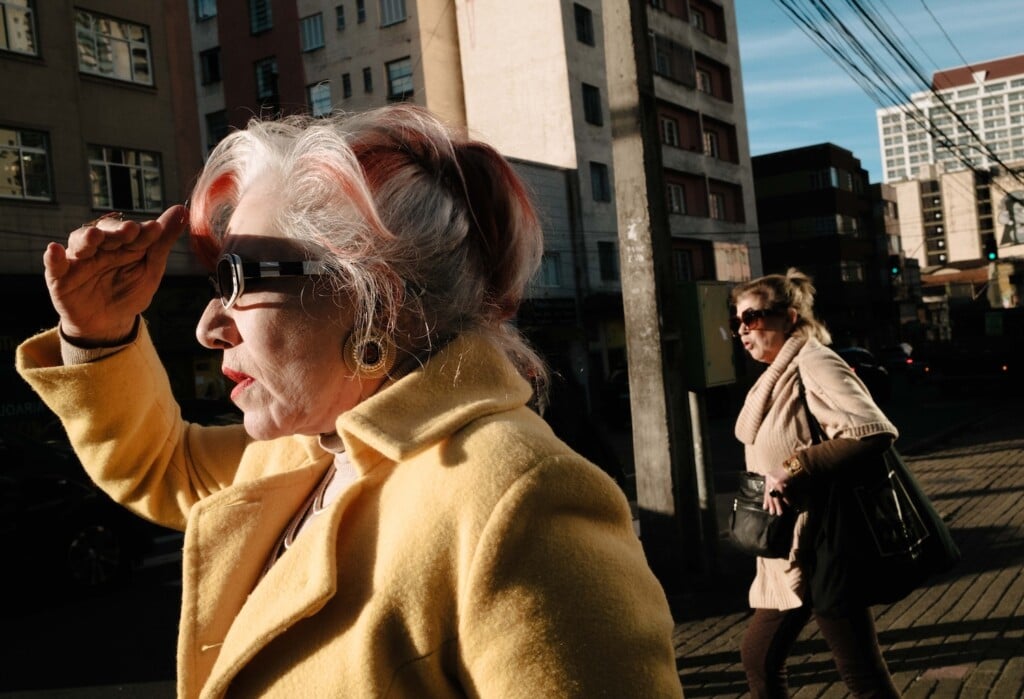
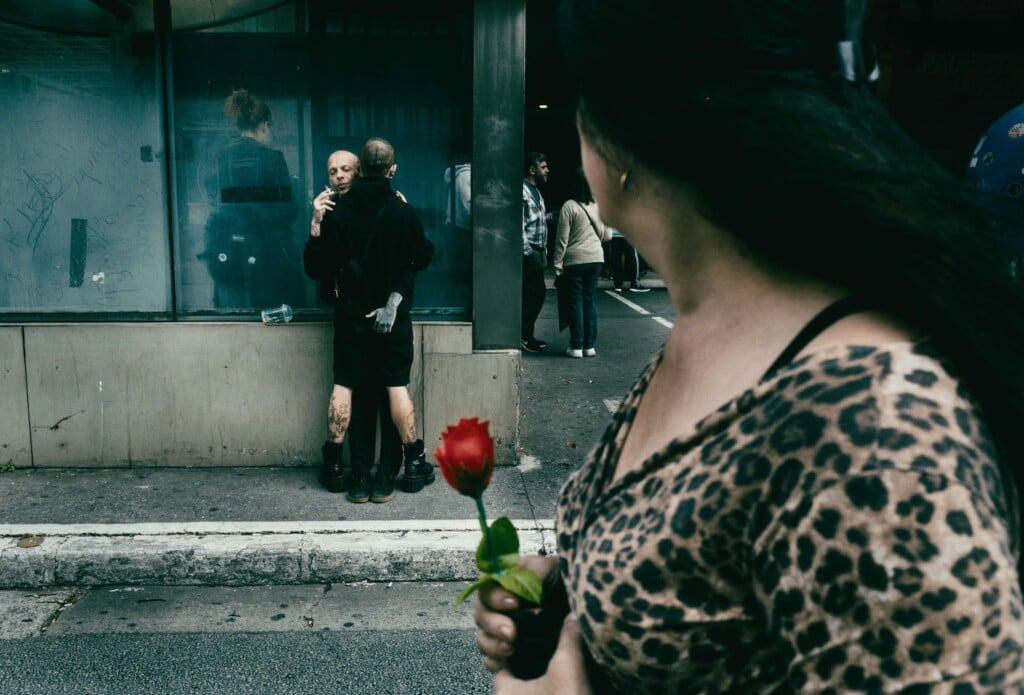
His way of seeing has also been shaped by other photographers. Alex Webb, discovered through the book The Suffering of Light, showed him the possibility of layering an image and letting several small stories coexist within the same frame. Then there is Gustavo Minas, for his use of light, color and reflections, and his friend Melvin Quaresma, with his poetic, fluid gaze on everyday scenes.
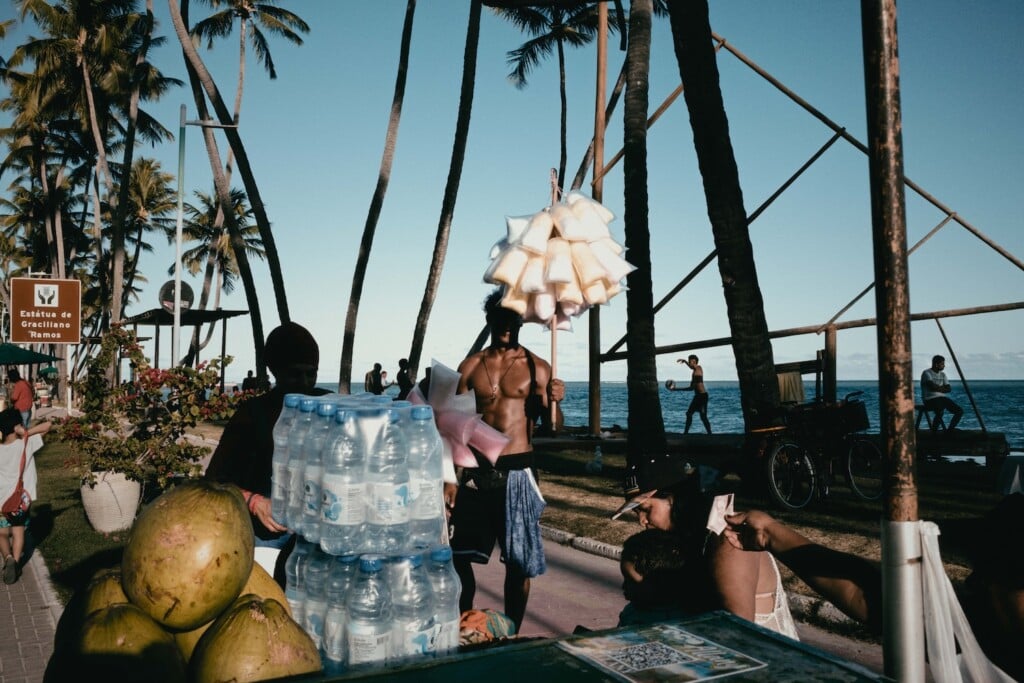
A shot taken on the Maceió waterfront marks the turning point. At the center, a cotton candy vendor among the palm trees; around him, a sculpture in the background, a man sitting, passersby, a boy with a ball and, in the foreground, coconuts and bottles of water. Bruno Brandão stays there, shifts position, looks for the spot where everything can coexist in a single image. From then on he stops isolating a single subject and begins to look for the relationships between planes, gestures and moments, situations that cannot be controlled and that may never happen in exactly the same way again.
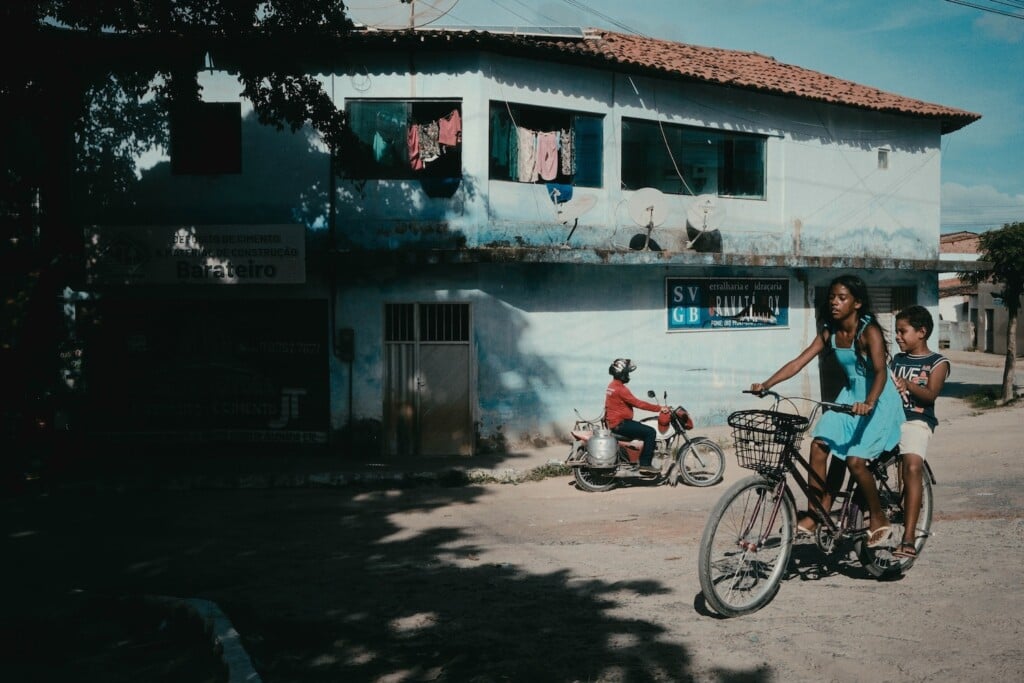
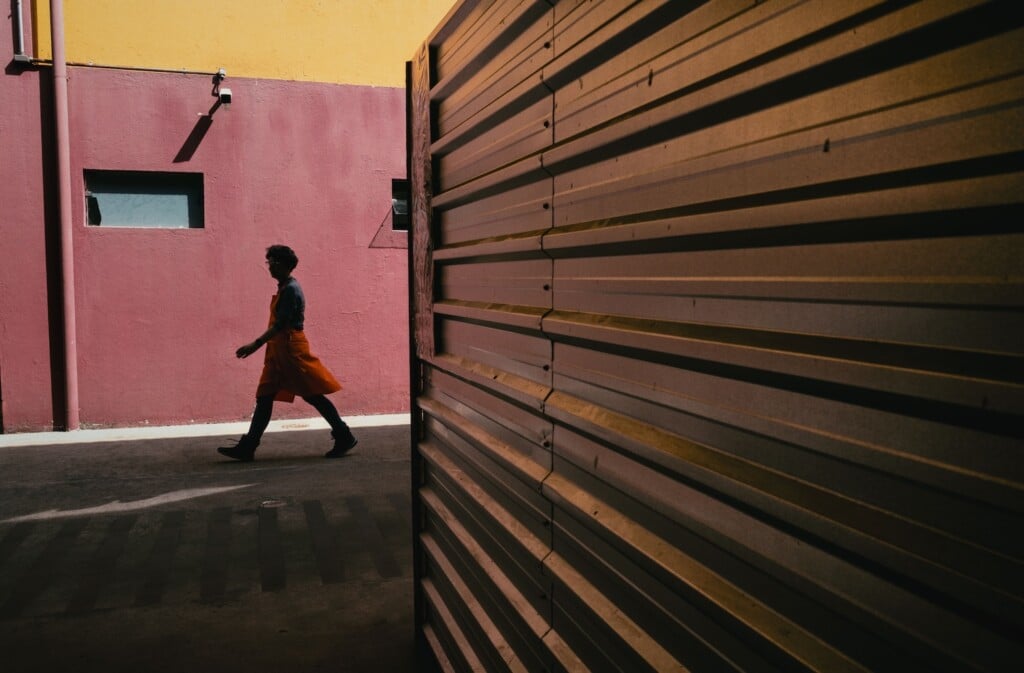
It is the same gaze that accompanies him across the country. Among his ongoing projects is photographing all 27 Brazilian state capitals, gradually building a personal portrait of Brazil through the streets, people and character of each place. Less a documentary archive than a way of understanding how each city reveals itself in everyday life, and how certain gestures echo across very distant contexts.
Brandão’s photographs ultimately live halfway between what he finds and what he carries within.