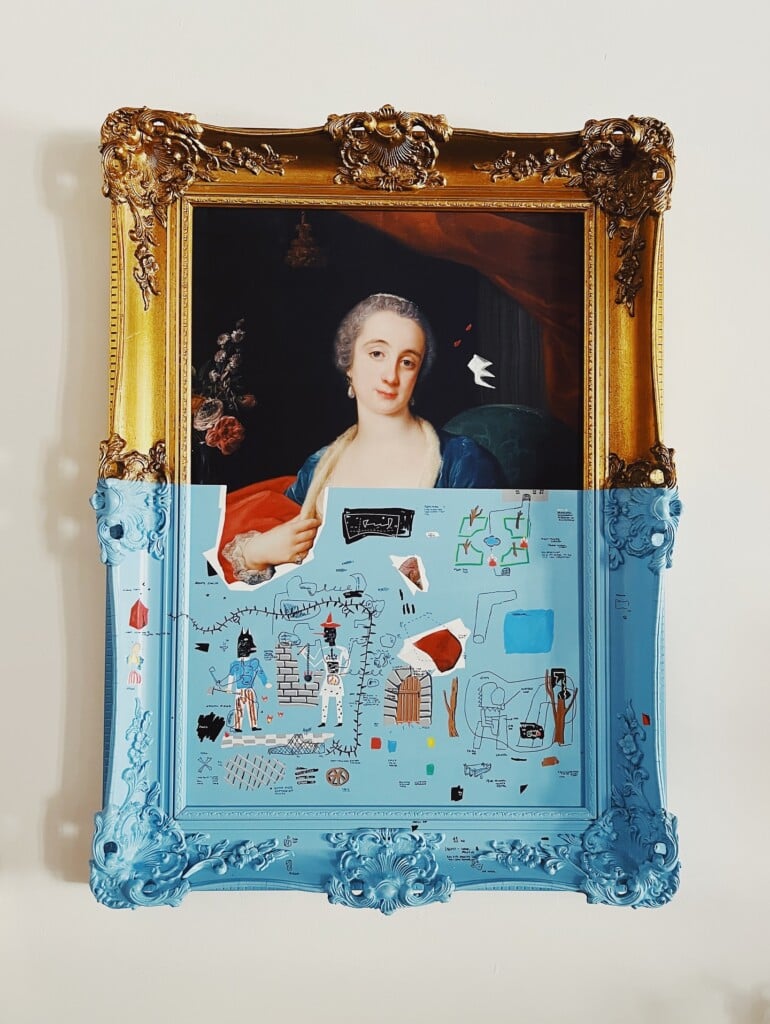
The canvases of Eser Gündüz do not simply represent something, but function as complex structures, almost like mental models of possible worlds. His path begins in architecture and then expands into a pictorial practice that retains a strong need to design space.
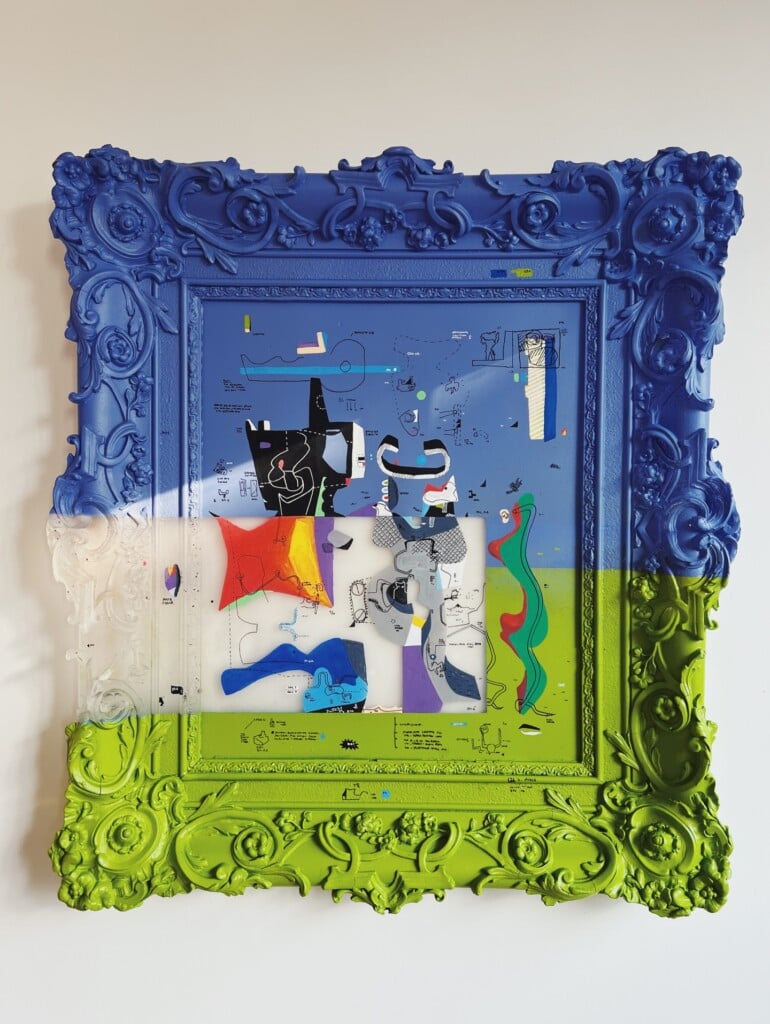
His work moves within a constant tension toward utopia: not an idealized and perfect one, but a multiplicity of possible scenarios that take shape through imaginary architectural structures, directly on the canvas. These constructions follow purely emotional logics.
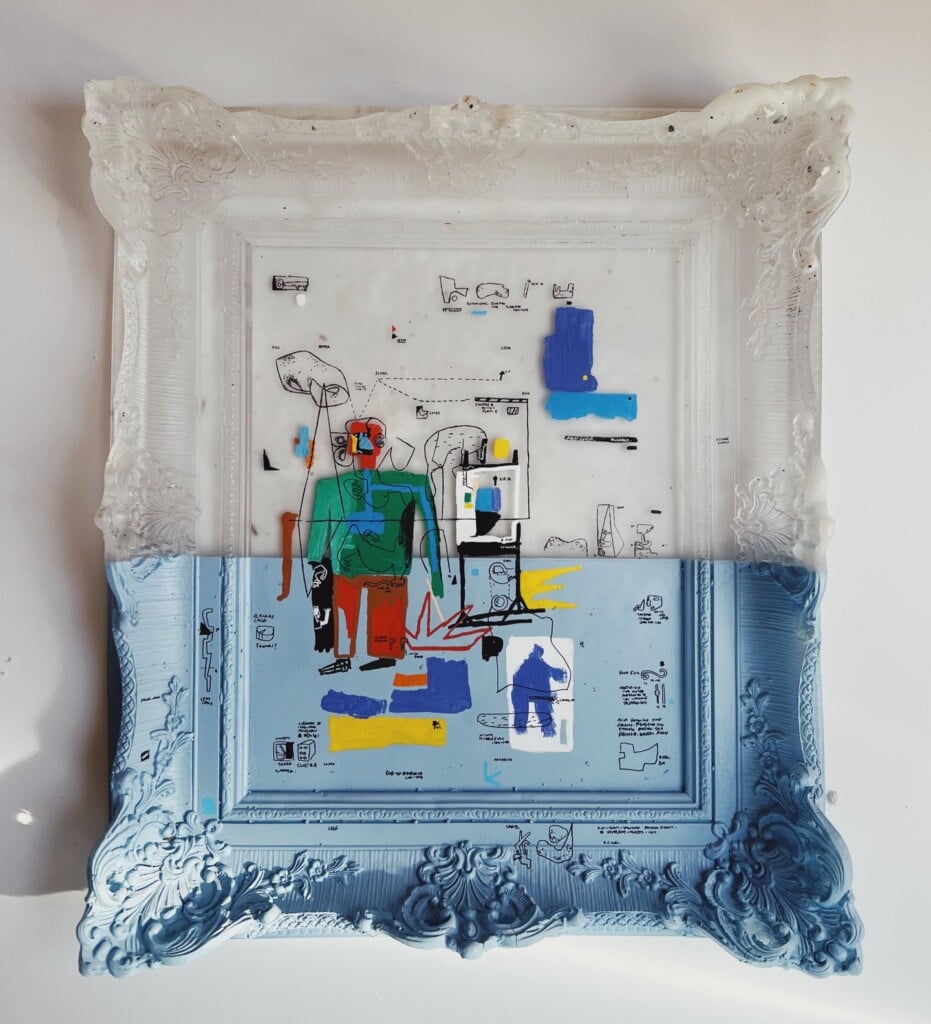
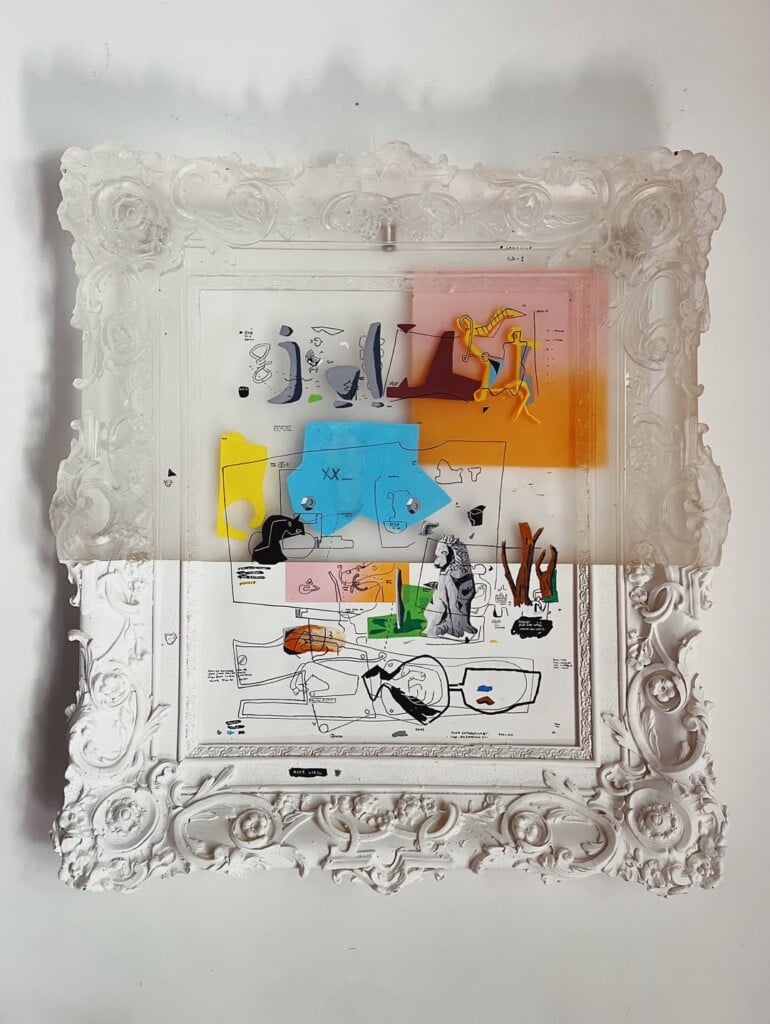
In his paintings, Gündüz combines painterly gesture with almost technical precision: fields of intense color coexist with minute marks reminiscent of scientific diagrams, manuals, or design schemes. This dual register creates a visual short circuit in which the rational order of architecture clashes with the chaotic energy of gesture. The result is a series of totemic, layered compositions, where each element seems part of a larger system that is never fully decipherable.
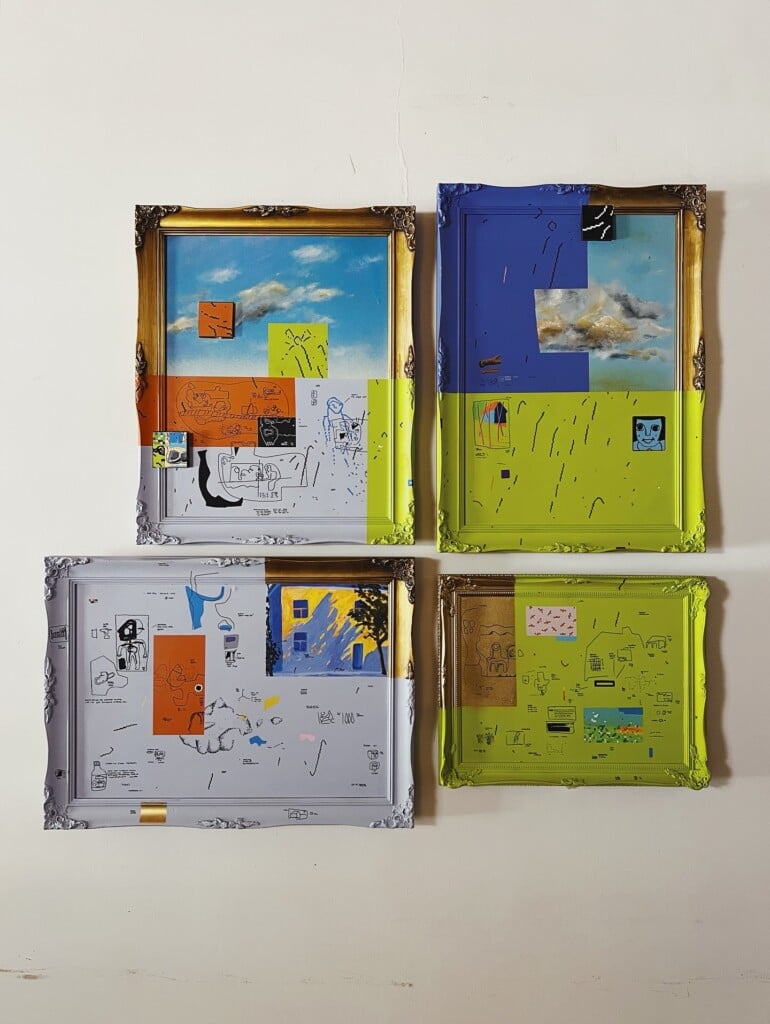
Architecture is not just a formal reference, but the common thread that runs through his artistic practice. His works construct impossible spaces, mental cities, environments that seem suspended between ruin and future project. In this sense, his work aligns with the tradition of expressionist architecture, historically tied to utopian visions and a strong emotional charge, where form becomes a vehicle for inner tensions and collective aspirations.
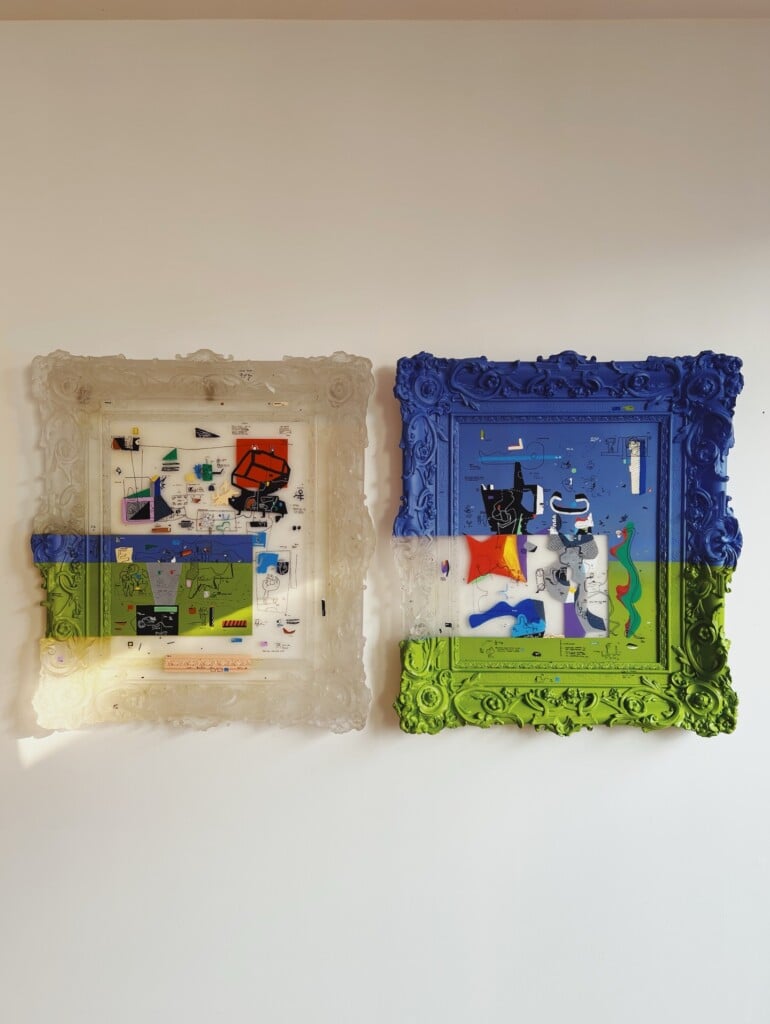
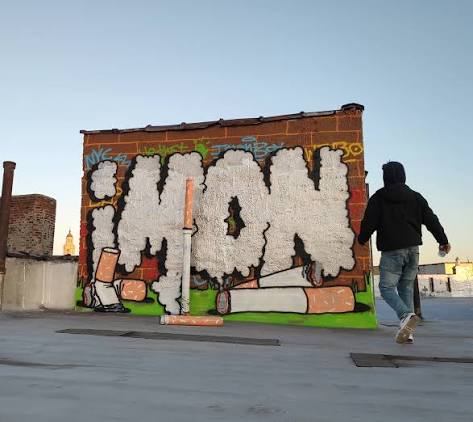
Color plays a central role: it is often pushed to maximum contrast, used as a structuring force rather than a decorative one. The palettes are bright, sometimes aggressive, and help define the precarious balance of the compositions. It is precisely within this balance between control and loss, between design and impulse, that Gündüz’s research takes shape.