Manchester reveals itself through contrasts — between industrial memory and the everyday life of its inhabitants. In the project Between Walls, Francesco Quarato (whom we’ve already featured here) builds a visual diary that moves through the city and its outskirts, from Oldham to Uppermill, capturing a landscape where past and present coexist among red bricks and in the simple gestures of people.
The journey begins from a very specific point of view: the upper deck of the city buses, from which Quarato observes the urban fabric as if from a suspended observatory. From above, the signs of the Victorian era emerge — the canals of Castlefield, the railway bridges, the converted factories — all still shaping the city’s architectural rhythm. Everything seems to move on the border between memory and renewal, as if Manchester never stopped telling its own story.

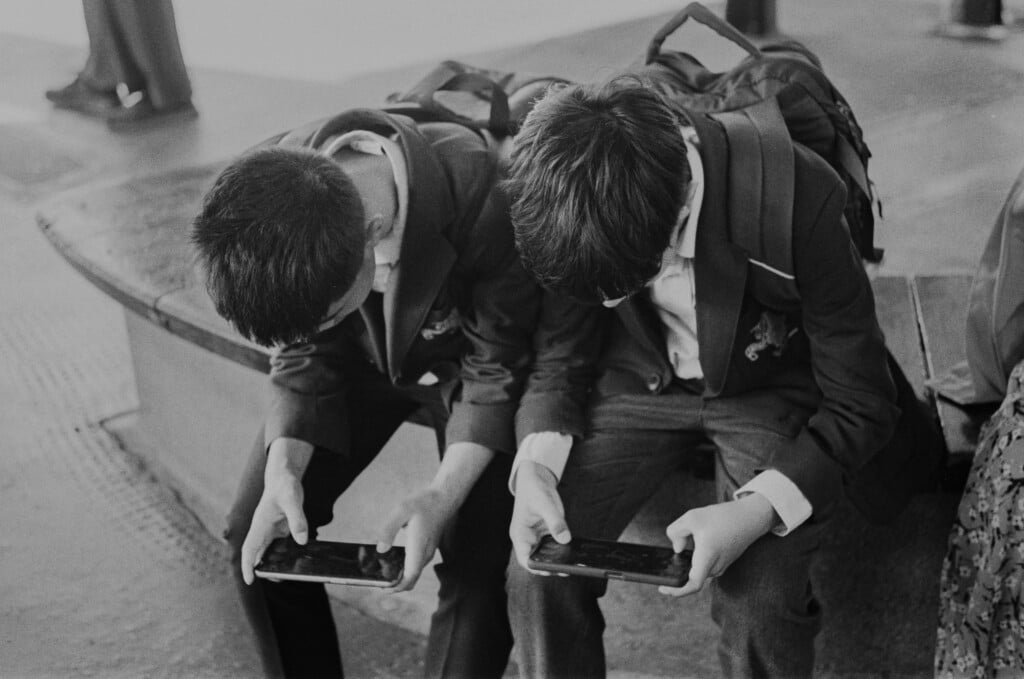
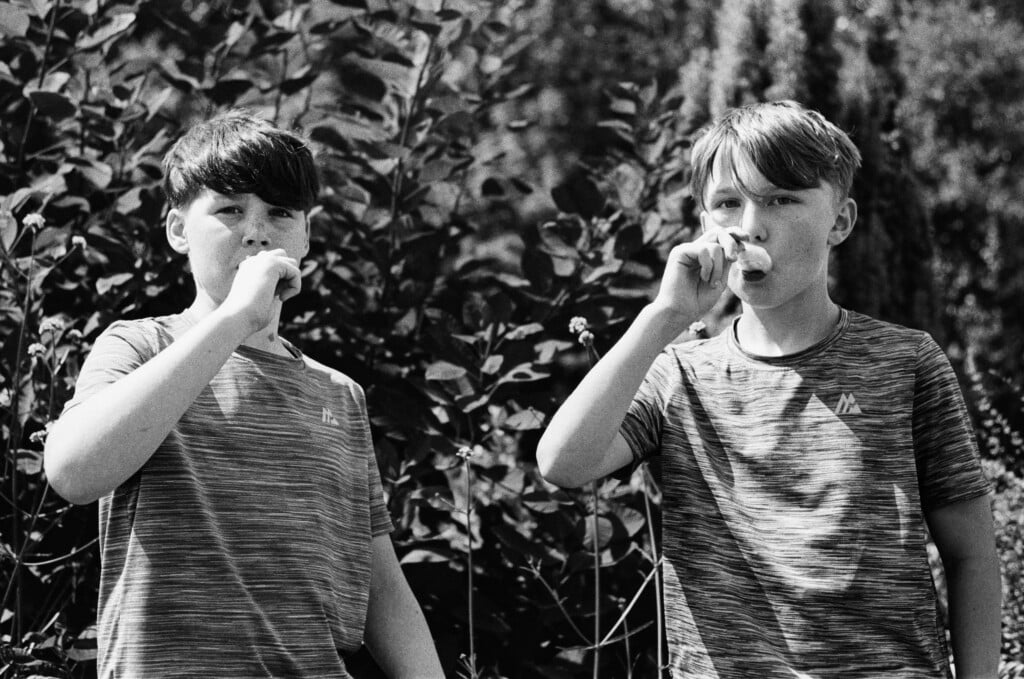
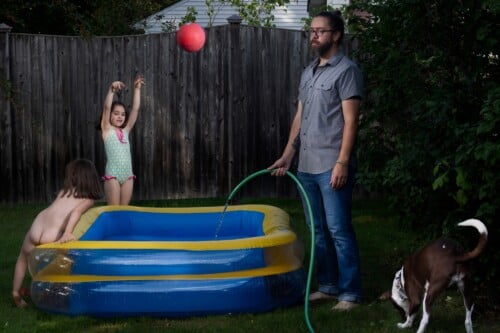
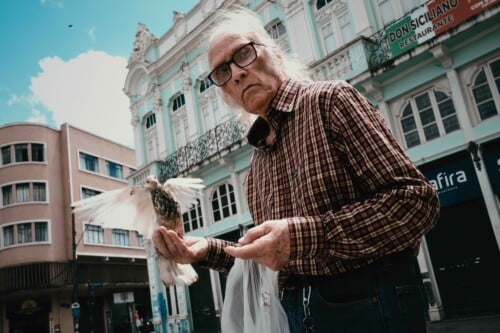
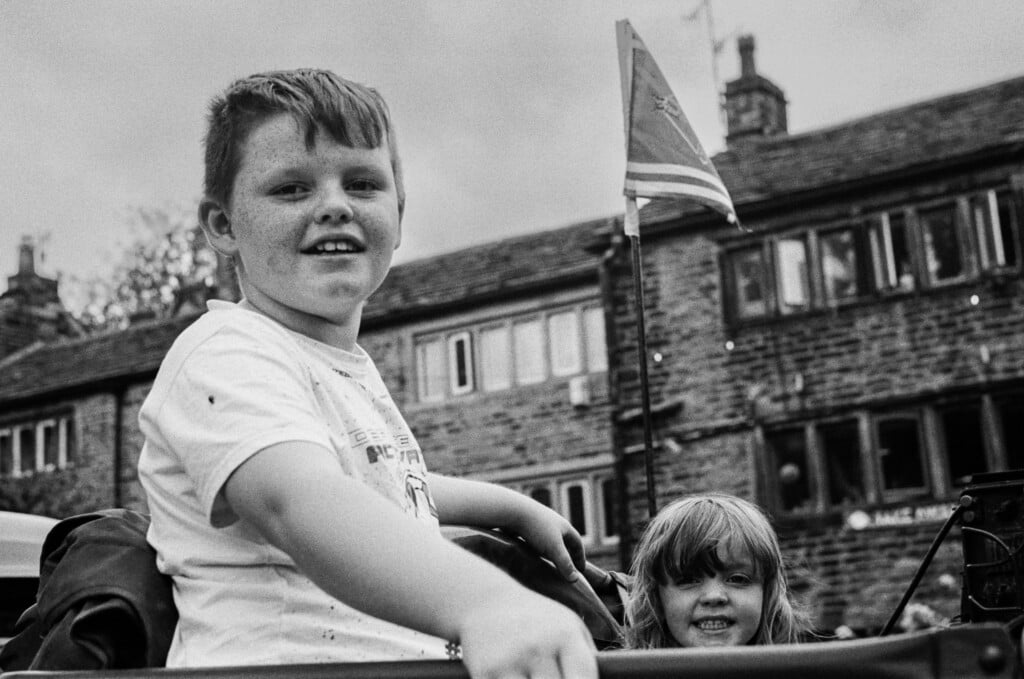
But Between Walls is not only an urban reflection — it’s also an encounter with the people who inhabit this space. There’s the man watering his garden near Salford University, proud of his city and his small green world. There are the two boys from Uppermill who, behind the pride in their eyes, still carry the lightness of a childhood popsicle. There are the workers with the bee engraved on their helmets — the symbol of Manchester’s industrious spirit.

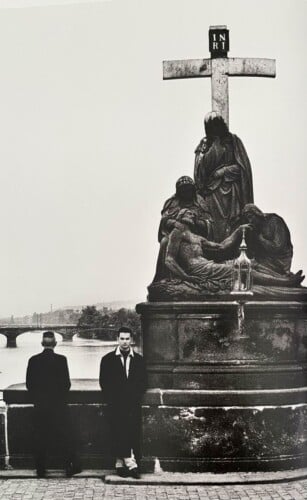
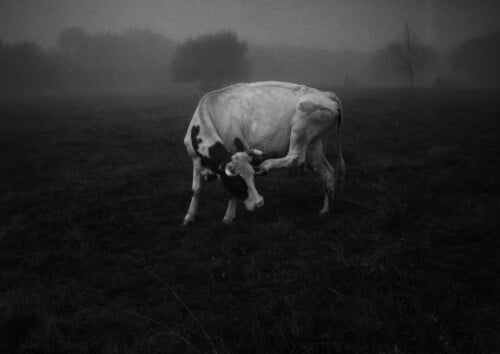
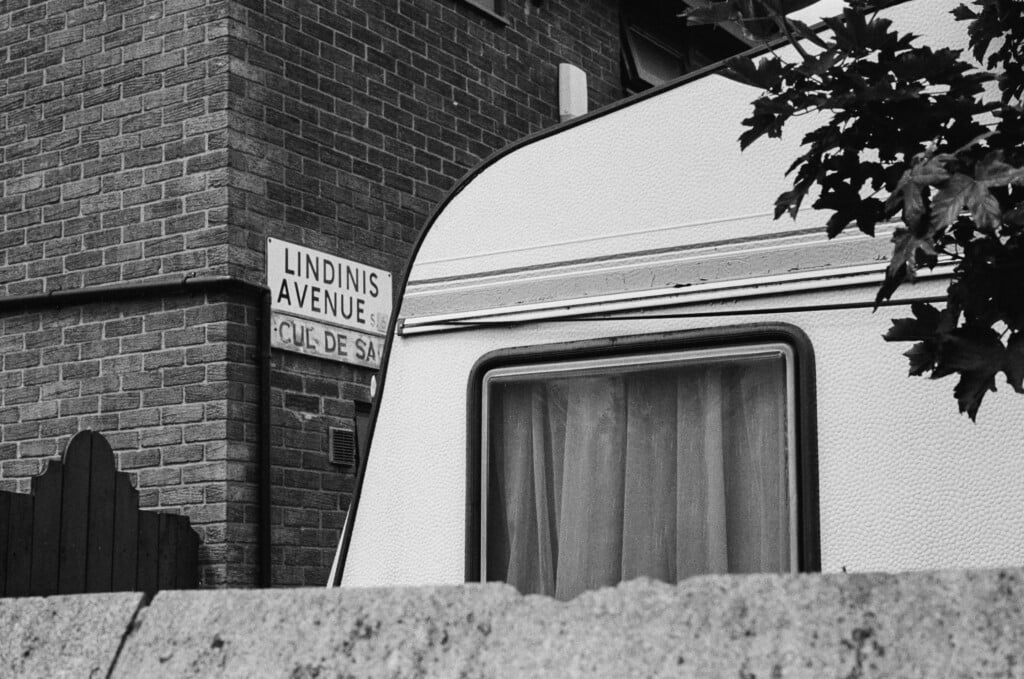
Each image becomes a fragment of life, a pause amid the city’s noise. The choice of black and white enhances this feeling of suspension: it removes distractions and lets the light reveal faces, textures of walls, and windows that silently tell stories of human presence. It’s an intimate yet never intrusive gaze, turning the ordinary into a poetic gesture.

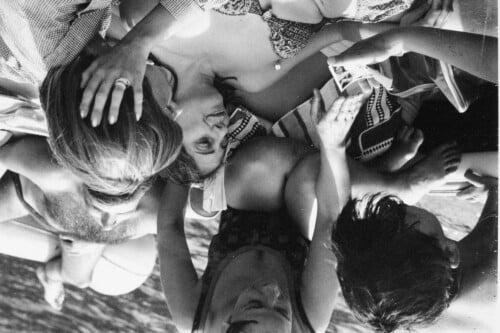
In Between Walls, industry and domestic intimacy coexist — the noise of labor alongside the tenderness of small moments. It’s a story that gives Manchester back its most authentic soul: that of a city living within the walls of its past, yet still breathing through the people who inhabit it every day.