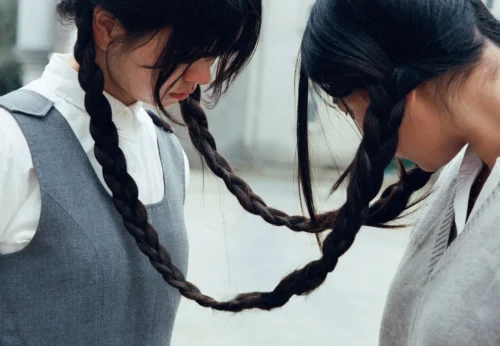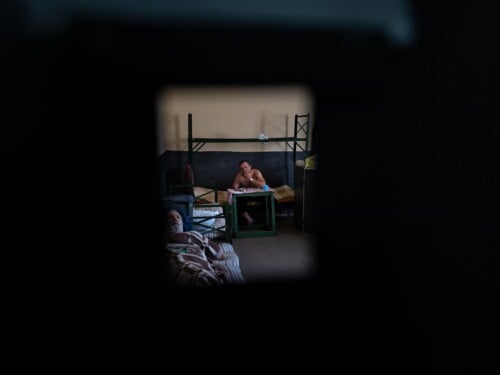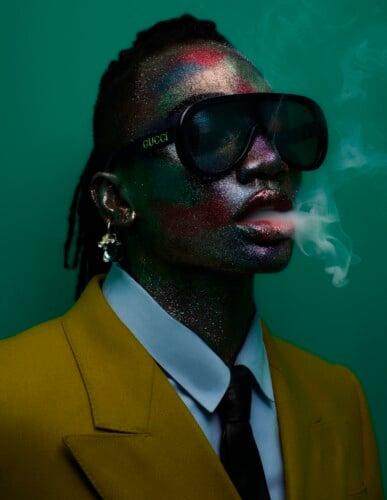
C’è un filo che unisce il lavoro di Katie Baldwin Basile, Gulshan Khan e Michael Lees, i tre vincitori del CatchLight Global Fellowship 2026, ciascuno destinatario di un grant da 30.000 dollari: tutti e tre fotografano comunità che rischiano di scomparire dalla memoria collettiva: non per mancanza di storie da raccontare, ma per mancanza di chi le ascolti davvero. L’Alaska rurale, il Sudafrica musulmano, i Caraibi post-uragano. Tre geografie ai margini del racconto dominante, tre pratiche che rifiutano la logica dell’immagine estrattiva per costruire qualcosa di più lento, più radicato, più onesto.
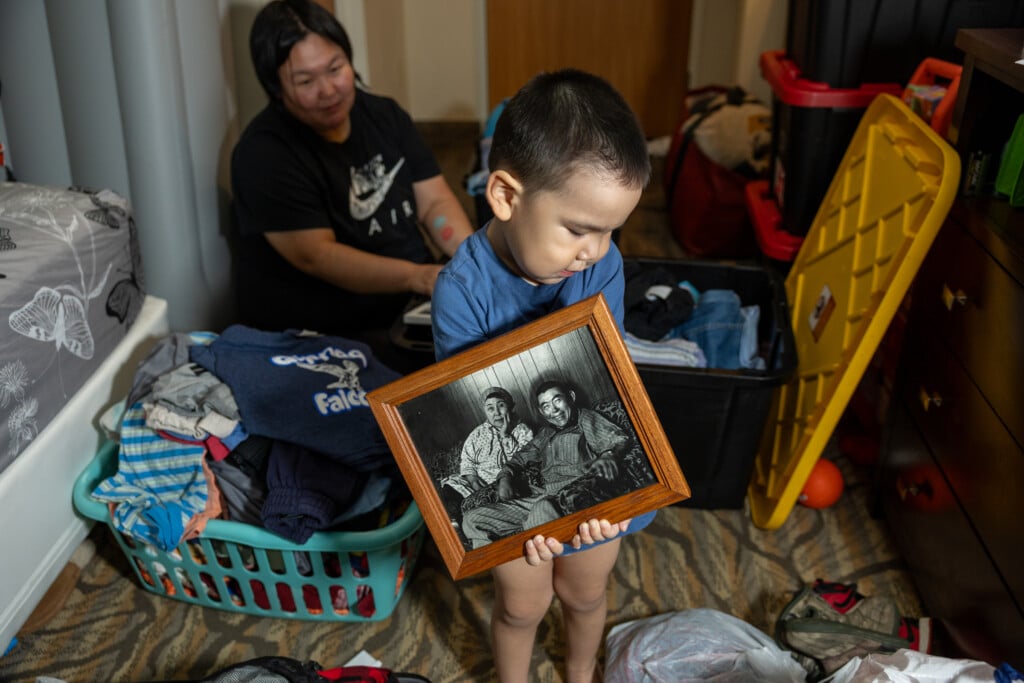
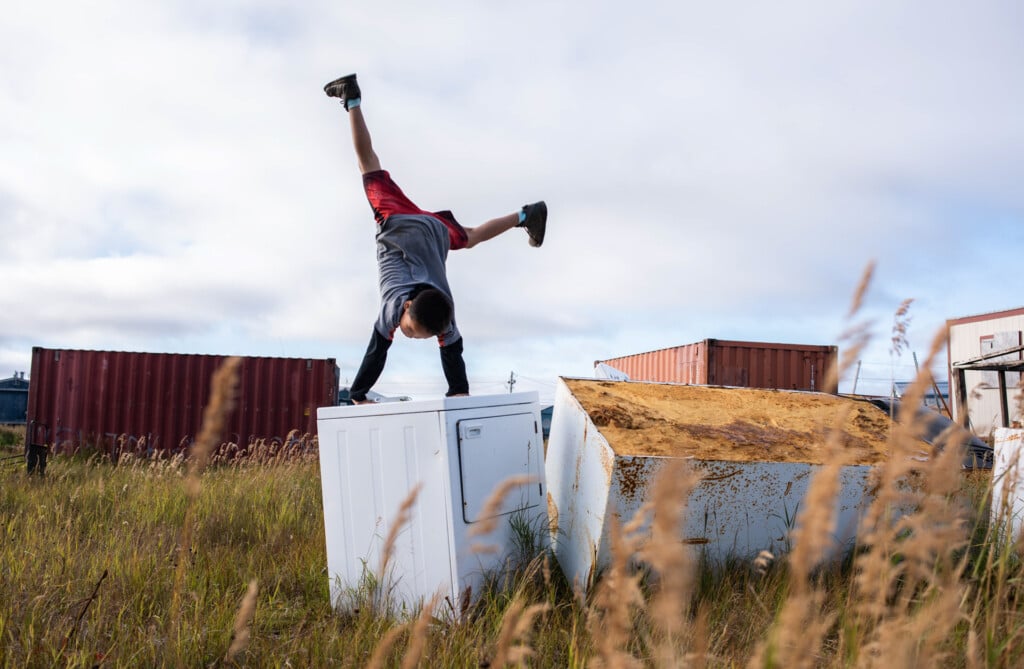
Katie Baldwin Basile vive e lavora nel delta dello Yukon-Kuskokwim, in Alaska, a stretto contatto con le comunità indigene Yup’ik che abitano una terra che letteralmente si sta sciogliendo sotto i piedi. Il permafrost cede, le coste erodono, villaggi interi sono già in fase di trasferimento. Ma le sue fotografie non parlano di catastrofe — parlano di ragazzi che fanno le capriole sulle rive del fiume Ninglick, di bambini che tengono in mano le fotografie dei bisnonni mentre la famiglia riempie le casse dopo l’alluvione. È la vita che continua dentro la crisi, non nonostante essa. Con oltre dieci anni di collaborazione con i giovani delle comunità rurali, il suo metodo è co-creativo: le storie non vengono prelevate, vengono costruite insieme.
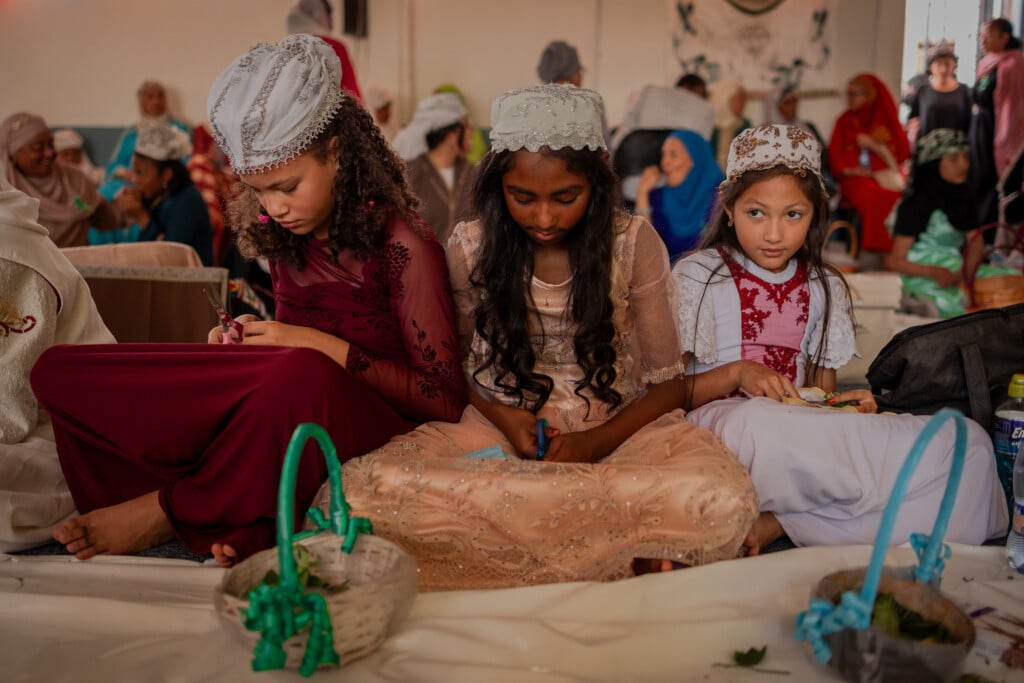
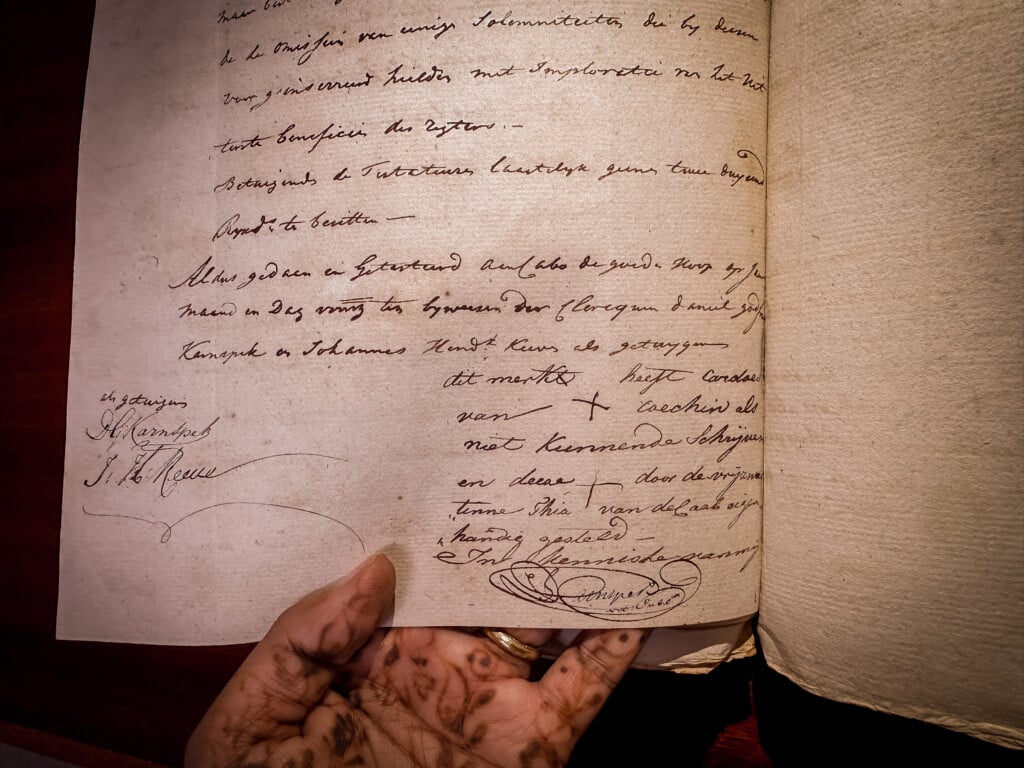
Gulshan Khan lavora su un’altra forma di erosione — quella della memoria storica. Il suo progetto centrale, The Things We Carry With Us, segue le comunità musulmane del Sudafrica attraverso le eredità della tratta degli schiavi dell’Oceano Indiano, l’esilio politico, la segregazione razziale. Una delle sue immagini mostra donne e bambine che tagliano rampies durante le festività del Moulood a Johannesburg; un’altra riproduce il testamento manoscritto di due antenati schiavizzati conservato nell’archivio nazionale. La distanza tra queste due immagini: una viva, colorata, festiva; l’altra sbiadita, legale, violenta; è la distanza che Khan attraversa in ogni scatto.
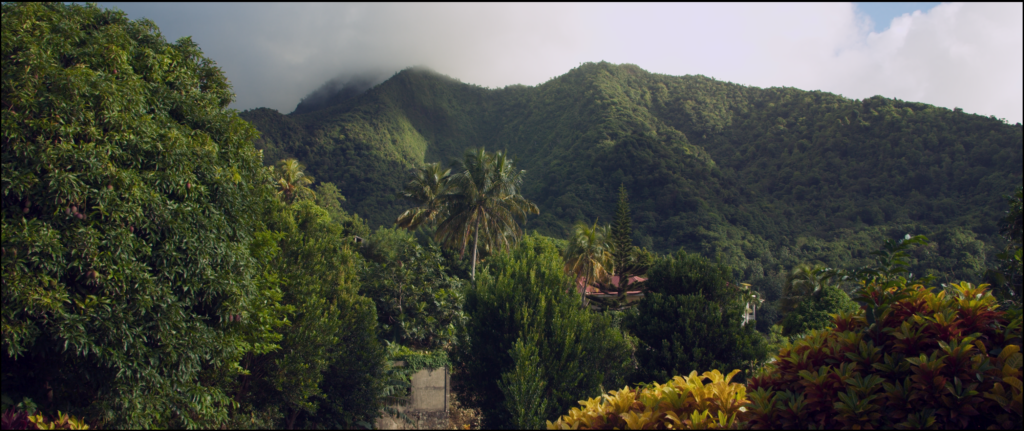
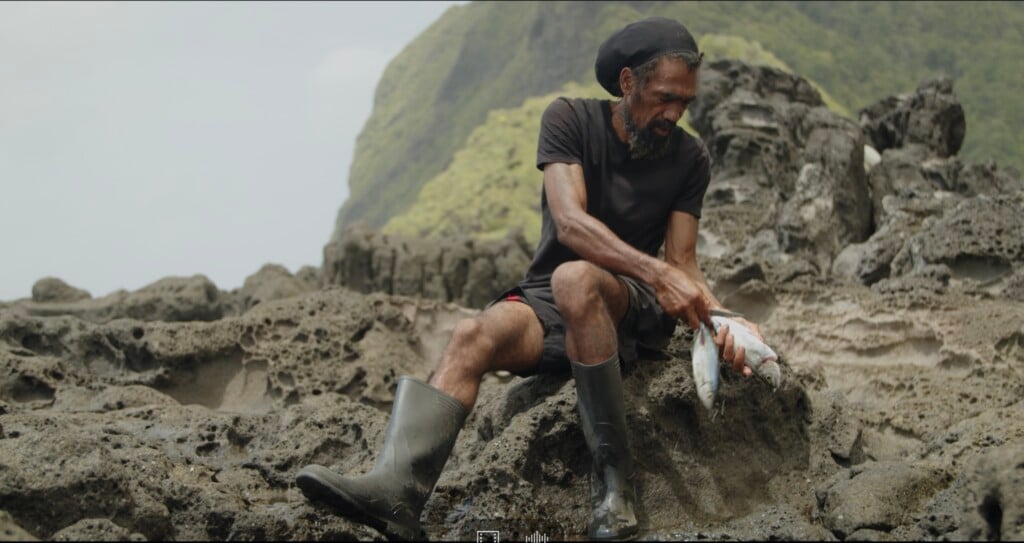
Michael Lees è arrivato alla fotografia e al cinema sopravvivendo all’uragano Maria a Dominica nel 2017, da solo, in mezzo alla natura devastata. Da quell’esperienza è nata una pratica che usa foreste, rovine e silenzi caraibici come elementi narrativi. Il suo film UNCIVILIZED, presentato al Locarno Film Festival 2024, è oggi usato nelle università per gli studi ambientali e postcoloniali. Il suo prossimo progetto, Behind God’s Back, ritrarrà il villaggio abbandonato di Petite Savanne e le persone che continuano a tornarci, come se il legame con un luogo potesse sopravvivere alla sua distruzione fisica.
CatchLight, organizzazione no-profit di San Francisco dedicata al visual storytelling, assegna ogni anno questo fellowship a tre autori che non solo producono immagini di qualità, ma ridefiniscono le modalità stesse con cui le immagini possono costruire relazione, comunità, archivio. Il punto non è il premio in sé, ma ciò che finanzia: il tempo lungo, la fiducia, la presenza ripetuta nei luoghi. Tutto ciò che il fotogiornalismo tradizionale difficilmente può permettersi, e senza cui certe storie semplicemente non esistono.
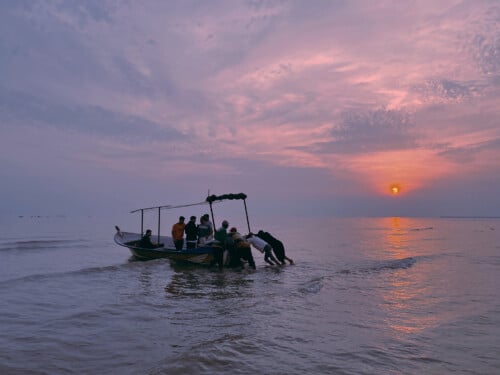
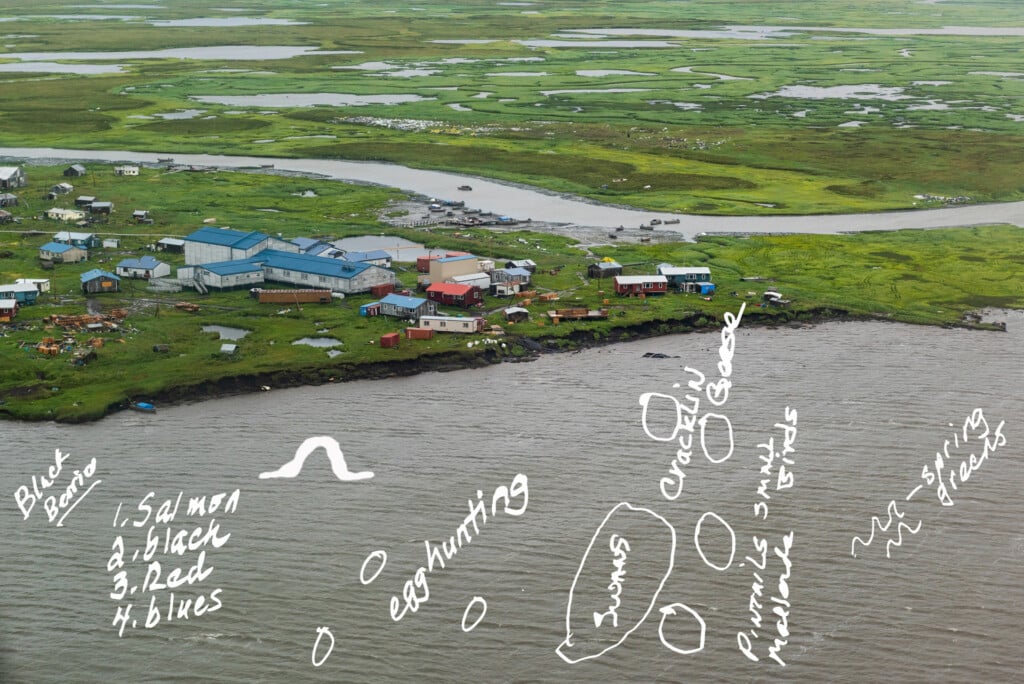
in cover: In Alaska ci sono almeno 144 comunità minacciate dall’erosione, dallo scioglimento del permafrost e dalle inondazioni. Newtok è già da anni nel mezzo di un processo di trasferimento verso il nuovo villaggio di Mertarvik, raggiungibile in barca in circa quindici chilometri | ph. courtesy Katie Baldwin Basile
There is a thread connecting the work of Katie Baldwin Basile, Gulshan Khan and Michael Lees, the three winners of the CatchLight Global Fellowship 2026, each receiving a $30,000 grant: all three photograph communities at risk of disappearing from collective memory — not for lack of stories to tell, but for lack of anyone truly willing to listen. Rural Alaska, Muslim South Africa, the post-hurricane Caribbean. Three geographies at the margins of the dominant narrative, three practices that reject the logic of extractive image-making to build something slower, more rooted, more honest.
Katie Baldwin Basile lives and works in the Yukon-Kuskokwim Delta in Alaska, in close collaboration with Yup’ik Indigenous communities inhabiting a land that is literally melting beneath their feet. The permafrost gives way, coastlines erode, entire villages are already in the process of relocating. But her photographs do not speak of catastrophe — they speak of kids doing cartwheels on the banks of the Ninglick River, of children holding framed photos of their great-grandparents while the family packs up after a flood. It is life continuing inside the crisis, not in spite of it. With over a decade of collaboration with rural community youth, her method is co-creative: stories are not extracted, they are built together.
Gulshan Khan works on another form of erosion — that of historical memory. Her central project, The Things We Carry With Us, follows Muslim communities in Southern Africa through the legacies of the Indian Ocean slave trade, political exile, and racial segregation. One of her images shows women and girls cutting rampies during Moulood celebrations in Johannesburg; another reproduces the handwritten will of two enslaved ancestors preserved in the national archive. The distance between these two images — one alive, colorful, festive; the other faded, legal, violent — is the distance Khan crosses with every frame.
Michael Lees came to photography and filmmaking after surviving Hurricane Maria in Dominica in 2017, alone, surrounded by nature and devastation. From that experience grew a practice that uses Caribbean forests, ruins, and silences as narrative elements. His film UNCIVILIZED, screened at the Locarno Film Festival 2024, is now used in universities for environmental and postcolonial studies. His next project, Behind God’s Back, will portrait the abandoned village of Petite Savanne and the people who continue to return to it, as if the bond with a place could survive its physical destruction.
CatchLight, a San Francisco-based nonprofit dedicated to visual storytelling, awards this fellowship each year to three authors who not only produce quality images, but redefine the very ways in which images can build relationship, community, and archive. The point is not the award itself, but what it funds: the long game, trust, repeated presence in places. Everything that traditional photojournalism can rarely afford, and without which certain stories simply do not exist.
cover image: There are at least 144 communities in Alaska threatened by erosion, permafrost melt, and/or flooding. Newtok is already years into the process of relocating to the newly constructed village of Mertarvik, a 9-mile boat ride away | ph. courtesy Katie Baldwin Basile