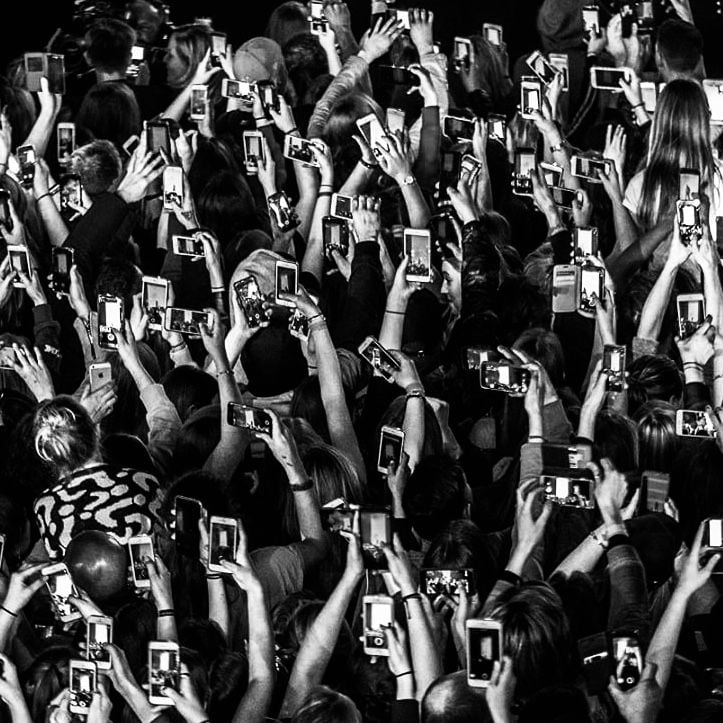
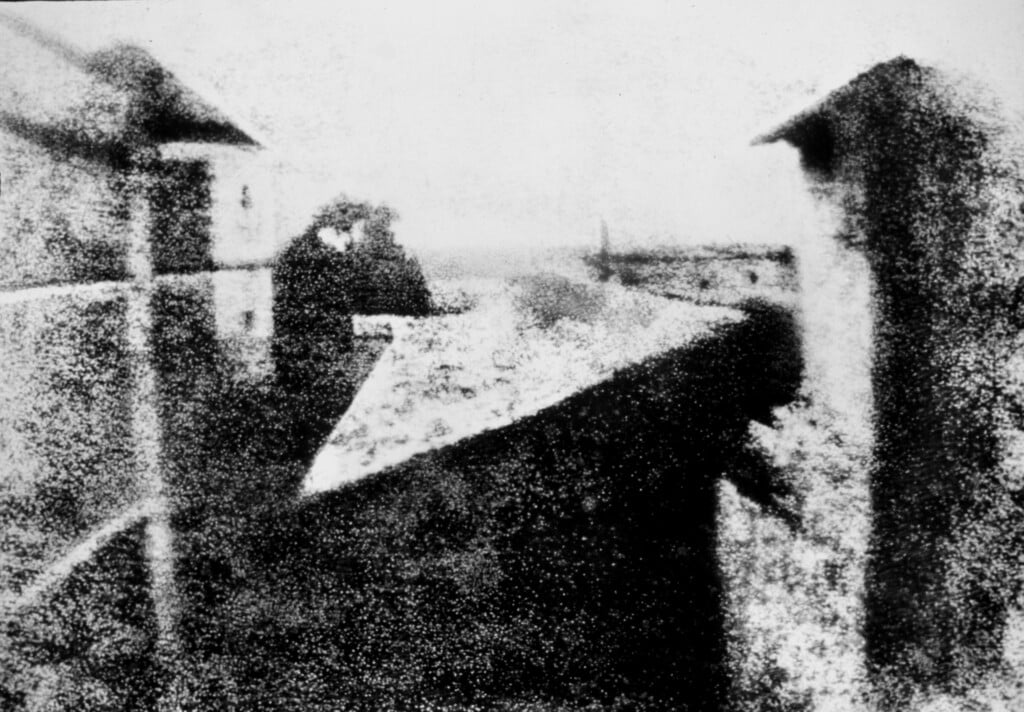
Once upon a time there was the first photograph. It was 1826 and it took about eight hours of exposure to imprint on a bitumen plate the view from Joseph Nicéphore Niépce’s window. Eight hours for a single image, blurred, almost unreadable. Two hundred years later, in the same time it takes to read this sentence, tens of thousands of photographs have been taken around the world.
Producing images has become, in the most literal sense, almost irrelevant. An automatic, obvious gesture that requires neither preparation nor intention. We take pictures to communicate, to remember, to fill the silence of a moment we do not know how else to inhabit. And then we archive them. Thousands of accumulated photos, never really looked at, sleeping in phones waiting for attention that will never come.
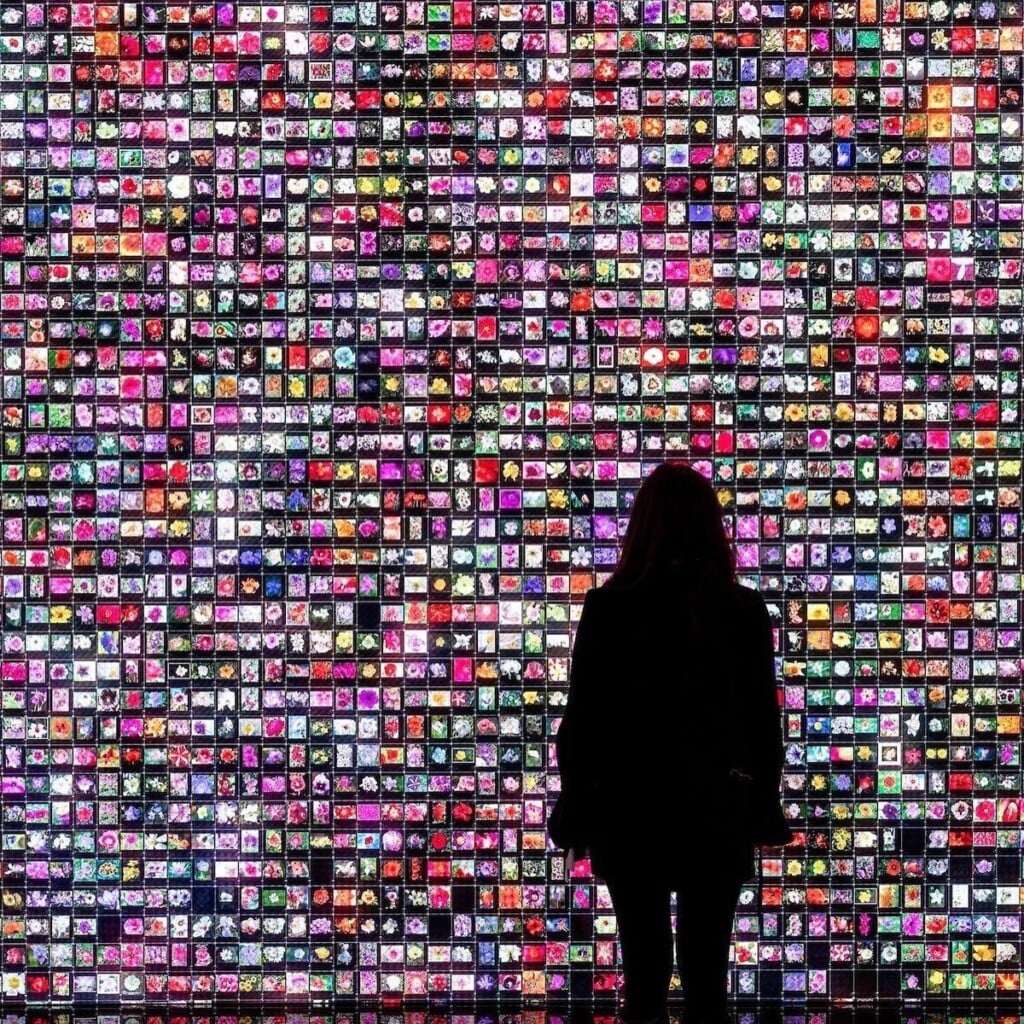
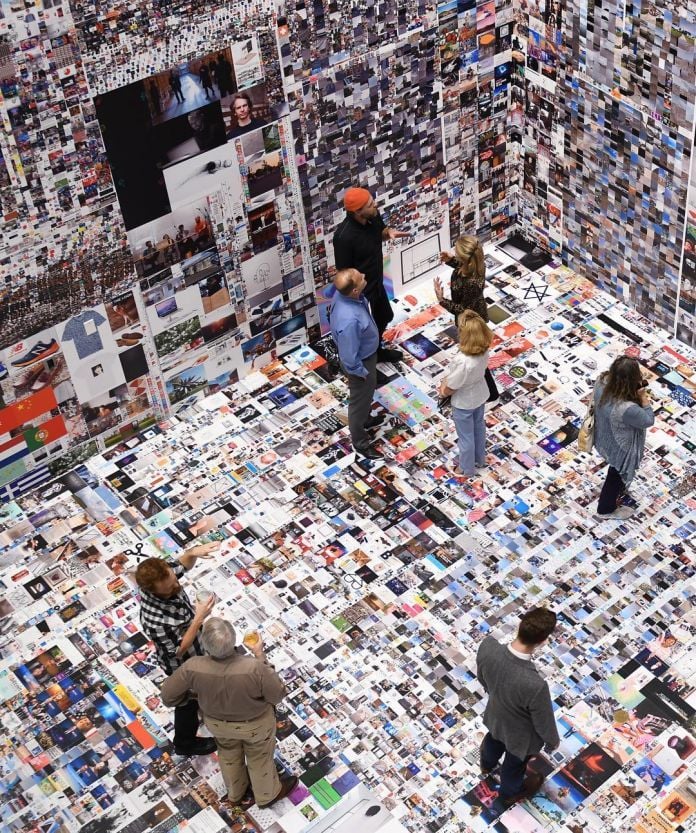
Blaming only smartphones, social media, or the algorithm would be too simplistic, convenient (and also a bit lazy). But the truth is that the problem is subtler and more interesting than that. The crisis we are going through is not a crisis of production, it is a crisis of relationship. We have the possibility, once lacking, to produce photographs at very low cost, both in terms of time, money, and energy, and we use it to produce so many that they risk becoming indistinguishable from one another. If until a few decades ago one had to make a choice and select the photographs to print, and therefore to keep, today we are no longer called to make that choice, giving life to endless image galleries, overflowing with content that ultimately tells very little.
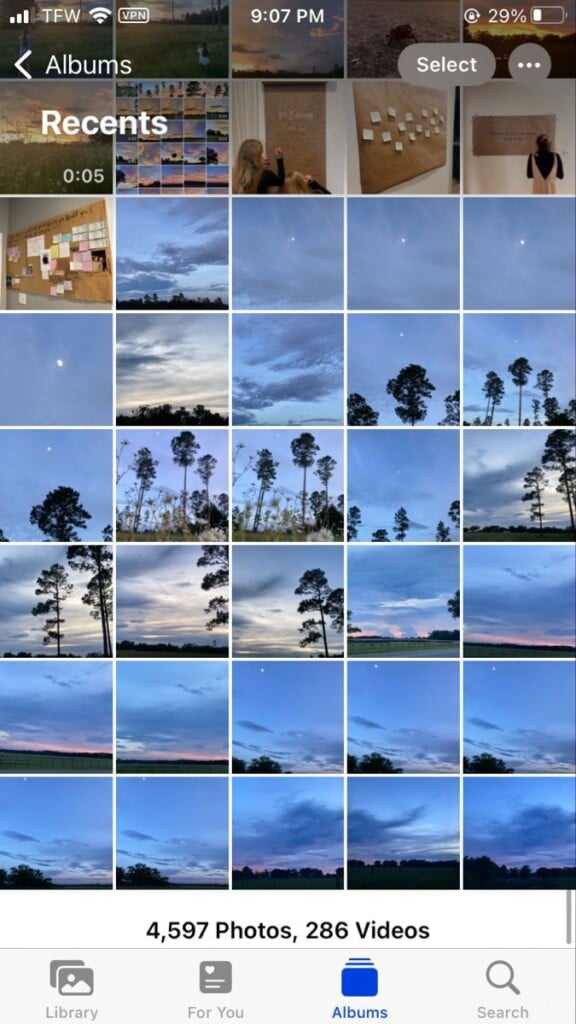
Taking photographs has become a daily gesture, generating an overproduction of images, in which a single photograph ends up losing all its meaning. And make no mistake, not because it is ugly or irrelevant, but because there is no cognitive space to truly receive it.
In this saturation of images, it is no coincidence that in recent years interest in analog photography has been steadily growing. Film sells more, disposable cameras are finding their way back into the pockets of twenty-year-olds, and photo labs are slowly reopening. The phenomenon could be dismissed as nostalgia, as vintage aesthetics applied to something not fully understood. And in part, that is true.
But there is also something deeper. Analog photography reintroduces an element that digital has almost eliminated: value. Not economic value, but cognitive value. When you have thirty-six exposures on a roll of film, you choose. You wait for the moment. You think about it. And when you finally hold the printed photograph in your hands, you build a different relationship with that image, because you have invested something to obtain it.
It is a way to step out of the flow. To slow down production enough to allow a relationship to form (or reform).
Perhaps the crisis we are facing is not solved by producing less, but by asking ourselves questions again and making decisions. Why do we want to photograph something? What do we want to tell? Which image is worth keeping?