My name is Francesco Ciaponi and for over twenty years I have worked in independent publishing as an author, curator and university lecturer, and this collaboration with Collater.al is born to offer a look into the world of fanzines and independent magazines, that editorial space that lives outside commercial distribution channels and finds a home only in realities that are often marginal or in any case far from conventional circuits.
Before getting into the next contents, I want to explain why I believe a column like this is necessary, and to do so we have to start from a simple question: what really distinguishes an underground editorial product from a commercial one?
It’s impossible to answer without getting lost in a thousand tangents and dead ends. What can certainly be said is that it’s not just a matter of format, graphics or number of pages, but of the very essence of the project: a fanzine or an independent magazine is always born from an expressive need that precedes any market logic, and whoever produces it doesn’t have to answer to a publisher, an investor or a distribution algorithm.
Freedom above all.
This freedom, which today seems in some ways anachronistic, is precisely what makes these products a permanent laboratory of graphic and content experimentation that I’ve seen multiply in recent years, in Italy and abroad, through a surprising number of publications, often self-produced, distributed at festivals, fairs and markets, or sold through dedicated online platforms.
Behind each of these initiatives there is almost always a person or a small collective who decided to invest time, energy and personal resources into a project that guarantees no economic return, but that gives back something far more precious: the possibility of saying exactly what you want to say, in the way you want to say it, without any kind of compromise. This condition produces results that are often more radical, more courageous and more original than traditional publishing manages to achieve, bound as it is by its nature to market logic, target audiences and economic sustainability.
The editorial products I intend to present in the coming episodes, on the other hand, can afford to fail, to be imperfect, to experiment with uncomfortable graphic languages or niche content, and it’s precisely in this “luxury” that much of their creative strength lies.
Despite this vitality, though, I’ve realized over the years that Italy lacks (almost entirely) a structured space dedicated to telling, analyzing and connecting these products. There are passionate, competent and valuable realities like FRAB’s, which has worked for years on the distribution and promotion of independent publishing, or Reading Room, which offers a point of reference for those seeking this kind of publication, but these are exceptions in an editorial and journalistic landscape that tends to ignore this world, or to address it only occasionally, as a cultural phenomenon rather than as an object of critical reflection.
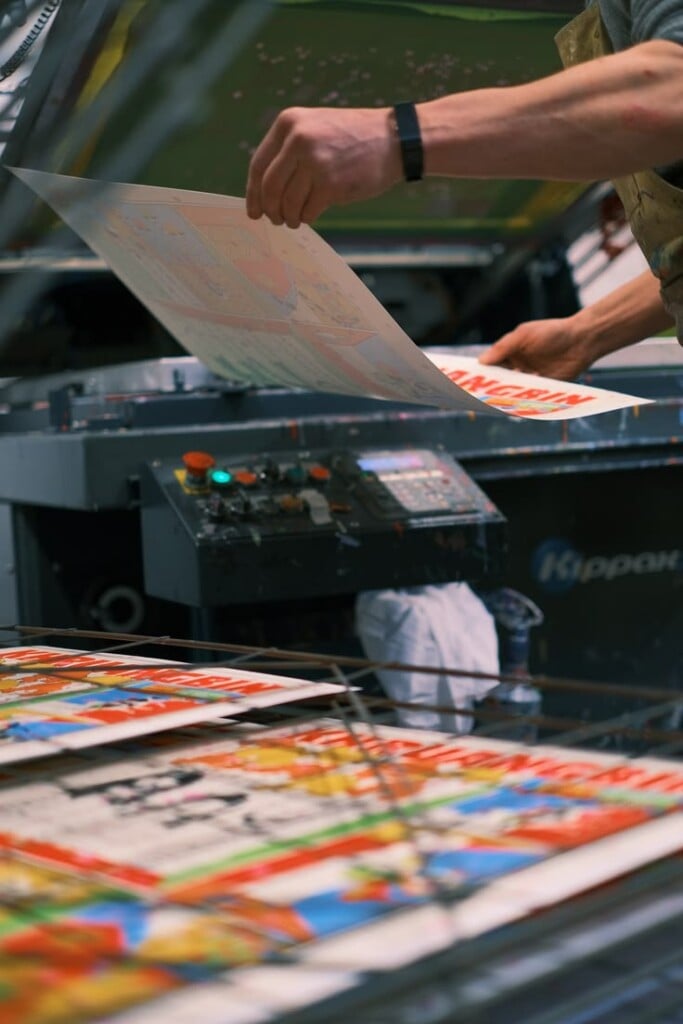
This column is therefore born with the goal of at least partly filling this gap, telling the story of a contemporary underground editorial product each time, analyzing its history, its graphic design, its content and the context it was born in, with the idea that every fanzine or independent magazine deserves attention that goes beyond a simple mention.
My intent is to convey not just the surface of these projects, but also the motivations, the aesthetic choices and the cultural tensions that run through them, because I believe that studying underground publishing actually means studying the social and cultural transformations of an era. Fanzines, in this sense, have always been a faithful mirror of the social, artistic and political movements that produced them, from punk to the counterculture of the Sixties, all the way to the more contemporary forms tied to digital media and new visual languages. Looking at them today means looking closely at the cultural energies moving beneath the surface, the ones that often anticipate trends later absorbed and normalized by commercial publishing.
For this reason I believe that telling the stories of these projects isn’t just a sterile exercise reserved for insiders, but an opportunity for everyone to come into contact with a living, constantly evolving creative ecosystem, often more interesting and more courageous than the traditional publishing market manages to be today.
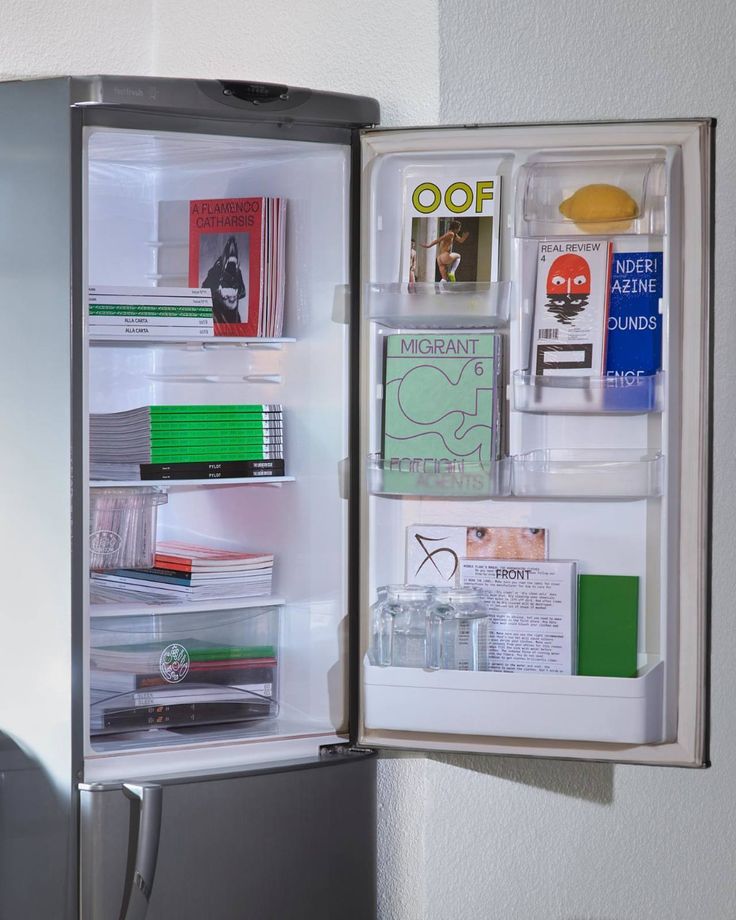
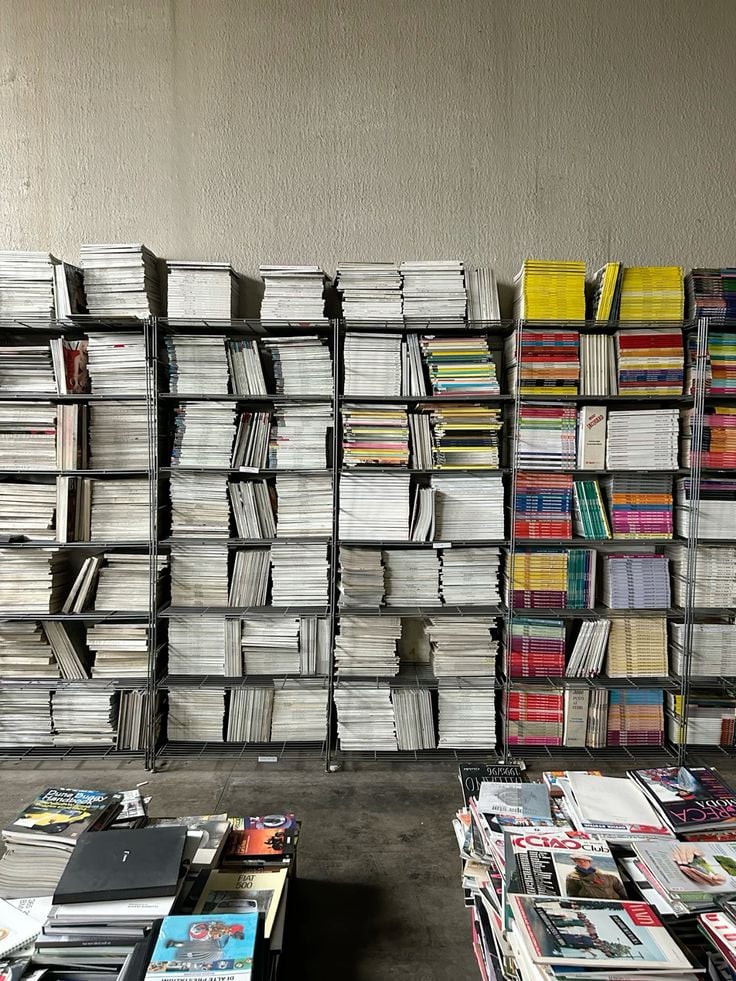
There’s one last aspect I want to stress, namely the “archival” attempt behind this work. Many of these publications are born and die within a handful of issues, printed in minimal runs, often without official distribution and with no presence in library catalogues, so the real risk is that in a few years’ time much of this editorial output will simply disappear because no one kept a record of it. Telling the story of these projects today therefore also means building a small critical archive, a partial but necessary map of what’s happening in contemporary independent publishing, something that in the future can be consulted by anyone wanting to understand how people wrote, drew and communicated outside the major publishing circuits at this precise moment in history.
If what I’ve said sparks your curiosity and imagination, in the next issue we’ll get into the heart of things by telling the story of the first of these realities, a Canadian magazine born only a few years ago that has already become a case study in the publishing landscape. The title? You’ll find out only in the next episode — that’s how it used to be done, once upon a time…
Column curated by Francesco Ciaponi