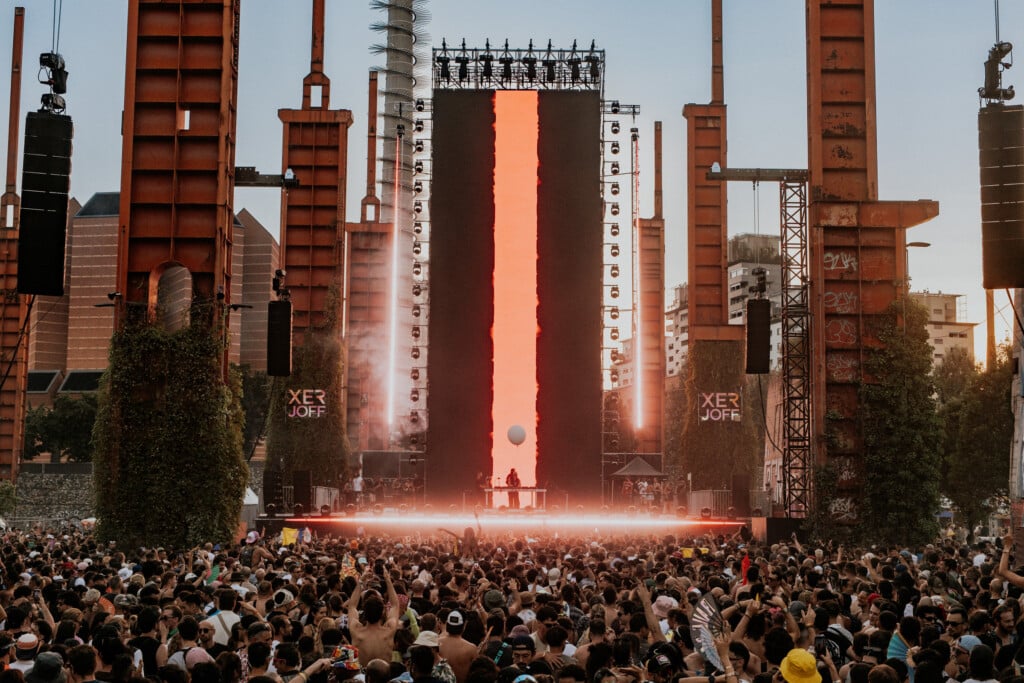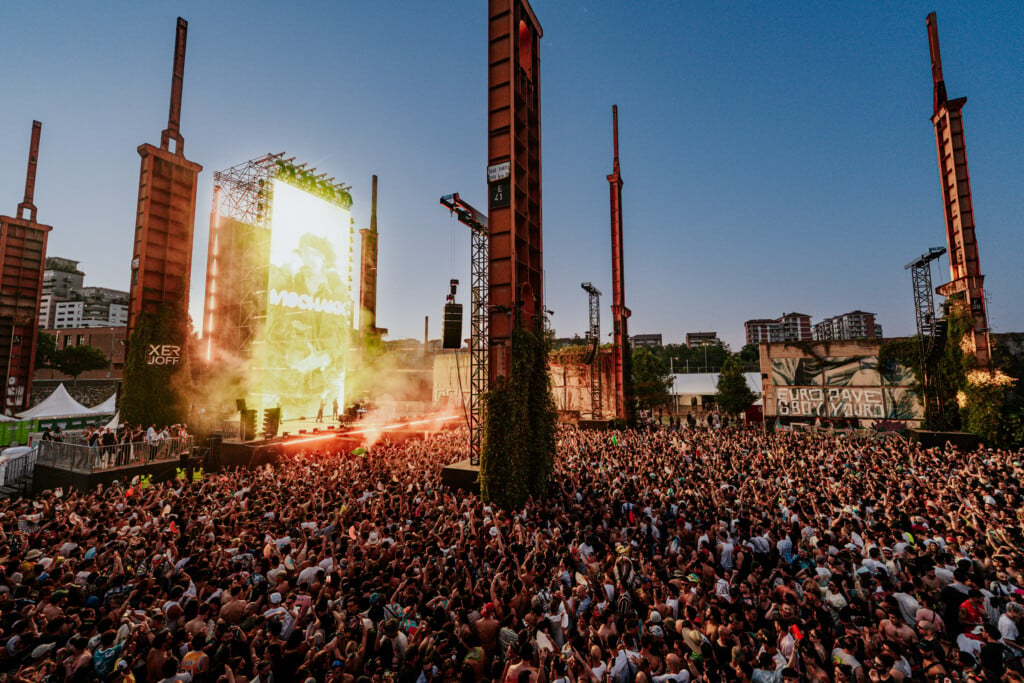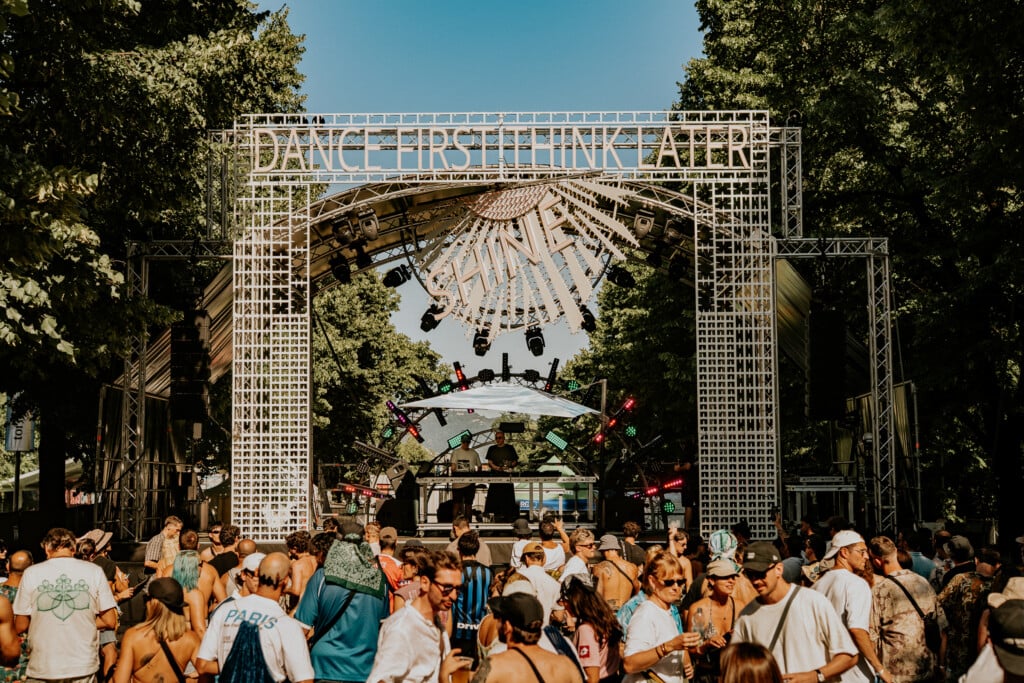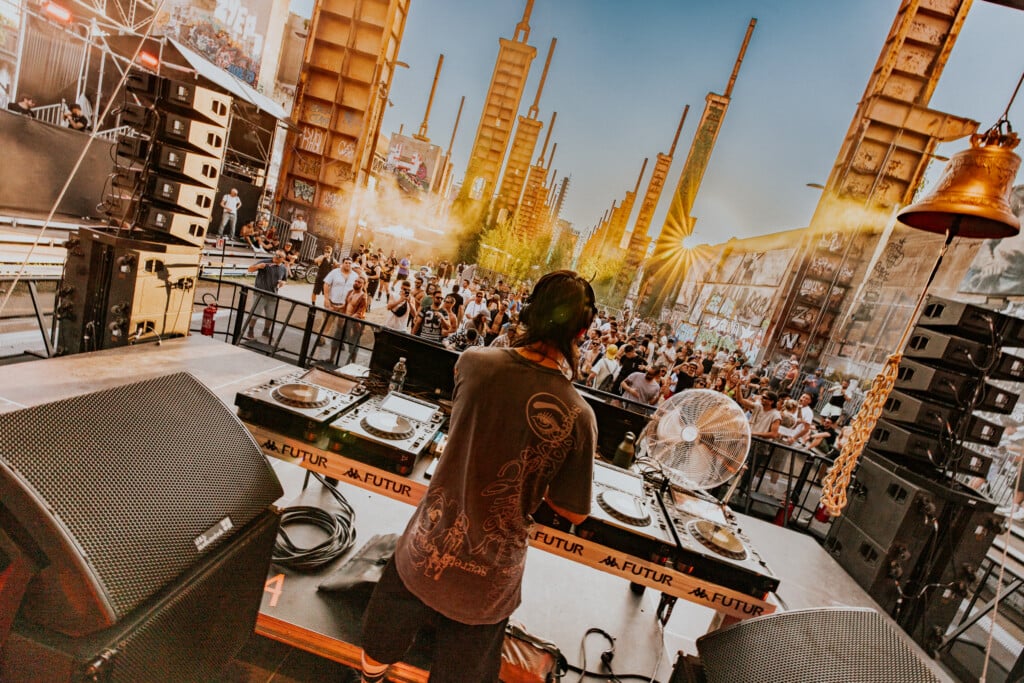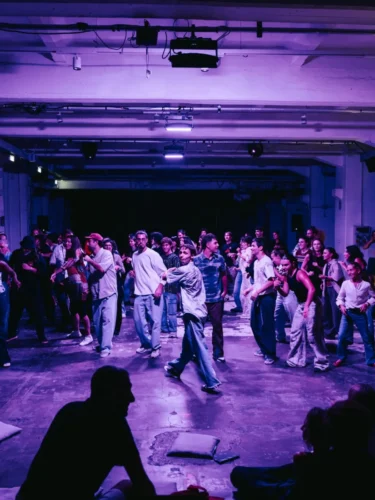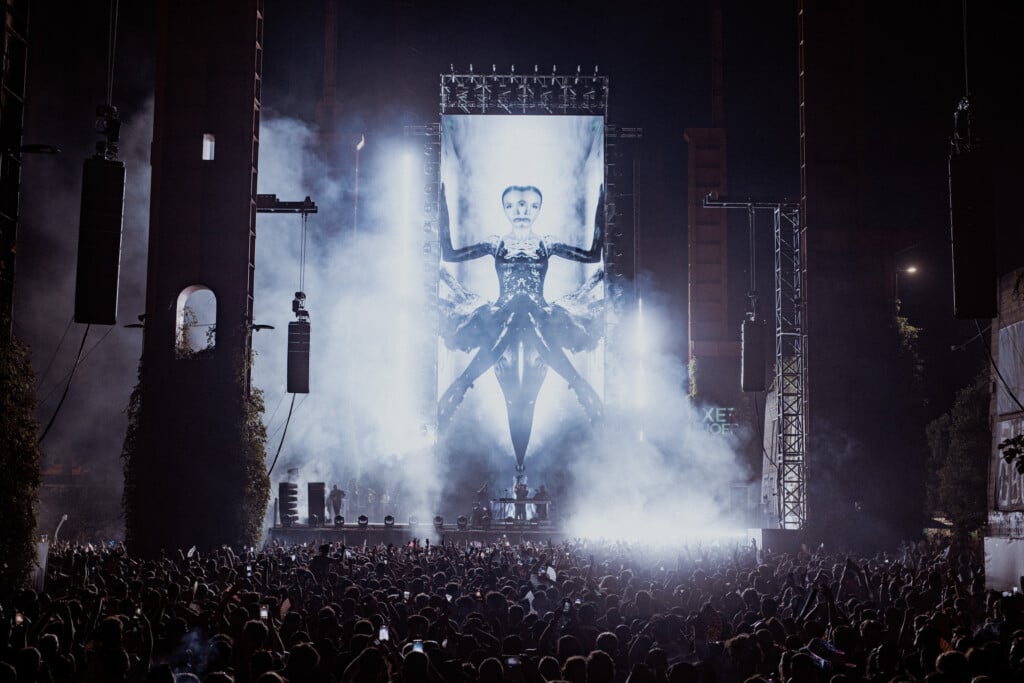
There’s a subtle emotion—almost a collective ritual—that lies behind the opening of the gates to Parco Dora. As a Turin native and a regular festivalgoer since 2016, I can confirm that the thrill that runs down your spine when you find yourself face-to-face with the post-industrial grandeur of the abandoned steel mills never fades. But what unfolded before our eyes from July 3 to 5 for the thirteenth edition of the Kappa FuturFestival marked a point of no return for our city and for the international scene. The numbers, after all, speak for themselves: 125,000 attendees from 152 different countries. A massive turnout that definitively confirmed Turin as one of the undisputed world capitals of electronic music, but which also revealed something deeper. Today, the FuturFestival has become practically impossible to describe by focusing solely on its musical offerings.
It all began in 2009, on the occasion of the centennial of Futurism. That pioneering edition drew about 3,000 attendees and, from the very beginning, embodied its mission in its very name: to create an ecosystem where electronic music, art, innovation, and creativity could blend seamlessly. Today, as you walk among the six stages that have hosted over 130 artists for 36 hours of music, that original vision has become a 360-degree sensory triumph.
The Aesthetics of Sound: Digital Art and Artificial Intelligence
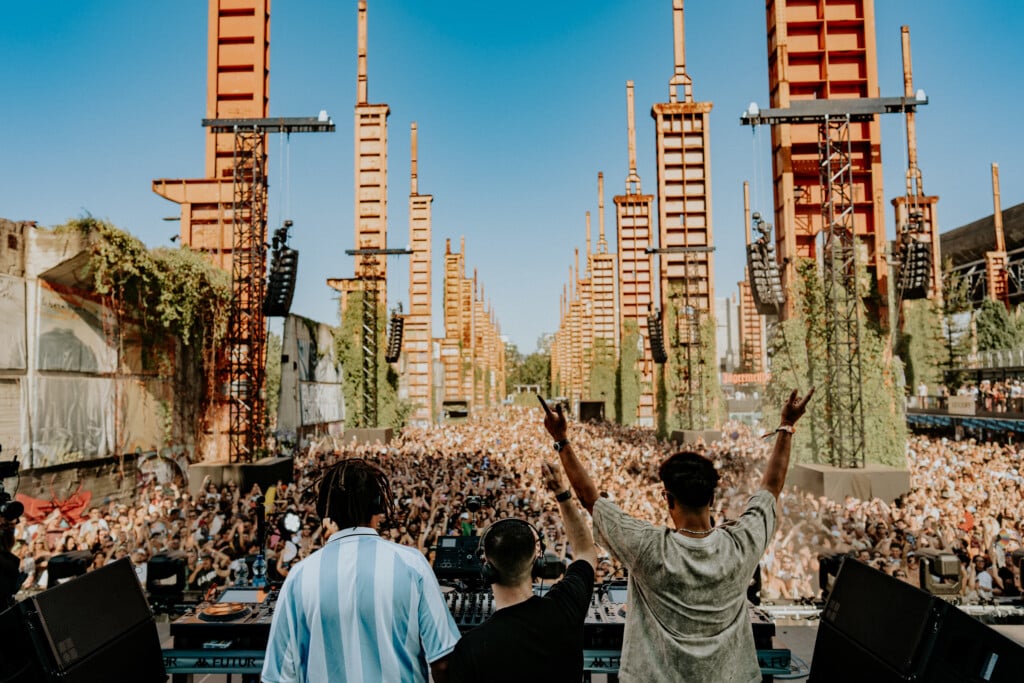
Stepping into the FuturFestival means being swept away by colossal stage sets where the visual impact carries exactly the same weight as the auditory experience. As a huge fan of visual art, standing spellbound in front of the LED screens and watching the succession of images dance to the beat is one of the most hypnotic experiences of the festival. The redesign of the main stage, the Futur, left everyone speechless, but it was the Nova and Voyager Stages that truly captivated me. Here, 3D creations, generative art, and live videos—masterfully produced by exceptional teams—took turns captivating the audience. Behind these screens lies an enormous curatorial effort: the festival collaborated with top-tier international talents, such as visual artist Ali M. Demirel.
This drive for innovation has extended to exploring new technological frontiers, demonstrating a rare ability to keep pace with the times. In fact, the FuturFestival has included the second edition of the Reply AI Music Contest in its program—a project created in collaboration with Reply, a leading provider of innovative digital solutions. On Saturday, the Nova Stage was transformed into a laboratory of the future, hosting the contest’s five international finalists: Violeta Valcheva, POLARIS, Ciauru, Yichu Li, and PARAFRAME & Avis Vox. Each brought radically different approaches to the use of artificial intelligence in live musical performance. The winner, as judged by an exceptional panel featuring names such as Agoria, Max Cooper, Fleur Shore, Tini Gessler, Albi Scotti, Oliver Bohl, and Sarah Grimaldi—as well as Ali Demirel himself—was Ciauru (Italian DJ and producer Simone Privitera). His live set was an all-encompassing multisensory experience, a perfect hybrid of electronic music production, diverse cultural influences, and visuals entirely generated by AI.
The Pulse of Turin: Emerging Talents and Local Spirit
As always, the 2026 edition featured an ambitious lineup, bringing together international legends such as Charlotte de Witte, Peggy Gou, Four Tet, Skrillex, Solomun, and Sven Väth. However, unlike many other mega-events, FuturFestival does not use emerging artists merely as “fillers” for the hottest hours of the afternoon. On the contrary, they represent a vibrant and integral part of the overall experience. Giving these talents a platform within a venue that hosts 125,000 attendees is a unique opportunity.
Turin has always been home to an incredible artistic and underground heritage, and seeing a rapidly expanding local scene take care of and promote it fills me with pride. Amid an endless lineup, the energy of the local scene made itself felt powerfully: special mention must go to Greg Willen’s B2B set with Sizing, a performance that literally set the crowd on fire and reaffirmed our city’s creative vitality.
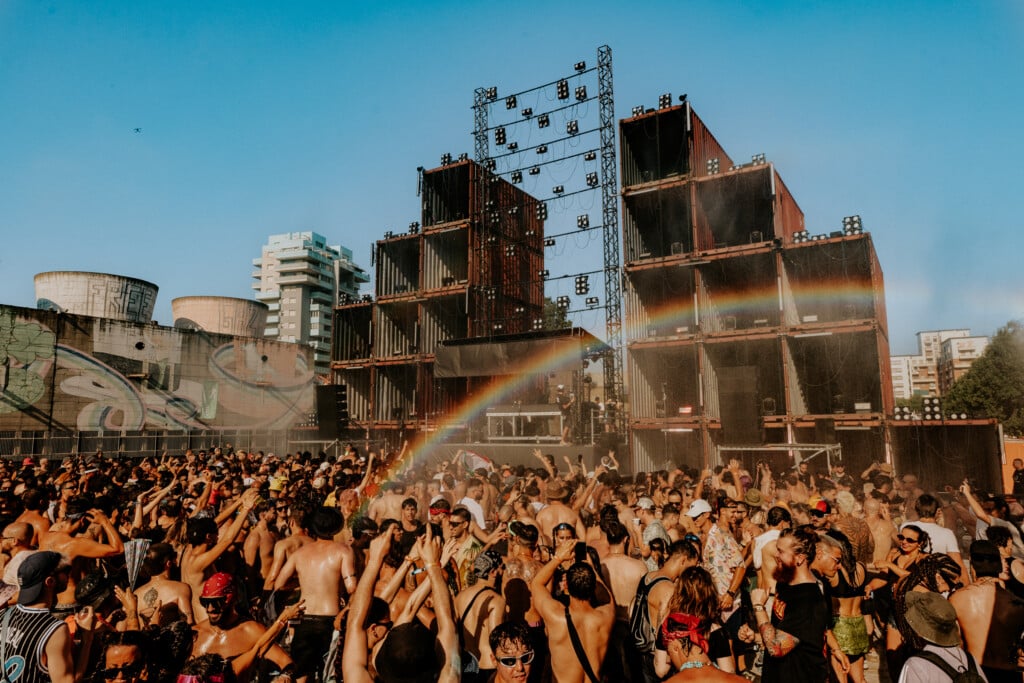
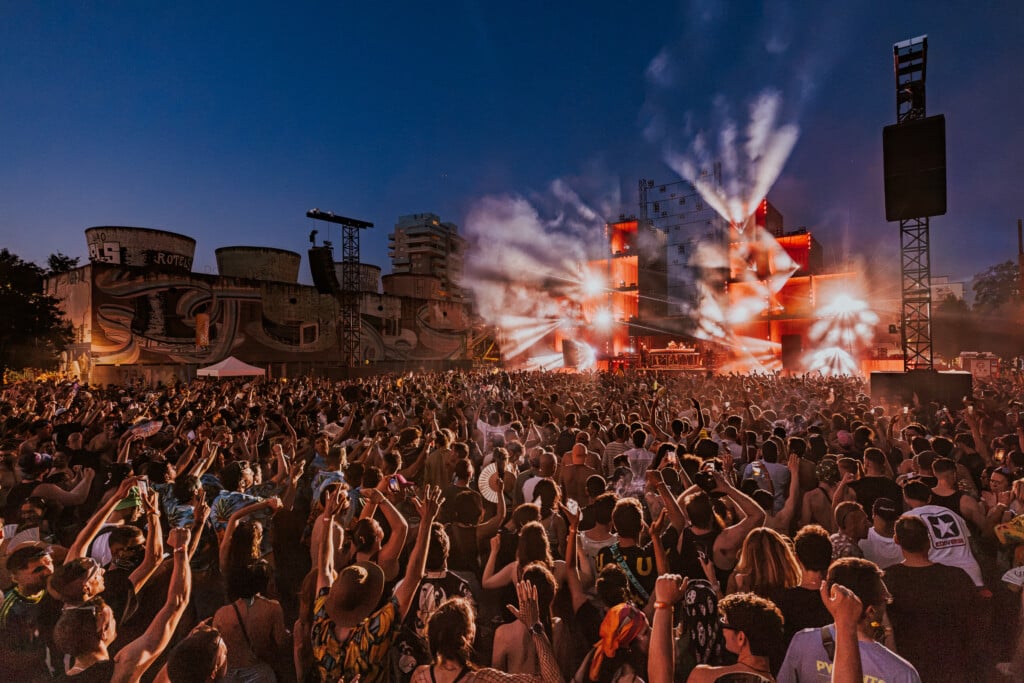
Beyond Music: Fine Dining and Environmental Awareness
The FuturFestival’s cultural exploration in 2026 also crossed the boundaries of taste, marking the debut of the Taverna Futurista. Forget classic festival street food: this new fine-dining project has created an unprecedented fusion of Italian haute cuisine, artistic experimentation, and clubbing. Acclaimed chefs recognized by leading international guides—such as Enrico Crippa, Francesco Brutto, Davide Di Fabio, Tiziana Francoforte, and Dennis Panzeri—brought their culinary visions to the festival, transforming the convivial atmosphere into a true extension of the immersive experience.
To balance this premium offering, the festival reaffirmed its commitment to the environment and sustainability. For the thirteenth consecutive year, the collaboration with Global Inheritance returned for the project “TRASHed in Italia – The Art of Recycling,” combining environmental awareness with creativity.
The Future Is Now
With an estimated economic impact of about 50 million euros on the Turin area, and a dense network of side events that brought the city to life well before filming officially began, the Kappa FuturFestival demonstrates how urban and cultural regeneration can be achieved through a smart, multi-layered entertainment model.
The journey doesn’t end here. The authenticity of its collaborations has allowed the festival to stay true to its roots, even as it has grown exponentially from the 3,000 attendees of its first edition. Now, our sights are set on new horizons: the overseas debut with the FuturFestival in Mexico (at Fundidora Park in Monterrey, on November 13 and 14, 2026) will bring this all-Italian vision to Latin America. But for us, our heart remains in Turin. The dates are already set for July 2–4, 2027.
Because the Kappa FuturFestival isn’t (just) a music festival. It’s an open-air art exhibition, a technology lab, a culinary experiment, and, above all, tangible proof that contemporary culture knows no barriers, only bridges. See you under the pillars of Parco Dora.