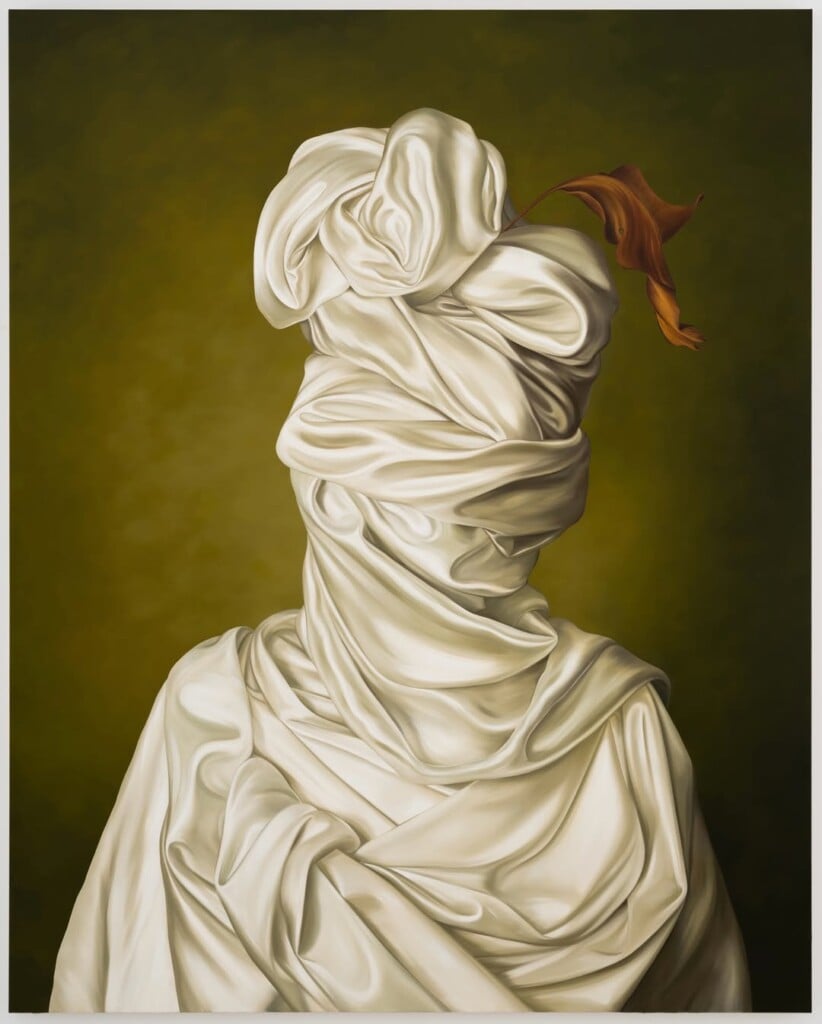
Through portraiture, Polish artist Ewa Juszkiewicz (Gdańsk, 1984) subverts established visual conventions and paves the way for a distinctly neo-surrealist aesthetic. For centuries, among the most recurring images in art history—and in keeping with a male-dominated artistic tradition—the celebrated female portrait has occupied a central role: a woman made beautiful, or unpleasant, through the will and the ever-confident hand of a man.
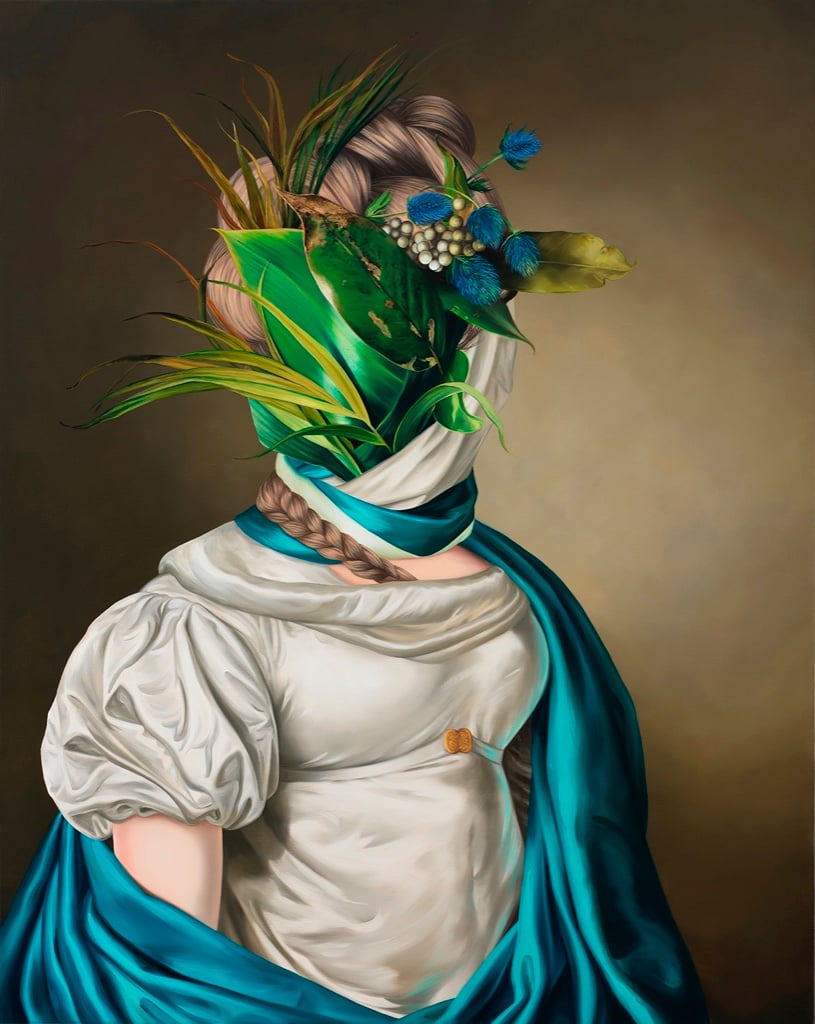
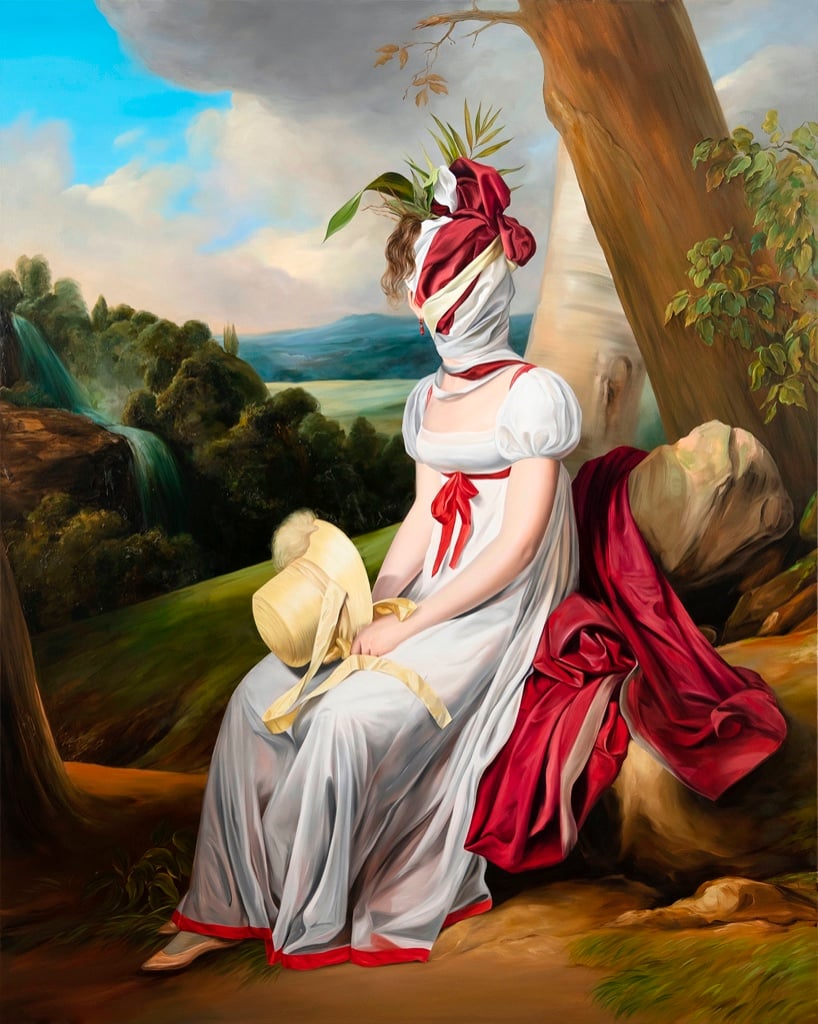
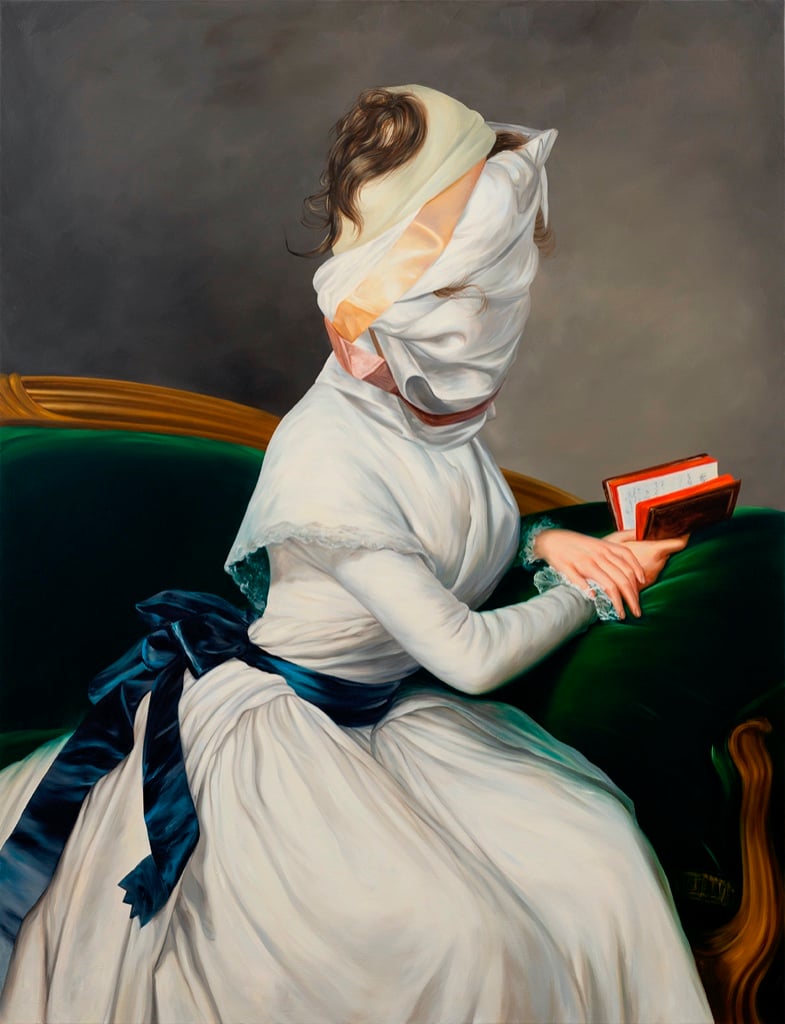
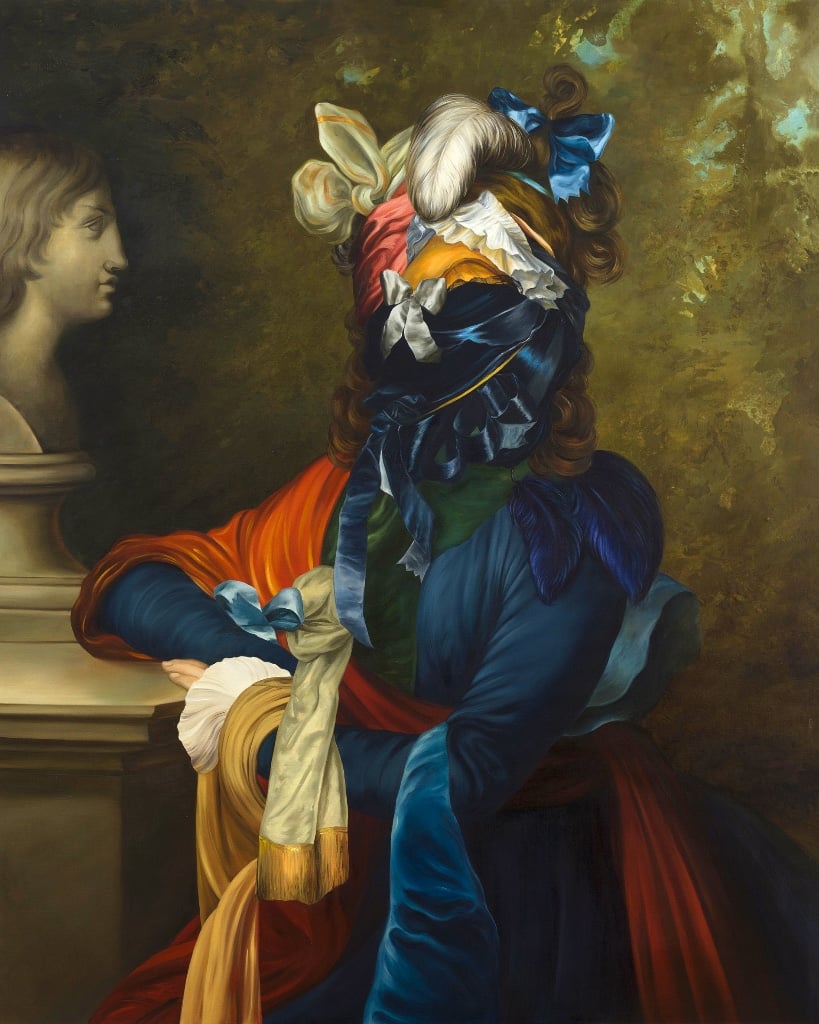
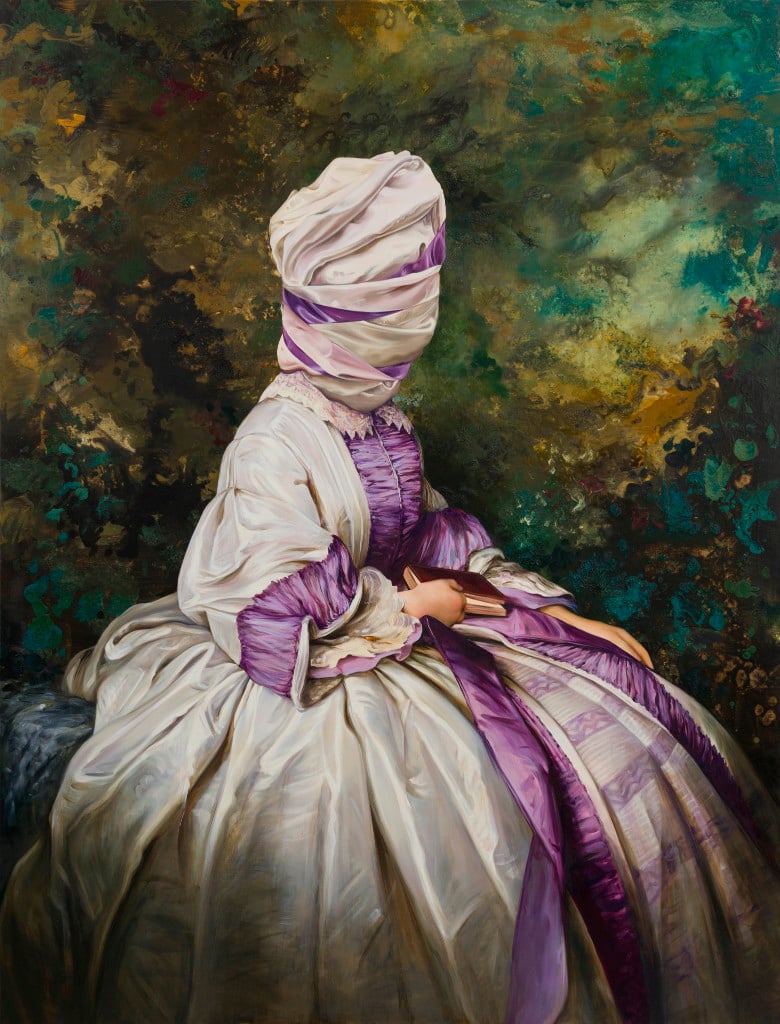
If the feminist collective Guerrilla Girls is credited with the famous 1989 poster featuring a nude female body with a gorilla’s head and the slogan “Do women have to be naked to get into the Metropolitan Museum?”, Ewa Juszkiewicz deserves recognition for the sharp and elegant sarcasm with which she has spent years wrapping and concealing the faces and expressions of women silenced for far too long, and in profoundly unjust ways. By depriving her subjects of the emotional power of their gaze and the strength conveyed through their eyes, Ewa Juszkiewicz creates a subversive drapery that, beyond the beauty and shimmer of luxurious fabrics, becomes an opportunity to tell a new story about femininity.
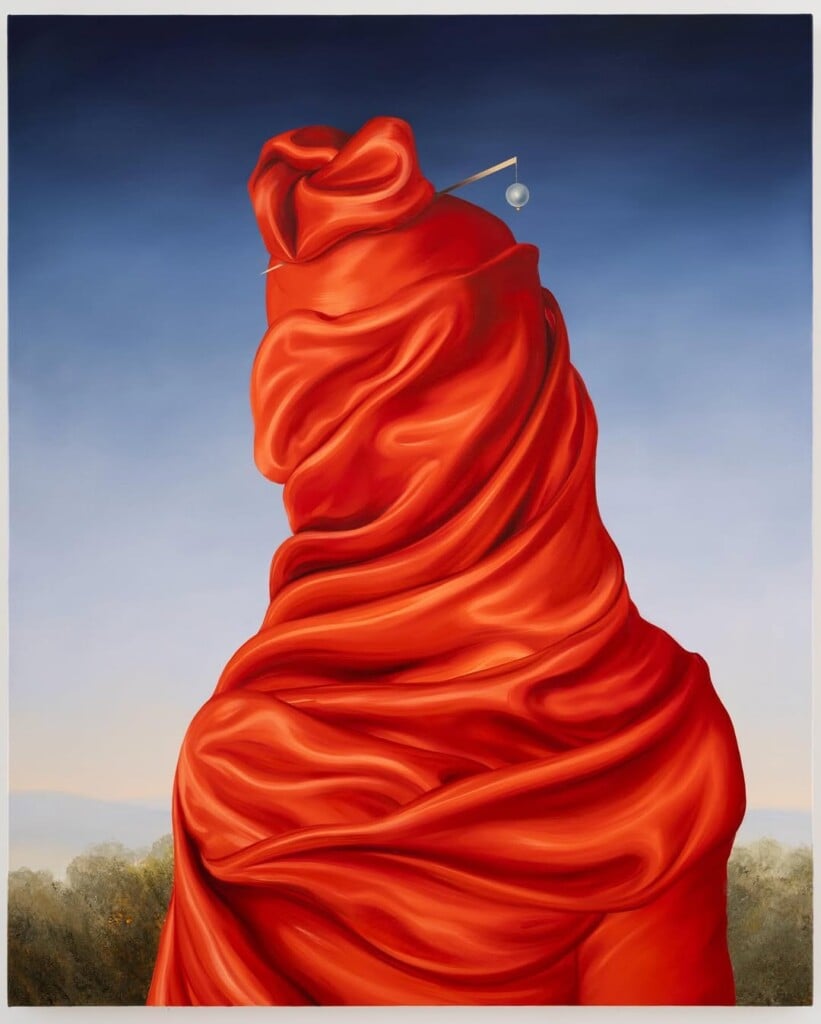
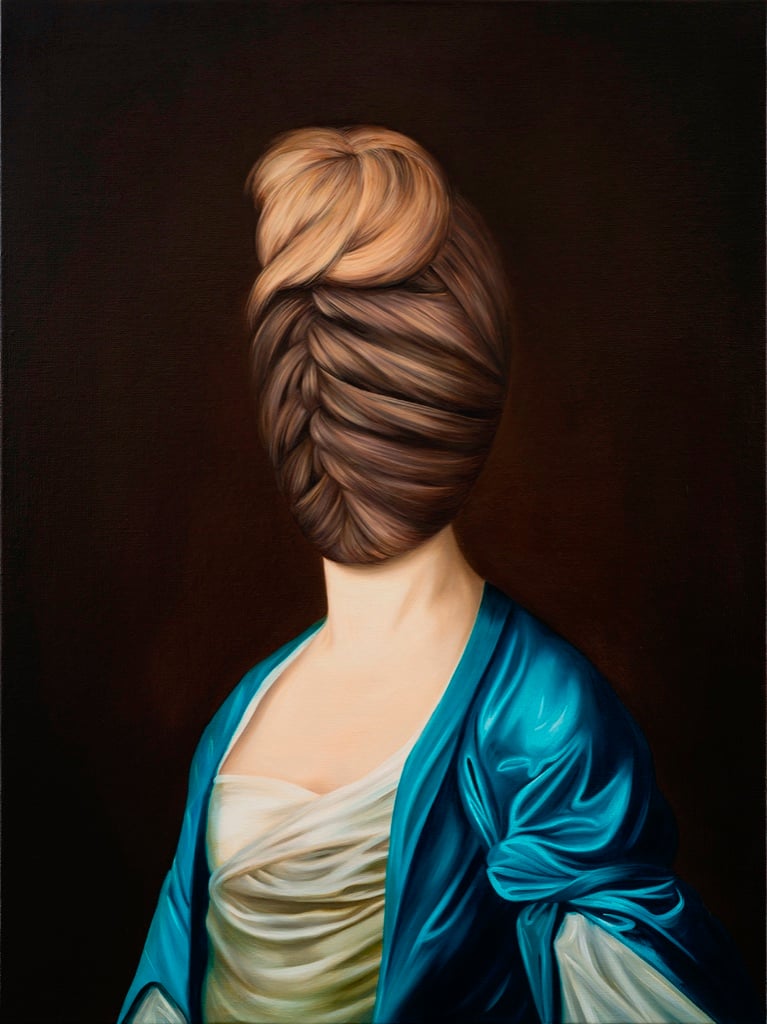
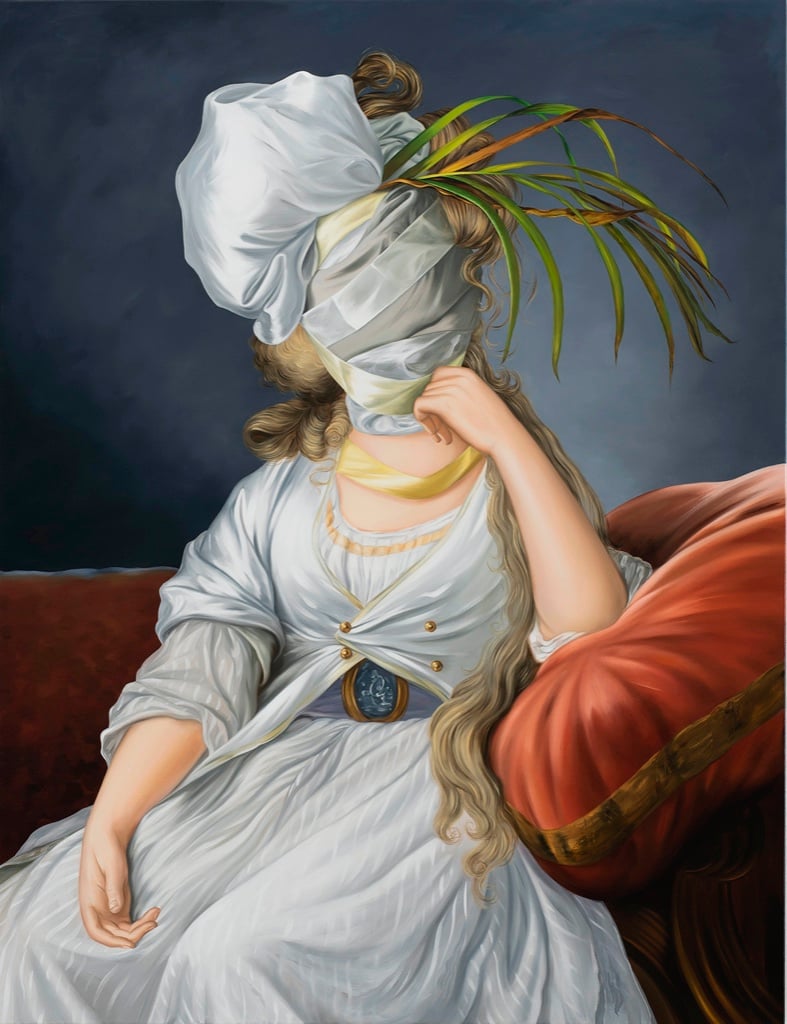
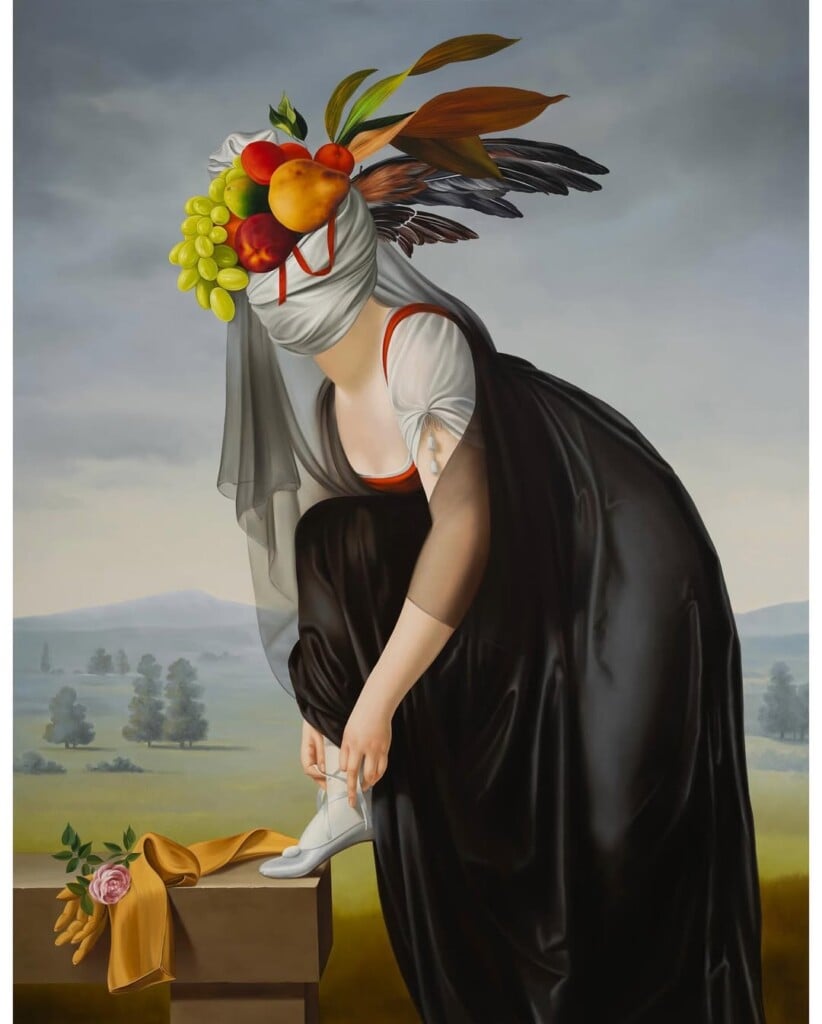
Veils, silk, and velvet, embellished with pearls and precious gems, become the essence of a shell that conceals in order to reveal the unspeakable. At the center lies a new understanding of portraiture, suspended between affirmation and memory, and the artist plays with what is hidden from view and with the possibilities of what remains unknown. If seventeenth-century portraiture gradually drew the attention of European painters to the wealth and pleasures brought back from expeditions to the New World—exotic flowers, tropical fruits, and rare species such as birds and reptiles—Ewa’s neo-surrealist painting likewise seems to draw inspiration from that rich variety of objects and decorations that long adorned the fragment of reality immortalized in aristocratic portraits.
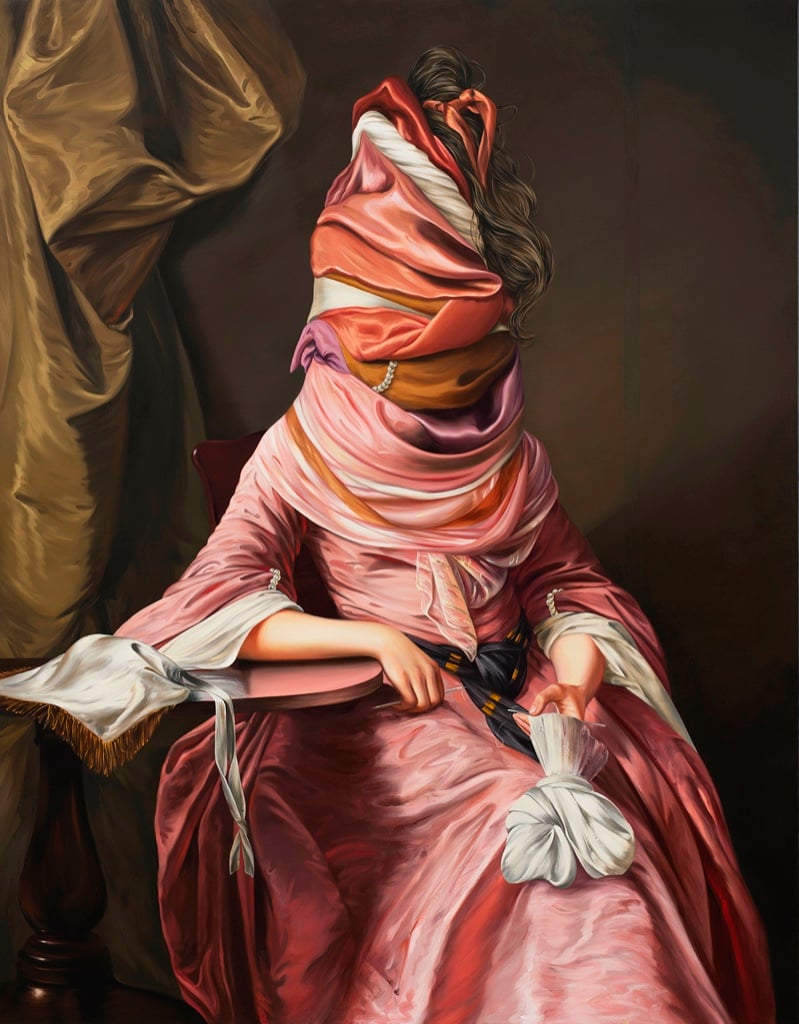
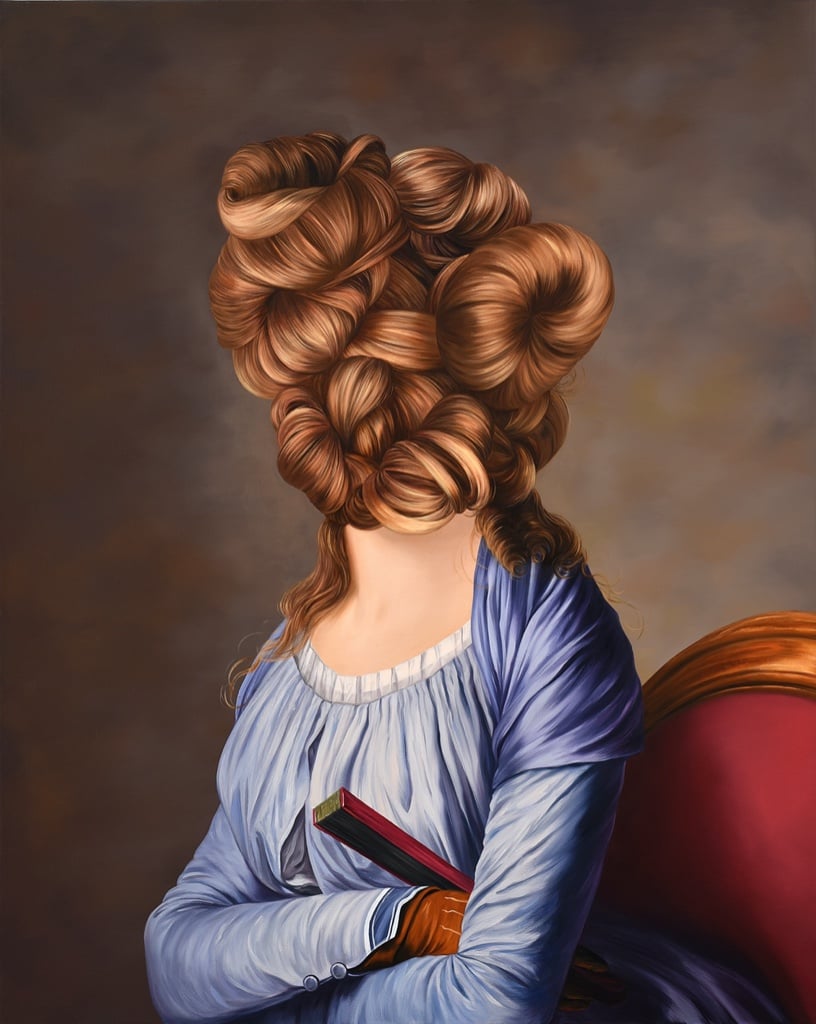
Just as the elaborate hairstyles of the ladies favored by the Sun King quickly evolved into true living sculptures—sometimes even inhabited by caged birds, whether alive or taxidermied for the occasion—many of the artist’s portraits similarly focus on detail and the faithful rendering of the atmospheres most characteristic of genre painting.
A subtle irony and an unmistakable critique, directed equally at the present and the past, fuel the tangible dream of overturning centuries-old narratives and excessively solemn representations.
Article by Floriana Savino