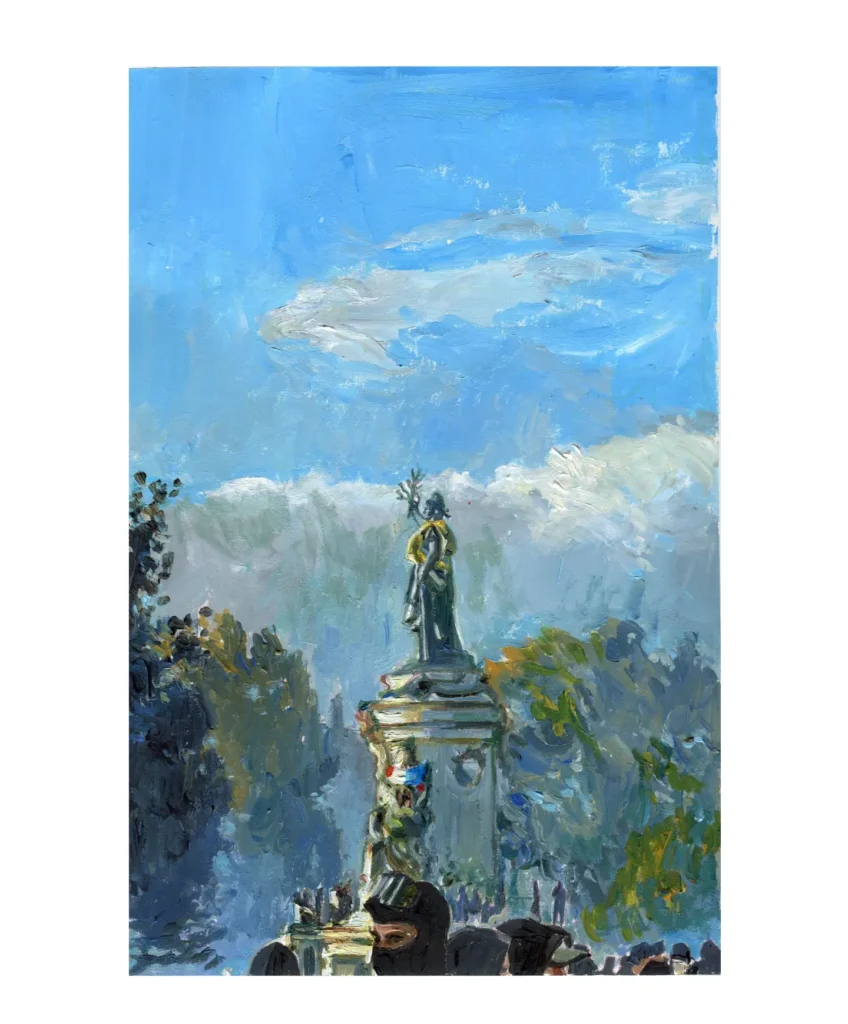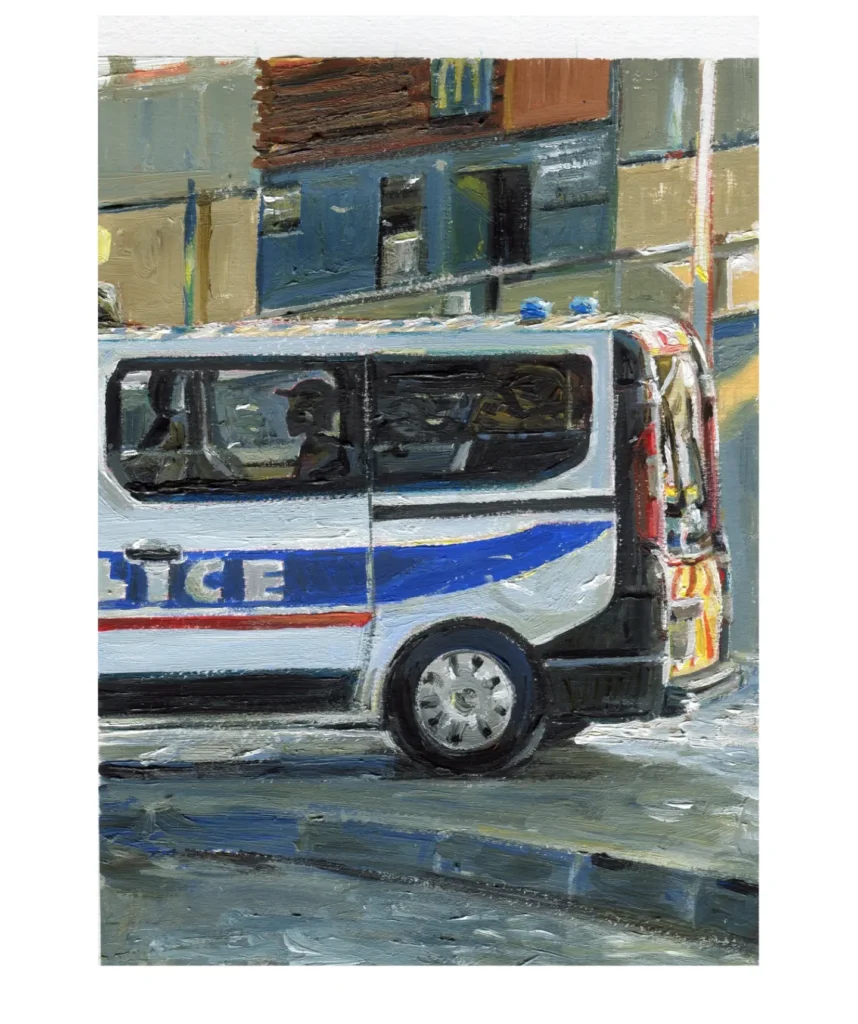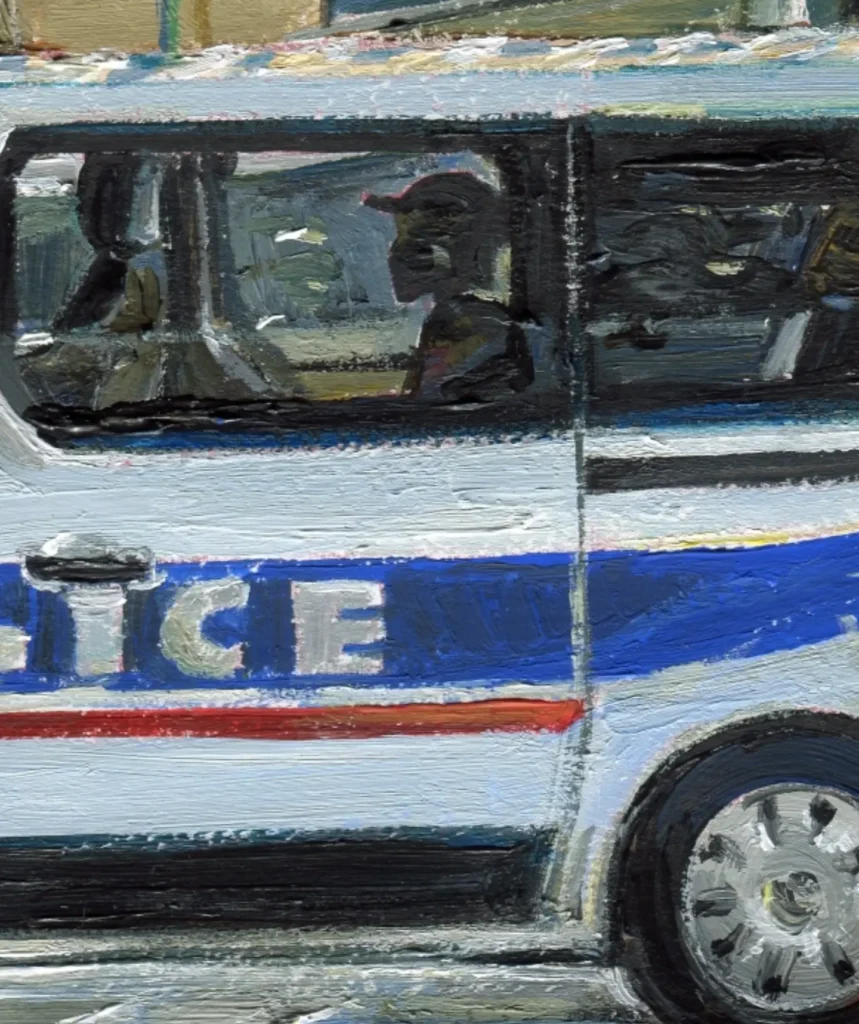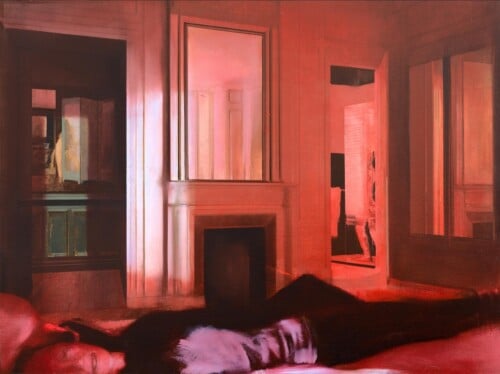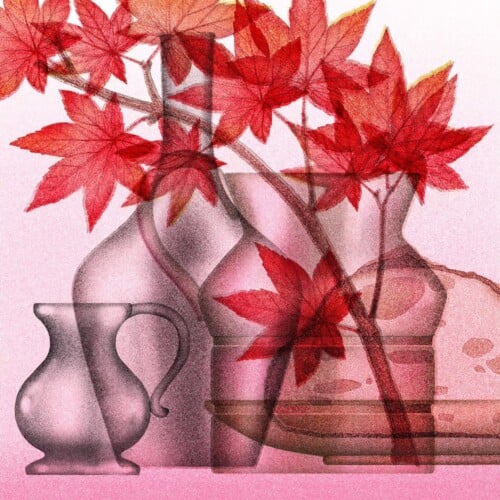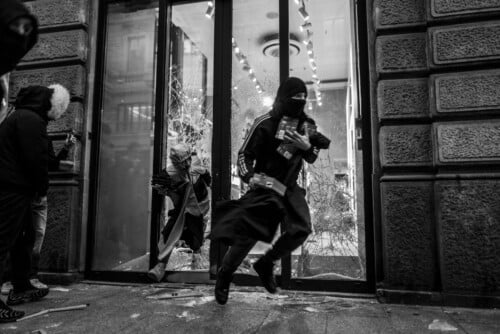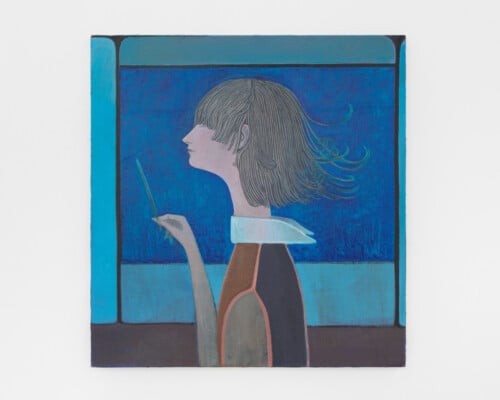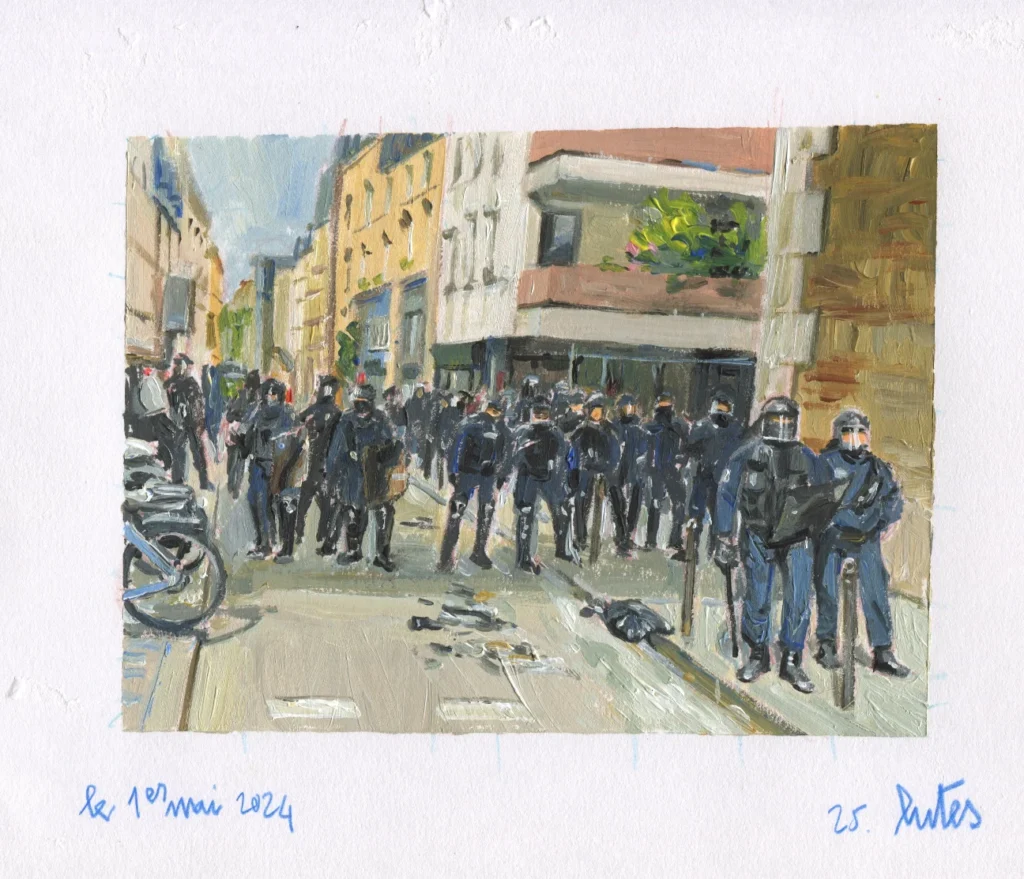
Paris is a city that changes constantly, crossed by contradictions, social tensions and moments of life that often disappear before they can even be observed. It is from this shifting landscape that the work of the artist Lutes begins, a pseudonym inspired by the ancient name of the French capital, Lutetia. Born in Paris in 1987, the artist develops a figurative painting practice that looks at the contemporary world through real places, people and situations. His works are born from personal photographs and sketches made on the spot, turning fragments of experience into images capable of preserving something of the time in which they were created.
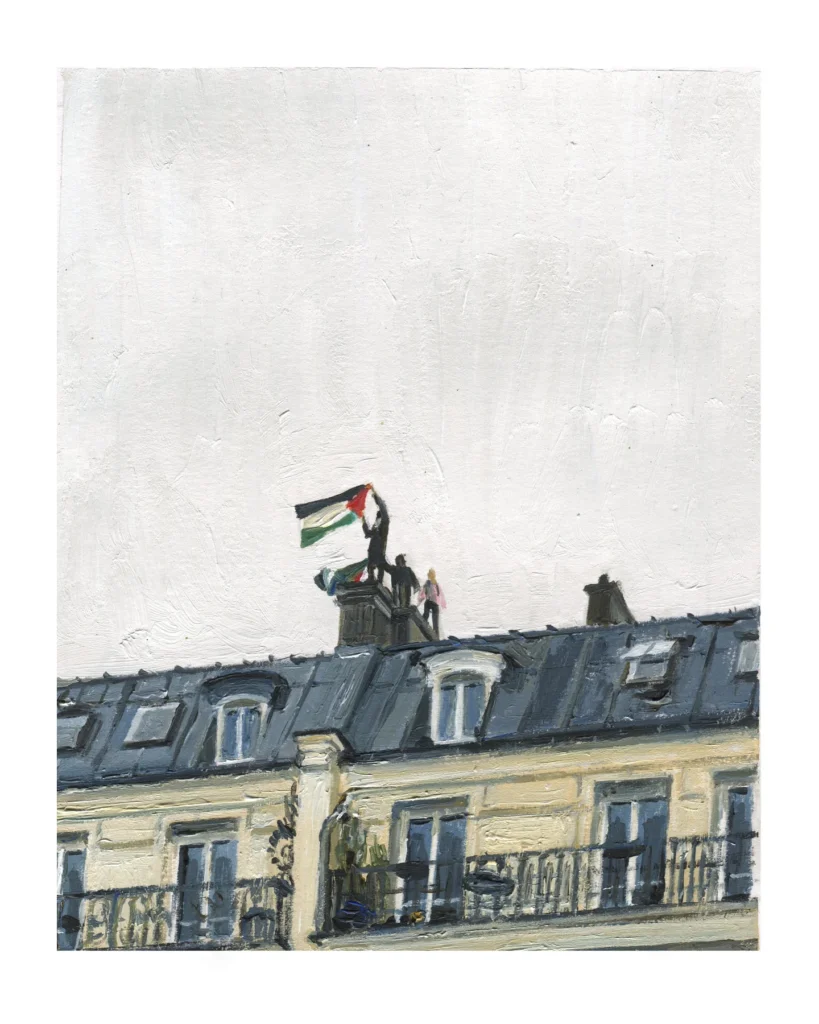
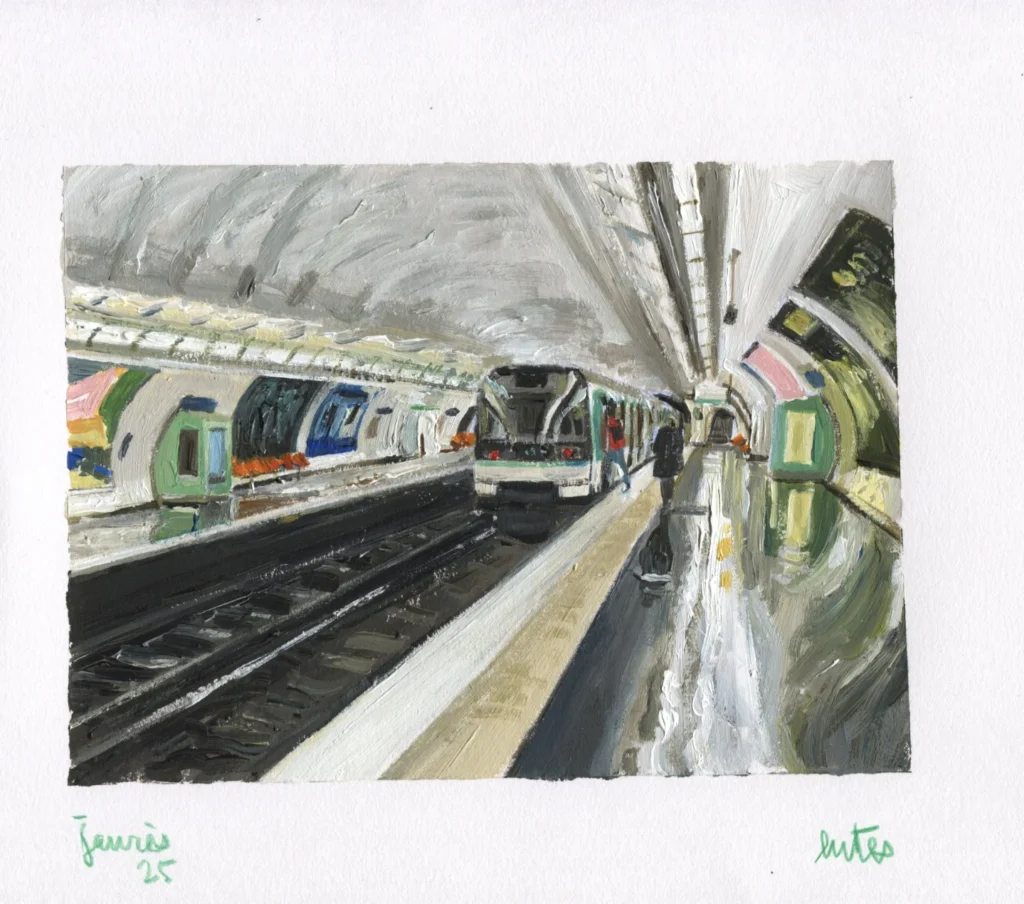
His interest in the city is not limited to depicting its most recognizable views. Lutes observes above all what happens in urban spaces: the human presences, lights, objects and atmospheres that help define the identity of a place. In his research, painting becomes a tool for slowing down the gaze and restoring attention to what the frenzy of daily life tends to make invisible. The result is a portrait of Paris far from the postcard image, built through concrete experiences and seemingly ordinary details.
This attention to contemporary reality also opens up a social dimension. The city is never separate from the people who move through it, nor from the changes that continually alter its face.
Streets are never just streets: they become places of dissent, solidarity and protest, where a community tries to make its voice heard. In this sense, Lutes’s work can be read as a form of visual testimony: to paint is to choose what to preserve, turning a fleeting moment into a lasting trace. It is a particularly interesting perspective when looking at public space as a place of debate, conflict and collective participation, even though individual references to the protests should be tied back to specific works.
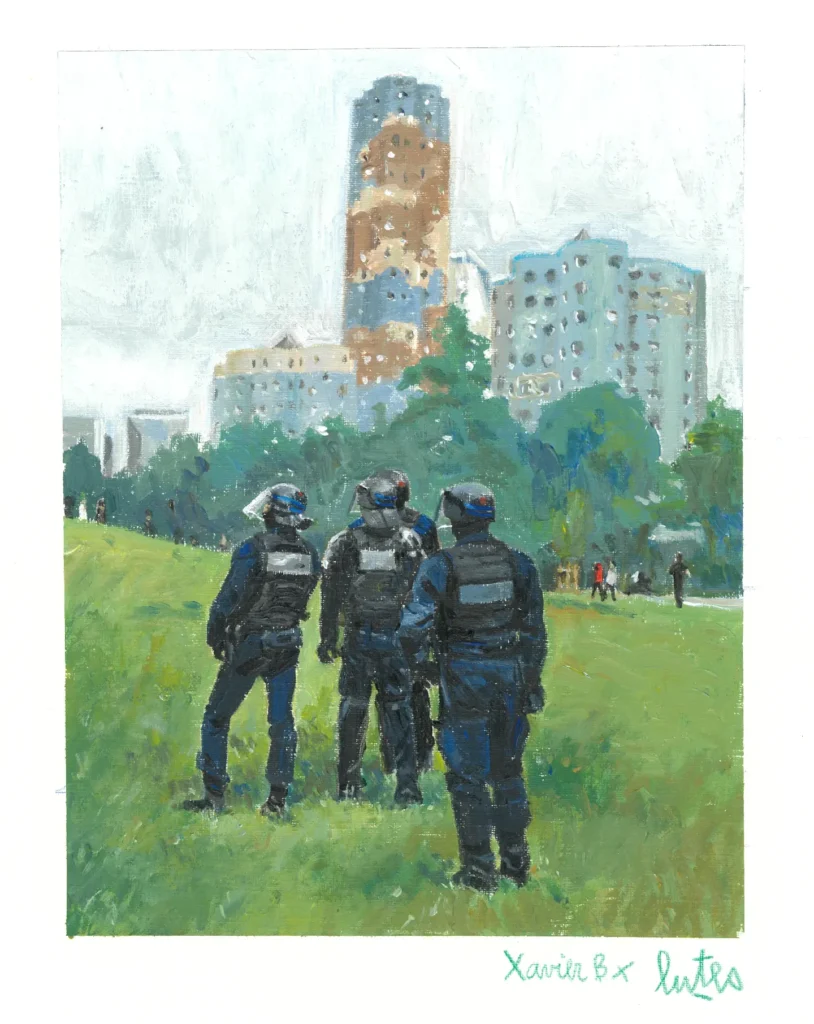
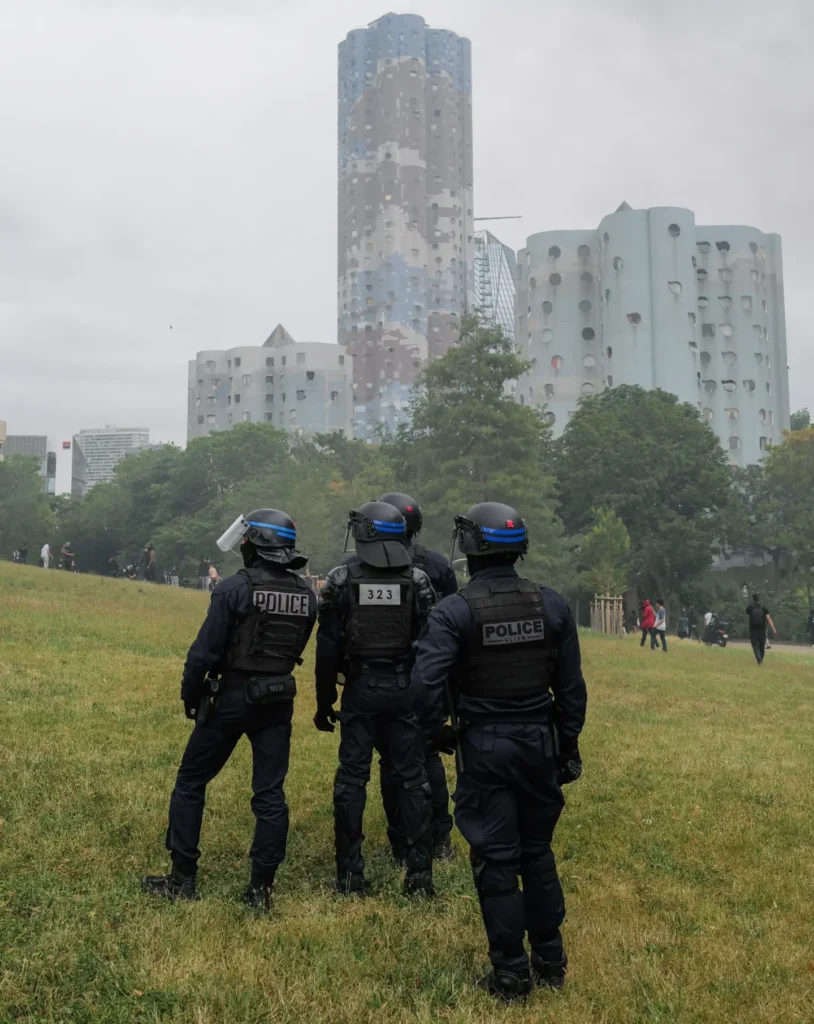
More than offering a definitive representation of Paris, Lutes gathers its fragments and impressions, conveying a city made of presences, atmospheres and transformations. His painting thus sits between observation and memory, between the desire to freeze an instant and the awareness that every image tells only part of reality. It is precisely in this dimension that his work becomes an attempt to preserve what time, daily life and change continually risk erasing. In the current context, painting Paris also means engaging with a city that never stops redefining itself through dissent. The protests bring an essential question back to the forefront: who has the right to occupy public space and leave a mark on collective history?