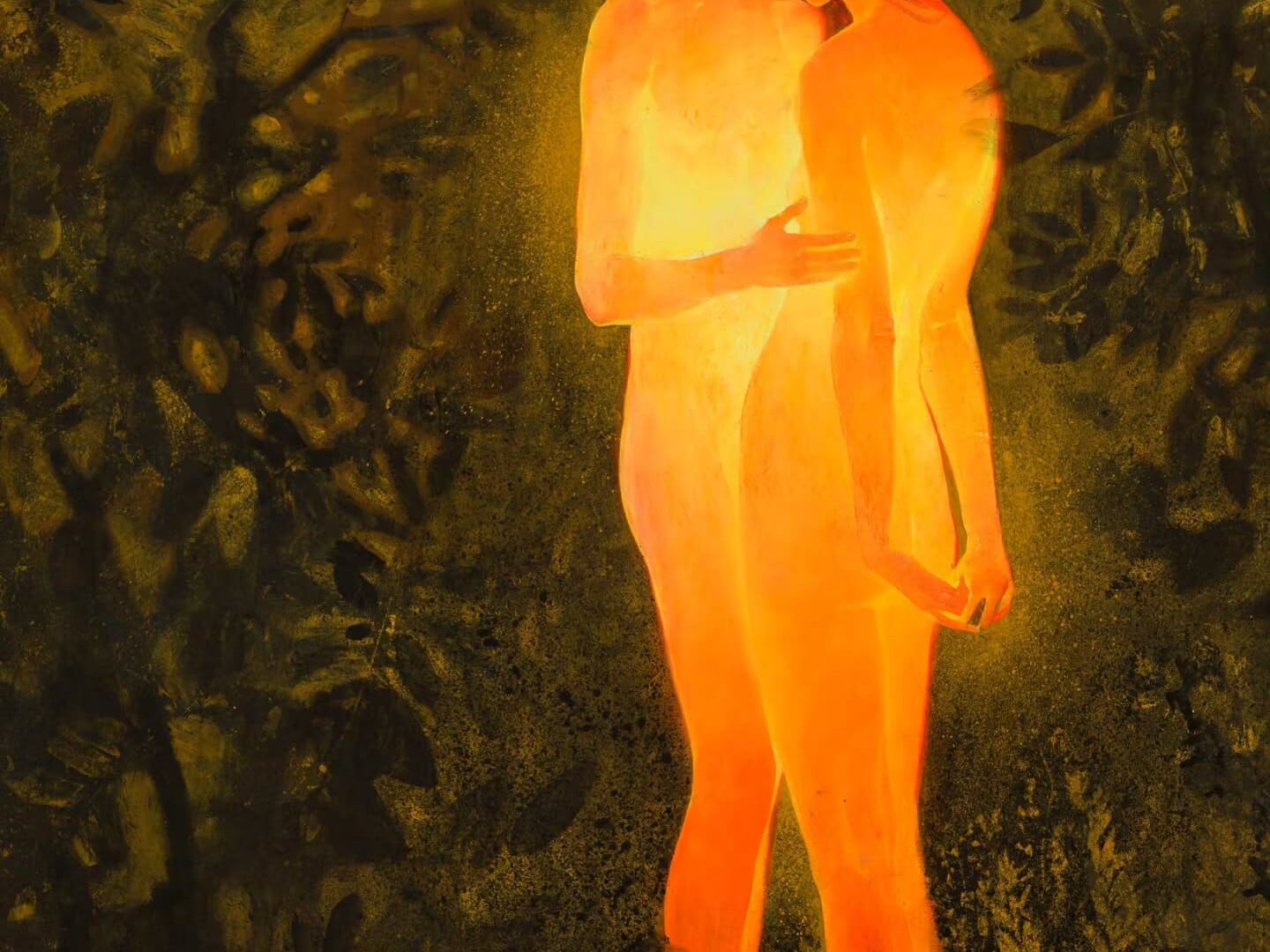
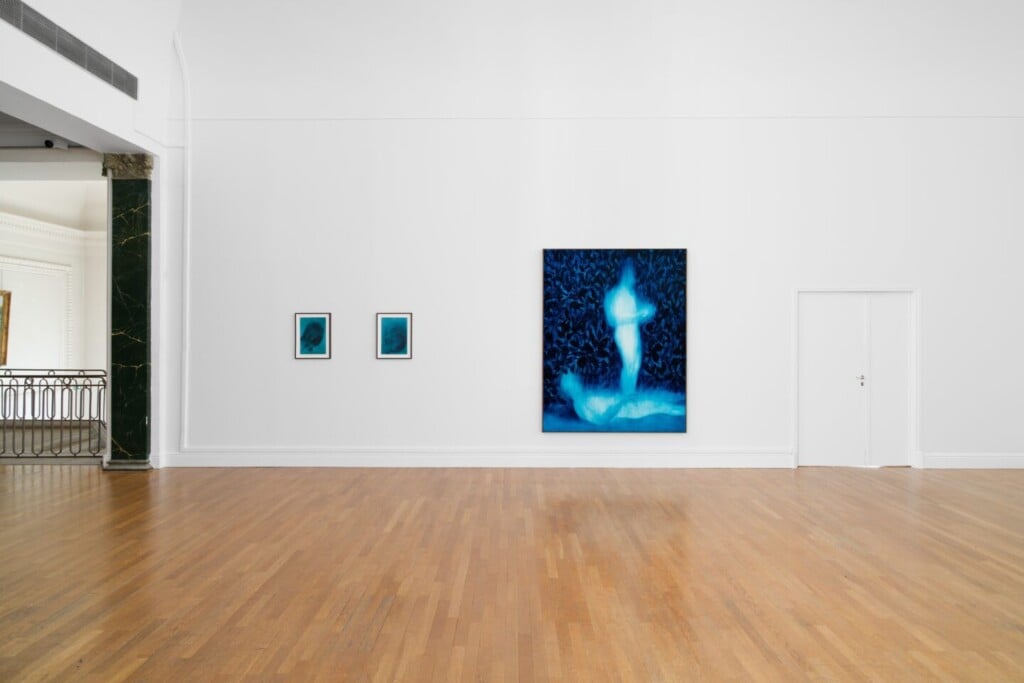
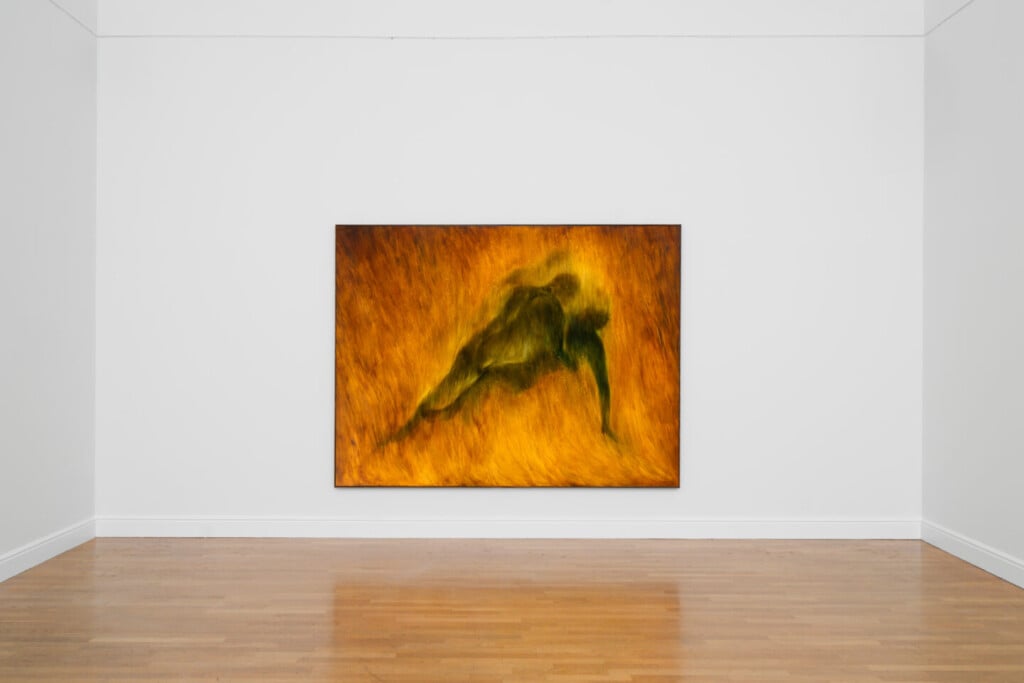
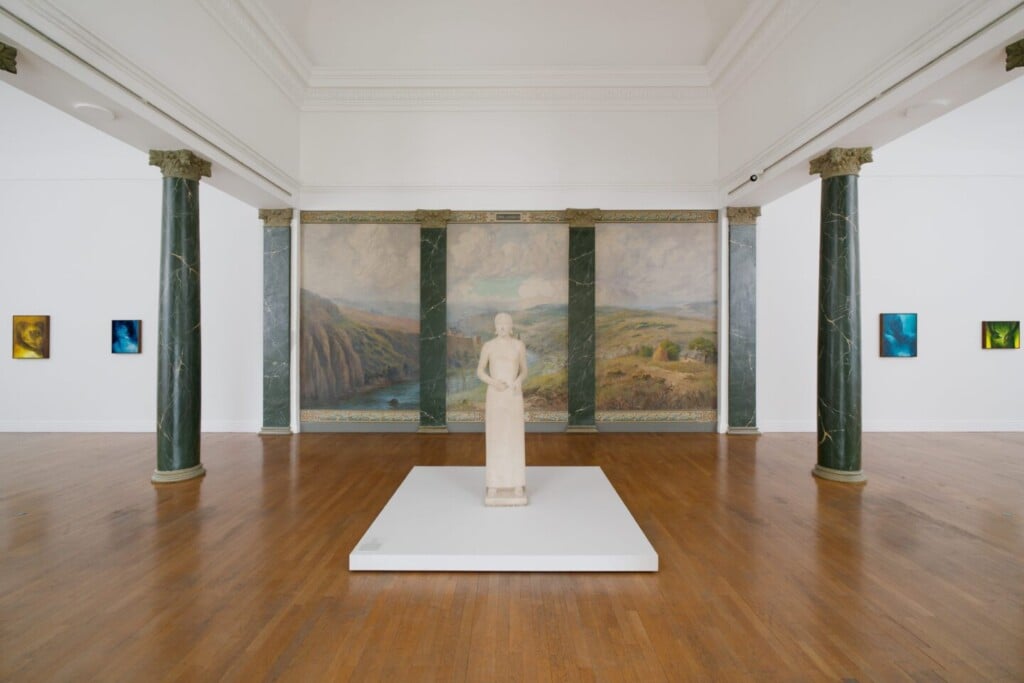
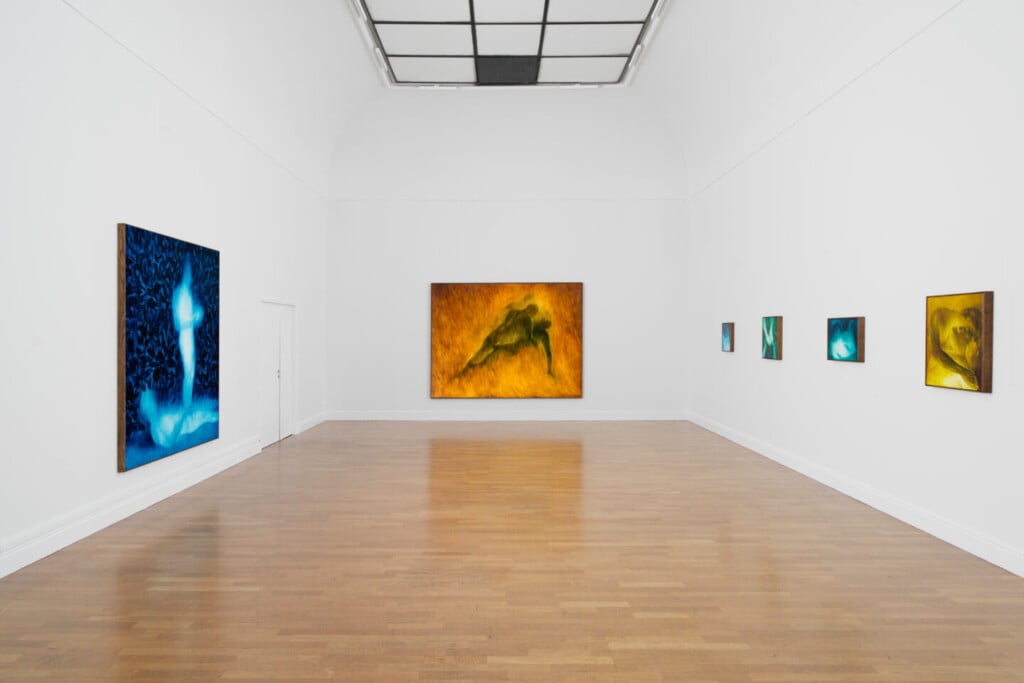
The works of visual artist Xie Lei (Huainan, 1983), winner of the 2025 Duchamp Prize, are the protagonists of the solo show Double, on view until October 25 at the Musée Denys-Puech in Rodez, France.
At the stroke of 1600, Caravaggio tore through the traditional image of faith by bringing to the stage a Christ in flesh and blood, ready to show an incredulous Saint Thomas the depth of the wound in his side and to let him put his fingers inside it. A human and revolutionary choice, typical of a maverick painter, that changed the way the sacred body was represented.
Along the same lines, contemporary artist Xie Lei has reaffirmed the idea.
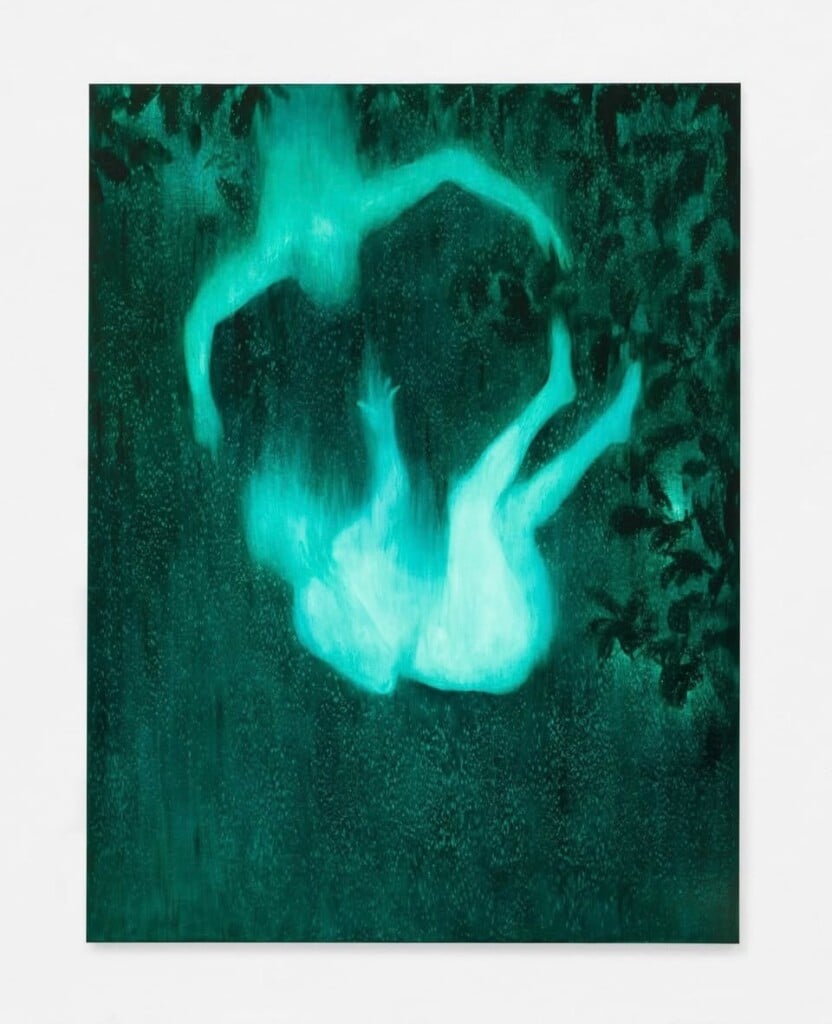
If we can feel something, then we can believe in it. If we can’t touch something, we can’t believe in it. I think this is an interesting element to explore.
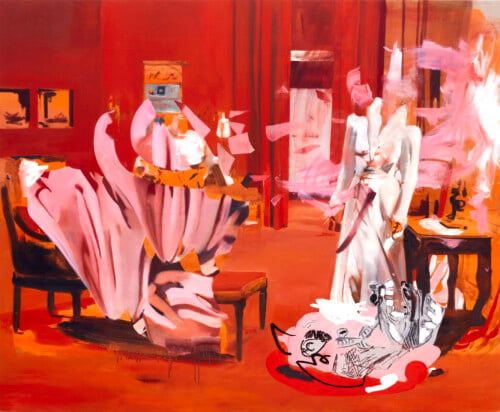
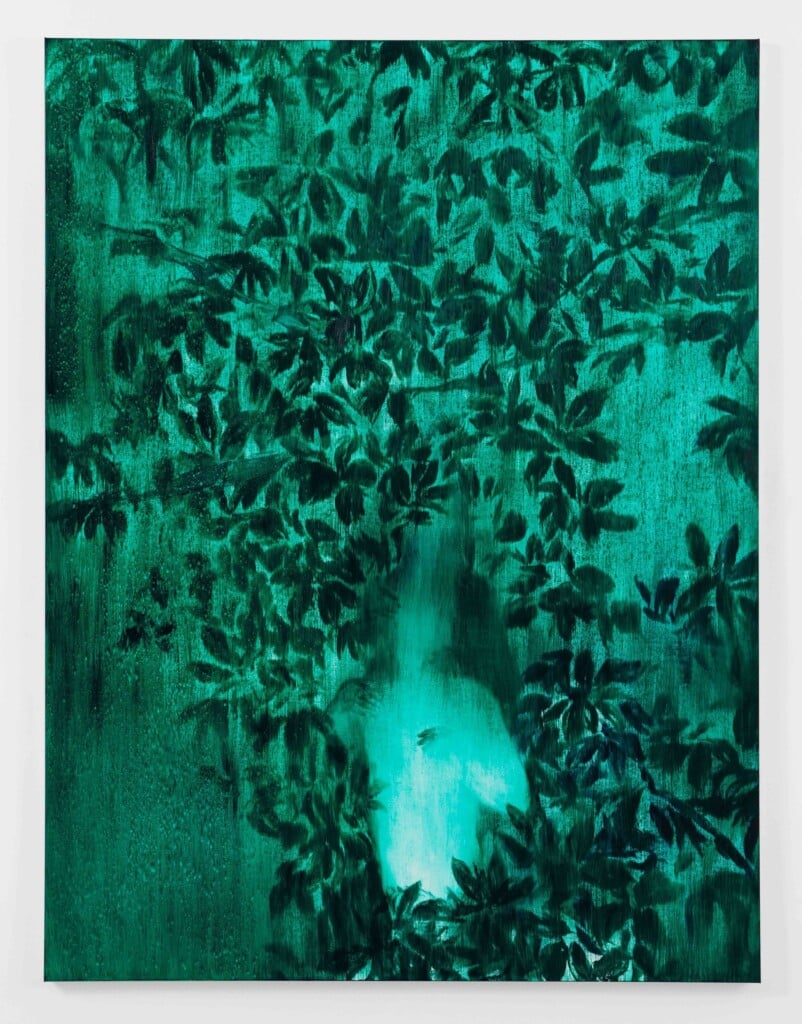
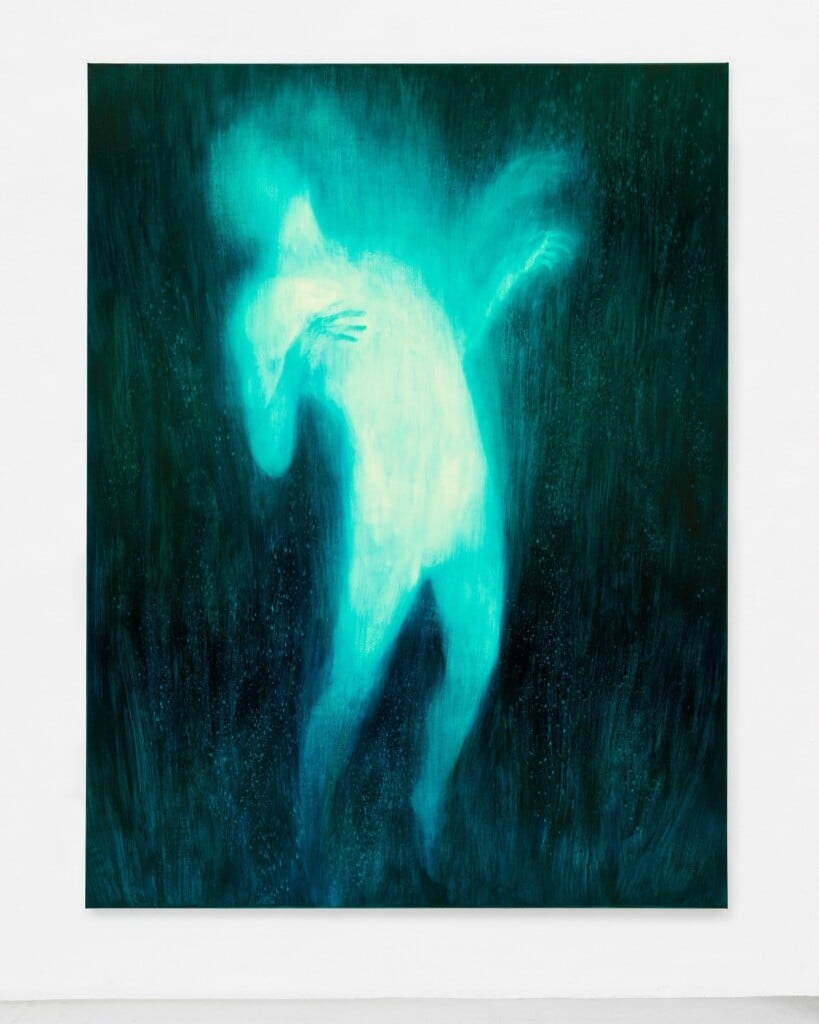
With a light yet intense brushstroke, attentive to the presence of matter and color, the artist of Chinese origin, who has lived in France for years, explores suspended states of mind and, at the same time, a vivid and at times fierce introspection.
Flashes of light and tongues of fire meet the shadows and merge in the dark, pasty recesses of a motionless reality, inside the space of the dream. Mysterious, anonymous figures, carved out of the dark background of an infinite space and time, meet the viewer’s gaze and call for a participation made of desire and curiosity, to imagine other images and personal sensations.
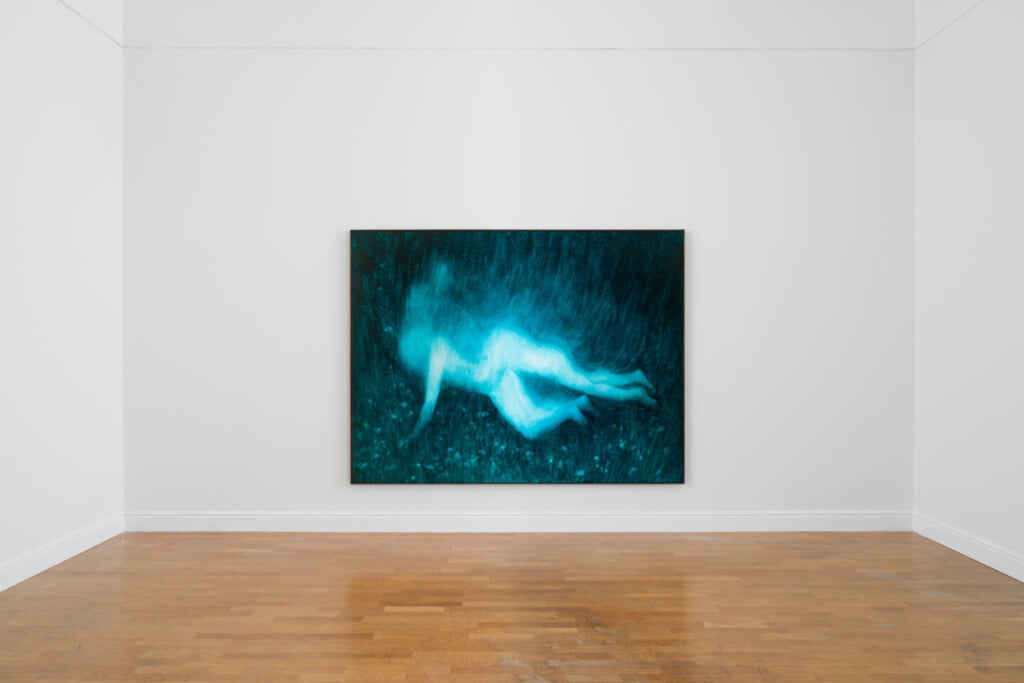
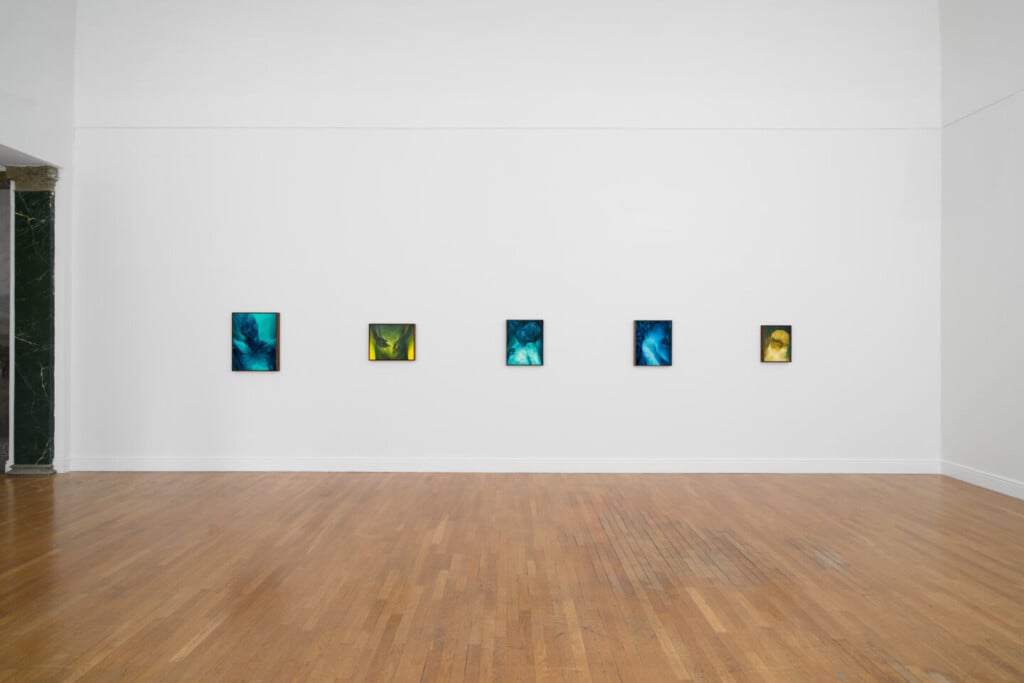
Transformations and exceptional states of being fill an atmosphere that goes beyond the canvas. From the act of love to the most fiery perdition, unrecognizable bodies in full metamorphosis open up to a double level of interpretation, which always depends on the person looking.
Flames envelop and transform, while Xie Lei’s hand, during the process, goes back over the thinnest layers of paint to remove some touches of color deemed excessive and free small flashes of canvas. The artist, in fact, does not use white as a pigment. What appears light to the eye, as a highlight, is the raw material that the white canvas takes back when Xie’s fingers decide to free small fragments of it.
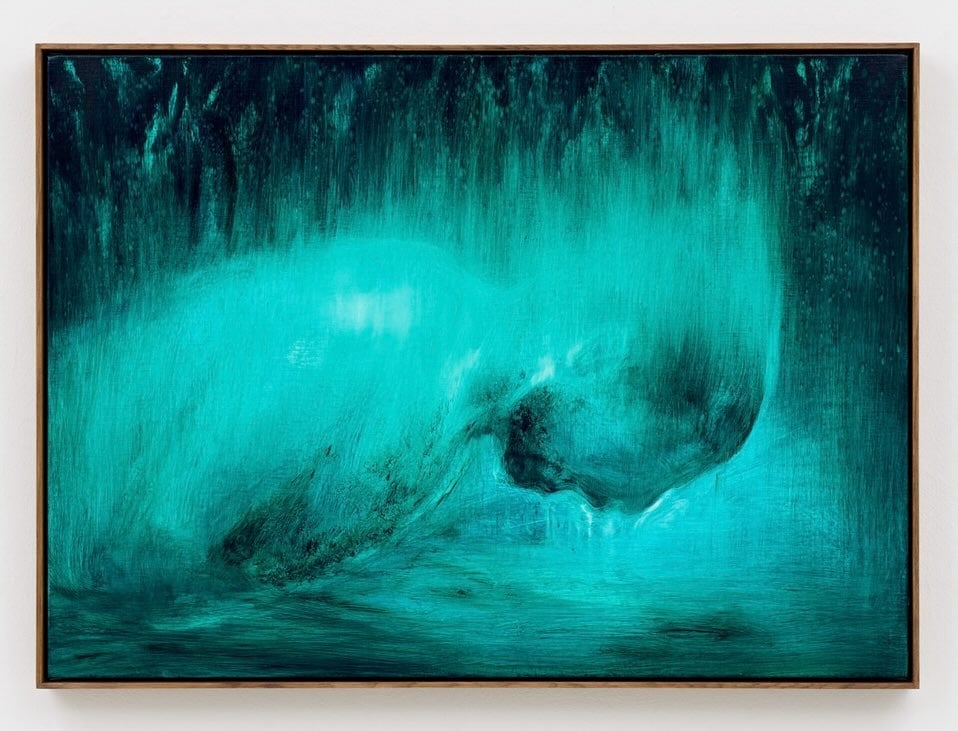
As it was for the mature Titian and his visceral painting, for Xie Lei too the space of creation becomes a poetic calling, one that makes of the hands its stylistic signature and the release of a dream or a nightmare, immortalized forever on the canvas. States of being embrace transformation, while irreplaceable sighs trace an itinerary with a universal flavor.

Read also: