From the landscapes of California to the region’s cultural traditions, the collective La Neta Murals turns public walls into shared stories, bringing art outside conventional spaces. A wall can separate, delimit, and hide, but it can also become the place where a community recognizes something of itself. This possibility is the starting point of the work of La Neta Murals, an art collective founded in 2020 in the Monterey Bay area of California, with the goal of making art accessible and creating a bond between images and the people who live around them.
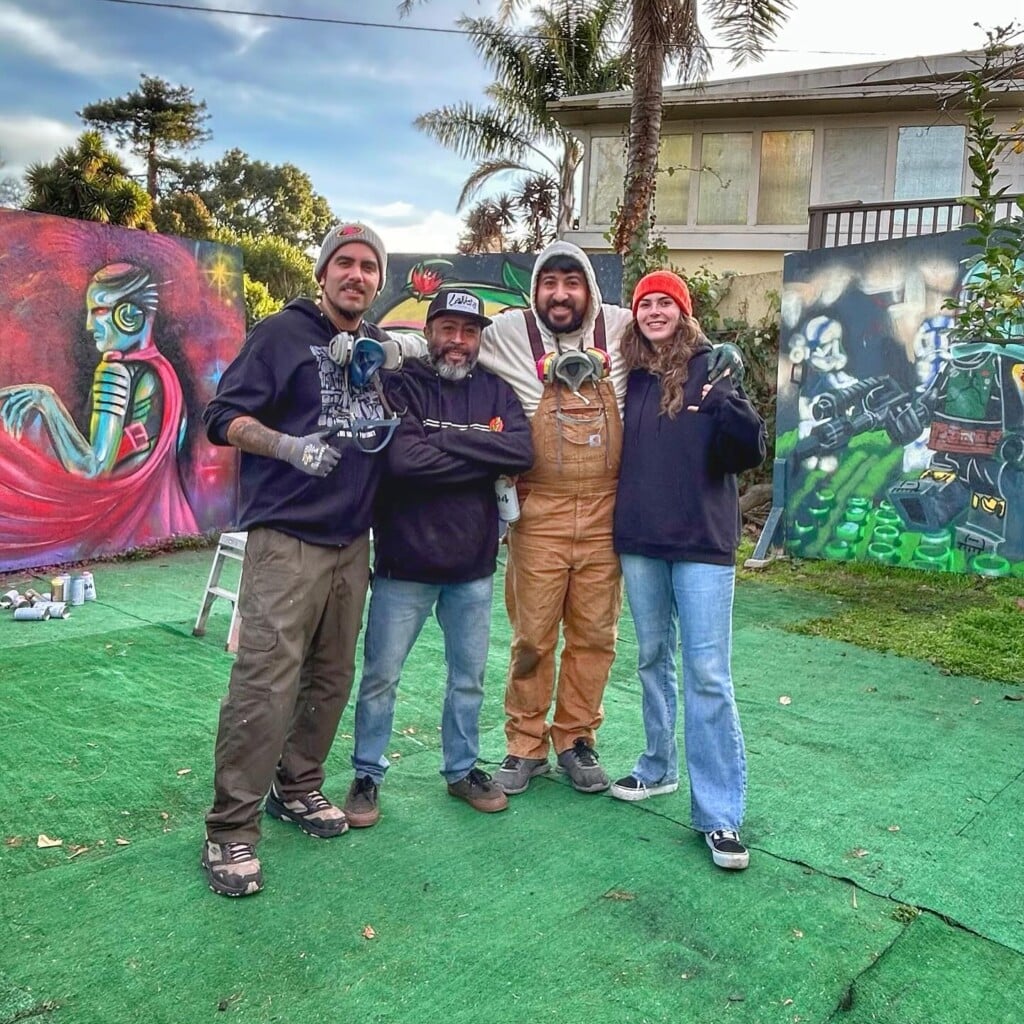
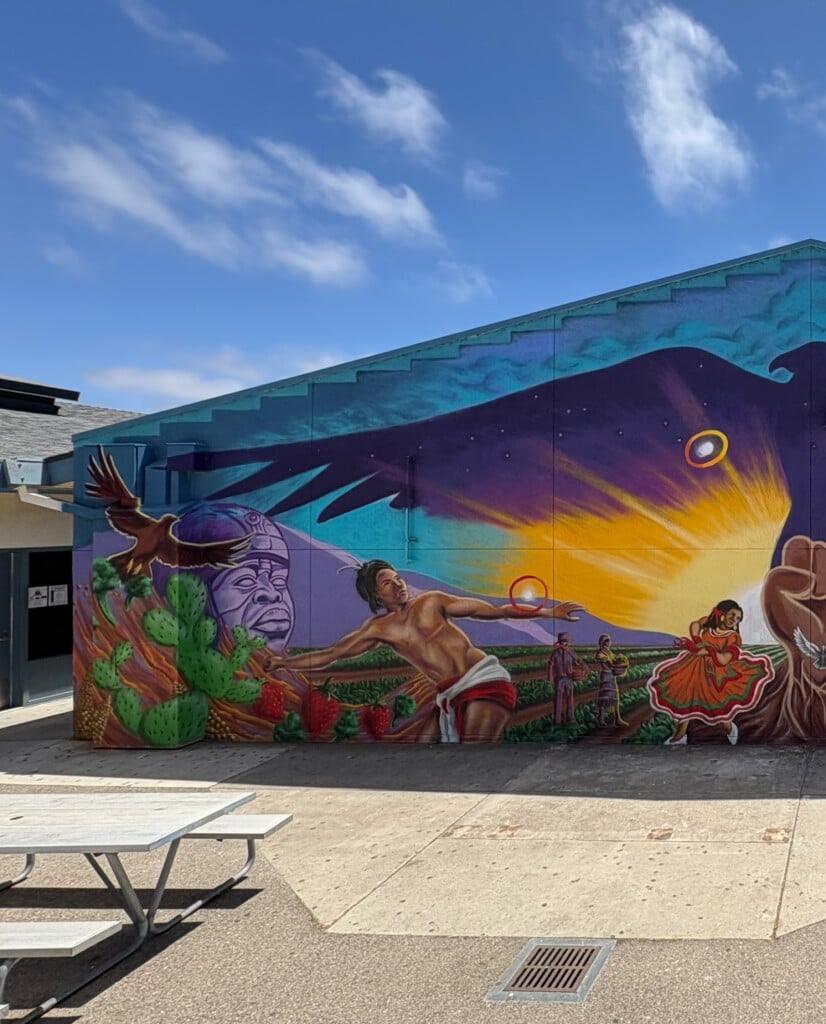
Founded by five artists, Arsenio Baca, Natalia Corazza, Gerardo Zambrano, Avelino Sanher and Sea Sevilla, La Neta Murals has evolved over time into a smaller, more close-knit group, keeping collaboration and its relationship with the local area at its core. The name itself contains a statement of intent: in Mexican slang, la neta means something like “the truth,” an expression that points to authenticity, cultural identity and lived experience. It is not simply a matter of decorating anonymous surfaces, but of giving shape to stories that deserve to be seen and recognized in everyday space.
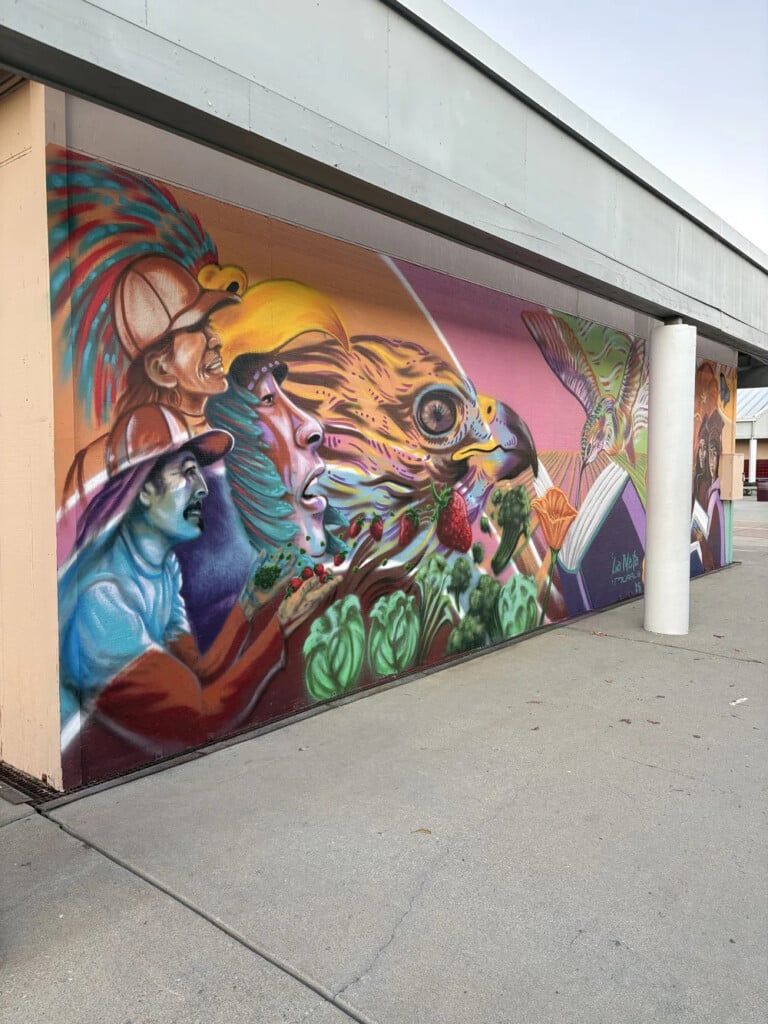
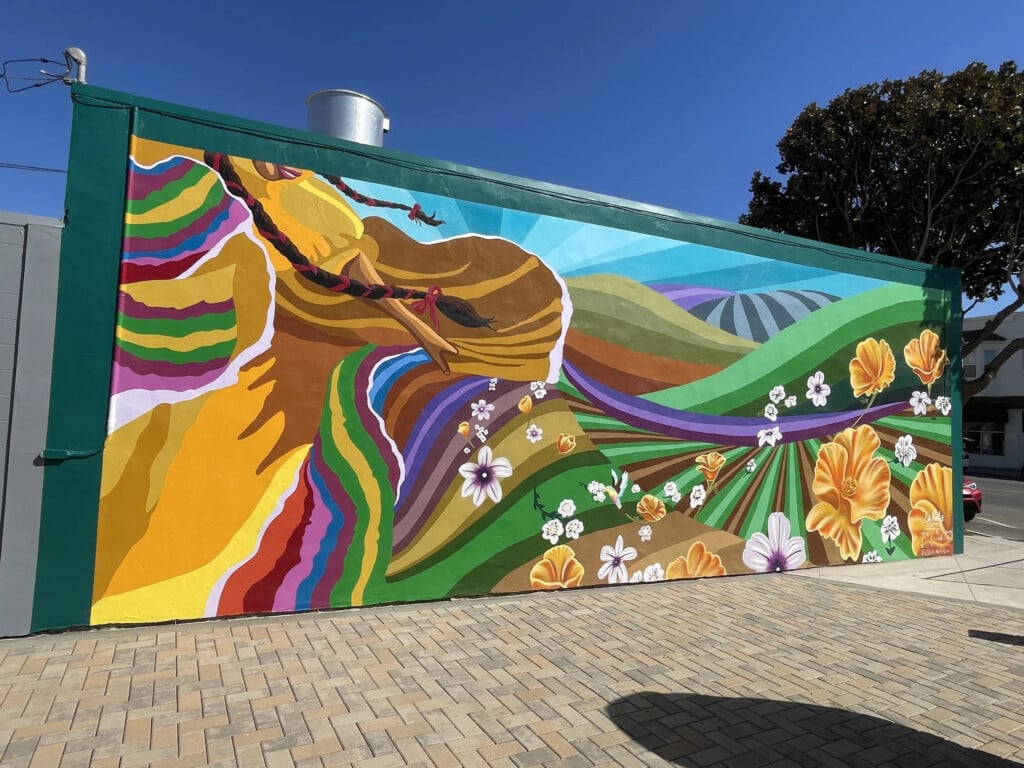
One of the most interesting aspects of La Neta Murals’ practice is the way the murals grow out of the context in which they are made. Landscapes, traditions, historical memory and local identities become elements of the composition, preventing the public artwork from being an interchangeable image, detached from the place that hosts it. Wind Dance, created in 2024 in the central plaza of King City, California, is a case in point. The mural, which measures roughly 12.2 meters wide by 4.5 meters high, depicts a baile folklórico dancer whose dress seems to blend into the surrounding hills. Native wildflowers unfold from the dress, ideally carried by the wind over vineyards and colorful fields. The figure is not isolated from the landscape: it becomes a continuation of it, interweaving cultural expression and the natural environment.
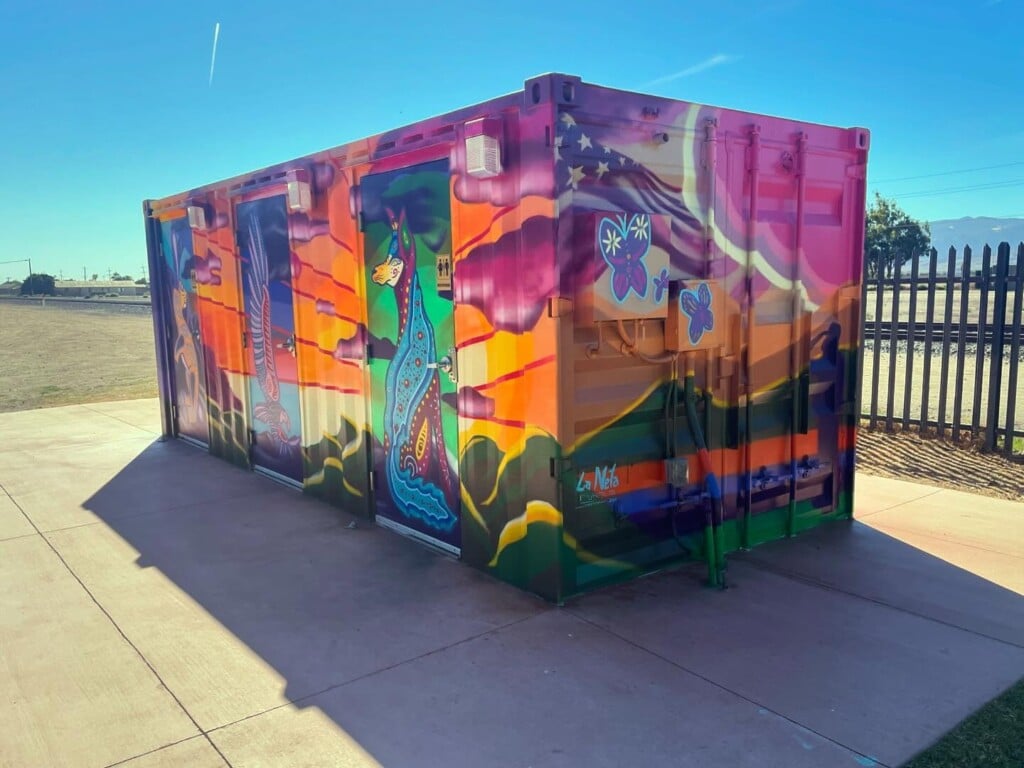
The project also involved local artists, including Gustavo Perez, Jude Yriarte, Zitlali Villagomez Monroy, Yesenia Chavez and Debra Cobb. Collaboration is therefore not just an abstract principle, but becomes a concrete part of the process of creating the work. Another direction emerges in Service Before Self, a mural about 21 meters long created in 2023 for the Seaside fire station. Commissioned by the city, the work weaves together references to the area’s military history, the local landscape, firefighters and community participation, and also includes the memory of Martin Luther King Jr.’s visits to the area. The wall thus becomes a space where different memories coexist, offering a more layered narrative of the place.
For La Neta Murals, the value of an artwork does not end with its final image. The creative process includes listening, dialogue and participation: elements the collective also carries forward through workshops for young people. The workshops are structured as a path that guides participants from conceiving a mural to realizing it. They work on composition, color and art history, but also on communication, problem solving and the collaboration needed to work on a large surface. Artistic practice thus becomes an opportunity to learn how to share ideas and turn them into a common project.
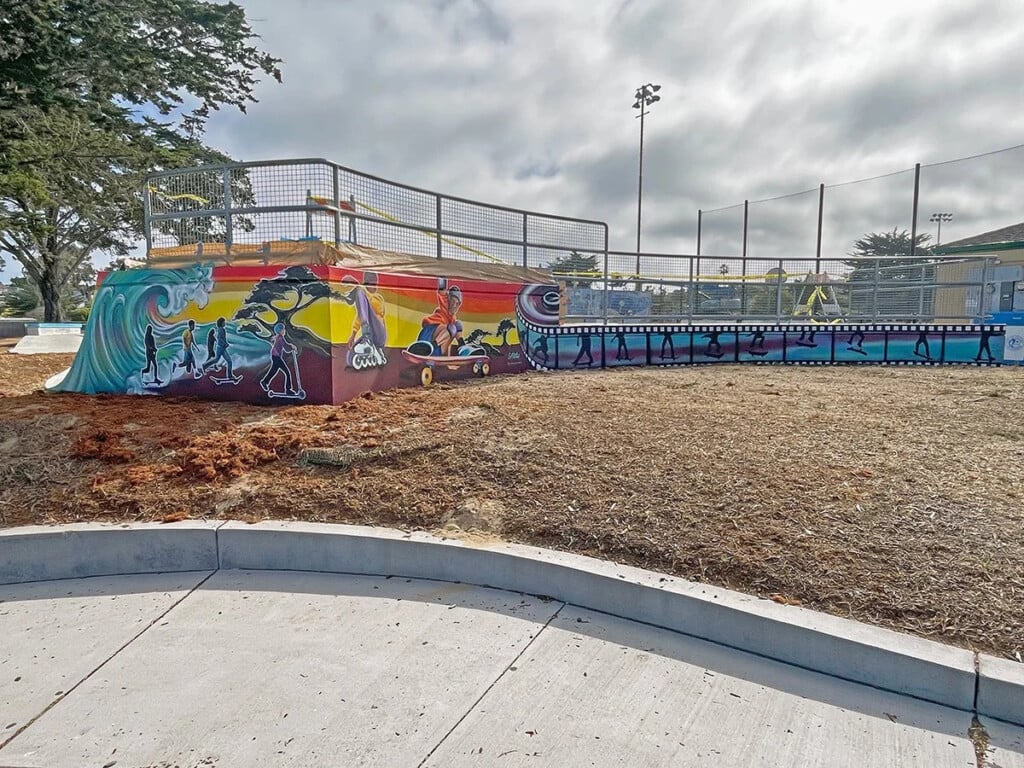
It is a dimension that sets muralism apart from many other forms of artistic production: the work remains in public space, accessible even to those who do not visit museums or galleries, and continues to meet people who have not necessarily chosen to seek it out. In an urban landscape where images can quickly become part of the visual noise, La Neta Murals tries to build a different relationship with walls. Its interventions do not merely change the appearance of a place, but invite us to read it through the stories of those who live there. Because when a wall manages to tell a shared memory, it stops being just a surface: it becomes a space of recognition, encounter and belonging.