In recent days almost every comment has begun with the same statement, violence must be condemned, no ifs and no buts. We want to avoid it. Violence is often the result of an exasperated reaction, a reaction to a provocation, to other violence. Many of the social and economic gains we enjoy and take for granted were won or accelerated as a result of revolts, clashes and violent reactions. It is called the radical flank effect.
We then have to ask where the reaction of young people and students comes from, kids who have gone unheard, who in recent years lived through the pandemic, grew up with wars on their phones and with governments talking about rearmament, who know that a precarious job awaits them, that artificial intelligence could take the very work they are studying for, that a decent pension is anything but certain and that the climate crisis will leave them a planet that is harder to live on. How should they react? From the height of our adult deafness, how do we think they should behave in order to be heard?
We followed two stories together, the truckers stopped on the roads of the South and the broken windows, the protests in the centre of the city where I work. With the editorial team we saw a quantity of distortions and manipulations pile up that is hard to ignore, from newspaper headlines to politicians’ statements, from the images chosen to tell the story of the squares to the ones left out. This piece is Collater.al’s attempt to put them back in order, knowing that every reflection on what is happening is, by its nature, political.
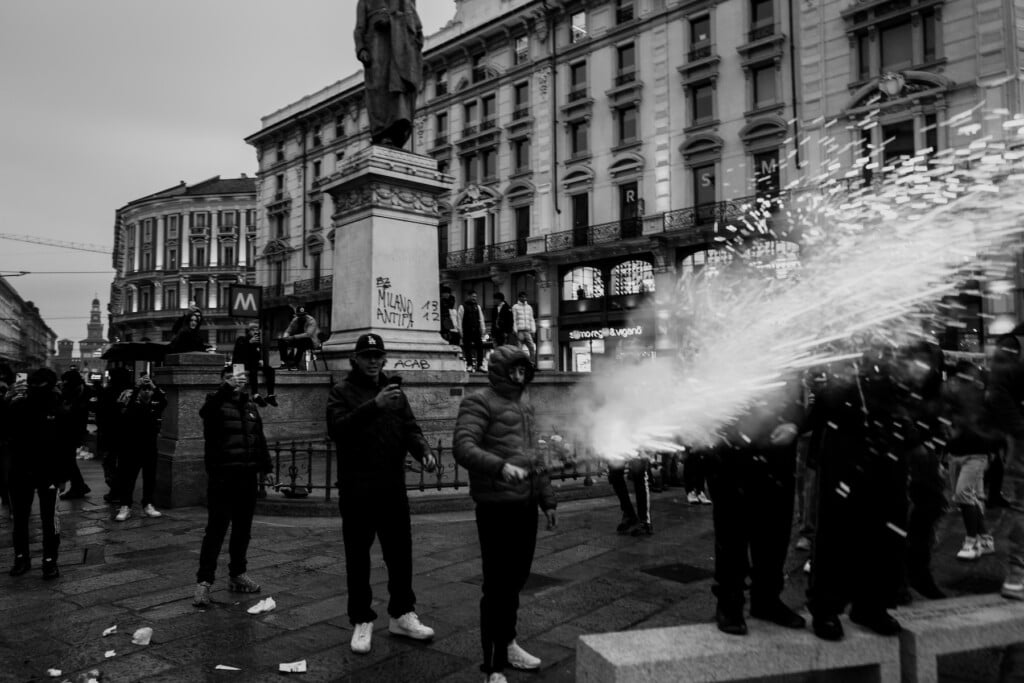
For weeks truckers and farmers have been blocking the roads of the South over the price of diesel, and over the weekend hundreds of thousands of young people took to the streets in the rest of the country. The story of those days stopped at the broken windows of Milan and left almost everything else out.
In Cerignola, in the province of Foggia, for more than a week trucks and farm vehicles have been blocking State Road 16 and the nearby stretches of the A14 and A16 motorways. They are protesting against the price of diesel, which at the end of September hit an all-time high. In the town’s supermarkets, and in those of San Severo and Lucera, the fresh produce shelves are empty, and the mayor’s office told Il Post that nothing like it had been seen since Covid. The protests began in early October in Puglia and Calabria, from Friday 16th they spread to Sicily, Basilicata and Campania, and from Bari to the Potenza area many petrol stations have run out of fuel. In the weekend’s front pages, however, all of this was pushed into the background.
Rivista Studio wrote that we found out about the dry petrol pumps and empty shelves of the South thanks to Instagram stories, and that on Rai1, in prime time, it was Fiorello who recalled them during an entertainment show, not a news report.
While the South stood still, two other mobilisations took to the streets in the rest of the country, and in the headlines they became a single thing. On Friday 16th there was the student strike called by the collectives against the government’s school policies, with marches in more than twenty cities and over 400,000 participants according to the organisers. On Saturday 17th there was Italia in Piazza, a network that declares itself non-partisan, called mainly on TikTok against the cost of living, the price of petrol and low wages. In Milan about five thousand people showed up, almost all of them very young, on the same day that in France high school students, trade unions and yellow vests were marching.
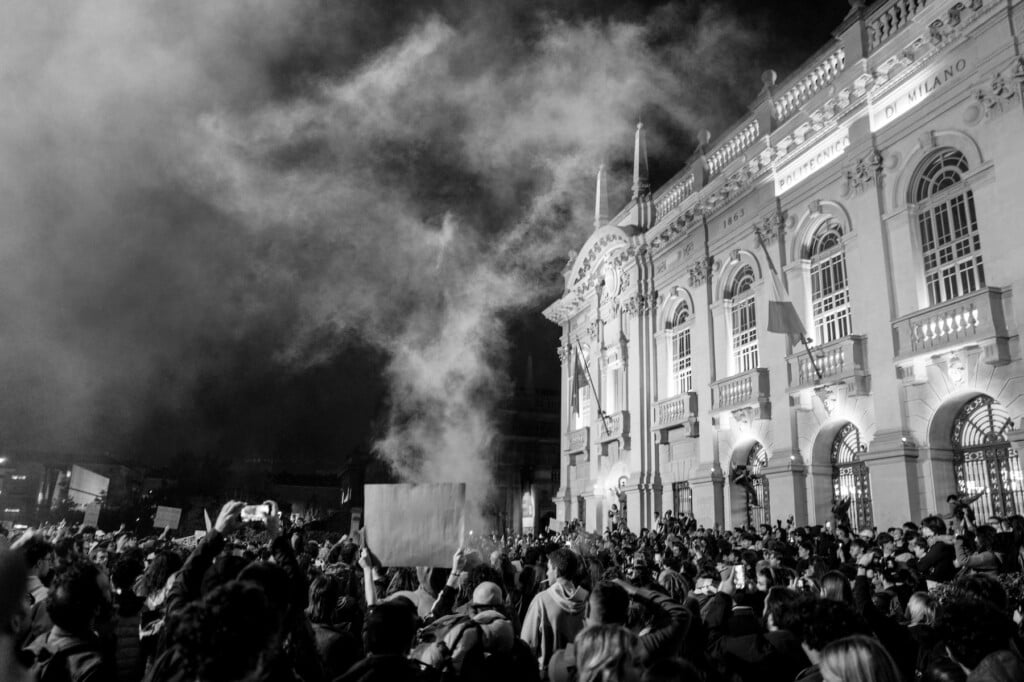
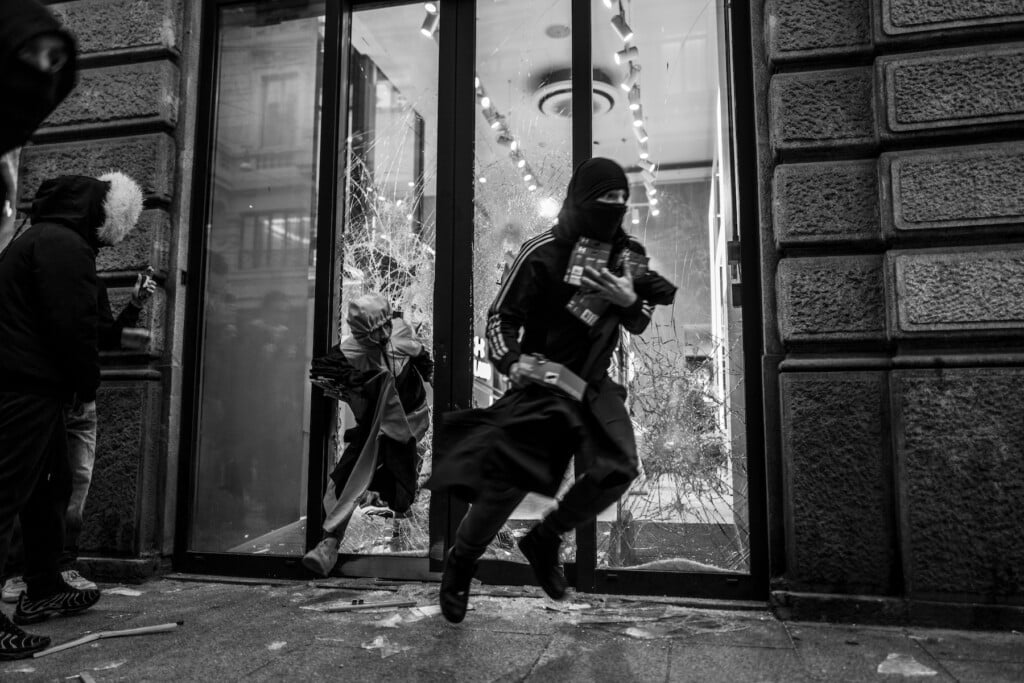
On both days a minority broke away from the marches. On Friday in Turin masked groups threw stones and flares at the police, and in Rome firecrackers were launched at the Ministry of Education. On Saturday the Milan march split in two and the afternoon ended with clashes in Piazza Duomo and looted shops, while in Bologna the tension focused on the area in front of the station. On Sunday it happened again in Milan with no march at all, and according to Adnkronos that day 271 people ended up at the police headquarters, 220 of them minors.
On Sunday morning the front pages all told the same scene, the guerrilla warfare in Piazza Duomo. According to Sky TG24’s press review the newspaper edited by Vittorio Feltri spoke of red guerrilla warfare, on Monday il Giornale pointed to «maranza and immigrants» as the culprits and la Verità asked the government for an iron fist. In the post with which Tg1 summed up Saturday on X there were the stones, the tables thrown at the police and a bookshop assaulted in Turin, and no mention of why thousands of people had taken to the streets. Corriere della Sera and Repubblica used more measured tones but not so different ones, and their headlines featured the first names of the boys, the nationalities of the parents queuing in front of the police headquarters, twelve-year-olds «storming Milan as if in a video game» and looting turned into a trend on social media.
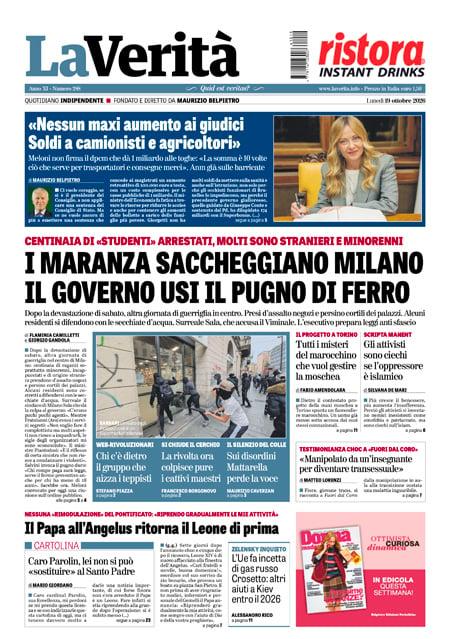
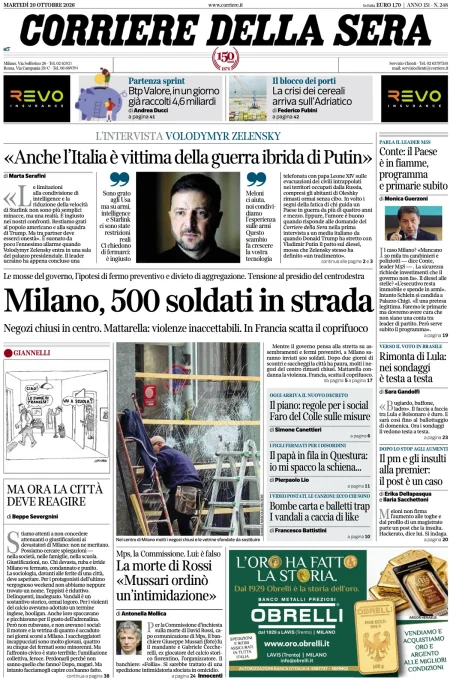
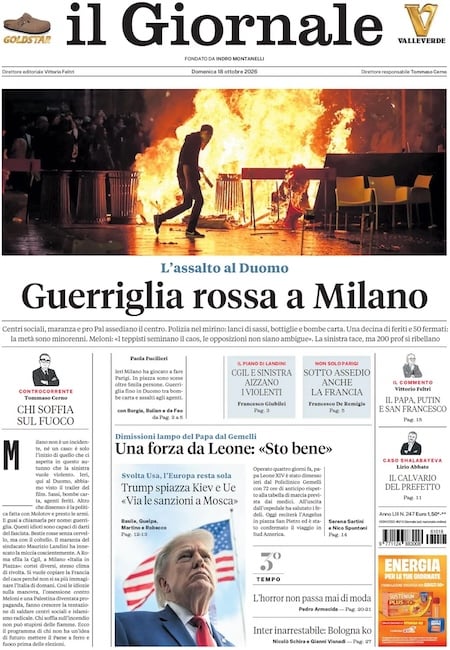
The right-wing press and the major newspapers reached the same point by different roads. On one side the square became a matter of political colour or origin, on the other a matter of adolescent psychology and algorithms, and in both cases the political question disappeared, because if they are maranza there is little to understand and if it is a game there is little to listen to. They went as far as running the headline, in a madcap and pathetic fashion, “Russian shadows over the maranza”…
The word maranza, after all, does a precise job, because it creates a social and racial stereotype that turns a group of kids into the new public enemy.
“Squares in turmoil smell the same all over the world. Tear gas, burning plastic, piss and often clotted blood. As a photojournalist I observe, I catch, I move ahead of time, running to the “right” spot to take the picture. I have really seen many squares burn in the thick smoke that spreads above stones thrown to the sound of creaking batons. The reasons are always the same, at some point people say enough. It has happened since the dawn of time. But in last week’s disorders I saw something different.” Gabriele Micalizzi, photojournalist.
The psychologist Valentina Marroni pointed out that when there is a crime story like the Garlasco case the newspapers spend weeks digging into the minds of the people involved, into their past and their context, while with the kids of Milan that microscope has disappeared. What is missing in the newsrooms is the most uncomfortable question, namely why that anger chose precisely those symbols. It is the mechanism that communication scholars call agenda setting, whereby the media rarely manage to tell us what to think but are very good at telling us what to think about and what to discuss, and in these days they told us to think about the windows.
The institutional voices followed the same line. The prime minister asked the opposition not to be ambiguous, Interior Minister Matteo Piantedosi blamed a certain left that cannot bring itself to condemn the violent, and Matteo Salvini asked to extend preventive detention to minors as well, even going so far as to speak of ties between communists and Islamists.
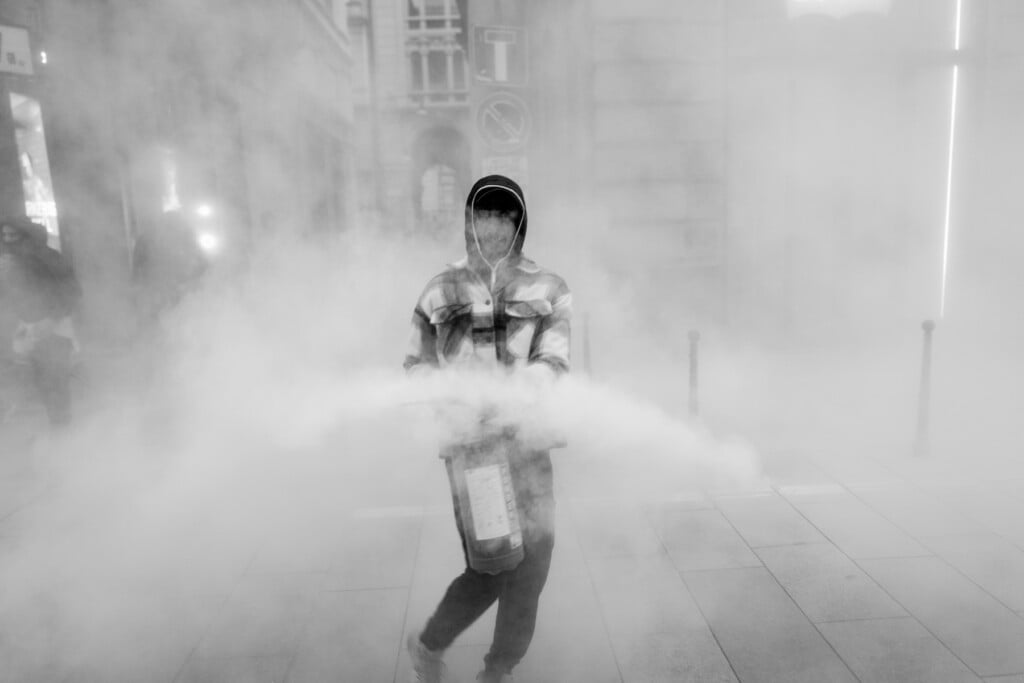
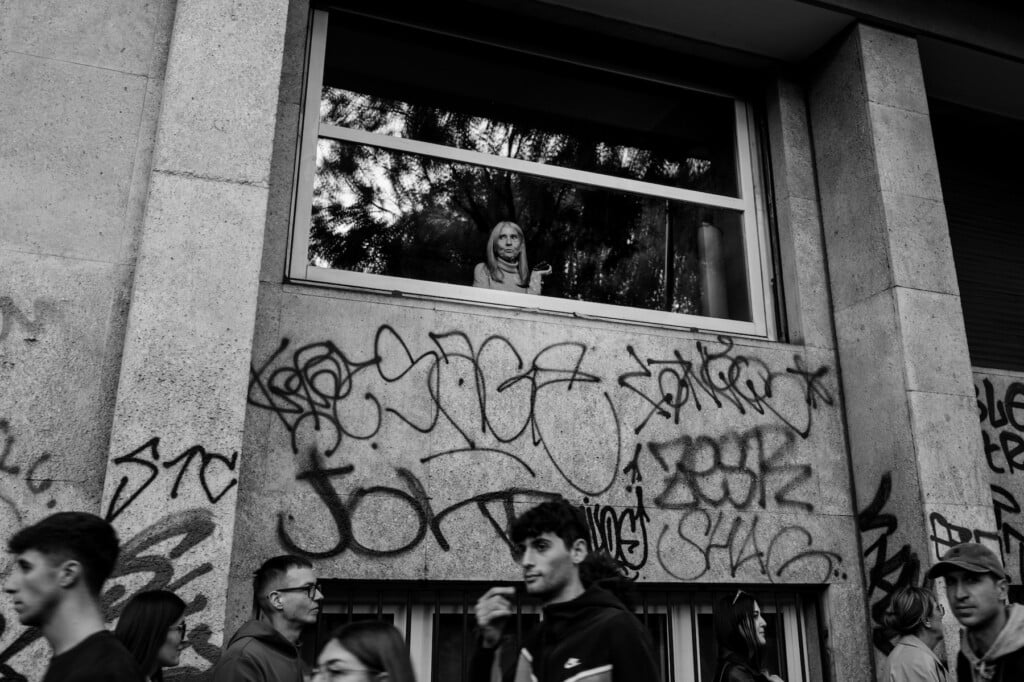
Il Post tried to reconstruct how things went. It reported that the first clashes began when the police blocked the march in Via Broletto, a very narrow street, and after some stones and bottles were thrown charged the head of the demonstration, hitting several kids with batons, and that the march then continued peacefully towards the Monumentale. Those who smashed the windows in the centre, Il Post wrote, did not belong to student collectives, social centres or other organisations. This alone says something about how we decide which violence to report and which to consider legitimate.
The reasons for Friday’s marches are written in the collectives’ documents. The first is the school decree approved in September, which from 2027 sets a 30 per cent cap on foreign pupils without sufficient knowledge of Italian in the first classes. The second is the budget law, worth about 23.5 billion only if Europe allows the government to spend 14.4 billion of it in deficit on defence and energy. In the tables defence is worth about 4.5 billion, almost double the 2.4 allocated to healthcare, and among the main items schools are absent.
The reasons for Saturday were the same as those of the blockades in the South, and those who vented their anger in the centre of Milan were mostly underage kids, of Italian origin and second generation, who came from the suburbs and the hinterland, from Brianza, the Varese area and the Pavia area. One of them explained everything to an Open reporter in a single sentence, «if you are poor you can’t have anything».
That sentence is already an answer, because the shops that were stormed were mostly sportswear and shoe chains, phone shops, a supermarket and a fast food restaurant. These are the things the kids see every day on their phones, in advertising and on the rappers and influencers they follow, and in that world a sweatshirt or a pair of sneakers is a symbol, it says who you are.
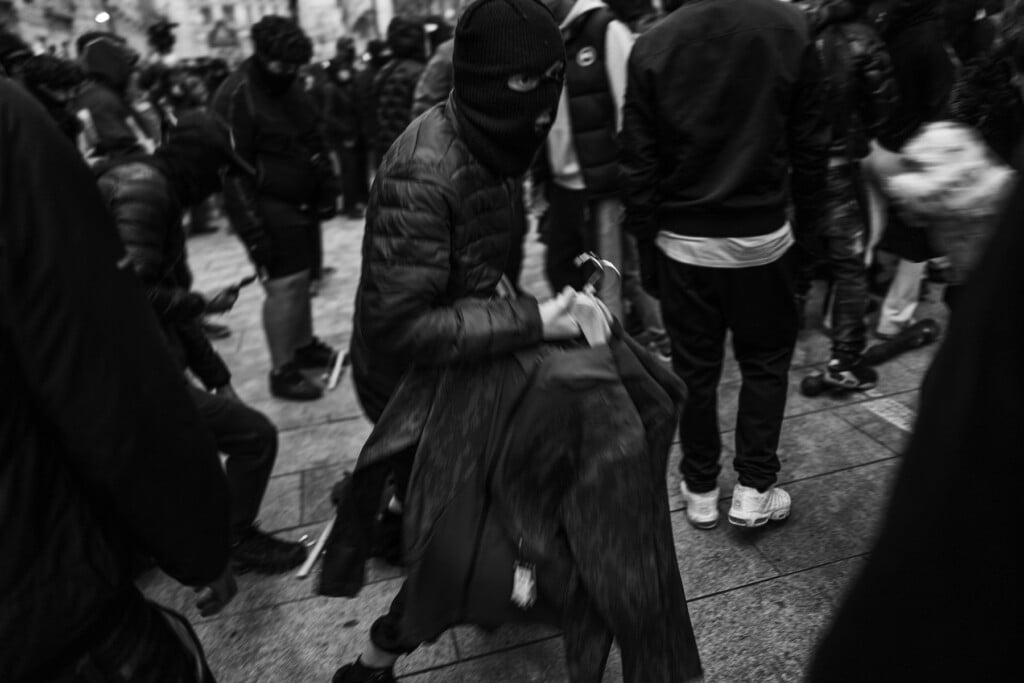
Carlotta Vagnoli explains it well when she writes that these kids do want designer shoes, of course, but that «we built that desire for them», and that those who have them «earn more respect on a social ladder founded on the possession of goods».
Tommaso Coluzzi, a journalist at Factanza, recalled that it has already happened many times, in Detroit in 1967, in the banlieues of Paris in 2005, in London in 2011, and that those on the streets came mostly from the poorest neighbourhoods. After the English looting the Guardian and the London School of Economics interviewed 270 participants, and many said they had seized the chance to take for free things they could never have afforded.
Taking those objects means taking the symbols of a belonging that is usually denied, the quickest way to look like everyone else and be accepted by a society that asks everyone to consume and then leaves out those who cannot. The anger of the looting is an anger that wants to get into that world, and that is why it lashes out at the windows that represent it. It is the same society that pushes these kids towards those symbols and then keeps them at the margins, in suburbs with crumbling schools.
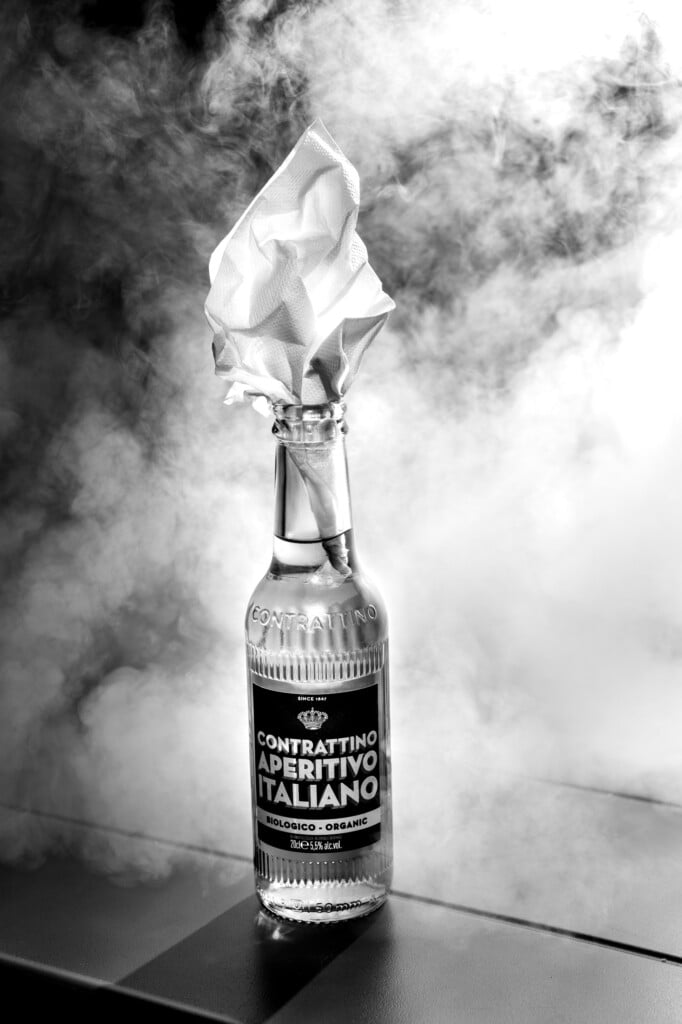
Being mostly minors, they don’t even have the vote with which to make themselves heard, and Vagnoli points out that this is precisely why politics has ignored them for decades, except to use them in election campaigns on one side and the other. In politics, however, they have grown up inside, because for years they have been at the centre of the programmes of those who talk about remigration, without anyone ever having listened to them.
“I was there, I saw those very young kids smashing those windows. I saw a generation that has had it thrown in their faces that money and popularity are the only values that matter to make it, to be there, to exist. To appear without being, to buy remedies instead of knowing and understanding yourself. Dissent does not have to be orderly, dissent always expresses discomfort. I know poverty well too, and those who are full cannot understand the hungry.” Gabriele Micalizzi, photojournalist.
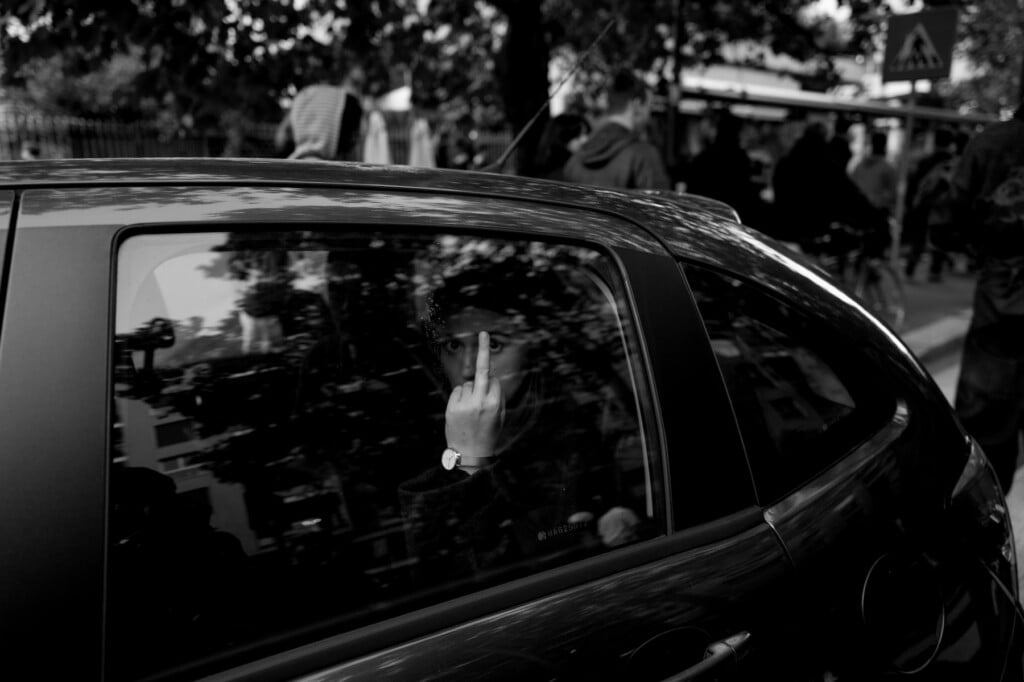
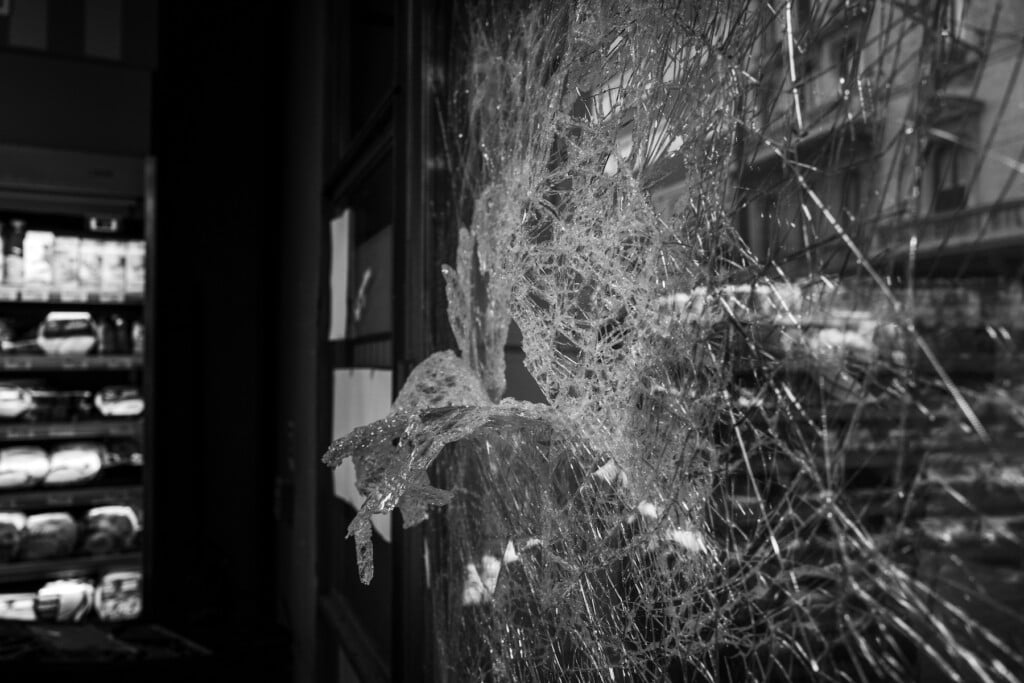
In these days some quotations are also circulating on social media. The Brazilian bishop Hélder Câmara described violence as a spiral that starts from injustices considered normal, provokes rebellion and then repression, which ends up protecting those same injustices. Marx, in 1871, wrote of the European bourgeoisie that watched the massacre of the Paris communards with complacency and shuddered in horror «at seeing lime and bricks desecrated». The philosopher Paul B. Preciado, who was in the square in Marseille on 17 October, wrote in Libération, in a text later picked up by Internazionale, that a society gradually becomes fascist when it is capable of sacrificing the lives of its young people in the name of the order and stability defined by adults.
Those who in these days delegitimise the protests by talking only about violence are often those who use it as a political programme, who talk about remigration, who do not call the events in Gaza a genocide, who talk about rearmament, who deny everything and react with security decrees, who repress and do not listen, who leave schools and healthcare without money and then are surprised by the anger, who call a kid a maranza so as not to have to talk to him, who split the country with differentiated autonomy, who want a stronger prime minister and fewer checks and balances, who attack judges when rulings are not to their liking, who treat Rai as a press office and sue inconvenient journalists, who downplay the climate crisis and struggle to call themselves anti-fascist.
One may or may not share the conclusions of all these voices, but the point they raise concerns the hierarchy of outrage. A broken window in Corso Vittorio Emanuele produces more indignation than a school that holds lessons in winter with coats on, or a town in Puglia with empty shelves, and the reason has to do with images and their political message. The window can be photographed in a second, the cold school and the dry petrol pump require an investigation. A newspaper that always chooses the easiest photo ends up telling the story of the country that suits those who already have the power to decide, and leaves unanswered the question that those windows, in their own way, were asking us.
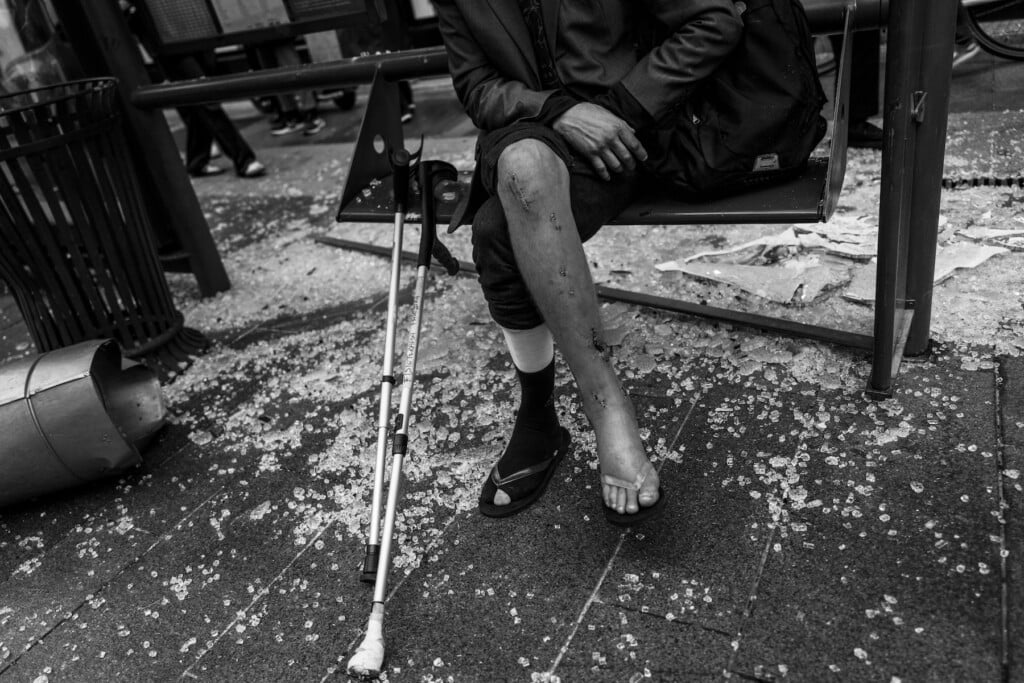
Photos by Gabriele Micalizzi – CESURA