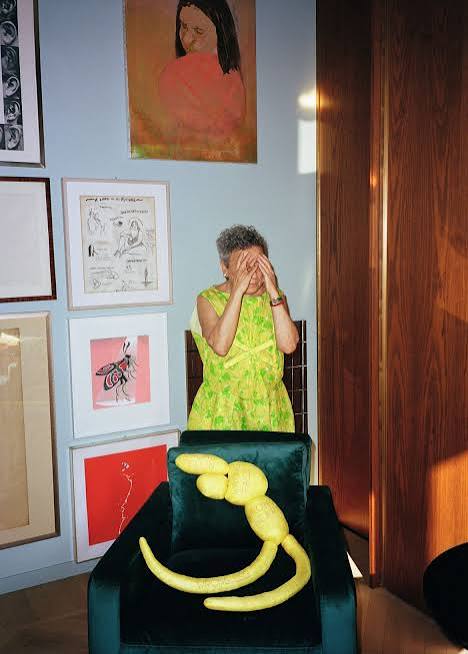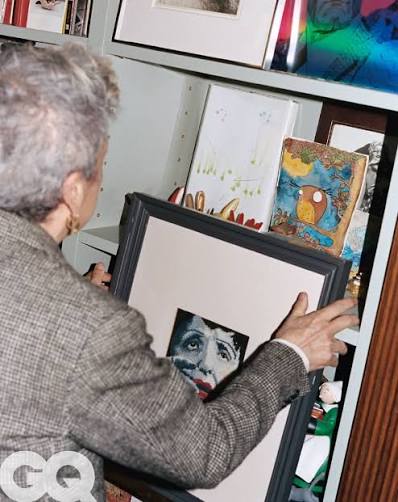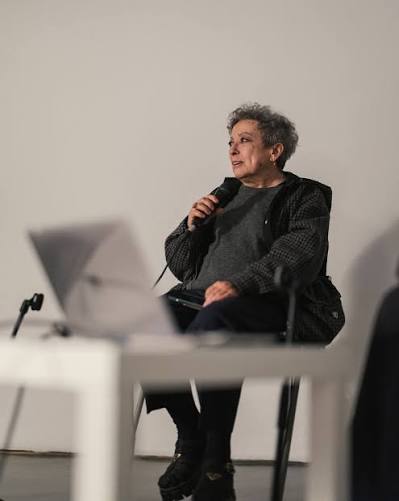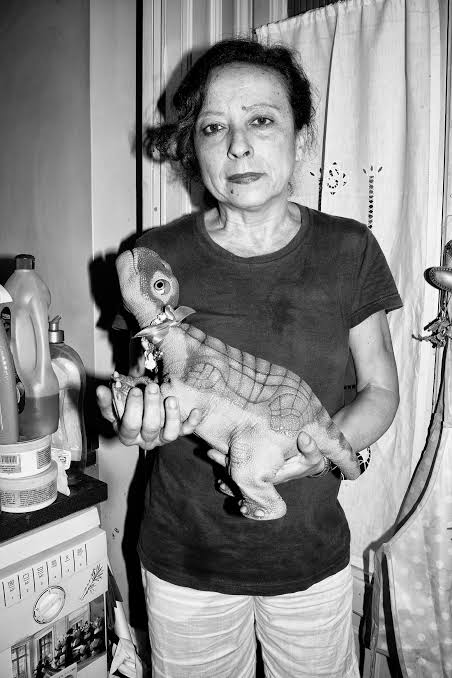
Mariuccia Casadio died in Milan on the afternoon of Sunday, November 22, ten days after the evening at the Triennale where her book Sommario was presented. She passed away just as her working method was returning to the center of attention, with a packed hall.
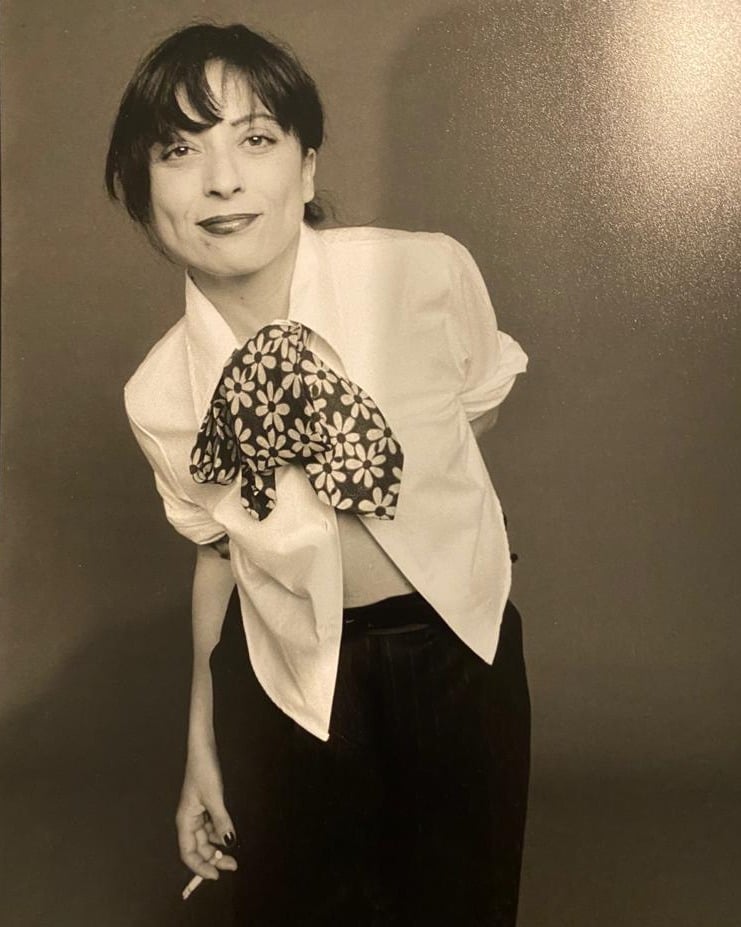
She was born in Bologna, in a year she never wanted to reveal. Art critic, journalist, curator and consultant, she built her career on the idea that the boundaries between languages were a convenience of classifiers rather than a reality. In 1981 she collaborated with Germano Celant on the exhibition Identité Italienne at the Centre Pompidou in Paris, then joined the editorial staff of Vanity, the magazine founded by Anna Piaggi.
In the 1990s she passed through New York, where she worked for Interview, the magazine founded by Andy Warhol, a city where art and popular culture had always mingled. The freedom of that environment can be found in her idea of publishing. In 1988 she met Franca Sozzani, and that collaboration gave rise to one of the most singular seasons of Vogue Italia.
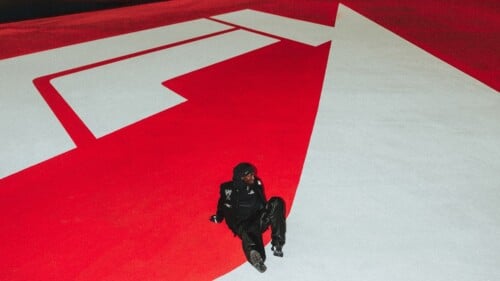
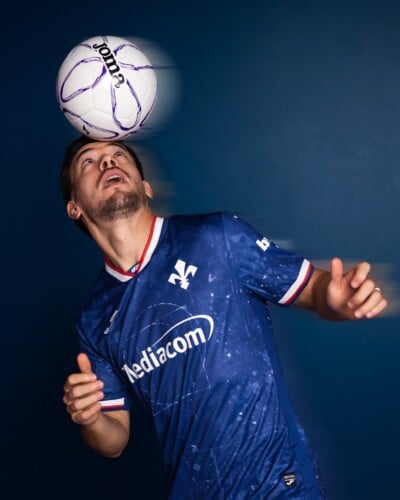
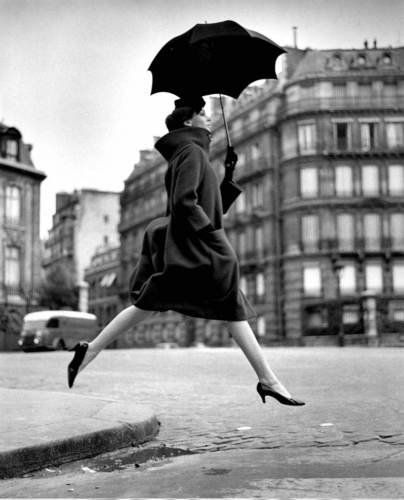
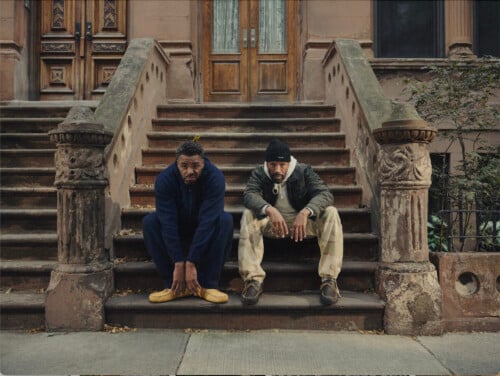
From 1991, together with art director Luca Stoppini, Casadio helped turn the magazine into a cultural laboratory. Her editorials worked like small curatorial projects: artworks, photographs and images of different origins were placed side by side to give rise to new readings. They were not illustrations of a theme, but juxtapositions that asked readers to connect the dots on their own. Among her best-known projects are A Noir, presented at the Triennale di Milano in 1998, and Vogue Permanent Food in 2003, created with Maurizio Cattelan and Paola Manfrin. Her work with Vogue Italia continued until 2017.
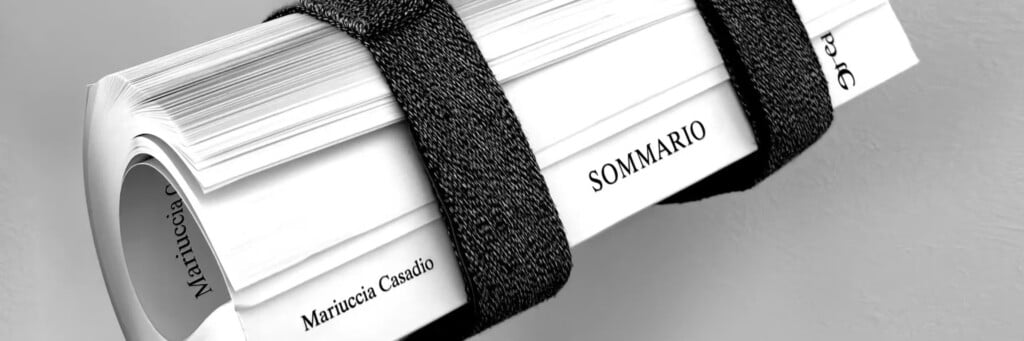
Alongside publishing, there was a long career in research and curating. Casadio worked on artists such as Alighiero Boetti, Marlene Dumas and Lily van der Stokker, and in 2009 she co-authored a book with Barnaba Fornasetti on the creative universe of Piero Fornasetti. Sommario is a 720-page volume, published by Eteroclito Edizioni, that collects the editorials written for Vogue Italia between 1996 and 2017. She conceived it with Stoppini, and it documents a method based on free association and on the ability to catch unexpected links between images. It was meant to be a way of rereading the past, and it became her public farewell.
The most heartfelt tribute comes from the city. Milan’s councillor for culture, Tommaso Sacchi, described her as a free and cultured voice and a genuine supporter of artists, able to recognize and defend talent regardless of fame or success. It is perhaps the most precise definition, because a curator is not measured by whom she cites, but by whom she chooses to help when no one is yet looking.
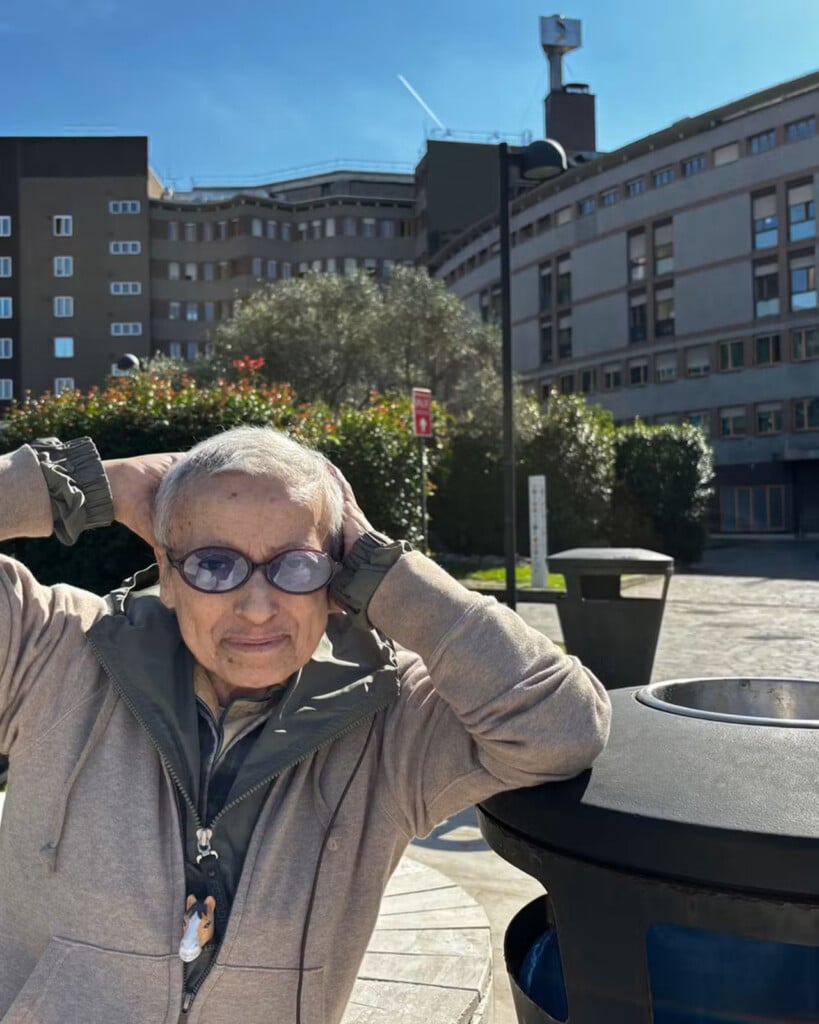
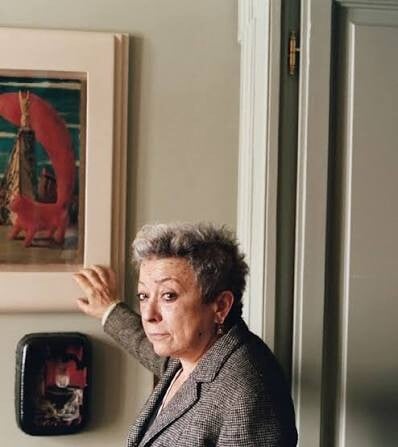
What strikes you about Mariuccia Casadio’s work is how much trust she had in the reader’s gaze. When she placed a fashion photograph next to an artwork, she didn’t explain the connection: she left it there, and it was up to the reader to understand why they belonged together. It is a way of doing publishing that today seems almost countercurrent, in a world that hands us the meaning of every image right away, often before we have even looked at it. Perhaps her most useful lesson is this: curiosity is not a talent but a habit, cultivated by choosing, every time, not to stop at the first label. Those who practice it consistently end up seeing before others, and noticing talent when no one has yet recognized it.
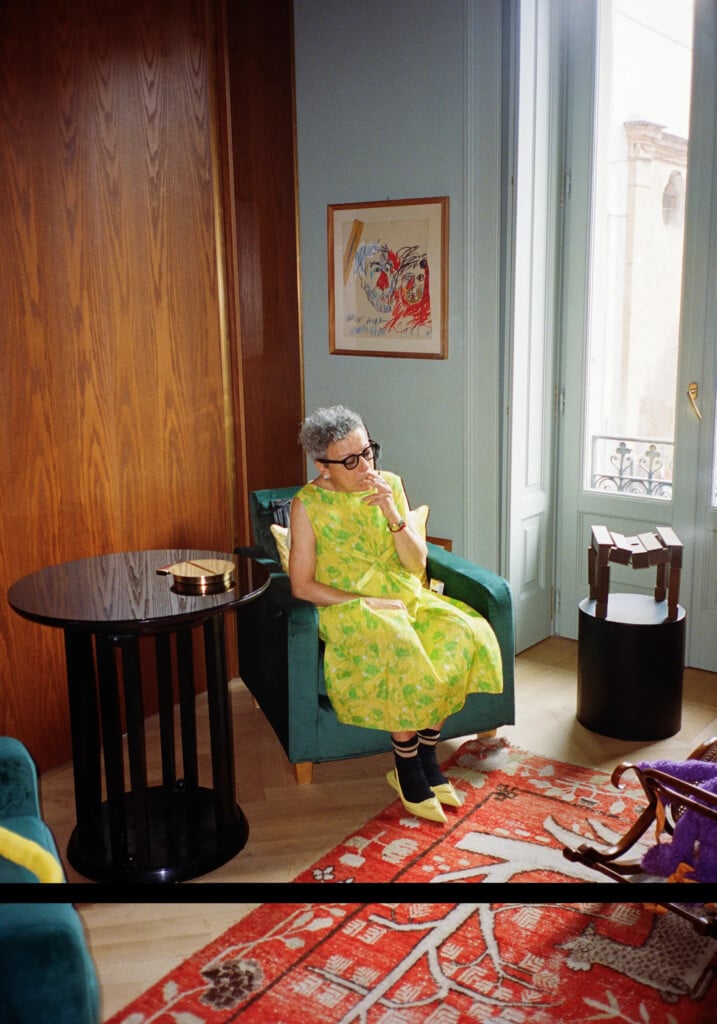
Casadio liked to define herself, first and foremost, as an observer. It is a modest definition for someone who changed the way fashion and art look at each other. But it explains everything: looking carefully, bringing together what seems distant, and trusting the eye. In an age of images consumed in a second, she leaves a simple idea: looking is work, and it can be done with great elegance.